

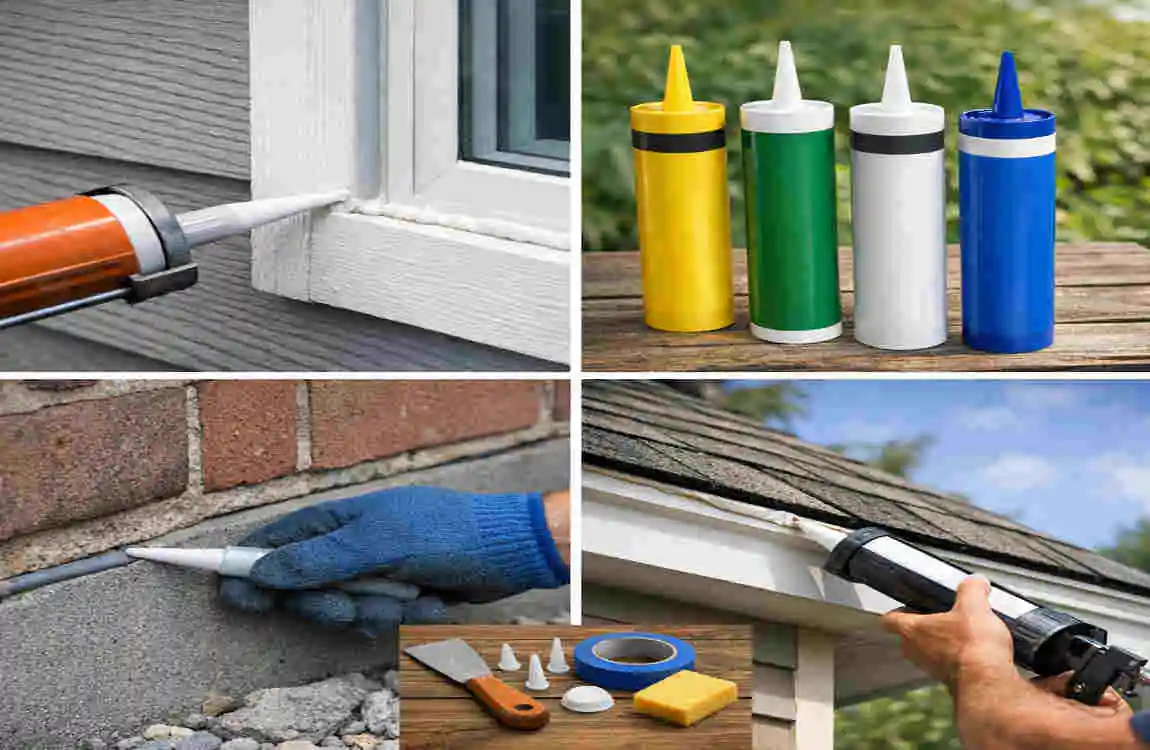
If you want to keep your home protected from water, air leaks, and weather damage, exterior caulk matters more than many people realize. It seals gaps, cracks, and joints around windows, doors, trim, siding, and other outdoor surfaces.
So, what is the best exterior caulk? The simple answer is this: the best caulk depends on the surface, the weather, and the job you need it to do. Some products are better for wet areas, some for painting, and some for flexible joints that move with temperature changes.
What Makes a Good Exterior Caulk?
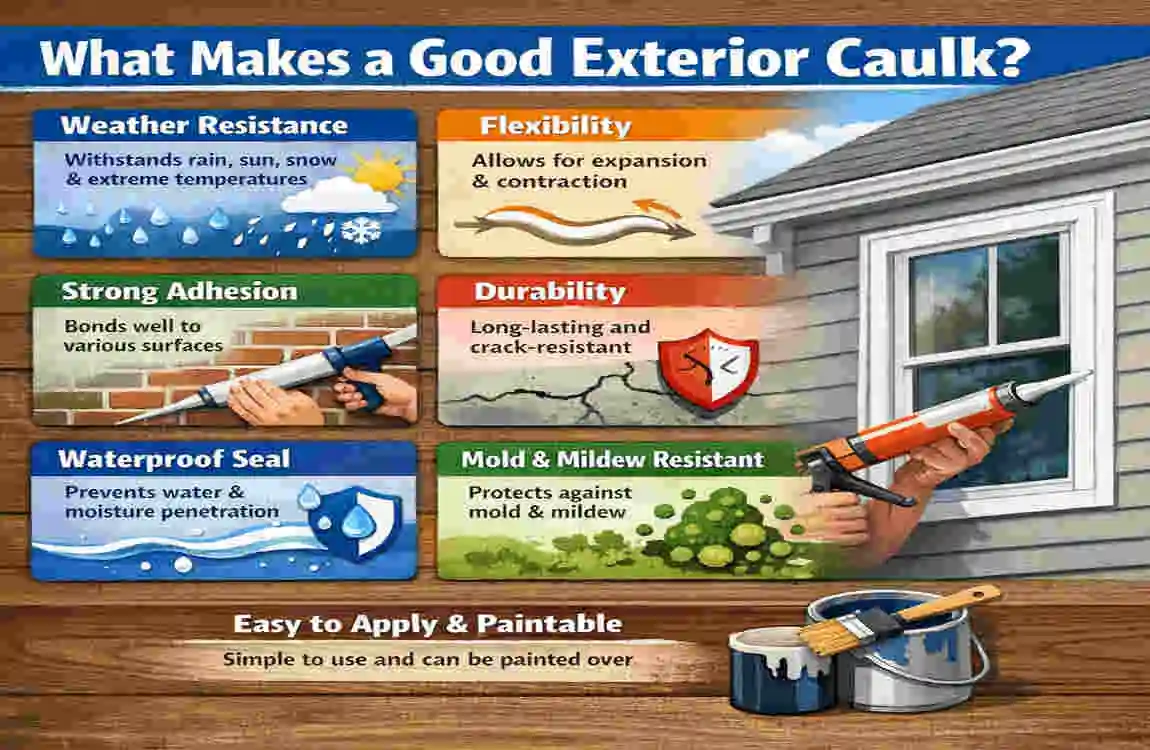
Weather Resistance and Waterproofing
Outdoor caulk must withstand rain, humidity, sun, and freezing temperatures. If it breaks down too fast, water can get into places it should not.
A good exterior caulk helps protect trim, siding, and wall openings from moisture damage. That makes it an important part of home maintenance.
Flexibility and Movement
Outdoor surfaces expand and contract as the weather changes. That means the caulk must move a little too.
If a caulk is too stiff, it may crack or pull away. A flexible product works better in joints that shift over time.
Durability and Longevity
The sun, heat, cold, and moisture can all wear caulk down. Better-quality products usually last longer and hold their seal better.
That is why it often makes sense to choose a more durable caulk instead of the cheapest option.
Paintability and Appearance
Some caulks can be painted, while others cannot. This matters around trim, siding, windows, and doors where a finished look is important.
If you plan to paint the area, choose a paintable exterior caulk. If appearance is less important and water resistance is the main goal, a non-paintable option may still work well.
Types of Exterior Caulk: Which One Is Best?
Silicone Caulk
Silicone caulk is known for strong water resistance and flexibility. It works well in high-moisture areas.
It is a good choice for windows, doors, glass, and other wet areas. The main downside is that many silicone formulas are not paintable, so they may not be ideal for applications that require a painted finish.
Polyurethane Caulk
Polyurethane caulk is a strong choice for demanding exterior work. It sticks well, stays flexible, and handles outdoor conditions nicely.
It often works well on concrete, masonry, siding, and construction joints. If you want a durable seal for tougher jobs, this is one of the strongest options.
Acrylic Latex Caulk
Acrylic latex caulk is easy to use and usually more affordable. It is often used for general home repairs and paintable trim work.
This is a solid choice for small exterior gaps and siding areas when you want a product that is simple to apply and paint over. Still, for harsh weather or high-movement joints, a stronger formula may be better.
Hybrid or Silyl-Modified Polymer Caulk
Hybrid caulks combine useful features from different caulk types. They often offer good flexibility, strong adhesion, weather resistance, and paintability.
Because of that, they can be a very practical all-around choice for many exterior projects.
Butyl Rubber Caulk
Butyl rubber caulk is a more traditional outdoor sealant. It offers good moisture resistance and flexibility.
You may still see it used in some exterior applications, but it is less common in many modern homes than silicone, polyurethane, or hybrid products.
What Is the Best Exterior Caulk for Different Surfaces?
Best Exterior Caulk for Windows and Doors
Around windows and doors, the most important traits are flexibility, waterproofing, and strong adhesion. These areas often shift slightly with heat and cold.
A good seal here helps reduce drafts and keeps water from getting into the frame area. That is why product choice matters so much.
Best Exterior Caulk for Siding
The best caulk for siding depends on the siding material. Vinyl, wood, and fiber cement may all need different products.
Always check the siding manufacturer’s recommendations. That helps you choose a caulk that bonds well and lasts longer.
Best Exterior Caulk for Concrete and Masonry
Concrete and masonry joints often require a product that accommodates movement and withstands rough surfaces. Polyurethane and hybrid caulks are often strong choices here.
These surfaces expand and contract, so the caulk must stay flexible over time.
Best Exterior Caulk for Wood Trim
For exterior wood trim, a paintable caulk is usually the best option. It can help seal joints and make the finished trim look smooth.
If the wood is damaged or bare, prepare it properly first. That helps the caulk and paint perform better.
Best Exterior Caulk for Roof and Gutter Areas
Roofing and gutter projects may need specialized sealants, not just general exterior caulk. This is important.
Always read the product label carefully. Some areas need a roofing-specific or construction-specific sealant, and ordinary caulk may not be the right choice.
How to Choose the Right Exterior Caulk
Consider the Surface Material
Caulk must bond well to the surface you are sealing. A product that works great on wood may not be the best fit for masonry or metal.
Check compatibility before you buy.
Check the Weather Conditions
Temperature and moisture matter during installation. If the weather is too cold, too hot, or too wet, the caulk may not cure well.
Follow the label instructions for best results.
Look at Flexibility and Movement
If the joint moves a lot, choose a flexible caulk. If the crack is small and stable, a simpler product may be enough.
Consider Paintability
If the area will be painted, choose a paintable exterior caulk. Silicone is often not paintable, so that detail matters.
Compare Durability and Cost
Cheaper caulk may save money now, but it may fail sooner. A better product can offer better long-term value.
Read the Product Label
The label tells you the most important details: surface compatibility, curing time, temperature range, and exterior use. Do not skip it.
How to Apply Exterior Caulk Properly
Prepare the Surface
Start by removing old, cracked, or loose caulk. Then clean the area to remove dust, grease, and debris.
A clean surface helps the new caulk stick better.
Use the Right Caulk Gun and Nozzle
A good caulk gun makes the job easier and smoother. Cut the nozzle carefully so the bead size matches the gap.
Apply a Steady Bead
Move at a steady pace and apply even pressure. Try not to use too much caulk, because that can make the finish messy.
Smooth the Joint
Tool the bead before it skins over. This helps press the caulk into the gap and creates a neater seal.
Allow Proper Curing Time
Do not let rain or movement disturb the caulk while it cures. Curing times vary, so always check the label.
Inspect the Finished Seal
Look for cracks, bubbles, or missed spots after the caulk sets. If needed, touch up weak areas right away.
Common Exterior Caulking Mistakes to Avoid
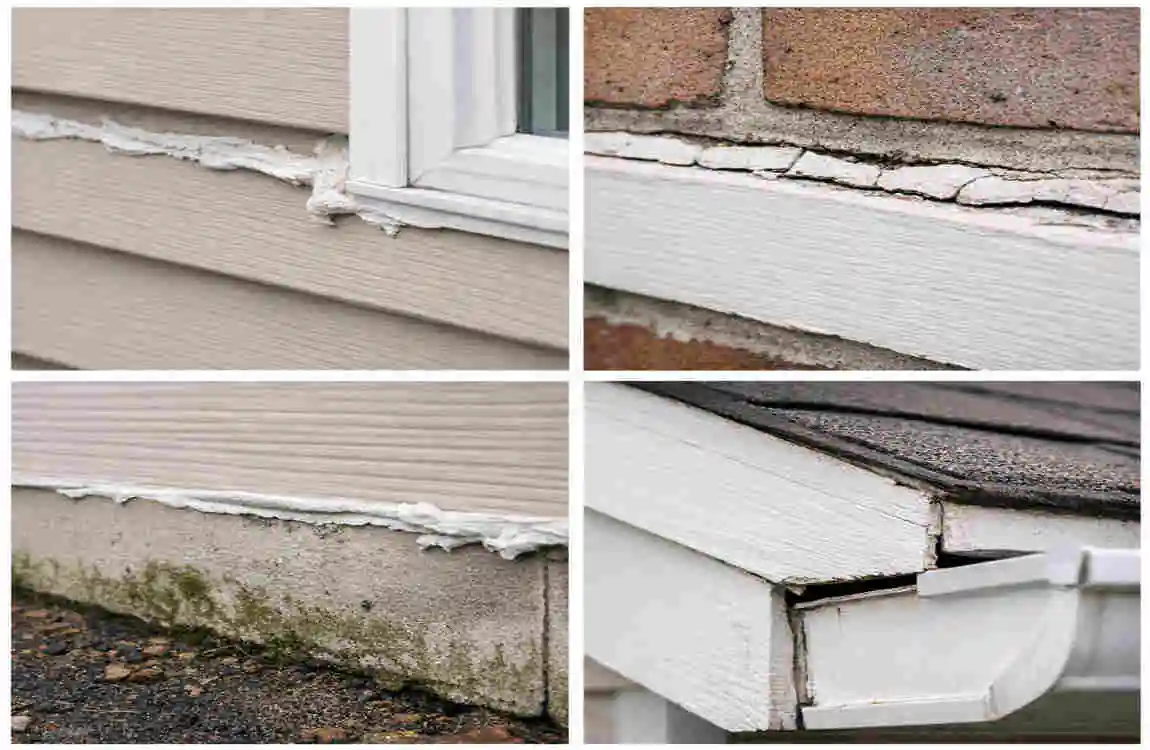
- Applying new caulk over dirty or failing old caulk
- Using interior-only caulk outdoors
- Choosing a product that does not match the surface
- Caulking in bad weather
- Using too much or too little caulk
- Ignoring product instructions
- Painting over non-paintable caulk
- Using ordinary caulk where a special sealant is needed
- Failing to inspect caulk regularly
Avoiding these mistakes can improve both the look and performance of your exterior seal.
Exterior Caulk Maintenance and When to Replace It
How Long Does Exterior Caulk Last?
There is no single answer. Lifespan depends on the product type, climate, sunlight, installation quality, and exposure.
Signs Your Exterior Caulk Needs Replacement
Watch for:
- Cracking
- Shrinking
- Peeling
- Separation from the surface
- Gaps near windows or doors
- Water intrusion
- Visible weather damage
How to Maintain Exterior Caulk
Check your caulk periodically. If you spot failure early, remove the damaged section and replace it before moisture becomes a bigger problem.
FAQs About the Best Exterior Caulk
What is the best exterior caulk?
The best exterior caulk depends on the job. Silicone, polyurethane, acrylic latex, and hybrid formulas are all common choices.
Is silicone or polyurethane caulk better for exterior use?
Silicone is great for water resistance. Polyurethane is often better when you need stronger adhesion and paintability.
What is the best caulk for outdoor windows?
Look for a flexible, weather-resistant, and waterproof product that works well with your window frame material.
What is the best exterior caulk for siding?
It depends on the siding type. Always check compatibility and follow the siding manufacturer’s guidance.
Is exterior caulk waterproof?
Many exterior caulk products resist water very well, but proper application and curing remain very important.
Can exterior caulk be painted?
Some can. Acrylic latex and many hybrid caulks are paintable, while many silicone products are not.
How often should exterior caulk be replaced?
Replace it when you see cracking, peeling, shrinking, or separation, rather than following a fixed schedule.
Can I apply exterior caulk over old caulk?
Only if the old caulk is in good shape; if it is failing, remove it first for a better seal.
What temperature is best for applying exterior caulk?
It depends on the product. Always follow the manufacturer’s temperature range.
Does exterior caulk prevent water leaks?
It helps seal gaps and joints properly, but it does not fix deeper roofing, plumbing, or structural problems.
| Exterior Caulk Type | Best For | Key Benefits |
|---|---|---|
| Silicone Caulk | Windows, doors, siding | Highly waterproof, flexible, and durable |
| Polyurethane Caulk | Concrete, masonry, outdoor joints | Strong adhesion and excellent weather resistance |
| Acrylic Latex Caulk | Small exterior cracks and trim | Easy to apply, paintable, and affordable |
| Hybrid Polymer Caulk | General exterior use | Combines flexibility, durability, and strong adhesion |
| Butyl Rubber Caulk | Gutters, flashing, roofing | Excellent moisture resistance and flexibility |
