


That is because exterior paint is designed for outdoor conditions such as sun, rain, heat, cold, and humidity. It is built to withstand outdoor use, not to meet the needs of a living room, bedroom, or hallway.
So if you are asking, can you use exterior paint inside, the safest answer is to use it only if the product label clearly says it is approved for indoor use. Always check the can, the technical data, and the manufacturer’s instructions before you paint.
Interior spaces need different things from paint. They need low odor, good indoor air quality, smooth application, easy cleaning, and a finish that looks right under indoor lighting.
What Is the Difference Between Exterior and Interior Paint?
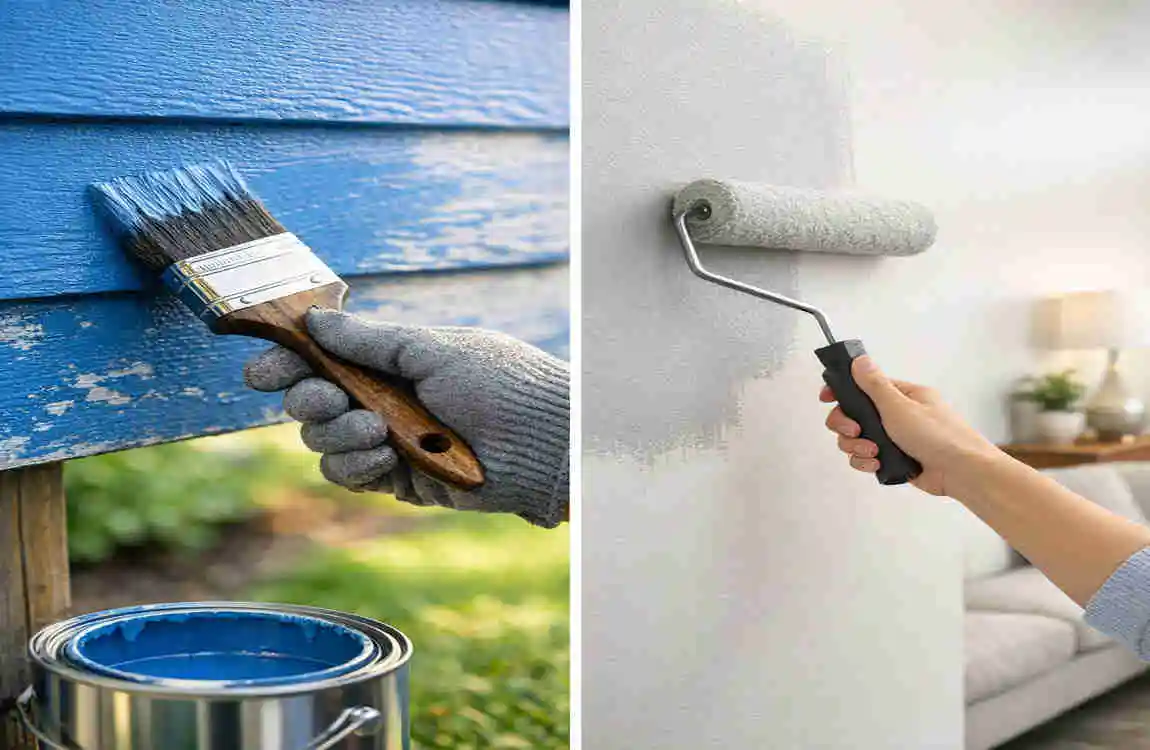
How Exterior Paint Is Formulated
Exterior paint is designed to survive tough outdoor conditions. It has to deal with weather changes, UV rays, moisture, and temperature swings.
That is why exterior paint often contains ingredients that make it more flexible and more resistant to cracking. It is made to expand and contract as outdoor surfaces move.
It also often includes stronger additives for durability. That helps it stay on siding, fences, shutters, and other outdoor surfaces for longer.
How Interior Paint Is Formulated
Interior paint is made for enclosed spaces. It focuses more on appearance, smell, washability, and indoor comfort.
It is usually easier to live with because it is designed for rooms where people spend time every day. That means it is generally better for bedrooms, living rooms, kitchens, and hallways.
Many interior paints are also made to handle regular wiping and cleaning. That matters a lot in homes with kids, pets, or high-traffic areas.
Exterior Paint vs. Interior Paint at a Glance
FeatureExterior PaintInterior Paint
Main purpose Outdoor surfaces Indoor surfaces
Weather resistance High Limited
Odor considerations Less focused on indoor use Designed with indoor use in mind
Flexibility Often higher Formulated for interior surfaces
Cleanability Depends on product Often designed for frequent cleaning
Best use Siding, exterior walls, outdoor structures Walls, ceilings, rooms, trim
Is It Safe to Use Exterior Paint Inside?
Potential Indoor Air Quality Concerns
This is where the biggest concern comes in. A paint that works well outside may not be ideal in a closed indoor room.
Some exterior paints can emit stronger fumes or contain more VOCs (volatile organic compounds). In simple terms, these are chemicals that can emit odors and affect air quality.
That does not mean every exterior paint is dangerous. But it does mean you should be careful. Ventilation matters a lot when painting indoors, especially if the product was not made for indoor spaces.
Strong Odor and Fumes
Exterior paint often has a stronger smell than interior paint. Outside, that odor can disappear more quickly because air moves freely.
Inside, the smell can linger much longer. That can make the room uncomfortable, especially in bedrooms, children’s rooms, kitchens, and other small rooms with limited airflow.
If you are sensitive to smells, this becomes even more important. A paint that seems fine at first may still be a poor choice if the odor stays in the room for days.
Always Check the Product Label
Not all exterior paints are the same. Some products may be more suitable for unusual indoor projects, while others are strictly for outdoor use.
That is why the label matters more than general advice. If the manufacturer does not clearly approve the paint for interior use, do not assume it is safe or suitable.
The product label should always come first. If needed, check the technical sheet too. That will give you the most reliable answer.
What Happens If You Use Exterior Paint Inside?
Possible Advantages
In some situations, exterior paint may offer strong durability and a tough finish. That can sound attractive, especially if you want a long-lasting coating.
Some exterior paints may also resist moisture well. In special cases, that can be useful in utility spaces or other non-living areas.
But those advantages only matter if the product is actually approved for the indoor surface you want to paint.
Possible Problems
The downsides can be more important than the strengths.
The room may smell stronger. The finish may not look quite right. The surface may also feel different from what you expected on an interior wall.
You may also run into problems later if the paint is harder to clean, touch up, or repaint. And if you used the product in a way that goes against the label, it could affect warranty coverage.
Why the Wrong Paint Can Cause Long-Term Issues
Choosing paint based only on durability is a mistake many homeowners make. Durability is important, but it is not the only factor.
Paint must also fit the room, lighting, surface, and how the space is used. A product that works great outside may still be the wrong choice inside.
The best paint is the one made for the job you actually need done.
When Might Exterior Paint Be Used Indoors?
Garages and Utility Areas
There are a few spaces where exterior paint may seem more practical. Garages, workshops, storage rooms, and utility areas are common examples.
These rooms often have less need for a perfect living-room finish. They may also face more dirt, humidity, or wear.
Still, this does not mean you should automatically use exterior paint. You should always check whether the product is approved for that kind of indoor use.
High-Moisture Areas
Some homeowners think exterior paint is a good solution for bathrooms or laundry rooms because those rooms are exposed to moisture.
That is understandable, but it is not always the best answer. Many interior paints are already made for damp spaces and may be a better fit.
If moisture resistance is your main concern, choose a product designed specifically for interior humidity rather than assuming exterior paint is better.
Special Interior Projects
There may be unusual cases where a specialty coating approved for both indoor and outdoor use makes sense. That can happen with certain surfaces or non-standard projects.
In those situations, professional advice can help. The important thing is to use a product that the manufacturer clearly supports.
How to Choose the Right Paint for Interior Walls
Choose Interior Paint for Most Living Spaces
For everyday rooms, interior paint is usually the safest and most practical choice.
That includes bedrooms, living rooms, dining rooms, hallways, and family spaces. These areas need comfort, low odor, and a finish that looks good in normal indoor lighting.
The right interior paint can also make cleaning much easier over time.
Consider Paint Finish
The finish affects both appearance and maintenance. A good finish choice can make a room feel more polished and easier to care for.
Here is a simple guide:
- Flat or matte: Best for low-traffic ceilings or walls where you want a soft look
- Eggshell: Good for most living areas because it looks smooth and is easier to clean than matte
- Satin: Great for kitchens, bathrooms, and busy spaces
- Semi-gloss: Often used for trim, doors, and surfaces that need more cleaning
- Gloss: Very shiny and usually used for accent areas or detailed trim
Look for Low- or Zero-VOC Options
If indoor air quality matters to you, look for low-VOC or zero-VOC interior paints. These products are usually designed for indoor use.
That can be a good choice for bedrooms, nurseries, or homes where smell is a concern. Still, always follow the specific product instructions for ventilation and drying time.
Match the Paint to the Surface
The best paint also depends on the surface you are painting. Drywall, wood, trim, masonry, and metal all need different preparation.
A good primer can also help the paint stick better and look smoother. If the surface is not prepared properly, even the best paint may fail early.
Tips for Painting Interior Spaces Safely and Successfully
Prepare the Room
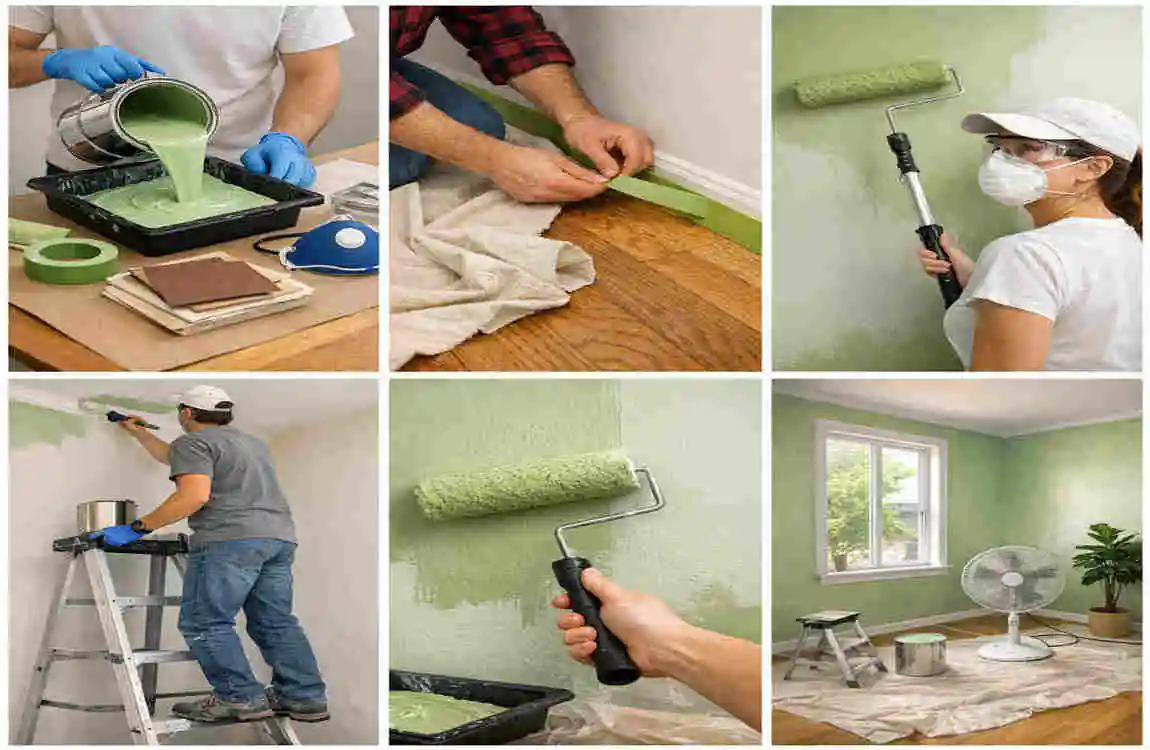
Before you start, remove or cover furniture. Protect the floors and clean the surfaces well.
If there are cracks, holes, or stains, fix those first. A clean, smooth surface always gives better results.
Ventilate Properly
Good airflow is essential. Open windows and doors when possible, and use fans to help move air.
Just make sure you follow the manufacturer’s safety advice. Ventilation helps reduce odors and makes the room more comfortable while you work.
Use the Correct Tools
The right tools make a big difference. You will usually need brushes, rollers, trays, painter’s tape, and possibly extension poles.
The roller nap also matters. A smoother wall often needs a shorter nap, while a rough surface needs a thicker one.
Apply Primer When Needed
Primer is useful when the wall has stains, bare drywall, glossy spots, or major color changes. It can help with coverage and adhesion.
If the surface is difficult, primer is often worth the extra step.
Allow Adequate Drying Time
Do not rush the process. Drying and curing times are not the same, and both matter.
Always follow the label for recoat timing. If you paint too soon, you may affect the final finish and durability.
Frequently Asked Questions About Using Exterior Paint Inside
Can you use exterior paint inside?
Usually, no. It should be used only indoors if the manufacturer specifically states it is suitable for interior use.
Is exterior paint more durable than interior paint?
Exterior paint is designed to withstand outdoor conditions, but that does not automatically make it suitable for indoor walls.
Can exterior paint be used on interior walls?
Only if the product is approved for that use; always check the label and instructions.
Can you use exterior paint inside a garage?
Possibly, but the product still needs to be approved for the space and used safely.
Is exterior paint toxic indoors?
It depends on the formula. Some paints can release fumes or VOCs, so ventilation and product instructions matter.
Can you mix exterior and interior paint?
Not usually. Mixing paint products is not recommended unless the manufacturer allows it.
Can you paint over exterior paint with interior paint?
Yes, sometimes. But the surface may need cleaning, sanding, and priming first.
What is the best paint to use inside a house?
A quality interior paint made for the surface and room you are painting is usually the best choice.
| Question | Short Answer |
|---|---|
| Can you use exterior paint inside your home? | It is generally not recommended. Exterior paint is formulated for outdoor conditions and may contain additives that are unnecessary or less suitable for indoor air quality. |
| Why shouldn’t you use it indoors? | Exterior paints can release stronger fumes and may contain mildewcides or other additives designed for outdoor use. |
| What paint is best for interiors? | Use interior paint, which is specifically formulated for indoor surfaces, durability, cleaning, and lower odor. |
| Can exterior paint be used indoors in an emergency? | It may adhere to the surface, but it is better to choose an appropriate interior product rather than using exterior paint. |
| What about exterior paint on doors or trim? | For interior-facing doors and trim, an interior or suitable hybrid paint is usually the better choice. |
| Bottom line | Exterior paint is designed for outside use; interior paint is the safer and more suitable option for most indoor walls and surfaces. |
