

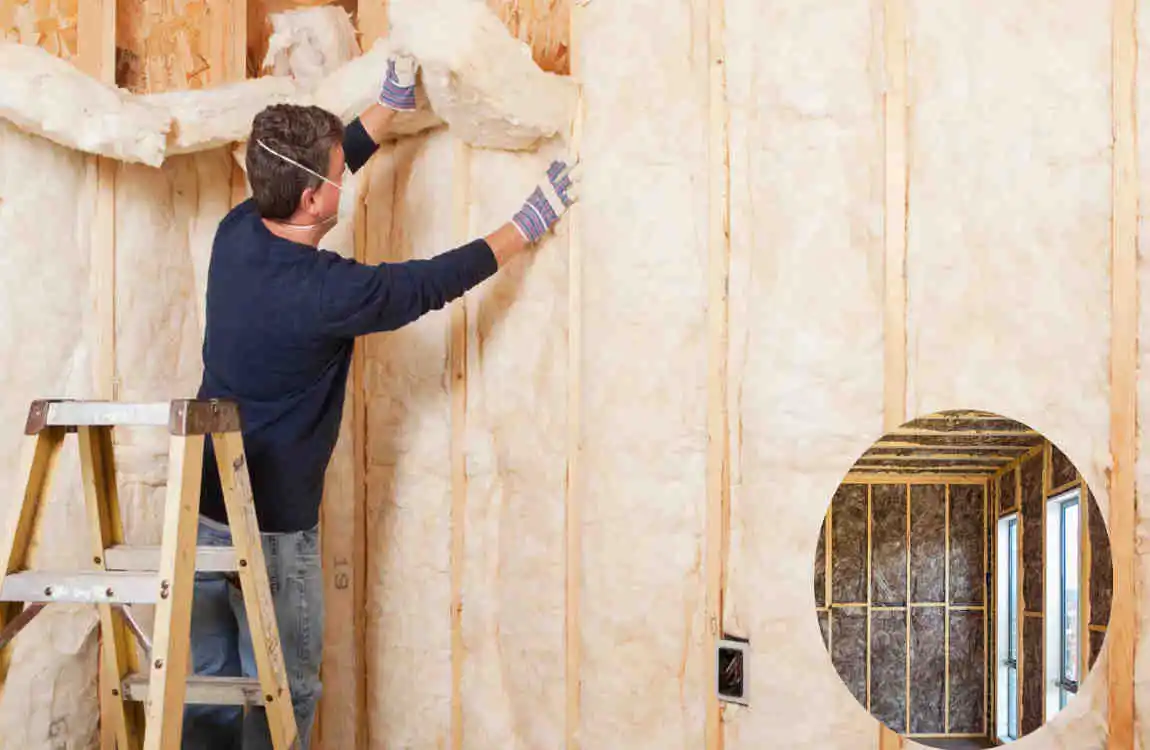
Choosing the right insulation can make a major difference in how comfortable and energy-efficient your home feels. Good exterior wall insulation helps slow heat transfer, reduce drafts, and keep indoor temperatures more stable throughout the year.
If you are asking what type of insulation for exterior walls is best, there is no single answer for every property. The right choice depends on your climate, wall construction, moisture conditions, desired R-value, budget, and installation method.
Popular options include fiberglass, mineral wool, spray foam, rigid foam, cellulose, and wood fiber insulation. Each material has different strengths.
What Type of Insulation Is Best for Exterior Walls?
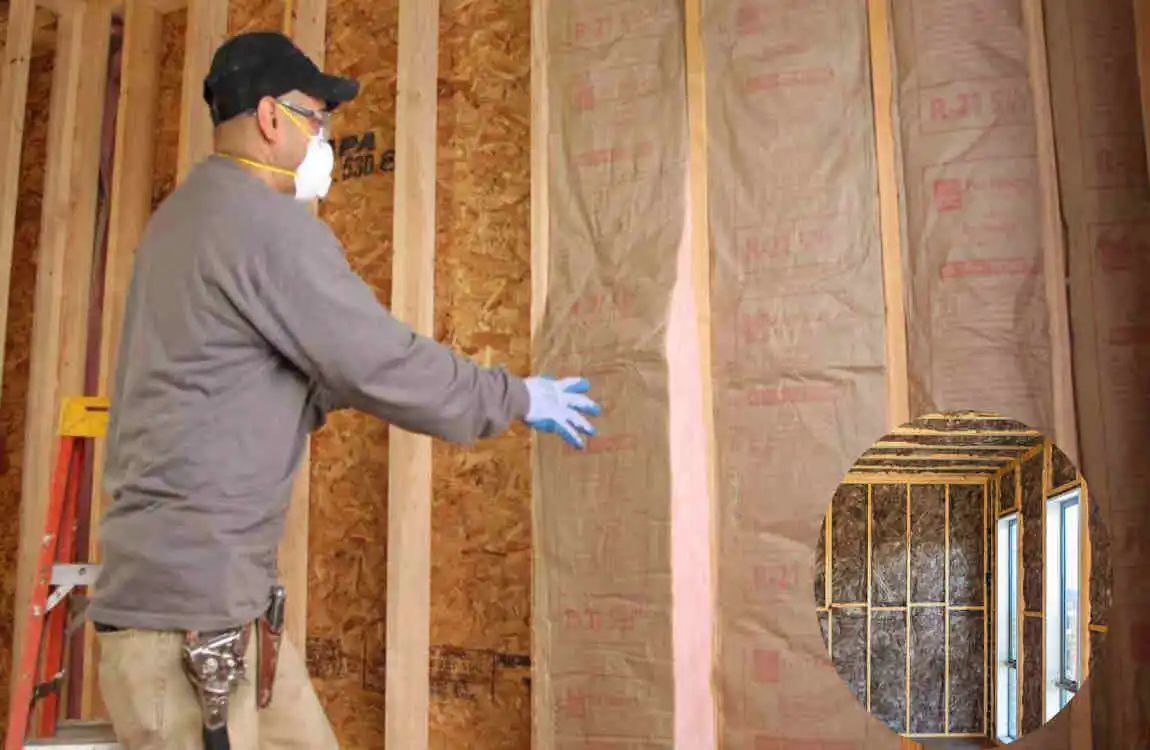
The best insulation depends on the complete wall system rather than the insulation material alone.
For example, rigid foam can be excellent when you want continuous insulation across the outside of a wall. Mineral wool may be attractive when fire resistance and sound control are important. Spray foam can provide excellent air sealing, while fiberglass remains a practical, budget-friendly option.
Types of Insulation for Exterior Walls
Fiberglass Insulation
Fiberglass is one of the most widely used insulation materials. It is made from very fine glass fibers and is commonly supplied in batts or rolls.
Its biggest advantage is affordability. Fiberglass can provide reliable thermal performance when installed correctly and fitted tightly within the wall cavity.
It is suitable for many standard wood-frame walls and renovation projects.
However, fiberglass does not automatically provide excellent air sealing. Small gaps around the insulation can reduce performance, so careful installation is important.
Mineral Wool Insulation
Mineral wool is made from mineral-based materials and is known for its fire-resistant properties.
It also offers good sound control and can handle moisture better than some insulation materials. These characteristics make it useful for exterior wall systems where fire safety, durability, and acoustic performance matter.
Mineral wool can cost more than basic fiberglass, but many homeowners consider its additional performance worth the investment.
Spray Foam Insulation
Spray foam expands after application and can fill small spaces around wall components.
There are two common forms: open-cell and closed-cell spray foam.
Open-cell foam is lighter and expands more, while closed-cell foam is denser and generally provides a higher R-value per inch. Closed-cell foam can also provide strong resistance to air and moisture movement when used appropriately.
The major advantage of spray foam is its air-sealing properties. It can reduce unwanted air movement through cracks and gaps.
The downside is cost. Installation also requires careful preparation and professional handling, particularly for larger exterior wall projects.
Rigid Foam Board Insulation
Rigid foam boards are commonly used as continuous exterior insulation.
Common types include expanded polystyrene (EPS), extruded polystyrene (XPS), and polyisocyanurate.
Unlike insulation installed only between wall studs, exterior rigid foam can create a more continuous thermal layer across the wall surface. This can help reduce thermal bridging through framing.
Rigid foam is especially useful during new construction or major exterior renovations, such as when siding is being replaced.
Cellulose Insulation
Cellulose is primarily made from recycled paper fibers and is often chosen by homeowners interested in materials with recycled content.
It can provide good thermal and sound-control performance when properly installed.
Cellulose is particularly useful for certain retrofit applications, but moisture management is important. Water leaks should always be corrected before insulation is installed.
Wood Fiber Insulation
Wood fiber is a natural insulation option that has become increasingly popular in sustainable construction.
It can provide thermal protection while also supporting moisture management within appropriately designed wall assemblies.
Wood fiber works particularly well for homeowners who want a more natural approach to construction. However, it may cost more than conventional insulation materials.
Benefits of Insulating Exterior Walls
Improved Energy Efficiency
Insulation slows the movement of heat through your walls.
During summer, it can help keep outdoor heat from entering the home. During winter, it helps retain indoor warmth.
This can make the entire building envelope perform more efficiently.
Lower Heating and Cooling Costs
When less heat enters or escapes through the walls, your heating and cooling equipment may not need to work as hard.
Actual energy savings vary based on climate, insulation levels, air leakage, windows, roof insulation, HVAC efficiency, and other factors in the home.
Better Indoor Comfort
Properly insulated walls can help maintain more consistent indoor temperatures.
Instead of rooms becoming noticeably warmer or colder near exterior walls, insulation helps create a more balanced indoor environment.
Improved Sound Control
Some insulation materials can reduce the amount of outside noise entering the home.
Mineral wool, fiberglass, and cellulose can provide useful acoustic benefits when properly installed.
Moisture and Condensation Management
The right insulation system can help control temperature differences inside the wall.
However, insulation should never be used to cover up water leaks. A wall assembly needs appropriate weather protection, drainage, air control, and moisture management.
Increased Home Value
Energy-efficient improvements can make a home more attractive to buyers.
Better insulation may improve comfort and operating efficiency while also contributing to the overall quality of the building envelope.
How to Choose the Best Exterior Wall Insulation
Consider Your Climate
Your local climate should influence your choice of insulation.
Cold climates generally require high thermal resistance, while hot climates may place greater emphasis on keeping outdoor heat out of conditioned spaces.
Humid climates require careful moisture management. In mixed climates, the wall assembly needs to handle seasonal changes.
Check the Required R-Value
R-value describes how well insulation resists heat flow.
A higher R-value generally means greater resistance to heat transfer, but simply choosing the highest possible number is not always the answer.
The appropriate level depends on your climate, wall construction, building requirements, and overall design.
Consider Your Existing Wall Structure
A wood-frame wall may be insulated differently from a masonry or concrete wall.
Older homes can present additional challenges because they may have irregular cavities, outdated materials, or hidden moisture problems.
New construction gives you more opportunities to design the entire wall assembly for energy efficiency.
Compare Installation Costs
Do not compare insulation products by material price alone.
Include labor, preparation, siding removal, wall repairs, air sealing, weather barriers, fasteners, and finishing work.
A slightly more expensive material may provide better long-term value if it performs better and is easier to integrate into the wall system.
Consider Moisture and Fire Resistance
Always consider how insulation interacts with the other parts of the wall.
Your wall needs to properly manage water, air, heat, and vapor. Fire resistance may also be important depending on the building design and local requirements.
Exterior Wall Insulation Installation Tips
Proper installation matters just as much as the material you choose.
Before installing insulation, inspect the wall and repair leaks, damaged sheathing, or moisture problems.
Make sure insulation fits properly without large gaps or unnecessary compression. If you use exterior continuous insulation, install it in accordance with the wall assembly design.
Pay particular attention to windows, doors, corners, roof connections, penetrations, and other areas where air or water can enter.
Weather-resistant barriers and flashing should also be installed correctly.
Follow manufacturer instructions and local building requirements. For complex assemblies or spray foam applications, professional installation can be a wise choice.
Common Mistakes to Avoid When Insulating Exterior Walls
Choosing Insulation Based Only on Price
The cheapest material is not always the cheapest solution in the long run.
Consider performance, durability, installation, maintenance, and the expected service life.
Ignoring Moisture Problems
Never install insulation over an active leak or water-damaged wall.
Fix the source of moisture first. Otherwise, insulation may hide the problem and allow damage to continue.
Leaving Gaps
Small gaps can reduce the effectiveness of insulation.
Careful fitting and continuous coverage are particularly important around corners, openings, and wall transitions.
Forgetting Air Sealing
Insulation and air sealing are not the same thing.
Insulation slows heat movement, while air sealing helps stop uncontrolled air movement through cracks and openings.
A high-performing wall usually needs both.
Ignoring the Entire Wall Assembly
Insulation should work together with sheathing, siding, membranes, flashing, framing, and other wall components.
Choosing an excellent insulation material does not guarantee excellent wall performance if the rest of the assembly is poorly designed.
Exterior Wall Insulation vs. Interior Wall Insulation
FeatureExterior InsulationInterior Insulation
Thermal performance Excellent potential Good
Thermal bridging Can reduce it May leave bridges
Installation More involved Usually easier
Interior space Minimal impact Can reduce room space
Best Use New construction/major renovations Interior retrofit projects
Exterior insulation can be particularly attractive when you are already replacing siding or renovating the outside of the building.
It allows you to add insulation without taking significant interior space from rooms.
Interior insulation can be more practical when exterior changes are not possible, but it requires careful planning around electrical systems, windows, finishes, and moisture control.
How Much Does Exterior Wall Insulation Cost?
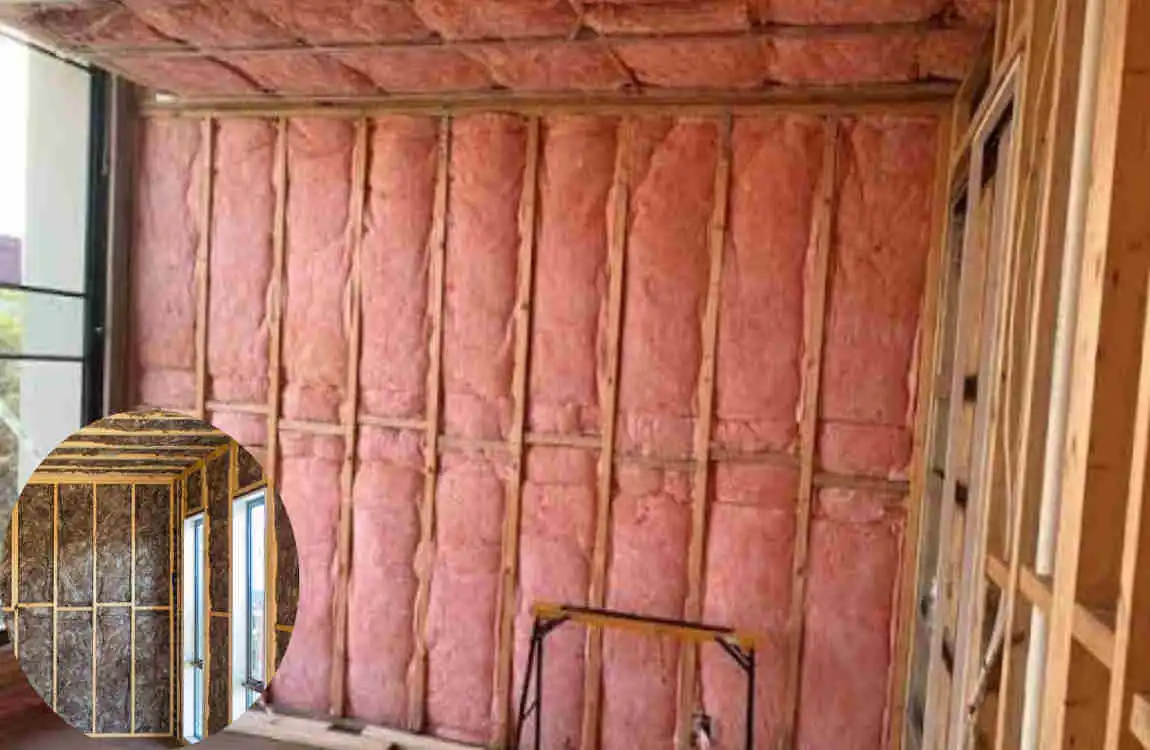
The cost of exterior wall insulation varies considerably.
Your total project price can depend on the insulation type, wall area, labor, existing siding, wall repairs, climate requirements, and installation complexity.
Spray foam and premium rigid insulation generally cost more than basic fiberglass. However, the final price depends heavily on the project.
If siding must be removed and replaced, that work can become a major part of the total expense.
For this reason, compare total installed cost, not simply the price per square foot of insulation.
Frequently Asked Questions About Exterior Wall Insulation
What type of insulation for exterior walls is best?
Rigid foam, mineral wool, spray foam, fiberglass, cellulose, and wood fiber can all be suitable. The best choice depends on the wall assembly, climate, desired R-value, budget, and moisture requirements.
What is the best insulation for exterior walls in cold climates?
High-performance insulation with an appropriate R-value is generally important in cold climates. Rigid foam, mineral wool, and spray foam can provide strong thermal performance when properly incorporated into the wall assembly.
Is rigid foam good for exterior walls?
Yes. Rigid foam is commonly used as continuous exterior insulation. It can reduce thermal bridging and provide an additional layer of thermal protection outside the wall structure.
Is spray foam worth it for exterior walls?
Spray foam can be worthwhile when excellent air sealing and high thermal performance are priorities. However, its higher material and installation costs mean you should compare the total project cost before deciding.
Is mineral wool better than fiberglass for exterior walls?
Neither is automatically better.
Mineral wool generally offers stronger fire resistance and good sound control, while fiberglass is often more affordable and widely available. Your wall design and priorities should determine the better option.
How thick should exterior wall insulation be?
There is no universal thickness. It depends on the insulation material, desired R-value, climate, wall construction, and local requirements.
Can you add insulation to existing exterior walls?
Yes, in many cases. Common approaches include adding insulation during siding replacement or using suitable retrofit methods.
The existing wall should be inspected first for leaks, damage, and moisture issues.
Does exterior wall insulation reduce energy bills?
It can reduce heating and cooling demand by slowing heat transfer. However, actual savings vary depending on the home’s existing insulation, air leakage, climate, windows, HVAC system, and other factors.
| Insulation Type | Key Benefits | Best For |
|---|---|---|
| Fiberglass | Affordable, lightweight, and easy to install | Budget-friendly wall insulation |
| Spray Foam | Excellent air sealing and high insulation value | Energy-efficient homes |
| Rigid Foam Board | Provides strong thermal resistance and moisture protection | Exterior wall applications |
| Mineral Wool | Fire-resistant, durable, and soundproof | Homes needing safety and noise control |
| Cellulose | Eco-friendly and made largely from recycled materials | Sustainable home projects |
| Best Overall Tip | Choose insulation based on climate, wall construction, moisture, and budget | Better comfort and energy savings |
