

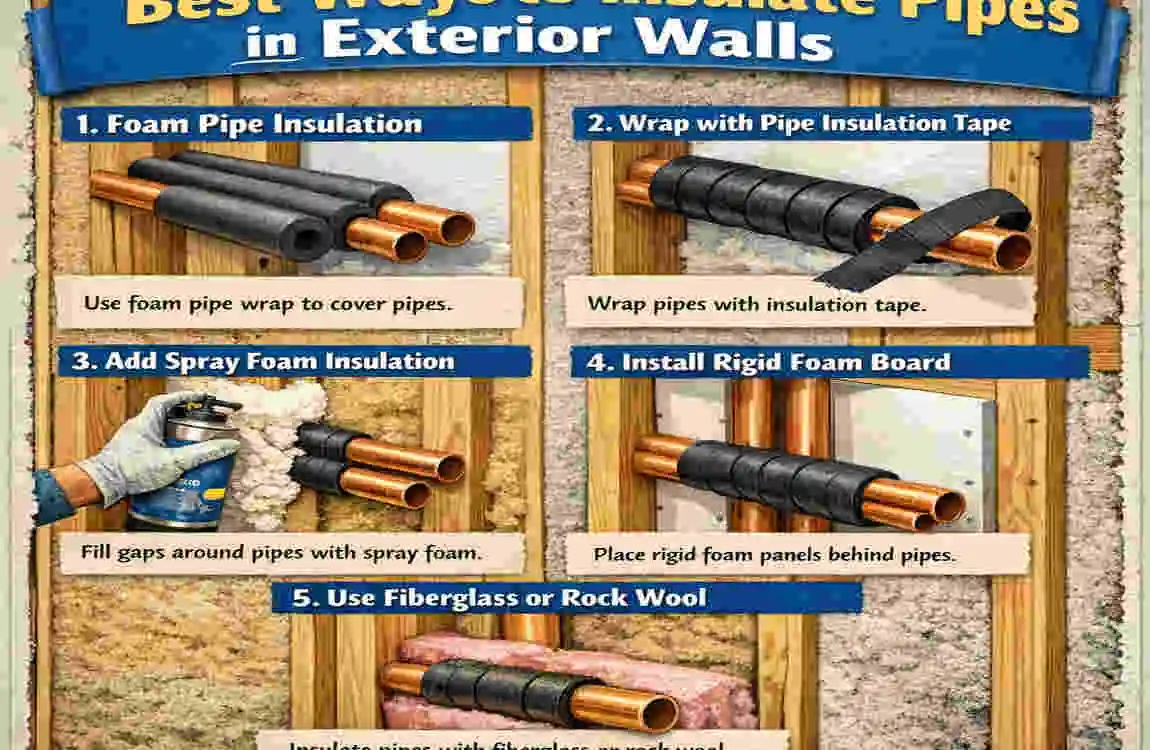
When pipes run through exterior walls, they face cold air, heat loss, and the risk of freezing. That is a problem because even a small freeze can lead to cracks, leaks, and expensive repairs. If you have ever asked how to insulate water pipes in exterior walls, the good news is the answer is usually simple: find the vulnerable pipes, choose the right insulation, and seal air leaks around them.
| Insulation Method | Best For | Key Benefit |
|---|---|---|
| Foam Pipe Sleeves | Cold and hot water pipes | Easy to install and affordable |
| Fiberglass Insulation | Pipes in wall cavities | Provides good thermal protection |
| Mineral Wool Insulation | Exterior wall cavities | Resists heat and fire |
| Spray Foam Insulation | Sealing gaps around pipes | Reduces drafts and air leaks |
| Pipe Heating Cable | Pipes at high risk of freezing | Provides extra freeze protection |
| Air Sealing | Gaps around pipe openings | Stops cold air from reaching pipes |
| Proper Pipe Placement | New construction or renovations | Keeps pipes away from cold exterior surfaces |
Pipe insulation does more than protect against freezing. It also helps your plumbing work more efficiently and can reduce wasted energy. In cold weather, that protection matters even more.
Why Is It Important to Insulate Water Pipes in Exterior Walls?
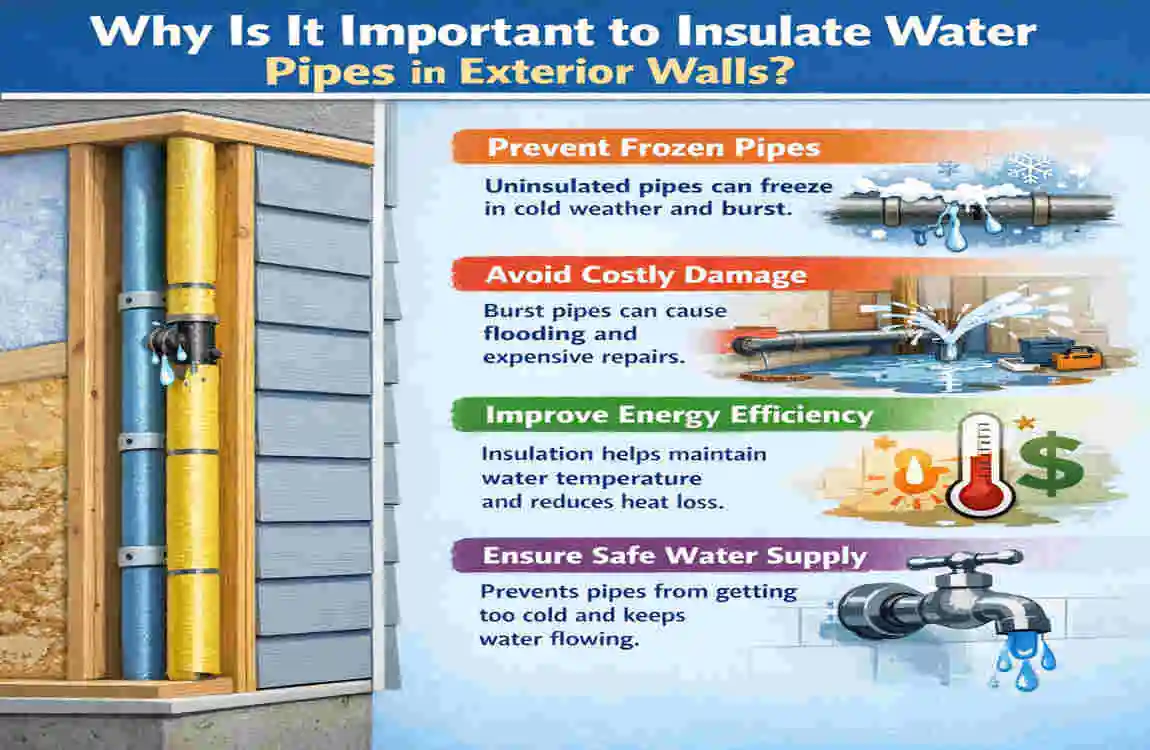
Cold air can cool pipes very fast
Exterior walls are much colder than interior walls. When outdoor temperatures drop, that cold moves through the wall and reaches the pipe. Water in the pipe can slow down, freeze, and expand. That expansion is what often causes the pipe to split.
Frozen pipes can lead to serious damage
A frozen pipe does not just stop water flow. It can crack, burst, and send water into the wall, floor, or ceiling once it thaws. That can cause staining, mould, and costly repairs. In many homes, water damage is worse than the freeze itself.
Insulation helps keep water and pipes warmer
Insulation acts like a barrier. It slows heat loss and protects pipes from outside cold. It will not make a pipe freeze-proof, but it does lower the risk. That is why exterior-facing walls need extra care.
Common signs of poor pipe insulation
Look for these warning signs:
- Cold spots on walls near plumbing
- Weak water flow in winter
- Pipes that sweat or feel very cold
- Drafts near outlets, trim, or pipe openings
- Unusually high heating costs in cold months
How Do You Insulate Water Pipes in Exterior Walls?
Find the pipe safely
Start by locating where the pipe runs. In some homes, you can see it in basements, crawl spaces, utility rooms, or under sinks. If the pipe is behind a wall, use a safe method such as looking for access panels or checking the wall layout before cutting anything.
Check the pipe condition first
Before adding insulation, inspect the pipe for leaks, rust, corrosion, and old wrapping. If there is already a leak, insulation can trap moisture and hide the problem. Fix any damage first so you do not trap water inside the wall.
Measure the pipe size
Insulation works best when it fits properly. Measure the pipe diameter before buying material. Most foam pipe sleeves come in standard sizes, so matching the size makes installation easier and tighter.
Install insulation around accessible pipes
If the pipe is exposed, fit the insulation snugly around it. Make sure joints are closed and there are no open gaps. On bends and joints, cut the material carefully so it stays in full contact with the pipe.
Seal openings without blocking needed airflow
Use caulk or foam sealant around wall openings where the pipe passes through. This helps keep cold drafts out. Just do not block anything that needs ventilation, especially in areas where moisture control matters.
Know when to call a professional
If the pipe is buried inside the wall, hard to reach, or already damaged, a plumber or contractor may need to open the wall. That is often the safest choice when you are dealing with hidden leaks or older plumbing.
Best Pipe Insulation Materials for Exterior Walls
Common insulation options
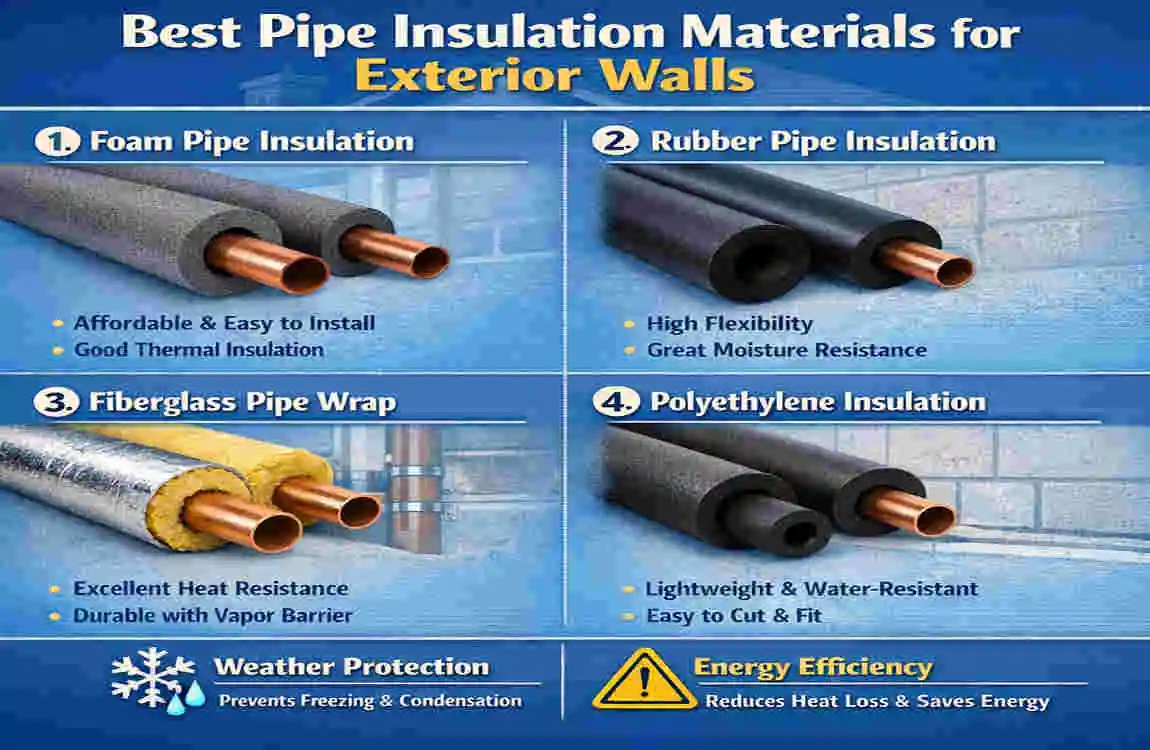
Material Best For Pros Cons
Foam pipe insulation Most standard water pipes Cheap, easy to install, widely available Less effective in extreme cold if gaps remain
Fiberglass insulation Wall cavities around pipes Good thermal protection Must stay dry
Rubber insulation Areas with temperature changes Flexible, durable, good seal Usually costs more
Spray foam insulation Sealing wall cavities Helps stop air leaks Should not go directly on pipes unless the product is made for that use
Foam pipe insulation
This is one of the easiest and most affordable choices. It comes in split sleeves that wrap around the pipe. It works well for many standard plumbing lines and is a good first option for homeowners.
Fiberglass insulation
Fibreglass can help in wall cavities, especially during renovations. It provides strong insulation, but it must stay dry. If moisture gets in, its performance drops fast.
Rubber insulation
Rubber insulation is flexible and fits tightly. It works well in areas with wide temperature swings or where you need a material that bends easily around fittings.
Spray foam insulation
Spray foam is useful for sealing gaps in wall cavities, but it should be used carefully. Some products are not safe to apply directly to pipes. Use it to block air leaks around the cavity, not as a casual all-purpose pipe wrap.
How to choose the right material
Your choice depends on climate, pipe type, and wall structure. In very cold areas, use a combination of pipe insulation and air sealing. For accessible pipes, foam sleeves are usually enough. For wall cavities during remodels, fiberglass or spray foam may help more.
Common Mistakes to Avoid When Insulating Exterior Wall Pipes
Do not skip the leak check
Insulating over a leak can hide the real problem. It can also trap moisture and create mold or rot inside the wall.
Do not leave gaps
Even small gaps reduce insulation value. Cold air can slip through openings, especially around bends, joints, and wall penetrations.
Do not ignore drafts
A pipe may be insulated, but if cold air still enters the wall cavity, the pipe can still freeze. Air sealing is just as important as insulation.
Do not compress the insulation
If you squeeze insulation too tightly, it loses effectiveness. Let it keep its shape so it can do its job properly.
Do not cover areas that need access
Keep shutoff valves, joints, and inspection points accessible. If a repair is needed later, you do not want to tear apart your insulation job.
Additional Ways to Protect Water Pipes From Freezing
Improve air sealing in the home
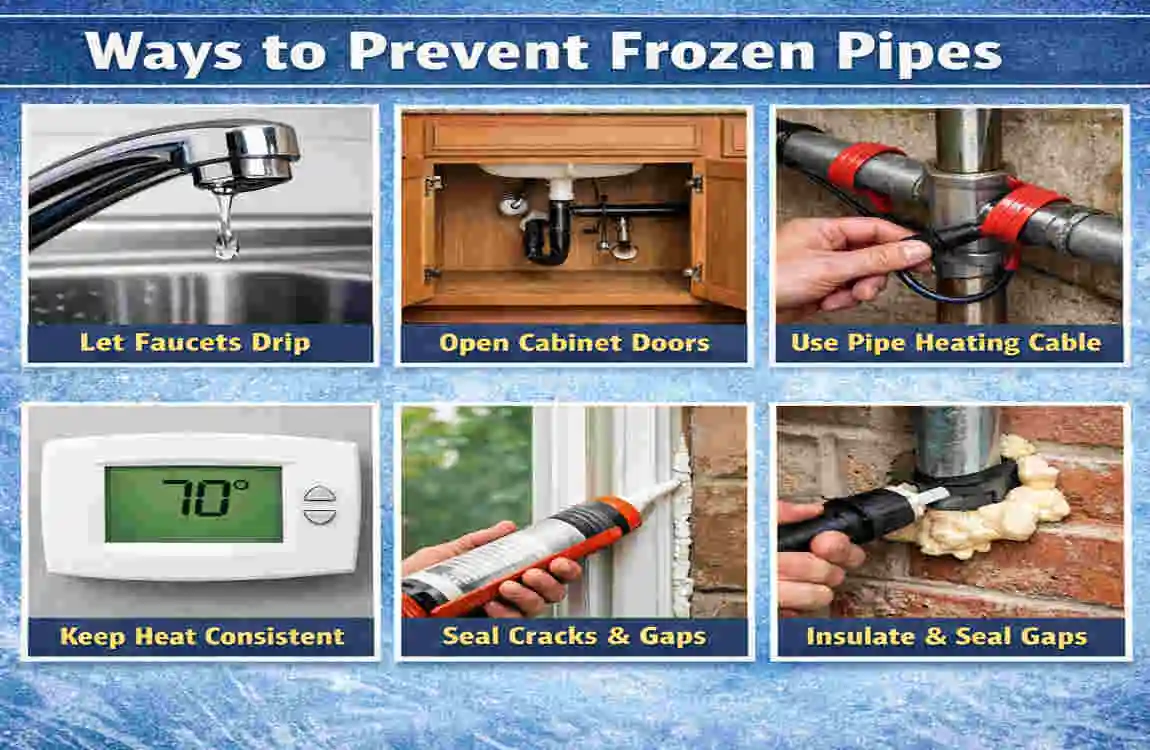
Seal cracks around windows, doors, vents, and pipe openings. A warmer wall cavity helps protect pipes better than insulation alone.
Keep indoor temperatures steady
Do not let the house get too cold during winter. Even at night or when you are away, maintaining a safe indoor temperature helps protect plumbing.
Protect pipes in unheated spaces
Basements, crawl spaces, garages, and utility rooms often need extra attention. Insulate and seal drafts in these areas first.
Use heating cables when needed
In some situations, heat tape or heating cables can help protect exposed pipes. They must be installed carefully and according to the product instructions. Use them only when the pipe setup calls for it.
Prepare before deep cold arrives
Before winter hits, disconnect outdoor hoses, close off exterior vents if needed, and check vulnerable pipes. If water flow slows down during a freeze, act quickly before the pipe bursts.
Frequently Asked Questions
How do you insulate water pipes in exterior walls?
Start by locating the pipe, checking it for leaks, choosing the right insulation, and sealing air gaps around it. If you can reach the pipe, foam sleeves are often the easiest solution.
What insulation works best for water pipes inside exterior walls?
For most homes, foam pipe insulation works well on accessible pipes. In wall cavities, fiberglass or spray foam may help during renovation, depending on the space and moisture conditions.
Can water pipes freeze inside insulated walls?
Yes, they can. Insulation lowers the risk, but it does not guarantee protection if the wall is very cold or if air leaks are present.
Should water pipes be on the warm side of wall insulation?
Yes, when possible. In cold climates, place pipes closer to the heated side of the wall so they stay warmer and safer.
Can you use spray foam around water pipes?
Yes, but only when the product is suitable for that use. It should seal the cavity without damaging the pipe or blocking access when needed.
Do you need to open a wall to insulate pipes?
Not always. If the pipe is accessible, you may not need to open the wall. But hidden pipes, damaged pipes, or poorly insulated wall cavities may require more work.
When should a plumber be called?
Call a plumber if you suspect a hidden leak, can’t safely reach the pipe, or think a pipe has already frozen or burst.
