


The short answer is no; you usually should not use exterior paint indoors. Exterior paint is designed to withstand weather, sunlight, and temperature changes. In contrast, interior paint is made for indoor air, easier cleaning, and everyday living spaces.
If you use the wrong type, you may run into strong odours, poor indoor air quality, finish problems, or long-term performance issues. That is why it is important to understand the real difference between interior and exterior paint before you start a project.
Exterior Paint vs Interior Paint: What Is the Difference?
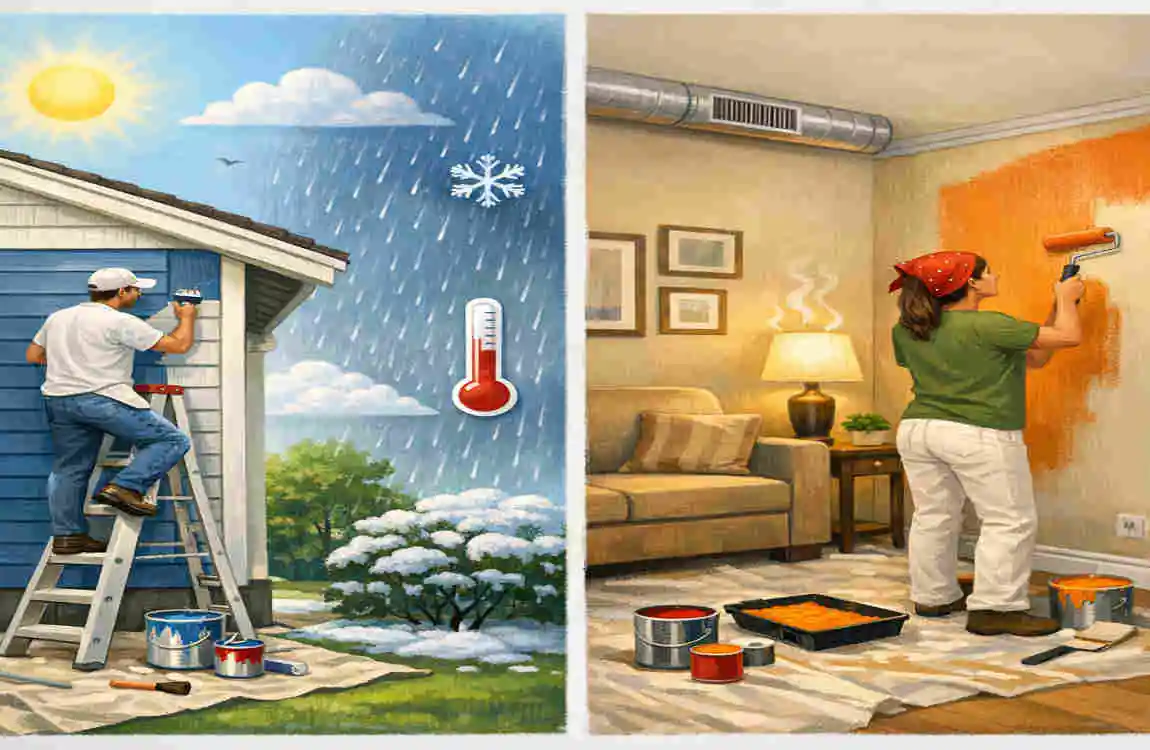
What Is Interior Paint?
Interior paint is made for inside walls and ceilings. It is designed to look good, clean easily, and work well in rooms where people live every day.
You will often find it in bedrooms, living rooms, kitchens, hallways, and bathrooms. Many interior paints have low odour and are easier to use in enclosed spaces.
What Is Exterior Paint?
Exterior paint is made for outdoor surfaces. It is built to handle rain, sun, wind, humidity, and temperature swings.
You will usually see it used on siding, trim, doors, fences, brick, stucco, and other outdoor areas. It is stronger in ways that matter outside, but that does not always make it better indoors.
Key Differences at a Glance
FeatureInterior PaintExterior Paint
Main use Indoor rooms Outdoor surfaces
Weather resistance Not needed much Very important
Odour Usually lower Often stronger
Flexibility Moderate Higher
Cleaning Easy to clean Built for weather, not indoor comfort
Safety indoors Better suited Not ideal for closed rooms
Can You Use Exterior Paint Interior?
Is Exterior Paint Safe for Indoor Walls?
Not usually. Exterior paint contains different ingredients because it has to survive outdoor conditions. That means it may give off stronger fumes and may not be the best choice for indoor air.
If a product label clearly says it can be used indoors, follow that guidance. In general, use interior paint on interior walls.
What Happens If You Use Exterior Paint Inside?
You may notice:
- Strong smell that lasts longer
- Slower or different drying behaviour
- A finish that feels wrong for indoor use
- Possible air-quality concerns in closed rooms
Some people think exterior paint is “better” because it is tougher. But outdoor toughness doesn’t always mean it is the right fit indoors.
Can Exterior Paint Be Used in Specific Indoor Areas?
Sometimes, yes. A garage, workshop, or utility room may be a better fit if the manufacturer allows it.
Still, you should check the label first. The product instructions matter more than guesswork.
Can You Use Interior Paint Outside?
Why Interior Paint Usually Fails Outdoors
Interior paint is not made for rain, sun, or big temperature changes. Outside, it may start to:
- Peel
- Crack
- Fade
- Wear out faster than expected
So even if it looks fine at first, it usually will not last outdoors.
Situations Where Interior Paint May Be Acceptable
Only use it outside if the product is specifically approved for that use. Even then, it is often limited to covered or temporary areas.
Always check the label. Manufacturer instructions should guide the choice.
Exterior vs Interior Paint: Ingredients, Durability, and Performance
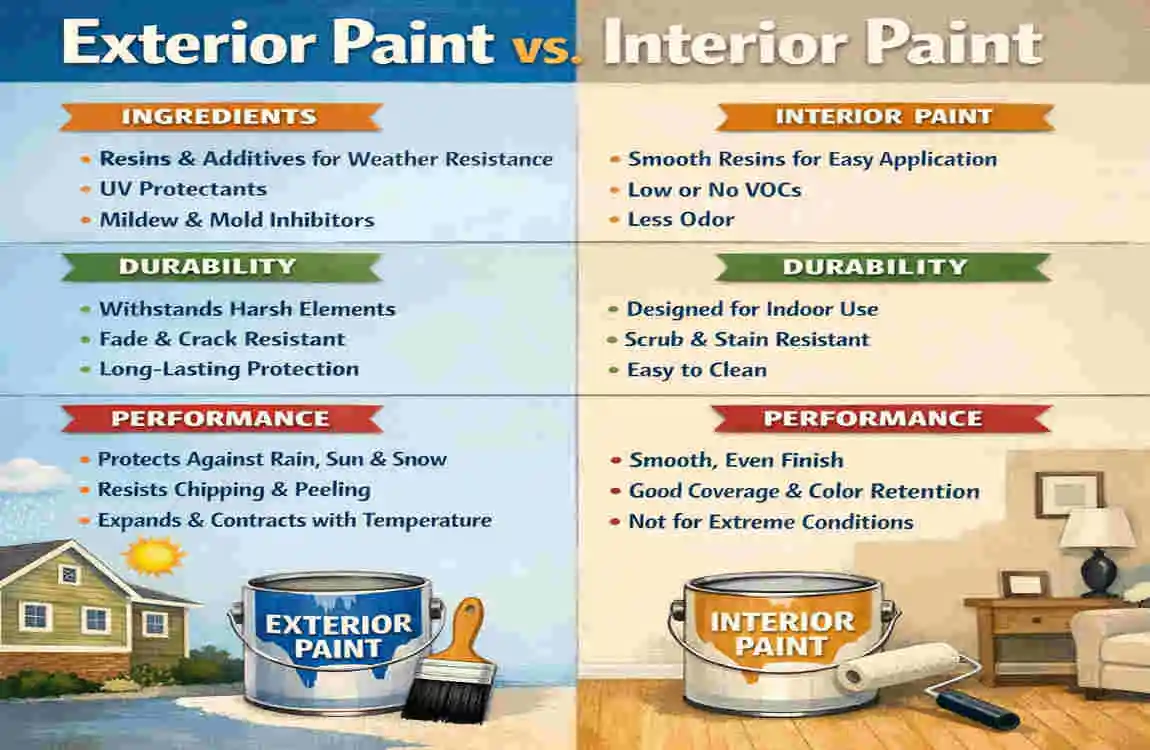
Paint Formulation Differences
Exterior paint often includes ingredients that help with flexibility, mildew resistance, and weather protection. Interior paint usually focuses on appearance, cleaning, and low odour.
That is why the two products perform differently.
Weather and UV Resistance
Sunlight can break down paint over time. Exterior paint is built to resist this better than interior paint.
Indoor walls don’t face the same challenges, so interior paint is made differently.
Odour, VOCs, and Indoor Air Quality
VOC stands for volatile organic compounds. In simple terms, these are chemicals that can release into the air as paint dries.
Exterior paint may have stronger fumes. Inside your home, that matters more because airflow is limited. Good ventilation helps, but the safer choice is still the right paint for the space.
Drying vs Curing
Paint may feel dry to the touch before it is fully cured. Drying means the surface is no longer wet. Curing means the paint has fully hardened and reached its final strength.
Temperature and humidity can affect both steps, especially if you use exterior products indoors.
How to Choose the Right Paint for Your Home
Choosing Paint for Interior Rooms
Use interior paint for:
- Living rooms
- Bedrooms
- Kitchens
- Bathrooms
- Hallways and busy areas
Each room may need a different finish. For example, bathrooms and kitchens often do better with a more washable surface.
Choosing Paint for Exterior Surfaces
Use exterior paint for:
- Siding
- Brick
- Wood trim
- Concrete
- Stucco and masonry
These surfaces deal with weather, so they need a tougher coating.
Consider Paint Finish and Sheen
The finish matters almost as much as the paint type.
- Flat: hides flaws well
- Eggshell: soft look, common in living spaces
- Satin: easy to clean, good for busy areas
- Semi-gloss: durable, good for trim and bathrooms
- Gloss: shiny, very wipeable, used on accents
Check the Paint Label Before Buying
Before you buy, look for:
- Interior or exterior use
- Recommended surfaces
- Application conditions
- Safety notes
- Drying and curing details
A few seconds on the label can save you a lot of trouble later.
Common Paint Mistakes and Best Practices
Mixing Interior and Exterior Paint
Mixing them is usually a bad idea unless the manufacturer says it is okay. The result can be uneven, unpredictable, or short-lived.
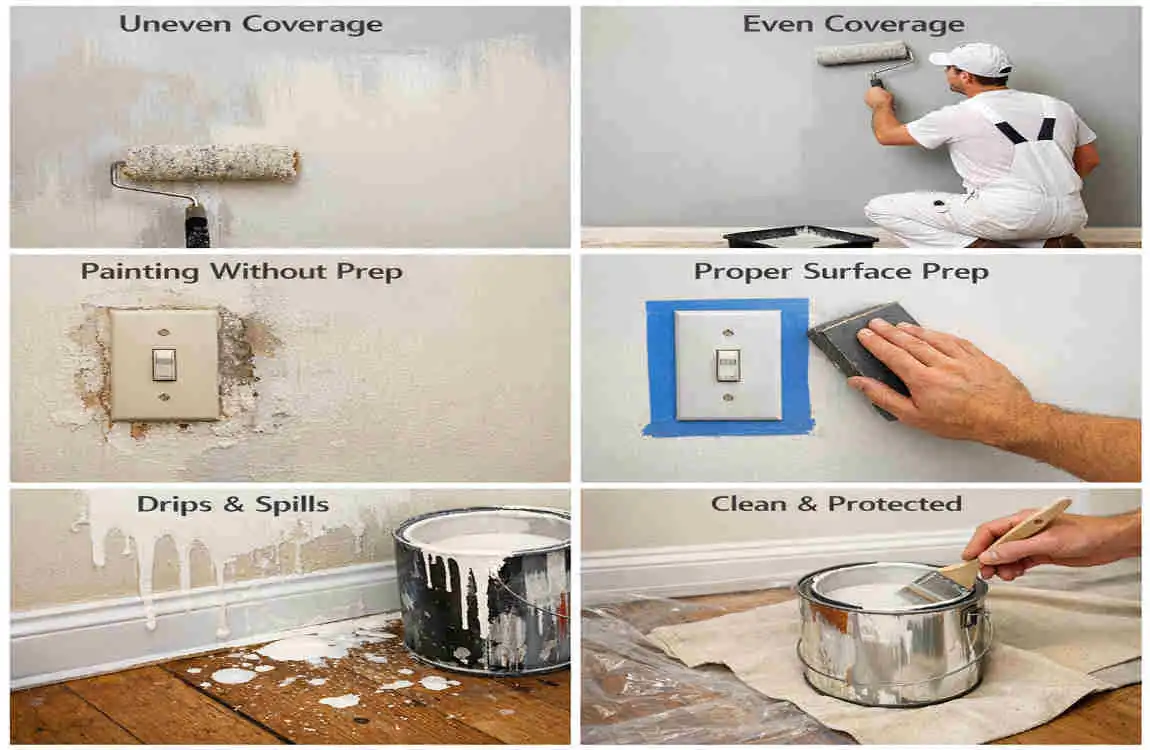
Painting Without Proper Surface Preparation
Good paint needs a clean surface. That means:
- Cleaning dirt and grease
- Repairing cracks
- Removing loose paint
- Using primer when needed
Applying Paint in the Wrong Conditions
Painting in bad conditions can ruin the finish. Avoid painting when the surface is wet, the room is too humid, or the temperature is outside the recommended range.
When to Use Primer
Primer helps paint stick better and look smoother. It is especially useful for:
- New drywall
- Bare wood
- Stained areas
- Surfaces with old adhesion problems
FAQ: Exterior vs Interior Paint
Can you use exterior paint interior?
Usually no. Exterior paint isn’t designed for most indoor spaces because of odour, air-quality, and performance differences.
What happens if I accidentally use exterior paint inside?
Open windows if you can, improve ventilation, and follow the product label. If the room smells strong or feels uncomfortable, limit use until it fully cures.
Is exterior paint stronger than interior paint?
It is stronger for outdoor conditions, but not necessarily better for indoor walls.
Can interior paint be used outside?
Usually not. It does not hold up well against weather, sunlight, or moisture.
Is exterior paint more expensive than interior paint?
Often yes, but price depends on brand, quality, and coverage.
| Feature | Exterior Paint | Interior Paint |
|---|---|---|
| Main Use | Outside walls, doors, trim | Interior walls, ceilings, rooms |
| Durability | Built for harsh weather | Built for everyday indoor use |
| Weather Resistance | Resists rain, sun, heat, and moisture | Limited weather resistance |
| Finish | Often satin, semi-gloss, or flat | Flat, eggshell, satin, or semi-gloss |
| Flexibility | More flexible to handle temperature changes | Less flexible |
| Mildew Resistance | Usually higher | Usually moderate |
