

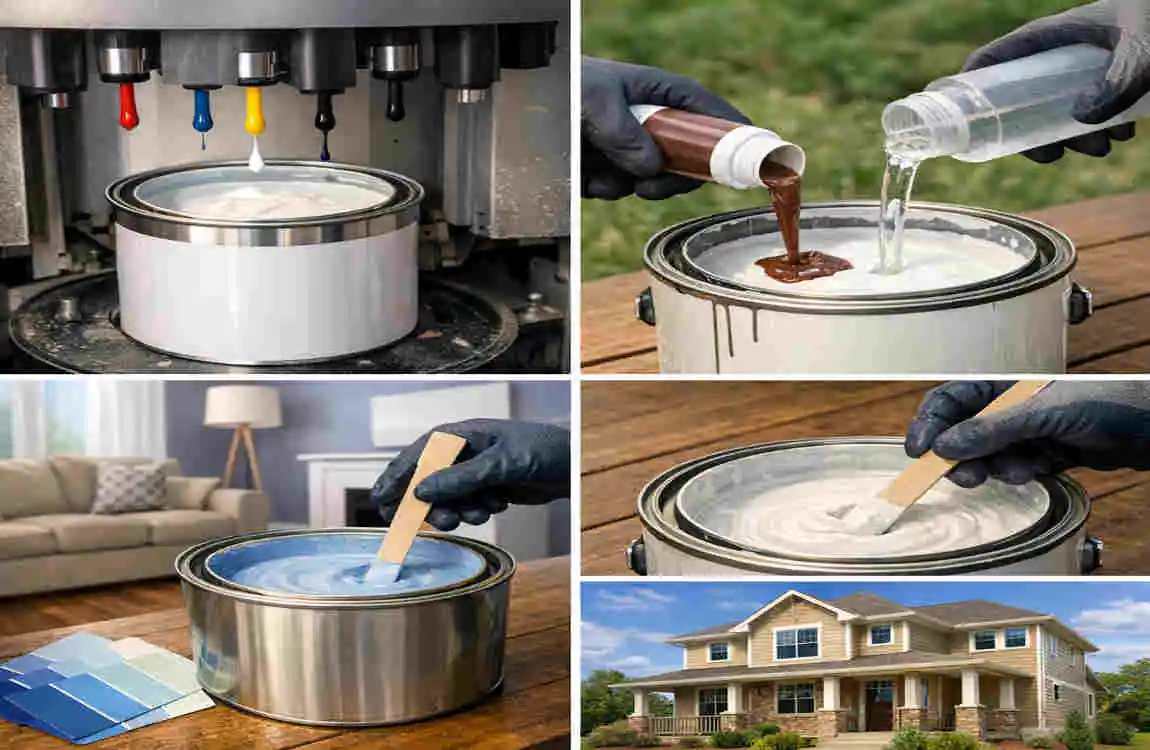
If you have leftover paint at home, you may wonder: can you mix interior paint with exterior paint? It sounds like a smart way to save money and avoid waste, but the answer is not as simple as it seems.
Interior and exterior paints are made for different jobs. One is designed for indoor walls and everyday cleaning. The other is built to handle sun, rain, heat, cold, and moisture. Because of that, mixing them can create paint that performs poorly in either setting.
Can You Mix Interior Paint With Exterior Paint?
They are made with different goals in mind, so combining them does not usually give you the best of both. Instead, it can lead to paint that dries unevenly, sticks poorly, or wears out faster than expected.
Why Are Interior and Exterior Paints Different?
Interior paint is made for indoor life. It needs to look good, clean easily, and handle normal wear from people, furniture, and household use.
Exterior paint is made for tougher conditions. It has to deal with sunlight, rain, humidity, temperature swings, and constant exposure to the weather. As a result, it often contains additives that enhance durability and flexibility.
What Happens When You Mix Them?
When you combine interior and exterior paint, a few problems can show up:
- Uneven texture
- Strange drying time
- Weak adhesion
- Unpredictable sheen
- Faster fading or peeling
- Color that looks different after drying
The final result depends on the exact products, but in most cases, mixing creates more risk than benefit.
Interior Paint vs. Exterior Paint
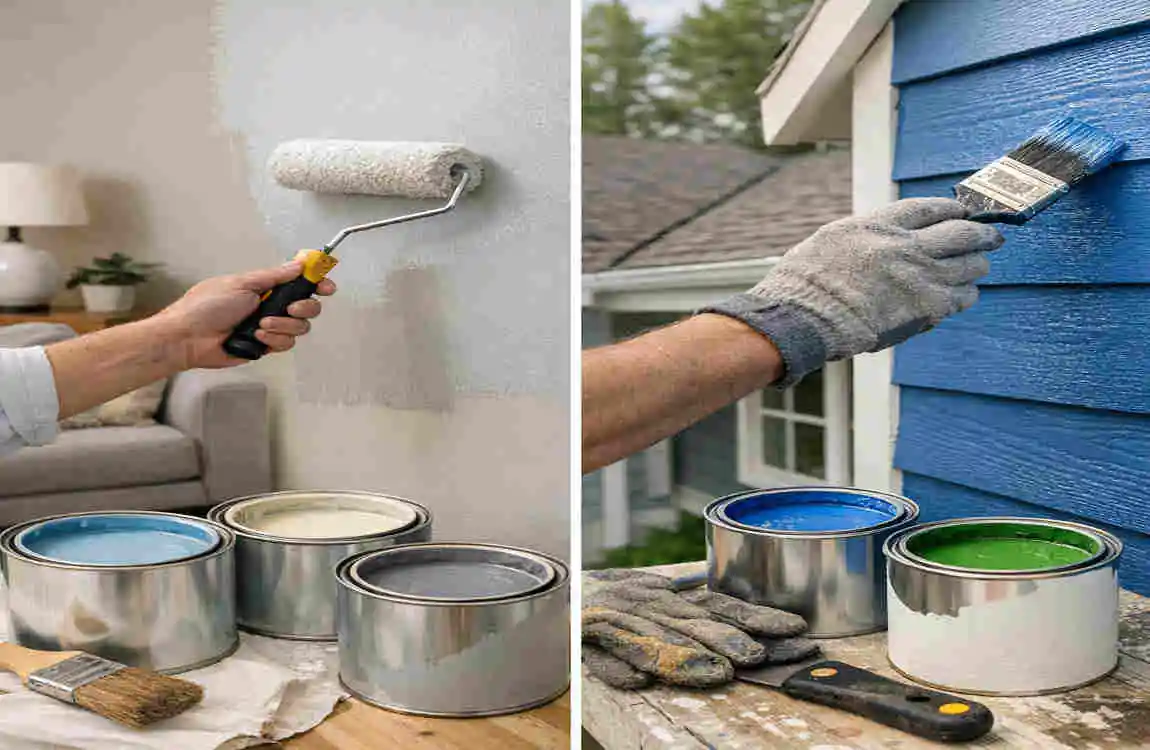
FeatureInterior PaintExterior Paint
Main Use Indoor walls and surfaces Outdoor walls and surfaces
Weather Resistance Limited High
UV Resistance Usually lower Usually higher
Cleaning Resistance Made for indoor cleaning Made for outdoor exposure
Temperature Changes Less demanding Built for changing weather
Typical Applications Bedrooms, living rooms, ceilings Siding, trim, exterior walls
Best Choice Interior surfaces Exterior surfaces
Interior Paint Characteristics
Interior paint is usually made to be smoother, have lower odor, and be easier to clean. It comes in different finishes, such as flat, eggshell, satin, and gloss.
It is designed for normal indoor use, not for harsh weather.
Exterior Paint Characteristics
Exterior paint is tougher. It is designed to resist sunlight, moisture, and temperature-induced expansion and contraction.
That added protection is one of the main reasons it should not be treated the same as interior paint.
What Factors Affect Paint Mixing Compatibility?
Paint Base
The base matters a lot. Paint may be:
- Water-based / latex
- Acrylic
- Oil-based
- Alkyd
Just because two paints look similar does not mean they will mix well. Different bases should not be assumed to be compatible.
Paint Finish
Mixing finishes can change the final look. For example, mixing flat and satin paint may create a sheen you did not expect.
Common finishes include:
- Flat
- Matte
- Eggshell
- Satin
- Semi-gloss
- Gloss
If the finishes do not match, the result may look uneven.
Manufacturer and Formula
Even paints that seem similar can react differently if they come from different brands or product lines. One brand may use a slightly different formula, which can affect blending, drying, and durability.
Paint Age and Condition
Old paint can also cause trouble. If it has thickened, separated, or been stored badly, it may not blend well even with a compatible product.
Is It Safe to Mix Interior and Exterior Paint?
Does Mixing Create a Health Hazard?
Mixing paint is usually more of a performance problem than a direct safety danger. Still, you should always follow the label instructions and use proper ventilation when painting indoors.
If a paint is oil-based or contains stronger fumes, safety becomes more important. In that case, careful handling matters even more.
Why You Should Avoid Unknown Mixtures
A homemade mix makes it hard to predict how the paint will behave. You may not know:
- How well it covers
- How fast it dries
- Whether it sticks properly
- How the color will look
- How long it will last
For a small test patch, this may not seem like a big deal. But for a full wall or exterior surface, it can become a costly mistake.
Can You Mix Interior and Exterior Paint for an Interior Project?
It may seem harmless if you are painting indoors, but it is still not the best idea.
When It Might Appear to Work
At first, the mixture may look fine. The color may seem normal, and the surface may dry without obvious problems.
That can make the mix feel successful, especially if you are only testing a small area.
Why It May Fail Later
Problems often show up after the paint has dried and aged. You might notice:
- Uneven sheen
- Poor touch-up results
- Faster wear
- Adhesion issues
- Patchy appearance
So even if the paint looks good at first, that does not mean the mixture is a good long-term choice.
Can You Mix Interior and Exterior Paint for Outdoor Use?
Why Interior Paint Should Not Be Used Outdoors
Interior paint is not built for weather. Outside, it may face:
- Sunlight
- Rain
- Snow
- Humidity
- Heat and cold changes
- Surface movement
These conditions can quickly break down interior formulas. That is why interior paint should not be trusted for outdoor projects.
Why Exterior Paint Is Better Outside
Exterior paint is made to handle harsh conditions. It has better protection against weather, moisture, and UV rays.
If your project is outdoors, the safer choice is always exterior paint made for that job.
Can You Mix Different Brands of Interior Paint?
Sometimes different brands may be compatible, but you should never assume that they are.
When Different Paints May Work Together
Paints are more likely to mix well when they have:
- The same base
- Similar formulas
- Similar finishes
- The same intended use
Even then, a test is still important.
A Simple Test Process
If you want to try a mix, follow these steps:
- Mix a small amount in a separate container.
- Stir it thoroughly.
- Look for lumps, separation, or odd texture.
- Apply it to a small test area.
- Let it dry completely.
- Check the color, sheen, and adhesion.
This small step can save you from bigger problems later.
Can You Mix Paint Colors Instead of Paint Types?
Yes, mixing colors is different from mixing interior and exterior formulas.
If the paints are compatible, color mixing can work well. But you still need to measure carefully and test the result first.
How to Mix Paint Colors Correctly
- Use compatible paints only
- Measure the amounts carefully
- Mix enough for the whole project
- Write down the Ratio for future touch-ups
- Test the color before painting the full surface
The more controlled the process, the better the result.
What Happens If You Accidentally Mix Interior and Exterior Paint?
If you already mixed them, do not rush to use the whole batch.
What to Do First
Check the mixture for:
- Separation
- Thick clumps
- Strange smell
- Uneven texture
If it looks wrong, stop and do not apply it right away.
Test Before Use
Put a small amount on a test surface and let it dry fully. That will show you whether the paint is usable.
When to Discard It
If the mix looks unstable or the manufacturer does not recommend it, it is better to throw it out than risk a bad paint job.
Better Alternatives to Mixing Interior and Exterior Paint
Buy the Right Paint Type
The easiest solution is also the best one: buy paint made for the job.
That gives you the right performance, better results, and fewer surprises.
Use Leftover Paint for the Correct Project
Save interior paint for indoor jobs and exterior paint for outdoor jobs. That way, you get the most value from what you already bought.
Check With the Manufacturer
If you are unsure, check the product instructions or technical details before mixing anything. That is especially helpful for larger or more expensive projects.
How to Choose the Right Paint for Your Home
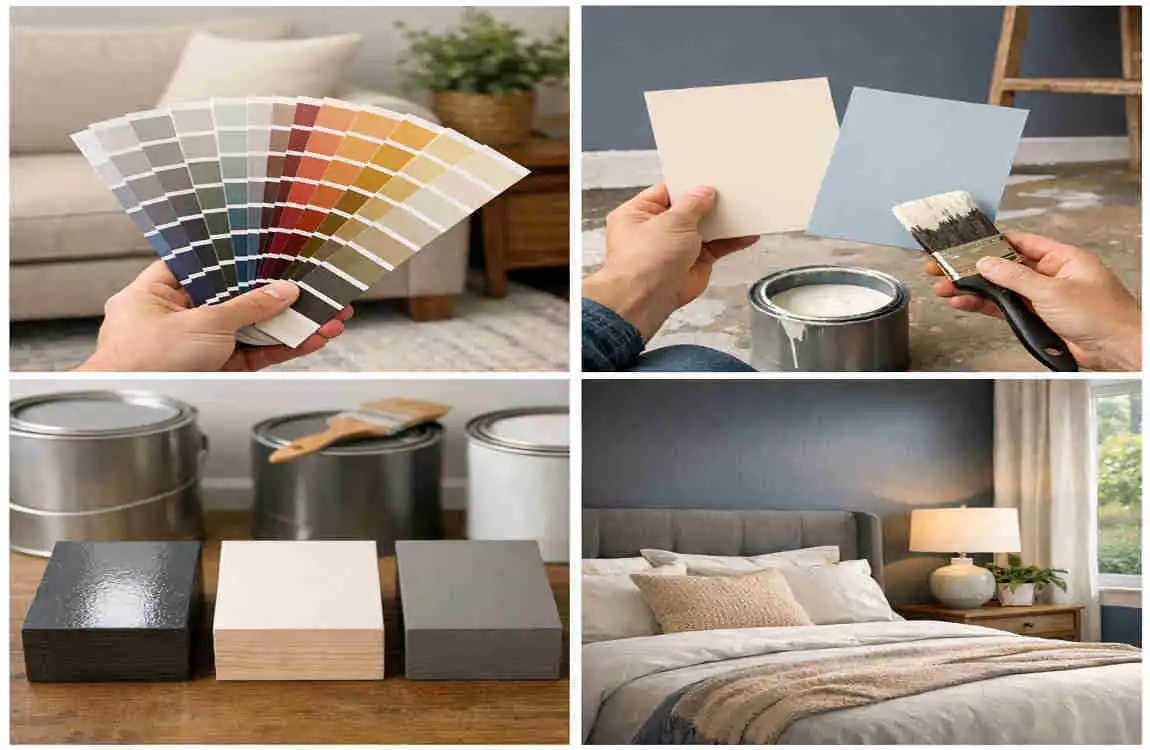
Consider the Surface
Different surfaces need different paint. Walls, ceilings, wood trim, masonry, and siding all have different needs.
Consider the Environment
Indoor and outdoor spaces face very different conditions. Always match the paint to the environment.
Check the Label
Before buying, look for:
- Interior or exterior use
- Recommended surfaces
- Drying time
- Coverage details
- Cleanup instructions
- Safety notes
A few minutes of checking can prevent a lot of trouble later.
Common Mistakes When Mixing Paint
- Mixing without checking labels
- Combining different bases
- Mixing too much before testing
- Assuming the same color means the same formula
- Using interior paint outdoors
- Ignoring finish differences
- Applying untested paint to a full surface
- Failing to stir properly
Frequently Asked Questions
Can you mix interior paint with exterior paint?
Usually, no. They are made for different conditions, so mixing them is not recommended.
What happens if you mix interior and exterior paint?
The mix may dry oddly, look uneven, or wear out faster than expected.
Can I use mixed interior and exterior paint on the exterior?
It is generally not a good idea, especially if the mix contains interior paint.
Can exterior paint be used inside?
Sometimes, but only if the product label says it is suitable. Do not assume it is safe for indoor use.
Can you mix two different brands of paint?
Sometimes, but only if the bases and finishes are compatible. A test is always smart.
Can you mix latex interior paint with acrylic exterior paint?
Do not assume they will work together just because both are water-based. Check the product details first.
| Paint Type | What It Means | Common Uses | Key Mixing Tip |
|---|---|---|---|
| Interior Paint | Paint formulated for indoor surfaces | Walls, ceilings, bedrooms, kitchens | Mix only with compatible interior paint products |
| Exterior Paint | Designed to withstand outdoor weather | Siding, doors, trim, fences | Choose weather-resistant formulas |
| Can You Mix Interior & Exterior Paint? | Generally not recommended | — | Different formulas are made for different conditions |
| Color Mixing | Combining compatible paints to create a new shade | Interior or exterior projects | Mix paints with the same base and finish |
| Finish Mixing | Combining flat, satin, eggshell, or gloss paints | Decorative projects | The final sheen may become unpredictable |
| Best Practice | Keep paint types and formulas consistent | All painting projects | Test a small batch before applying widely |
