

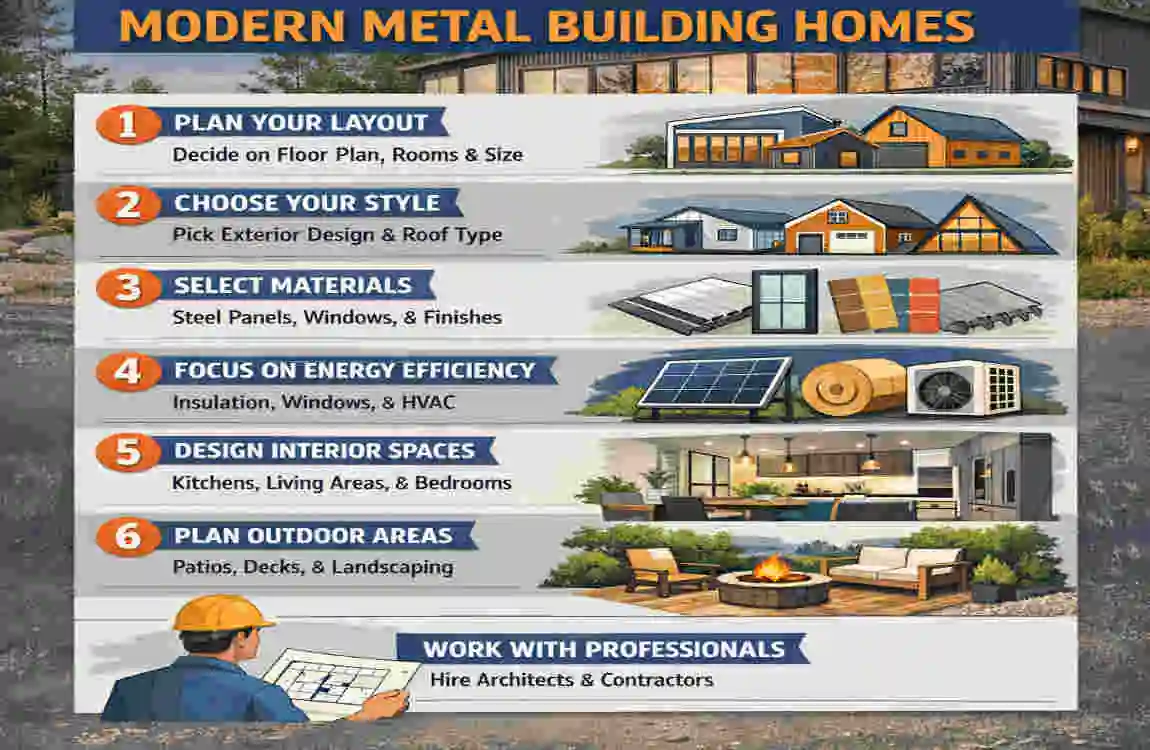
Modern metal building homes are no longer seen as unusual or purely industrial. Today, they are becoming one of the most attractive housing choices for people who want a home that feels strong, stylish, practical, and future-ready. Across cities, suburbs, and rural areas, more homeowners are looking at steel and metal construction because it offers a smart mix of beauty and performance.
This growing interest is easy to understand. People want homes that can withstand harsh weather, last for many years, and still look modern and elegant. They also want faster construction, lower maintenance, and better energy performance. Modern metal building homes meet all of these needs in a way that traditional building methods often cannot.
What Are Modern Metal Building Homes?
A simple definition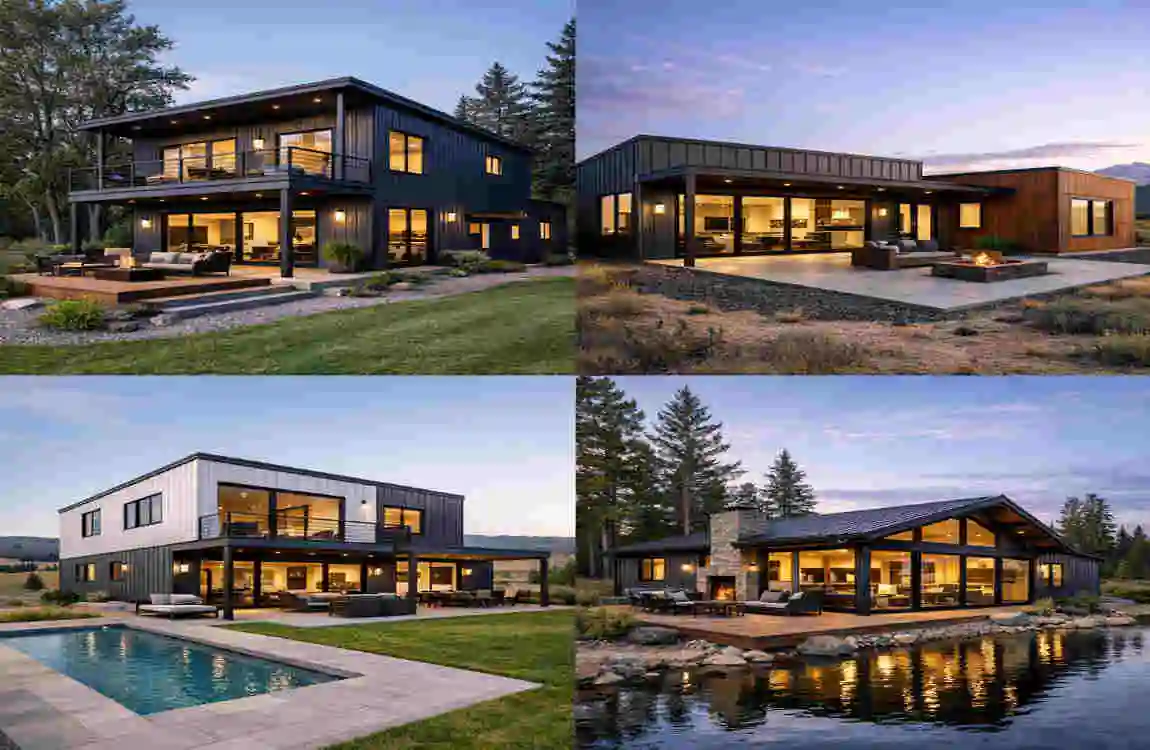
Modern metal building homes are residential buildings that use metal as a major structural component. In most cases, this means steel framing, metal roofing, and metal wall systems. Some homes are built entirely around a steel skeleton, while others use metal only in certain parts of the design.
Unlike standard homes built mostly with wood framing or brick walls, metal homes are designed with strength, speed, and flexibility in mind. They can be built as small cabins, family homes, large custom houses, or even luxury estates.
How they differ from traditional homes
Traditional homes often rely on wood framing, concrete blocks, or brick-and-mortar construction. These materials are common and familiar, but they do not always offer the same level of durability or speed as metal systems.
Metal homes use steel and other engineered materials, which gives them several practical advantages. Steel is strong, stable, and less likely to warp, rot, or attract pests. This makes modern metal building homes a strong choice for homeowners who want long-term performance with less maintenance.
Another difference is the construction process. Traditional homes often take longer because many parts are built on-site one step at a time. Metal homes can use pre-engineered systems that arrive ready for assembly. This saves time and often reduces labor costs.
Main types of metal homes
There are several types of modern metal-building homes, each with its own style and purpose.
Pre-engineered steel buildings
These are buildings designed in advance by engineers and manufactured to precise measurements. The parts are then shipped to the building site and assembled there. This method is efficient, reliable, and often cost-effective.
Modular metal homes
Modular homes are built in sections in a factory and then moved to the site for assembly. When metal is used in the frame or structure, the result is a modular metal home that combines speed with quality control.
Custom architectural steel homes
These homes are designed from scratch. They give homeowners the most freedom in terms of layout, shape, finishes, and overall appearance. If you want a one-of-a-kind house, this is often the best option.
Common materials used
Modern metal homes do not rely on metal alone. They often combine several materials to improve comfort, strength, and appearance.
- Steel frames for the core structure
- Insulated panels for walls and thermal protection
- Aluminum siding for a clean exterior look
- Metal roofing for durability and weather resistance
- Glass, wood, and concrete for balance and warmth
These materials work together to create a home that is both strong and attractive.
Benefits of Modern Metal Building Homes
Structural strength and durability
One of the biggest reasons people choose modern metal-building homes is their strength. Steel is naturally tough and stable. It can support heavy loads, resist movement, and remain reliable for many years.
This strength matters most when your home must handle demanding conditions. Whether you live in an area with high winds, heavy rain, snow, or seismic activity, a well-designed metal structure can provide peace of mind.
Resistance to weather, fire, and pests
Metal homes perform well in conditions that can damage other building types. Steel does not rot like wood. It does not attract termites, ants, or other pests. It also performs well in fire-resistant construction when paired with the right materials.
Weather resistance is another major plus. Strong steel frames can handle storms better than many traditional framing systems. Of course, the home’s overall safety still depends on good design and proper engineering. Still, the material itself is a significant advantage.
Cost-effectiveness
At first glance, people sometimes assume metal homes are expensive because steel sounds like a premium material. In reality, modern metal building homes can be very cost-effective.
Why? The answer is simple. Less labor time, faster assembly, reduced repair needs, and efficient material use can all lower total costs. Over time, maintenance costs are often lower too. That means the home may cost less not only during construction but also across many years of ownership.
Faster construction timelines
Time is construction money. One of the best things about metal building systems is that many parts are pre-made. This reduces delays and simplifies the building process.
Instead of building every wall and support beam from scratch, contractors can use prefabricated parts that fit together more efficiently. For homeowners, this means moving into a finished home sooner.
Energy efficiency and insulation technology
A metal home is only as efficient as its insulation system. The good news is that modern building methods now make it much easier to control heat and cold.
Insulated metal panels, spray foam insulation, thermal breaks, and high-performance windows can help maintain comfortable indoor temperatures. That means less stress on heating and cooling systems, which can lower monthly utility bills.
Eco-friendly and recyclable materials
Steel is one of the most recyclable building materials in the world. That makes it an appealing choice for people who want a more sustainable home.
Because metal homes can also be designed to use energy efficiently, they fit well with today’s green building goals. If sustainability matters to you, modern metal building homes offer a strong and responsible option.
Quick benefits summary
- Long-lasting structure
- Better resistance to pests and fire
- Faster build times
- Lower maintenance needs
- Strong energy-saving potential
- Recyclable and sustainable materials
Planning Your Modern Metal Building Home Design
Start with a realistic budget
Before you draw the first sketch, you need a clear budget. This is one of the most important parts of designing modern metal building homes.
Your budget should include more than just the structure itself. It should cover land costs, permits, site work, foundation work, utilities, insulation, interior finishes, and landscaping. Many homeowners make the mistake of focusing only on the frame and roof, only to be surprised by the rest.
A well-planned budget keeps your project on track and helps you make smart design choices from the beginning.
Choose the right land and site
Not all land is equally suitable for metal homes. The site affects foundation needs, drainage, access to utilities, and construction difficulty. A flat site is usually easier and cheaper to build on, but sloped land can still work well if the design is handled correctly.
You should also think about sunlight, wind direction, local climate, and drainage patterns. These factors influence comfort, energy use, and long-term performance.
Understand local building codes and permits
Every area has rules about what can be built and how it must be built. Before you move ahead, check your local building codes, zoning laws, and permit requirements.
This step is not glamorous, but it is essential. A qualified architect, engineer, or contractor can help ensure your design complies with local regulations. That saves time, reduces risk, and prevents expensive changes later.
Select the right architectural style
A metal home does not need to look like a warehouse. It can be sleek, warm, rustic, bold, or elegant. Your style choice should match your taste, your location, and the way you want to live.
Do you want a simple modern shape with clean lines? Or maybe a home that feels like a countryside retreat with metal framing and wood accents? The style you choose will guide everything from the roofline to the windows to the interior finishes.
Work with engineers and designers
Good design is both creative and technical. That is why it helps to work with experienced professionals who understand steel construction.
Engineers make sure the home is safe, stable, and code-compliant. Designers help create a layout that feels practical and beautiful. When these two work together, the result is a home that is not only attractive but also well built.
Architectural Design Ideas for Modern Metal Homes
Industrial minimalist style
This style is one of the most popular choices for modern metal building homes. It uses simple shapes, open spaces, exposed steel, and clean finishes.
The look is modern and honest. Instead of hiding the structure, it celebrates it. Large open rooms, black metal frames, concrete floors, and neutral colors can create a strong but calm atmosphere.
Contemporary luxury steel homes
If you want a home that feels high-end, metal construction can support that beautifully. Large windows, dramatic rooflines, custom cladding, and polished finishes can turn a steel structure into a luxury property.
You can use stone, glass, wood, and metal together to create contrast. This makes the home feel layered and rich rather than plain or industrial.
Farmhouse-style metal buildings
A farmhouse style is a great way to soften the look of metal. White walls, wood beams, pitched roofs, and cozy porches can create a warm and welcoming space.
This style is especially popular in rural settings. It blends the strength of steel with the charm of country living.
Open floor plan concepts
Open layouts work very well in modern metal-building homes because steel framing often allows wider spans and fewer interior support walls.
This gives you flexible living areas where the kitchen, dining room, and family room flow into each other. Open plans also make homes feel larger, brighter, and easier to use for daily life and entertaining.
Large glass windows and steel frame aesthetics
Large windows are one of the best design features in a metal home. They bring in natural light, create outdoor views, and highlight the clean lines of the structure.
When paired with exposed steel, glass creates a striking modern look. It can make the home feel airy, open, and connected to the landscape.
Indoor-outdoor living design trends
Many homeowners now want a stronger connection between indoor and outdoor spaces. Metal homes are a good fit for this because they can support wide openings, sliding glass doors, covered patios, and outdoor entertaining areas.
This design approach works especially well in warmer climates or scenic locations. It helps make the home feel bigger and more relaxing.
Popular metal home design directions
- Minimalist industrial
- Luxury modern
- Rustic farmhouse
- Open-plan family living
- Glass-heavy contemporary design
Structural Components and Materials
Steel framing systems
The frame is the backbone of the home. In modern metal-building homes, steel framing provides the structure with its shape and strength.
Steel framing systems are designed to support loads, resist bending, and remain stable over time. They can be customised to fit different home sizes and layouts, making them useful for both simple and complex designs.
Roofing options
Roofing is another major part of the design. Metal homes often use standing seam metal roofs because they are durable, weather-resistant, and visually clean.
Other options include insulated roof panels and hybrid systems that combine metal with additional insulation layers. The best choice depends on your climate, budget, and design goals.
Wall systems and insulation types
Walls do more than close in the space. They help control temperature, sound, and comfort.
Common wall systems include insulated metal panels, steel stud framing with insulation, and layered wall assemblies with moisture protection. The insulation type matters a lot. Spray foam, rigid foam boards, and fiberglass systems each have their own strengths.
Foundation types for metal homes
A strong foundation is essential. Common foundation types include slab-on-grade, crawl space, and full basement foundations.
The right choice depends on soil conditions, climate, local codes, and how you want to use the home. For example, a basement can provide additional storage or living space. At the same time, a slab foundation may be more affordable and simpler to build.
Corrosion protection and coatings
Metal needs protection from moisture and long-term wear. That is why coatings, finishes, and protective layers are important.
Proper corrosion protection helps steel last longer and stay looking good. This is especially important in humid areas, coastal regions, or places with heavy rain.
Material comparison table
ComponentCommon OptionMain Benefit
Frame Steel Strong, stable, long-lasting
Roof Standing seam metal Durable and weather-resistant
Wall system Insulated metal panels Better thermal performance
Exterior finish Aluminum siding Lightweight and low maintenance
Foundation Slab or crawl space Reliable base for the structure
Interior Design Tips for Modern Metal Building Homes
Balance the industrial look with warmth
One of the most important interior design goals in modern metal-building homes is balance. Metal and steel can look sleek and clean, but too much of them can feel cold if you do not soften the space.
You can create warmth with wood, fabric, plants, soft lighting, and natural textures. These details make the home feel lived in and comfortable.
Choose flooring that fits the style
Flooring has a big impact on how the whole home feels. Wood flooring adds warmth and contrast. Concrete floors support the industrial look and are easy to maintain. Tile works well in kitchens, bathrooms, and high-traffic areas.
Your flooring should match both the style and the function of the room. If you want a cozy family space, wood may be best. If you want a sleek modern look, polished concrete may be a better fit.
Use lighting to shape the atmosphere
Lighting matters even more in metal homes because steel surfaces can reflect light differently than wood or drywall. A good lighting plan helps prevent the space from feeling too harsh.
Use a mix of ceiling, wall, task, and accent lighting. Warm-toned bulbs can make the home feel softer and more inviting. Natural light should also be a major part of the plan.
Pick a color palette that softens metal
Color is one of the easiest ways to make a metal home feel welcoming. Neutral shades like white, beige, warm gray, and soft earth tones work very well.
You can also add deeper accents such as charcoal, navy, olive green, or muted brown. These colors create contrast without making the space feel too busy.
Choose furniture with clean lines
Furniture should match the architectural style of the home. In most modern metal building homes, clean-lined furniture works best.
Look for pieces that feel simple but comfortable. Leather, wood, linen, and mixed materials all work well. Try not to overcrowd the room. Let the architecture breathe.
Interior design tips at a glance
- Add wood and fabric to soften steel
- Use layered lighting for comfort
- Choose warm, neutral colors
- Keep furniture simple and functional
- Bring in natural textures and greenery
Energy Efficiency and Sustainability
Insulated metal panel systems
Energy efficiency starts with the building envelope. Insulated metal panels, or IMP systems, are among the most effective ways to improve performance in modern metal-clad homes.
These panels help reduce heat loss in winter and heat gain in summer. They can also improve indoor comfort and lower energy use. When installed correctly, they create a strong thermal barrier.
Solar panel integration
Metal roofs are often a good match for solar panels. Their strong surface and long lifespan make them a practical base for renewable energy systems.
If you are thinking long term, solar integration can be a smart move. It can reduce energy bills and make the home more sustainable.
Natural ventilation design
Good design is not only about machines and systems. It is also about how air naturally moves through the house.
Large operable windows, high ceilings, roof vents, and smart layout choices can improve ventilation. This helps reduce the need for mechanical cooling in mild weather and improves air quality.
Energy-saving window systems
Windows can either help or hurt energy efficiency. In metal homes, high-performance windows are especially important because large glass areas are often part of the design.
Look for double- or triple-pane windows, low-E coatings, and well-sealed frames. These features help keep heat where it belongs.
Why steel construction supports sustainability
Steel is recyclable, durable, and efficient when used in well-planned construction. Because metal homes often last a long time and require fewer major repairs, they can be a more sustainable choice over the building’s full life.
That long life is important. A home that lasts longer and performs better is often better for the environment than one that needs frequent replacement or major rebuilding.
Cost of Building Modern Metal Homes
Average cost per square foot
The cost of modern metal building homes can vary widely depending on where you build, how complex the design is, and what finishes you choose. In general, many metal homes can be competitive with, or even cheaper than, traditional homes, especially when labour savings are factored in.
A basic structure may cost less per square foot than a highly customized luxury build. The final number depends on the level of detail, the quality of materials, and the amount of site work required.
Factors that affect total cost
Several things influence the final price of your home.
- Size of the home: Larger homes need more materials and labor.
- Design complexity: Unique shapes, tall ceilings, and custom layouts raise costs.
- Material quality: Better steel, insulation, windows, and finishes cost more.
- Labour costs: Local labour rates can significantly affect the budget.
- Site conditions: Poor soil, slopes, or difficult access can increase preparation costs.
Comparison with traditional homes
Here is a simple comparison to help you understand where metal homes often save money.
Cost FactorModern Metal Building HomesTraditional Homes
Construction speed Faster Slower
Labor needs Often lower Often higher
Pest resistance High Depends on materials
Maintenance Usually lower Often higher
Custom flexibility High High, but can be slower
This does not mean metal homes are always cheaper. But they often give you better value over time.
Ways to reduce construction cost
If you want to keep your project affordable, there are smart ways to save without lowering quality.
- Use a simpler floor plan
- Choose efficient prefab components
- Avoid unnecessary custom features
- Plan insulation early
- Work with experienced professionals
- Select durable but moderate-cost finishes
Careful planning often saves more money than aggressive cutting. The goal is not to build the cheapest home possible. The goal is to build a strong, comfortable home that fits your budget.
Common Mistakes to Avoid
Poor insulation planning
This is one of the biggest mistakes in metal home construction. Steel conducts heat and cold more easily than wood, so insulation is essential.
If you skip proper insulation or use the wrong system, the home may become uncomfortable and expensive to heat or cool.
Ignoring climate conditions
A design that works well in a dry region may fail in a humid or snowy one. Climate should always shape the structure, insulation, roof choice, and ventilation plan.
Weak foundation design
A strong frame still needs a strong base. If the foundation is poorly designed, the whole house can suffer from settlement or structural problems.
Underestimating ventilation needs
Good airflow matters, especially in tightly built homes. Without enough ventilation, indoor air can feel stale and moisture problems can develop.
Choosing low-quality steel
Not all steel products are equal. Low-quality materials may save money at first but lead to bigger problems later. Always choose materials that meet proper standards.
Future Trends in Modern Metal Building Homes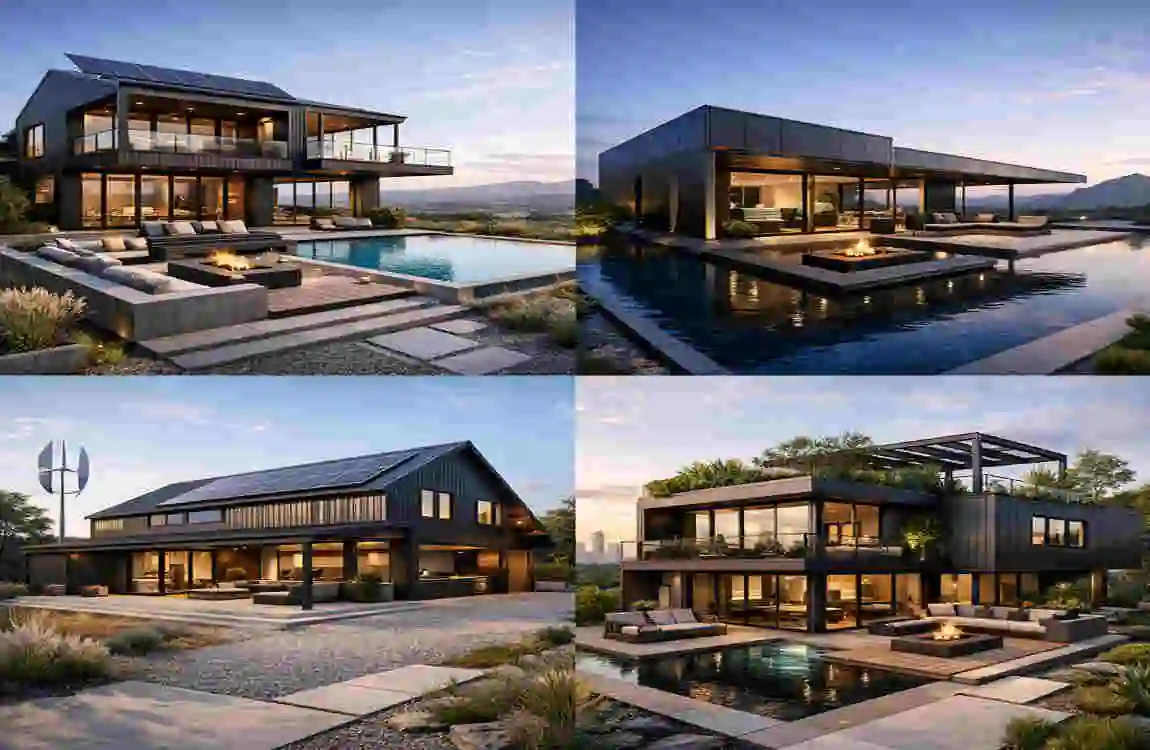
Smart home integration
The future of modern metal building homes is closely tied to smart technology. Homeowners now want lighting, climate, security, and appliances that work together seamlessly.
Smart systems make homes more convenient and more energy efficient. They also support better daily control.
Prefabricated modular steel homes
Prefab and modular construction are expected to grow even more. These systems reduce waste, shorten build time, and improve consistency.
As more people look for faster housing solutions, modular steel homes will likely become more common.
Sustainable green building innovations
Green building methods continue to improve. New insulation products, better coatings, recycled materials, and energy systems are making metal homes even more efficient.
This is good news for homeowners who want long-term savings and lower environmental impact.
FAQs
Are modern metal building homes cheaper than traditional houses?
Yes, in many cases, they are more cost-effective because they often require less labour and use more efficient building materials. The final cost still depends on the design, location, and finishes.
How long do metal building homes last?
With proper maintenance, metal homes can last 50 to 100 years or more. Good materials and regular care help extend their lifespan.
Are metal homes safe in extreme weather?
Yes, steel structures are highly resistant to wind, fire, and earthquakes when they are properly engineered and built to code.
Do metal homes get too hot or cold?
No, not when they are designed correctly. Modern insulation systems and energy-efficient windows help regulate indoor temperature very effectively.
Can I customise a metal-building home design?
Absolutely. Metal homes are highly customizable in layout, style, exterior finishes, and interior design. That is one of their biggest strengths.
| Step | Key Focus | Description |
|---|---|---|
| 1. Planning & Layout | Space requirements | Decide number of rooms, floor plan style, and future expansion needs. |
| 2. Choose Metal Structure | Steel framing | Select durable steel framing for strength, safety, and long lifespan. |
| 3. Architectural Style | Modern design | Use clean lines, open spaces, and large windows for a modern look. |
| 4. Insulation System | Energy efficiency | Install proper insulation to control heat, cold, and noise. |
| 5. Exterior Finishes | Aesthetic appeal | Combine metal with wood, glass, or stone for a stylish finish. |
| 6. Roofing Design | Weather protection | Choose sloped or flat roofing depending on climate and drainage needs. |
| 7. Interior Design | Comfort & function | Use open-concept interiors, modern kitchens, and minimalist design. |
| 8. Windows & Lighting | Natural light | Install large energy-efficient windows for brightness and ventilation. |
| 9. Utilities Setup | Plumbing & electrical | Plan wiring, plumbing, and HVAC systems early in design stage. |
| 10. Sustainability | Eco-friendly home | Add solar panels, rainwater harvesting, and energy-saving systems. |
