

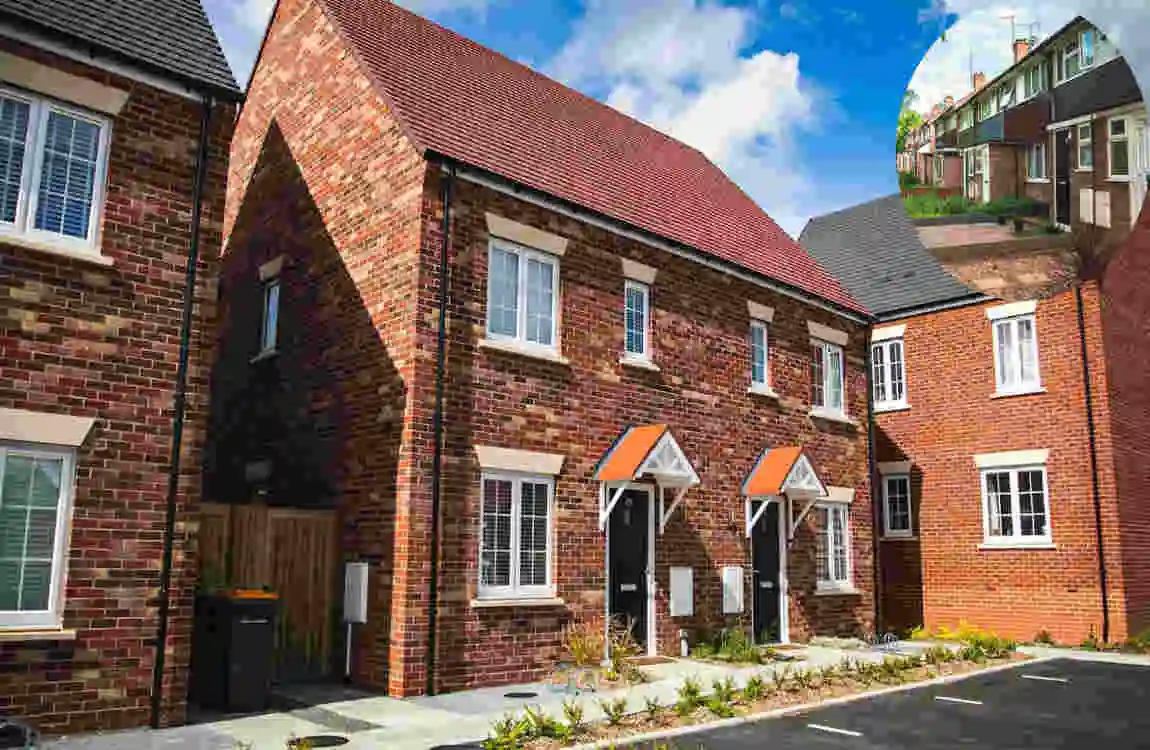
Many families in the UK live in council housing, which provides affordable homes for people who need financial support. Over time, however, life changes. A small flat that once suited a couple may become too tight after children arrive, or a home may no longer meet medical or mobility needs.
This is where the challenge begins: overcrowding.
If you are struggling with limited space, you are probably already searching for answers on how to get a bigger council house. The process can feel slow and confusing, especially when waiting lists are long and rules are strict. But the system is structured, and once you understand how it works, you can improve your chances significantly.
Common reasons people need larger council homes include growing families, health conditions, disability requirements, and even safeguarding situations. Each of these factors can influence your priority level in the council housing system.
What Is a Council House and How Does It Work?
Council housing is part of the public housing system in the UK, designed to provide affordable homes for individuals and families on low income or with housing needs.
Understanding Council Housing
A council house is a property owned and managed by your local council. Instead of buying or renting privately at market rates, tenants pay reduced rent, making it more affordable for long-term living.
Eligibility depends on factors such as:
- Income level
- Housing need
- Immigration/residency status
- Local connection to the area
Local councils are responsible for managing applications, allocating homes, and maintaining waiting lists.
Allocation System Overview
The council housing system is not first-come, first-served. Instead, it works through a banding system.
Applicants are placed into priority bands based on urgency:
- Medical needs
- Overcrowding
- Homelessness risk
- Living conditions
Those in higher priority bands are offered homes sooner.
Why Size Matters in Council Housing
Each council property has a set number of bedrooms, and households must match specific size guidelines. If your family grows or your situation changes, your current home may no longer qualify as suitable.
This mismatch is what leads many tenants to seek how to get a bigger council house through transfers or reapplications.
Reasons You May Need a Bigger Council House
There are many valid reasons councils accept for larger housing needs.
Overcrowding Situation
Overcrowding occurs when too many people live in a home relative to its size. For example:
- Children sharing a room beyond the allowed age limits
- No separate sleeping space for adults
- Lack of privacy and space
Overcrowding can impact mental health, sleep quality, and daily life.
Family Growth
Families naturally expand over time. A new baby, blended families, or relatives moving in can quickly increase space requirements.
Medical or Disability Needs
Some residents require:
- Extra space for mobility aids
- A separate room for carers
- Ground-floor access
- Adapted bathrooms or bedrooms
Medical evidence can significantly strengthen your case.
Safeguarding or Special Circumstances
In some cases, families need larger homes due to:
- Domestic safety concerns
- Foster care arrangements
- Child protection needs
These situations are usually treated as high priority.
Council Housing Overcrowding Rules Explained
Understanding overcrowding rules is key if you want to know how to get a bigger council house.
Bedroom Standard Rules
Councils usually follow general guidelines:
- One bedroom for each couple
- One bedroom for every single adult (over 16 in many cases)
- Children under 10 may share regardless of gender
- Children over 10 may require separate rooms depending on council rules
Statutory Overcrowding Definition
A home is legally overcrowded when:
- The number of people exceeds the permitted room space
- Rooms are shared beyond legal limits
- Living conditions affect health or safety
What Counts as Under-Occupation
This is the opposite situation, where a home is too large for the household. Councils may encourage downsizing in such cases.
Impact on Your Application
If your home is officially classified as overcrowded, your priority band may increase, improving your chances of transfer.
How to Get a Bigger Council House (Step-by-Step Guide)
This is the most important section for anyone searching for practical solutions.
Check Your Current Housing Band
Start by checking your current banding level:
- Band A: Emergency
- Band B: High priority
- Band C: Medium need
- Band D: Low priority
If you are overcrowded, you may qualify for a higher band.
Report Overcrowding to Your Council
You must officially report your situation. Councils require evidence such as:
- Household details
- Number of occupants
- Current bedroom layout
- Supporting letters or forms
Without reporting, your priority will not change.
Apply for a Housing Transfer
If you are already a council tenant, you can request a transfer instead of a new application.
Transfer applications are often faster than starting from scratch.
Provide Supporting Evidence
Strong applications include:
- Birth certificates
- Medical reports
- Proof of residency for all household members
- School records (if relevant)
The stronger your documentation, the better your case.
Join Housing or Transfer List
Once approved, you are placed on a waiting list.
Waiting times vary depending on:
- Local demand
- Property availability
- Your priority band
Bid on Properties (Choice-Based Letting)
Many councils use a bidding system where you:
- Log into housing portals
- Select available homes
- Bid on suitable properties
The highest priority bidders usually win.
Consider Emergency or Priority Housing
If your situation is difficult, you may qualify for:
- Emergency accommodation
- Temporary housing
- Fast-track transfers
Council Housing Banding System Explained
Understanding banding is essential for success.
Band A – Emergency Need
- Severe overcrowding
- Medical emergency
- Immediate risk to safety
Band B – High Priority
- Significant overcrowding
- Health issues requiring space
- Urgent housing need
Band C – Medium Need
- Moderate overcrowding
- Non-urgent medical needs
Band D – Low Priority
- Stable housing situation
- No urgent issues
How Banding Affects Your Chances
Higher bands get priority access to available homes, making this one of the most important factors in securing a bigger council house.
How to Increase Your Chances of Getting a Bigger Council House
Even if waiting lists are long, you can improve your position.
Improve Your Application Strength
Make sure your application includes:
- Full household details
- Accurate information
- All supporting documents
Report Changes Immediately
Always update your council if:
- A baby is born
- Someone moves in or out
- Medical conditions change
Expand Your Search Area
You can apply in:
- Nearby councils
- Different boroughs
- Surrounding towns
Be Flexible with Property Type
Consider:
- Flats
- Maisonettes
- Terraced houses
Flexibility increases your chances.
Keep the application updated.
Regular updates show urgency and prevent delays.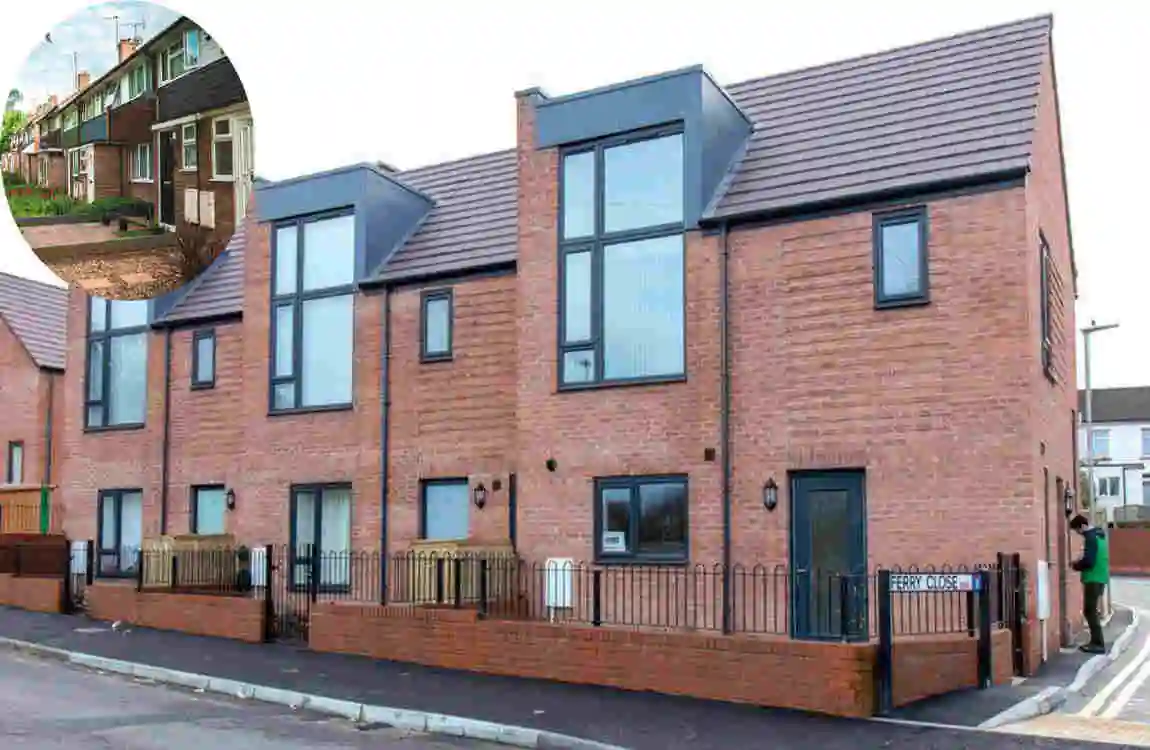
Alternative Options If You Can’t Get a Bigger Council House Quickly
Sometimes waiting is unavoidable, so consider alternatives.
Mutual Exchange (Home Swap)
You can swap homes with another council tenant if both parties agree.
Benefits:
- Faster than waiting lists
- No reapplication needed
Housing Associations
These are similar to councils but are operated independently. They may have different availability.
Private Renting Assistance
You may qualify for housing benefits to help pay your private rent while you wait.
Temporary Accommodation
If your situation is urgent, councils may offer short-term housing.
Common Mistakes That Delay Council Transfers
Avoid these mistakes:
- Not reporting overcrowding properly
- Submitting incomplete documents
- Refusing reasonable offers
- Ignoring bidding systems
- Not updating personal details
Even small errors can delay your application by months or years.
FAQs – How to Get a Bigger Council House
How long does it take to get a bigger council house?
It depends on your banding, location, and local housing demand. Some people wait months; others wait several years.
Can I move faster if I am overcrowded?
Yes. Overcrowding can increase your priority band, especially if it is severe.
Do I need proof to apply for a bigger council home?
Yes. Councils require documents such as medical records, proof of identity, and household information.
Can I refuse a council house offer?
Yes, but refusing multiple reasonable offers may reduce your priority.
What is the fastest way to get a larger council property?
The fastest route is:
- High priority band
- Complete documentation
- Active bidding
- Flexibility in property choice
Step What You Need to Do Why It Helps Apply for Housing Transfer Submit a transfer request to your local council housing department This is the main route to move to a larger property Prove Overcrowding Show evidence like number of people per bedroom Councils prioritize overcrowded households Update Your Housing Application Keep your application details current (family size, income, health) Ensures you are correctly banded for priority Request Medical Priority (if applicable) Provide medical reports if your home affects health Can move you higher on the waiting list Join Mutual Exchange Schemes Swap homes with another council tenant Faster way to get a bigger home Improve Housing Banding Submit documents for priority status (pregnancy, disability, etc.) Higher band = better chances Stay Active on Waiting List Regularly check and respond to council offers Avoid being removed or delayed
