

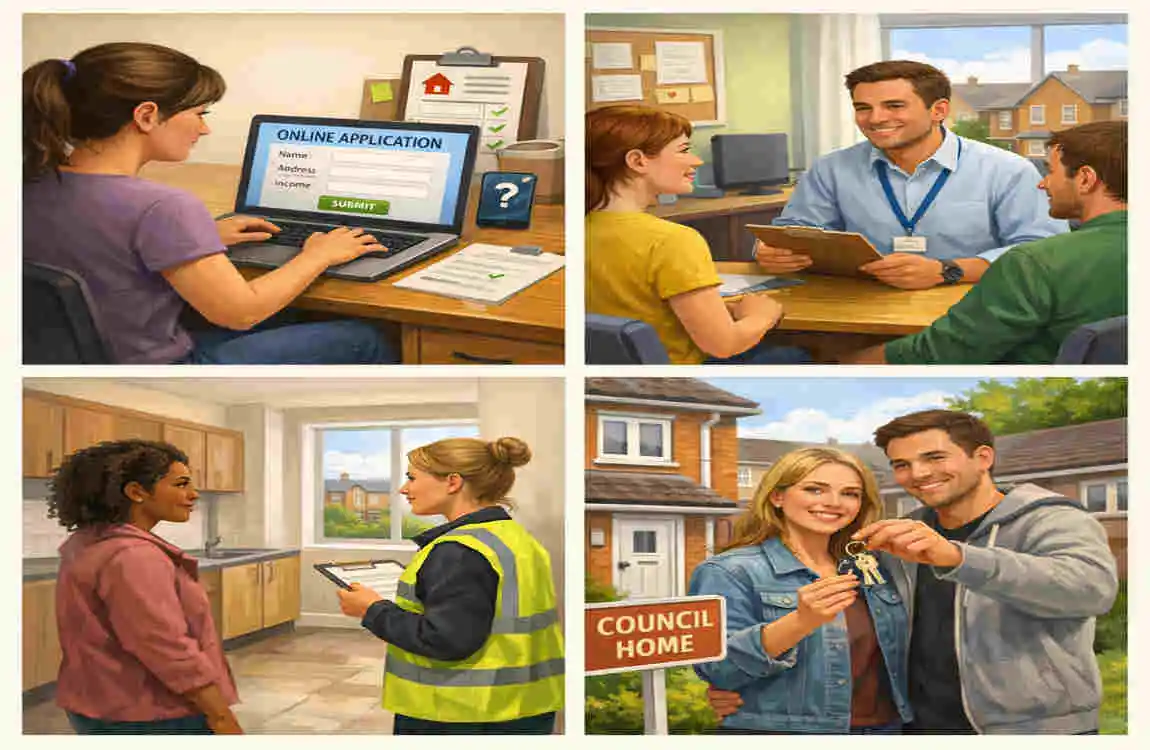
A council house is a home provided by the local authority at an affordable rent. For many families, it offers stability, security, and a chance to live in safe housing without paying high private rent.
If you are wondering how to get a house on the council, the process can feel confusing at first. There are forms to complete, documents to submit, and waiting lists to join. Still, once you understand the steps, it becomes much easier to handle.
What Is a Council House?
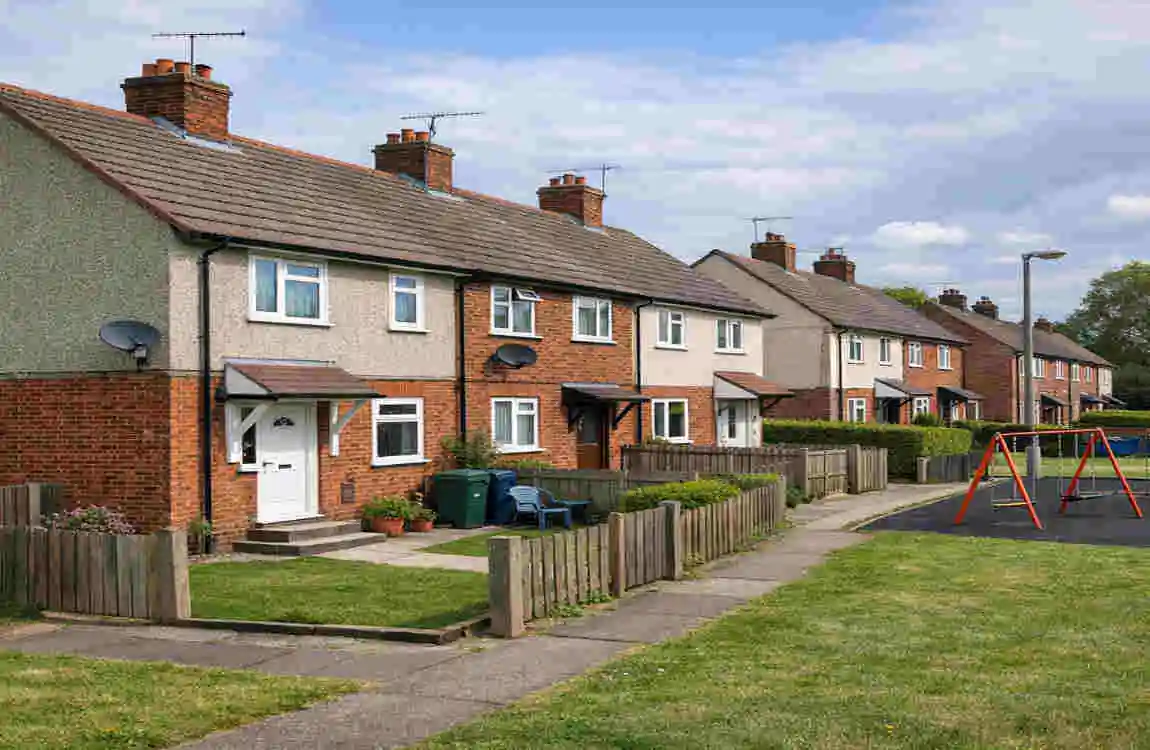
Definition of Council Housing
Council housing is government-owned housing managed by the local council or housing authority. These homes are usually rented at lower rates than private housing, which makes them more affordable for people on lower incomes.
The idea is simple: give people access to safe, stable, and budget-friendly homes.
How Council Housing Works
The local council manages the property and handles tenant agreements. If you are offered a home, you will usually sign a tenancy agreement and pay rent each month.
Many council tenancies are long-term. That means you may be able to stay in the home for many years if you follow the rules and keep up with rent.
Benefits of Living in a Council House
Council housing can offer real peace of mind.
- Lower monthly rent
- Stable housing
- Tenant rights
- Community support
For many households, these benefits make council housing a very important option.
Who Can Apply for a Council House?
Basic Eligibility Requirements
Not everyone will qualify, so the council checks a few basic details first.
These often include:
- Age requirements
- Residency rules
- Immigration status
The exact rules depend on your local council, so it is important to check their policy carefully.
Income Guidelines
Council housing is usually aimed at low-income households. The council may look at your earnings, savings, and general financial situation.
This does not always mean you must have no income. It simply means the council wants to ensure housing support goes to those who need it most.
Housing Need Assessment
The council also checks whether you have a real housing need. This can include:
- Overcrowding
- Homelessness
- Medical conditions
- Unsafe housing
If your current home is too small, unsafe, or unsuitable for your needs, that may improve your chances.
How to Get a House on the Council
Find Your Local Council
The first step is to contact your local housing authority. This is the council responsible for housing in your area.
Each council has its own rules, forms, and waiting system. So before you apply, make sure you understand how your local council works.
Complete the Application
You can often apply online or with a paper form. The application asks for personal and household details.
You may need to provide:
- Your name and address
- Family members living with you
- Current housing situation
- Income and benefits
- Any medical or support needs
Be honest and accurate. Wrong information can delay or damage your application.
Submit Supporting Documents
The council will usually ask for proof to support your application.
This may include identity papers, proof of address, income records, and medical evidence if needed. The more complete your application is, the smoother the process usually goes.
Housing Assessment
The council may review your case in detail. They may check your documents, contact you for more information, or even arrange a home visit.
This helps them understand your real housing need and decide your priority level.
Join the Waiting List
If you qualify, your name goes on the waiting list. Some councils use a banding system, where higher need gets higher priority.
Waiting times vary. Some people wait a short time, while others wait much longer.
Bid for Available Properties
In some areas, council homes are offered through choice-based letting. That means you can apply for homes that are advertised by the council.
If you are eligible for a property, you can place a bid. This does not mean money bids—it means showing interest in the home.
Documents You’ll Need
Identity Documents
You will usually need proof of who you are. A passport, driving licence, or birth certificate may be accepted.
Income and Employment Records
The council may ask for pay slips, benefit letters, or employment details. This helps them understand your financial situation.
Proof of Residency
You may need recent utility bills, tenancy papers, or official letters showing where you live.
Medical Evidence
If you have health needs that affect your housing, medical letters or reports may help your case.
Family Information
You may need to show who lives with you and whether there are children, dependents, or other household members.
Understanding Council Housing Priority Bands
Emergency Priority
This is for people in the most urgent need, such as those facing danger or severe homelessness.
High Priority
This may apply if your home is overcrowded, unsafe, or causing major health problems.
Medium Priority
People with a real housing need, but not an urgent one, often fall into this group.
General Applicants
If your need is lower, you may still apply, but you may have to wait longer.
Councils decide priority based on urgency, household size, medical issues, and available housing stock.
How Long Does It Take to Get a Council House?
Average Waiting Times
There is no fixed answer. Some people wait months, while others wait years. It depends on your area and your priority band.
Factors Affecting Waiting Time
Several things can affect how long you wait:
- Area demand
- Property size
- Household circumstances
- Local housing availability
If your area has many applicants and few homes, the wait may be longer.
Tips to Improve Your Chances of Getting a Council House
Keep Your Application Updated
If your situation changes, tell the council right away. Changes in income, family size, or health can affect your priority.
Provide Accurate Information
Always give correct details. Honest information helps the council assess your case properly.
Submit All Required Documents
Missing papers can slow everything down. Send everything the council asks for as soon as possible.
Apply for Suitable Properties
Only bid for luxury homes that fit your household size and needs. This saves time and improves your chances.
Respond Quickly to Council Requests
If the council contacts you, reply fast. Delays can affect your place on the list.
Common Reasons Applications Are Delayed or Rejected
Missing Documents
If you fail to send the right papers, your application may stall.
Incorrect Information
Errors in your form can cause delays or lead to refusal.
Ineligibility
If you do not meet the council’s rules, you may not qualify.
Failure to Update Changes
If your situation changes and you do not report it, the council may review your case again.
Alternatives If You Can’t Get a Council House
Housing Associations
Housing associations also offer affordable homes. They often work similarly to councils.
Private Renting
Private renting may be an option if you need housing sooner, though it can cost more.
Supported Housing
If you need extra help, supported housing may be available to you.
Government Housing Assistance Programs
You may also qualify for other local or national housing support schemes.
Rights and Responsibilities of Council Tenants
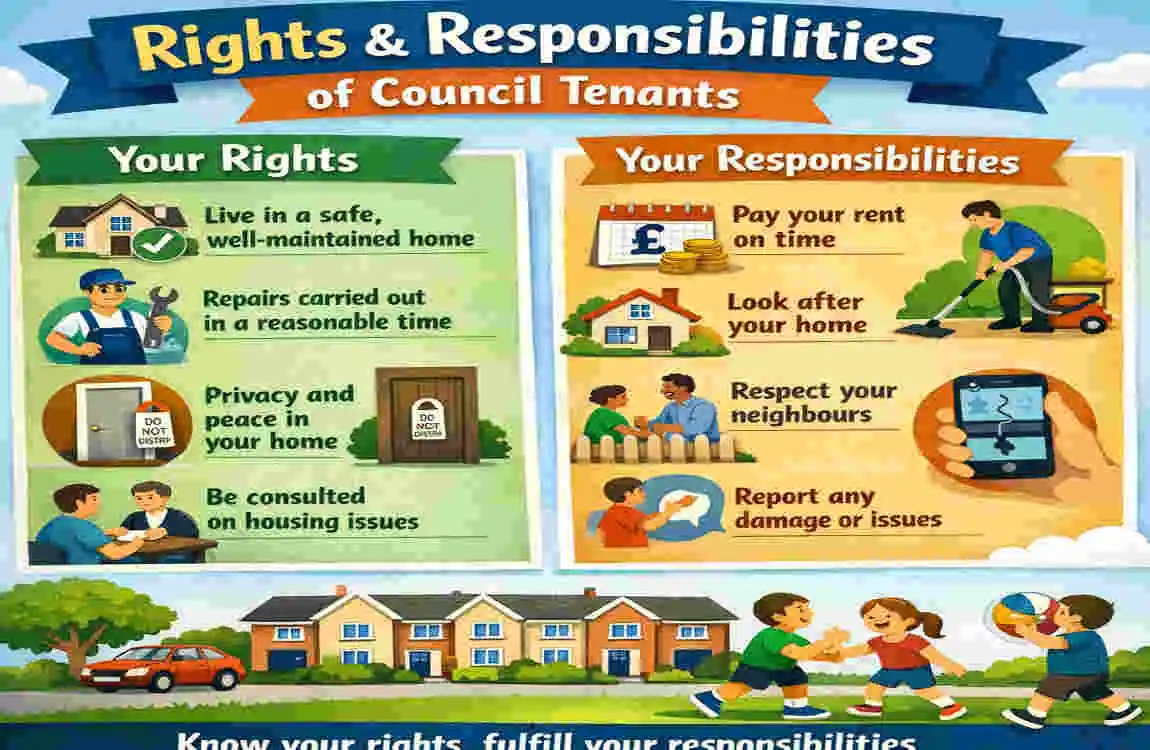
Tenant Rights
Council tenants usually have rights to safe housing, repairs, and fair treatment.
Paying Rent
You must pay rent on time. Missing payments can lead to problems later.
Property Maintenance
Keep the home clean and in good condition. You may be responsible for small care tasks.
Reporting Repairs
If something breaks, report it quickly. Fast reporting helps prevent bigger issues.
Following Tenancy Rules
Every council has tenancy rules. Make sure you understand them and follow them carefully.
Common Mistakes to Avoid
- Applying with incomplete information
- Ignoring council emails
- Missing deadlines
- Not updating household changes
- Choosing unsuitable properties
These mistakes can slow your application or reduce your chances of success.
Frequently Asked Questions (FAQ)
How do I get a house on the council?
Start by checking your local council’s rules, then complete the application and submit your documents.
Who qualifies for council housing?
Usually, people with low income and a real housing need, such as overcrowding or homelessness, may qualify.
How long is the waiting list?
It depends on your area, priority band, and available homes. Some people wait a long time.
Can I apply if I already rent privately?
Yes, many people who rent privately still apply if they need more affordable or suitable housing.
What documents are required?
Common documents include ID, proof of address, income records, and medical evidence if needed.
How are priority bands decided?
Councils look at urgency, health needs, overcrowding, and housing conditions.
Can I appeal if my application is refused?
In many cases, yes. You should ask the council about the appeals process.
Can I apply online?
Yes, many councils allow online applications, but some still offer paper forms too.
| Topic | Details |
|---|---|
| What Is a Council House? | A home owned by the local council and rented at affordable rates to eligible residents. |
| Who Can Apply? | People with low income, disabilities, families, homeless individuals, or those with a local connection. |
| Basic Requirements | Meet the local council’s eligibility rules, immigration status requirements, and housing need criteria. |
| How to Apply | Complete the council housing application online or submit a paper form through your local council. |
| Documents Needed | Proof of identity, income, address, household details, and immigration or residency documents (if applicable). |
| Priority System | Applicants are placed into priority bands based on housing need, medical issues, overcrowding, or homelessness. |
| Waiting Time | Can range from a few months to several years depending on demand and property availability. |
| Property Bidding | Many councils use a choice-based letting system where applicants bid for available homes. |
| Improve Your Chances | Keep your application updated, provide accurate information, and respond quickly to housing offers. |
| Alternative Options | Consider housing associations, shared ownership, or private rentals while waiting for council housing. |
