

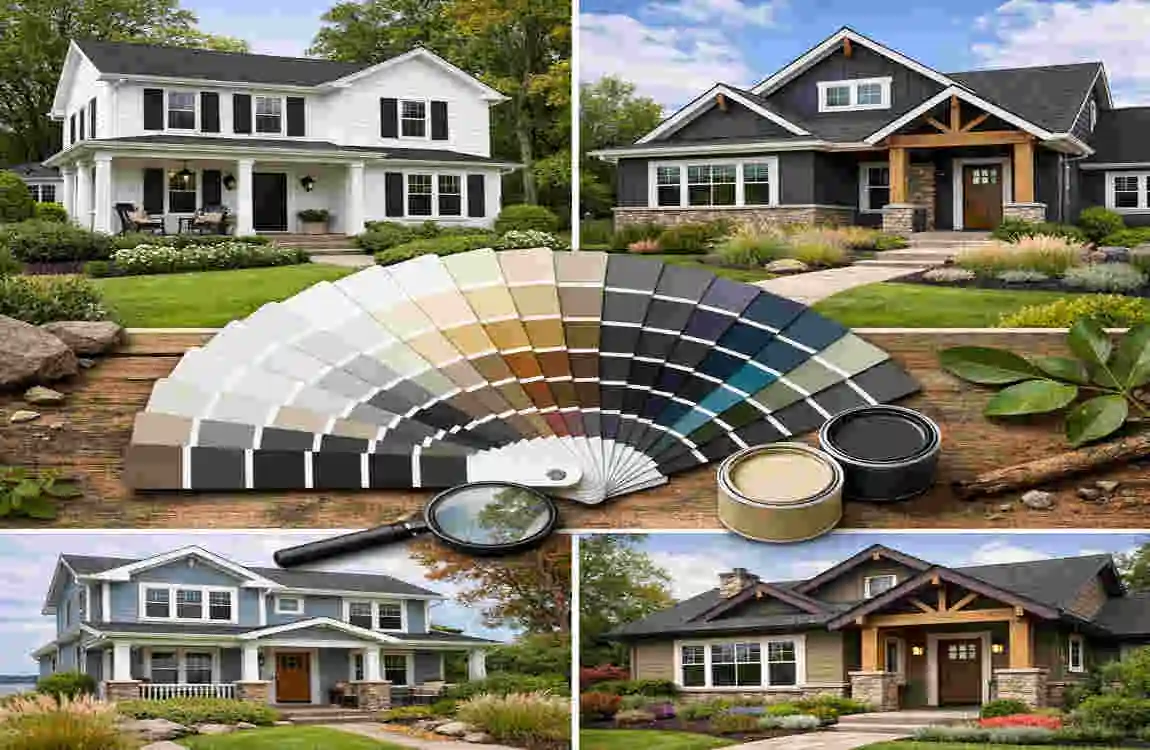
Choosing an exterior paint color is one of the easiest ways to change how your home looks. The right color can make a house feel fresh, warm, modern, or timeless. The wrong color can feel flat or out of place.
If you are wondering how to choose a color to paint your house exterior, the best place to start is with what already exists on your home. Your roof, brick, stone, windows, landscaping, and neighborhood all affect how the color will look.
Understanding Your Home Before Choosing a Color
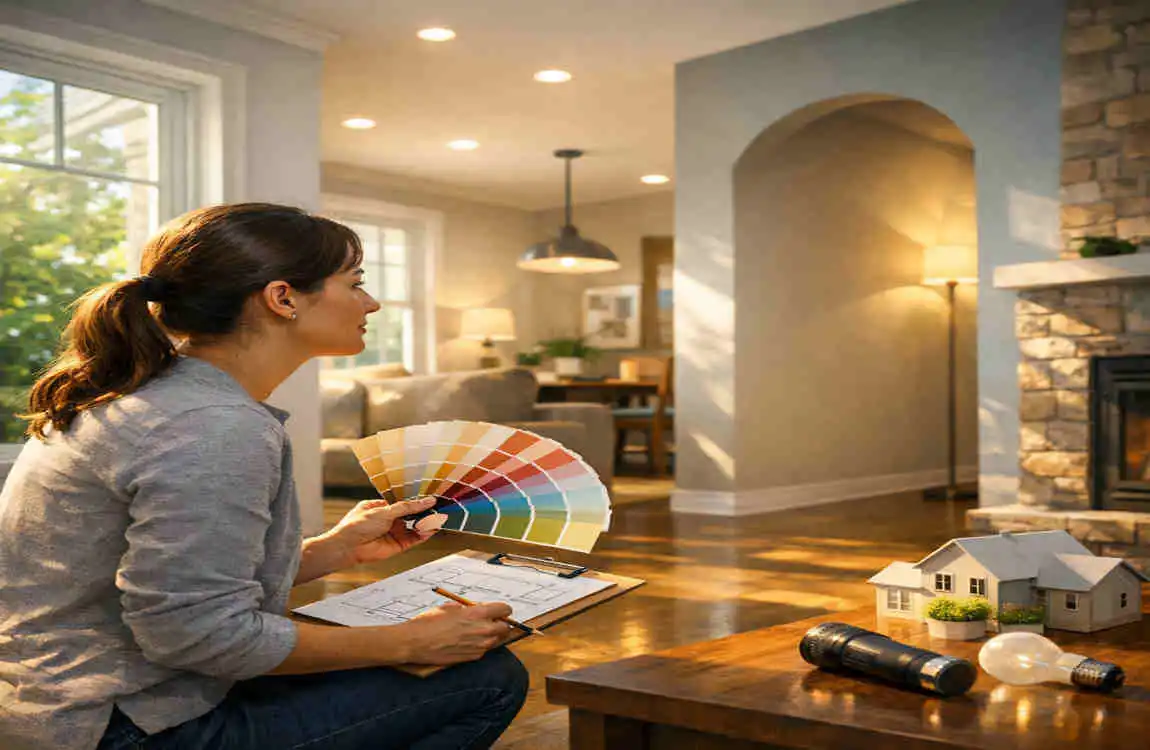
Before you pick a paint swatch, look closely at your home’s style and existing features. This step makes the rest of the process much easier.
Consider the Architectural Style
Your home style gives you a strong clue about which colors will look natural.
- Modern homes often suit white, gray, black, and charcoal
- Farmhouse homes often look best with white, cream, soft gray, or warm wood accents
- Traditional homes usually work well with beige, cream, navy, or muted greens
- Colonial homes often use classic, balanced colors
- Craftsman homes tend to suit earthy tones, olive green, brown, and warm gray
- Ranch homes often look good in simple neutrals and soft natural colors
When color matches the style of the house, the whole property feels more balanced.
Look at Existing Exterior Features
Some parts of your home will stay the same no matter what paint color you choose. These are called permanent features.
Pay attention to:
- roof color
- brick and stone
- windows
- doors
- shutters
- gutters
- driveway and walkways
These details should guide your paint choice, not fight against it.
Consider the Surrounding Environment
Your home does not sit in isolation. The neighborhood, trees, sunlight, and landscaping all change how paint appears.
A house surrounded by green trees may look different from one in an open, sunny area. Nearby homes also matter because you want your home to stand out in a good way, not clash with everything around it.
How to Choose a Color to Paint Your House Exterior
Now let’s walk through the process.
Start With the Permanent Features
Begin with the parts you are not repainting. Roof color is especially important because it covers a large area and remains visible for many years.
If your roof is dark, it may pair well with lighter walls. If your roof is light or warm-toned, softer neutrals may feel more natural.
Choose a Main Exterior Color
Your main color is the base color that covers most of the house. This is the biggest decision, so keep it simple.
Popular main exterior colors include:
- White
- Gray
- Beige
- Cream
- Taupe
- Blue
- Green
- Brown
- Charcoal
A main color should look good in daylight, in the shade, and from the street. It should also fit the home’s style and surroundings.
Select a Trim Color
Trim helps frame the house. It highlights edges, windows, rooflines, and details.
You can use trim to create:
- contrast for a crisp, bold look
- softness for a calmer, blended look
For example, white trim can brighten a darker home. Soft cream trim can warm up beige or green walls.
Add an Accent Color
Accent color is where you can add personality without overdoing it. Use it on smaller areas like:
- front door
- shutters
- garage door
- porch details
- architectural features
A strong accent can make the front of your home feel more welcoming.
Popular Exterior House Color Combinations
Some color combinations stay popular because they look clean and balanced.
Classic White and Dark Trim
This is a timeless look. White walls with dark trim can feel elegant, sharp, and polished. It works well for both modern and traditional homes.
Gray and White
Gray and white is one of the most flexible combinations. It looks neat and current without feeling too bold.
Beige and Brown
This pairing feels warm and natural. It works well if you want your home to blend in with the surrounding earthiness.
Blue and White
Blue and white feels friendly and fresh. It works especially well for coastal homes and classic styles.
Green and Cream
Green and cream create a soft, nature-inspired look. It can help a home feel connected to the landscape.
Charcoal and Light Gray
This combination feels modern and clean. It works well for simple architectural lines and updated homes.
How Lighting Changes Exterior Paint Colors
Exterior paint never looks the same at every hour of the day. That is why testing matters so much.
Sunlight Makes Colors Lighter
In direct sunlight, many colors look brighter and lighter than expected. A gray may look pale, and a beige may look almost white.
Shade Makes Colors Darker
In shaded areas, colors often appear deeper, cooler, or more muted. This is why a color that looks perfect on one side of the home may look different on another.
Morning, Afternoon, and Evening Light
The color can shift throughout the day. Morning light may feel cooler. Afternoon light can feel warmer and stronger. Evening light can soften the appearance again.
Always test your paint in multiple lighting conditions before making your final choice.
How to Match Exterior Paint With Your Roof and Materials
Your roof and exterior materials are major parts of the final look.
Matching the Roof
Different roof colors call for different wall colors.
- Dark roofs pair well with white, cream, gray, and beige
- Light roofs often suit soft neutrals and cooler colors
- Brown roofs work nicely with warm beige, cream, taupe, and green
- Gray roofs match with white, blue, charcoal, and soft green
- Metal roofs often look best with clean, simple, modern color palettes
Working With Brick and Stone
If your home has brick or stone, do not choose paint that fights against it. Instead, look at the undertones in the brick or stone.
Warm brick often pairs well with cream, beige, or soft brown. Cooler stone may look better with gray, white, or muted blue.
Matching Doors, Windows, and Small Details
Smaller features can still change the look of the house. Windows, doors, shutters, and trim should all feel connected.
A good exterior color plan makes every detail feel intentional.
Choosing Exterior Colors for Different House Styles
Modern Homes
Modern homes usually look best with clean, simple colors.
Good choices include:
- white
- gray
- charcoal
- black accents
These colors keep the design sleek and uncluttered.
Farmhouse Homes
Farmhouse homes often feel best with soft, welcoming colors.
Try:
- white
- cream
- soft gray
- natural wood accents
Traditional Homes
Traditional homes usually work well with classic, lasting colors.
Good options include:
- beige
- cream
- navy
- muted green
- classic white
Craftsman Homes
Craftsman homes often look best with warm, earthy tones.
Common choices include:
- olive green
- brown
- warm gray
- deep red accents
Coastal Homes
Coastal homes often feel light and airy.
Popular colors include:
- light blue
- white
- sandy beige
- soft gray
Common Mistakes to Avoid When Choosing Exterior Colors
Choosing exterior paint gets easier when you know what not to do.
Choosing From a Tiny Paint Chip
Small chips rarely show the full picture. A color can look very different once it covers a large wall.
Ignoring Undertones
Every color has an undertone. Some lean warm, some cool, some yellow, blue, or gray. These undertones can change how the whole house looks.
Using Too Many Colors
A simple palette usually works best. Too many colors can make a home feel busy.
Ignoring Permanent Features
Your paint should work with your roof, brick, stone, and other fixed parts of the house.
Forgetting the Neighborhood
You do not need to copy nearby homes, but you should make sure your house fits the street.
Choosing Trendy Colors Only
Trendy colors can look great now, but classic colors usually last longer. Think about how the color will feel in five or ten years.
Tips for Testing Exterior Paint Colors
Testing colors outdoors is one of the smartest things you can do.
Simple Testing Steps
- buy sample-size paint
- paint large sample areas
- view samples in sun and shade
- check the color from the street
- compare it with your roof and trim
- look at it in different seasons if possible
This step helps you avoid costly mistakes and gives you more confidence.
How Climate and Location Affect Color Choice
Climate matters more than many homeowners realize.
Strong Sunlight
Bright sun can fade some colors over time and make others look lighter than expected.
Dirt and Maintenance
Some colors show dirt more easily. Mid-tone neutrals often stay looking cleaner longer than very bright or very dark colors.
Weather and Wear
Choose exterior paint formulated for outdoor conditions to withstand heat, rain, wind, and moisture.
Exterior Color Ideas for Curb Appeal
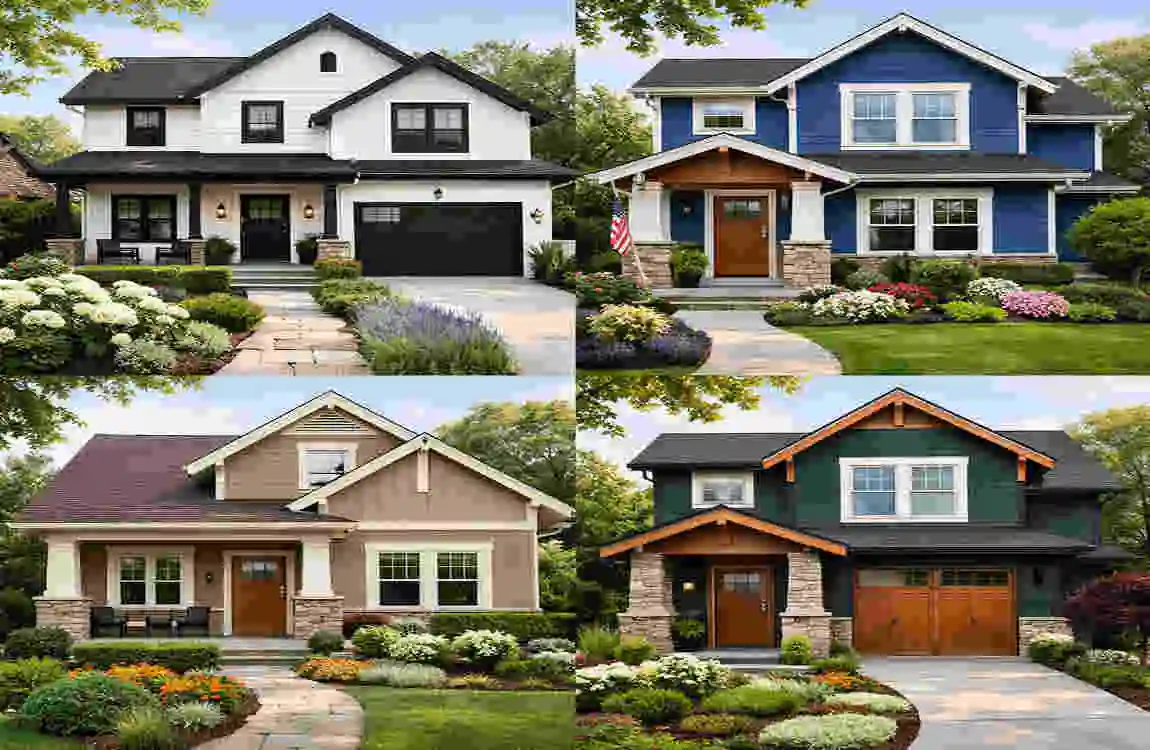
A simple three-color plan works well for many homes.
- Main color: covers most of the walls
- Trim color: frames windows, rooflines, and details
- Accent color: adds personality to the front door or small features
Good Curb Appeal Combinations
- light neutral with a dark front door
- white with black accents
- warm beige with brown details
- gray with white trim
- soft green with cream trim
- blue with white accents
Color placement matters as much as color choice. For example, a darker door can draw attention to the entrance, while bright trim can make the house look cleaner and more defined.
Should You Follow Exterior Paint Trends?
Trends can be helpful, but they should not be the only thing guiding your choice.
A current trend may look fresh now, but the color still needs to work with your home’s style and surroundings. A classic palette often has more staying power.
The best approach is to balance modern appeal with long-term comfort. Choose a color that still feels right years from now.
Frequently Asked Questions
What is the best color to paint the exterior of a house?
The best color depends on the home’s style, roof, materials, and surroundings. Timeless neutrals often work well.
How do I choose a color to paint my house exterior?
Start with permanent features, pick a main color, coordinate trim and accent colors, and test samples outdoors.
How many exterior house colors should I use?
A simple three-color plan usually works best: main color, trim color, and accent color.
Should exterior trim be lighter or darker than the house?
Both can work. Lighter trim creates brightness and contrast, while darker trim creates a more grounded, bold look.
What exterior house colors have lasting appeal?
White, gray, beige, cream, taupe, muted green, and soft blue are all classic choices.
How can I test an exterior paint color before painting the whole house?
Paint large sample areas and check them at different times of day and in both sun and shade.
Does the roof color affect exterior paint selection?
Yes. The roof is a major permanent feature and should work with the paint color, not against it.
Can exterior paint color improve curb appeal?
Yes. A coordinated exterior color palette can make a home look more polished, welcoming, and attractive.
Is it better to choose trendy or classic exterior colors?
Classic colors usually last longer, but you can still use trends in small ways if they suit the home.
What is the easiest way to choose exterior house colors?
Begin with the roof and permanent materials, choose a main wall color, add trim and accent colors, and test everything outside.
