

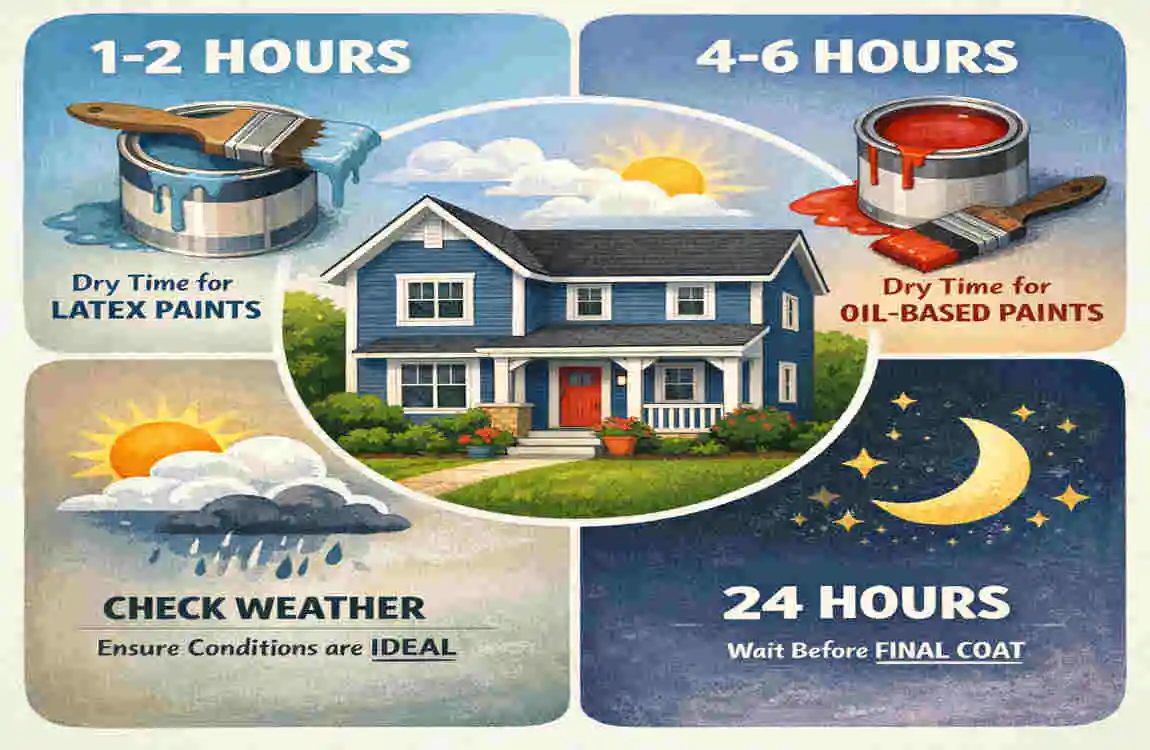
Painting the outside of a home takes more patience than many people expect. The first coat may look dry on the surface, but that does not always mean it is ready for the next one.
So, how long between coats of exterior paint? The simple answer is: follow the paint label first. In many cases, exterior paint may be ready for another coat in a few hours, but weather, surface type, and paint formula can significantly affect that.
How Long Between Coats of Exterior Paint?
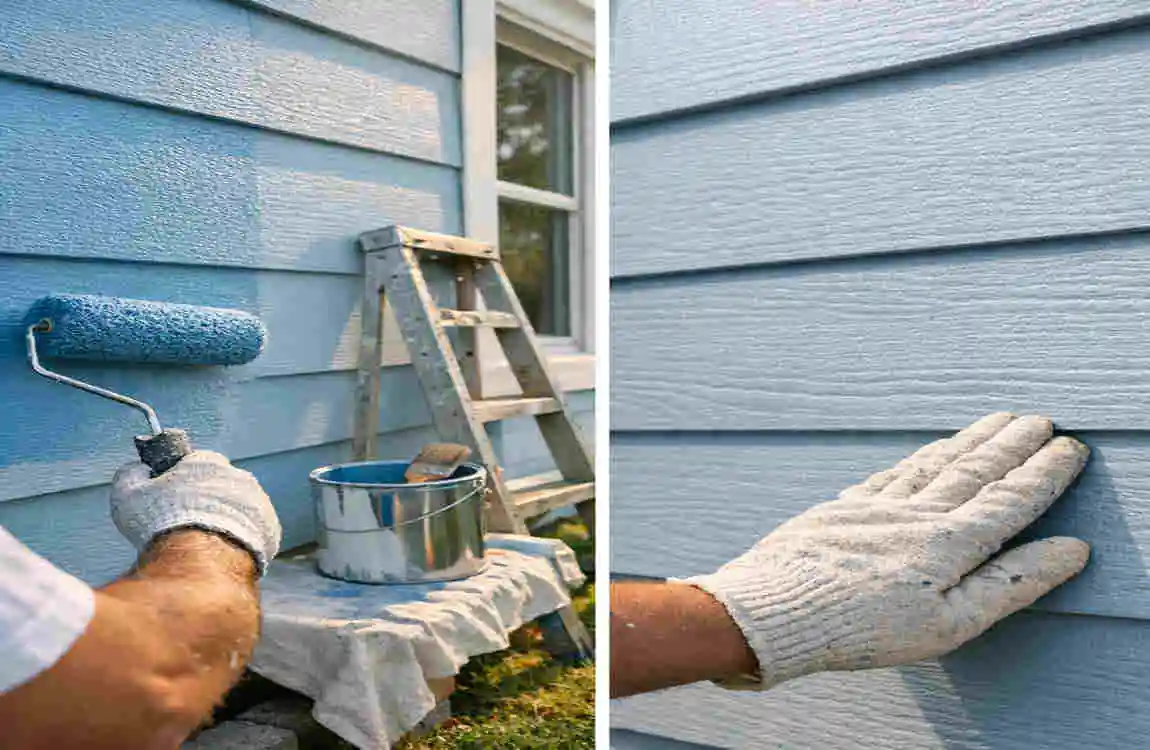
The wait time between coats depends on the paint product, the weather, and the surface you are painting. There is no single rule that fits every project.
Some paints may allow a second coat the same day. Others need more time. The safest move is to read the manufacturer’s label and follow that guidance closely.
Dry Time, Recoat Time, and Cure Time
These three terms are related, but they are not the same.
- Dry time means the paint is no longer wet to the touch.
- Recoat time means you can safely apply another coat.
- Cure time is the period during which the paint has fully hardened and reached its final strength.
A coat may feel dry in an hour, but still not be ready for another coat. That is why the label matters more than the surface look alone.
Why Waiting Matters
Paint needs time to settle and bond. If you apply the next coat too soon, the lower layer may not have enough strength to support it.
That can lead to weak coverage, uneven texture, or a finish that does not hold up well over time.
Weather Also Plays a Big Role
Temperature, humidity, wind, and sunlight all affect how fast exterior paint dries. A warm, dry day may speed things up. A cool, damp day may slow them down a lot.
What Factors Affect Exterior Paint Drying Time?
Temperature
Temperature has a big effect on drying speed. Paint usually dries faster in warm conditions and slower in cold ones.
But hotter is not always better. Very high heat can cause paint to dry too quickly on the outside before it sets properly underneath.
Most exterior paints work best within the manufacturer’s specified temperature range.
Humidity and Moisture
Humidity can slow drying because the air already contains more moisture. When the air is damp, the paint takes longer to release water or solvents.
That is why painting right after rain is usually a bad idea. Morning dew can also cause problems if the surface is still damp.
Airflow and Sunlight
Good airflow helps paint dry more evenly. A light breeze can help, but strong wind may bring dust and debris to the surface.
Sunlight can also speed drying, but it can create uneven results if only part of the wall gets direct sun. Shaded areas may dry much slower.
Surface Condition
Different surfaces behave differently.
- Wood may absorb paint and dry differently from one area to another.
- Concrete and stucco can hold moisture longer.
- Previously painted surfaces may dry faster if they are in good condition.
- Damaged or porous surfaces may need extra prep and more drying time.
A clean, dry, smooth surface gives you the best chance of a good finish.
Recoat Times for Different Exterior Paint Types
Latex or Water-Based Paint
Latex and other water-based exterior paints are very common. They usually dry faster than oil-based products.
Many of these paints allow recoating within a few hours, but always check the label. Some brands are quicker, while others need more time.
Acrylic Exterior Paint
Acrylic exterior paint is popular because it offers strong performance and good flexibility. It often dries fairly quickly, but the exact time depends on the product.
Acrylic paints can vary a lot, so the label should guide you on when to apply the next coat.
Oil-Based Exterior Paint
Oil-based paint generally takes longer to dry and recoat. It needs more patience because the surface and the layers beneath it need time to set properly.
Cold, damp, or still air can slow the process even more. If you use oil-based paint, give it the full time recommended by the manufacturer.
Primer and Paint Combinations
Primer also needs proper drying time. If you paint too soon after priming, the new coat may not stick as well as it should.
This is especially important on bare wood, patched surfaces, or areas that were heavily repaired.
How to Know When Exterior Paint Is Ready for Another Coat
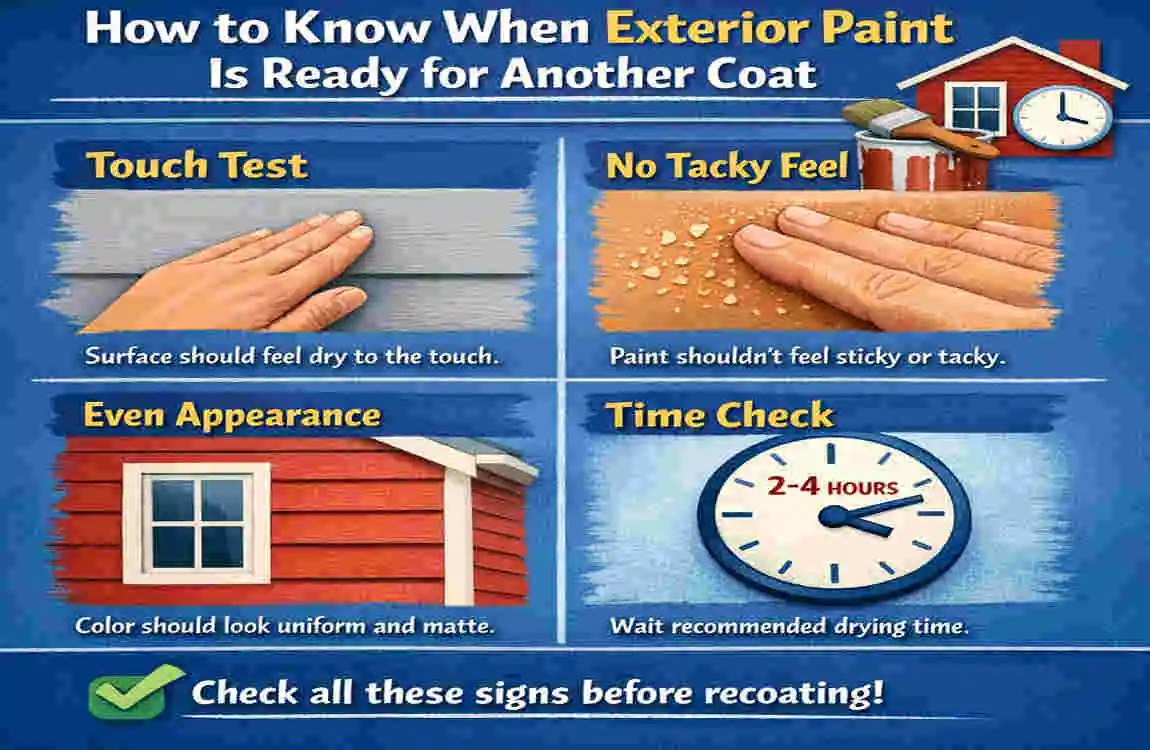
The best clue is still the product label. But you can also check the surface carefully before moving on.
Signs the Paint Is Ready
Look for these signs:
- The surface feels dry and even
- It is not sticky or tacky
- There is no visible moisture
- The weather is still dry and within range
- The recoat time listed on the can has passed
Why Touch Alone Is Not Enough
A light touch can tell you if the top layer feels dry, but it cannot tell you if the paint underneath is ready.
That is why many people make the mistake of painting too early. The top may feel fine while the lower layer is still soft.
What Happens If You Recoat Exterior Paint Too Soon?
Rushing the second coat can cause real problems. The finish may look okay at first, but issues can appear later.
Peeling and Flaking
If the lower coat has not bonded well, the new coat may not hold properly either. This can lead to peeling or flaking later.
Cracking and Wrinkling
A second coat applied too early can trap moisture or create surface stress. That may lead to cracking or a wrinkled finish.
Uneven Finish
When coats do not dry correctly, the final look can become patchy or uneven. You may notice differences in sheen, texture, or colour depth.
Longer Project Time
Trying to rush the job often creates more work later. You may end up fixing bad spots, adding another coat, or repainting sections that failed early.
In the end, patience usually saves time.
Tips for Getting the Best Results When Painting Exterior Surfaces
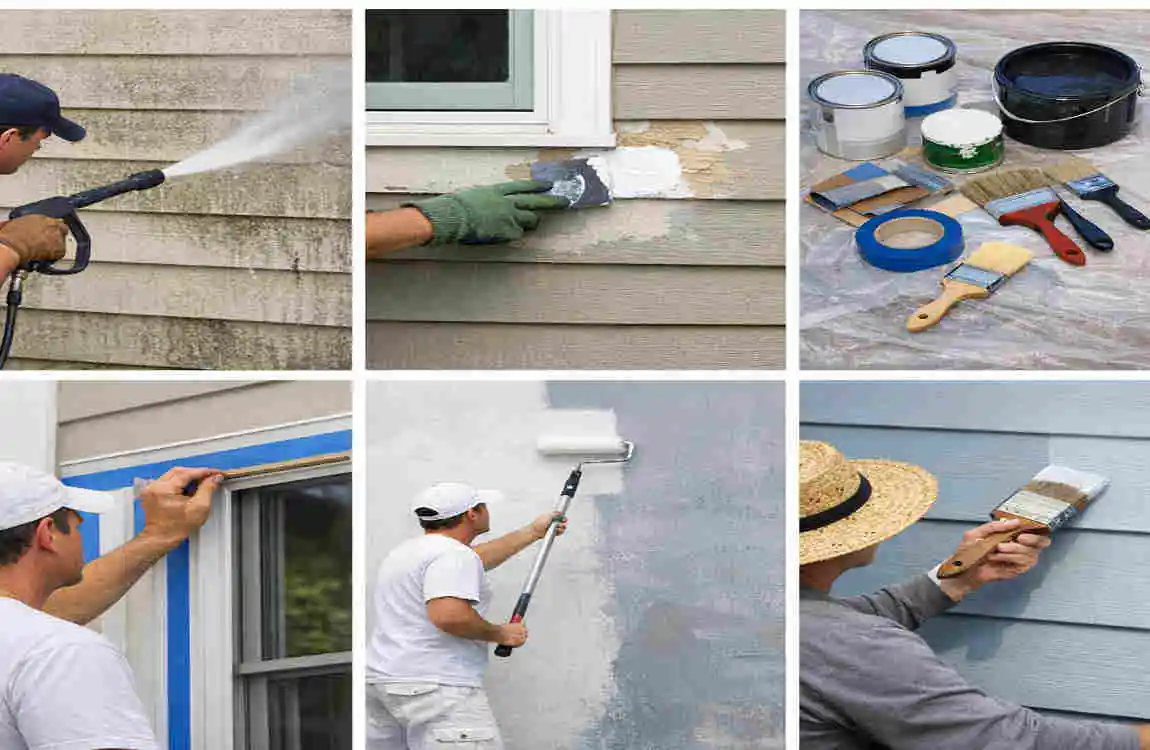
Good painting results come from good planning. A few smart habits can make a big difference.
Practical Tips
- Check the weather forecast before you start
- Clean and prepare the surface well
- Follow the paint label instructions
- Apply thin, even coats
- Avoid painting right before rain
- Use the right brushes, rollers, or sprayers
- Inspect each coat before adding the next one
- Give each layer enough drying time
Preparation Matters
If the surface is dirty, damp, or uneven, the paint may not dry or bond correctly. Cleaning and prep work matter just as much as the paint itself.
Thin Coats Work Better
A thick coat may seem faster, but it often takes longer to dry and can create a poor finish. Thin, even coats usually perform better and last longer.
Patience Improves Durability
A well-paced project often ends with a stronger, smoother, more durable finish. That is especially important on exterior surfaces that are exposed to weather every day.
FAQ: How Long Between Coats of Exterior Paint?
How long should you wait between coats of exterior paint?
The wait time depends on the specific paint and the weather. In many cases, it may be a few hours, but the product label should always guide you.
Can I apply a second coat of exterior paint the same day?
Sometimes yes, if the paint is designed for that and the weather conditions are good. But if the surface is still tacky or damp, wait longer.
Does exterior paint dry faster in the sun?
Sunlight can help paint dry faster, but it can also cause uneven drying if one side gets more heat than the other.
Can I paint exterior walls after rain?
Only if the wall is fully dry can moisture on the surface interfere with adhesion and cause problems later.
What temperature is too cold for exterior painting?
Anything outside the product’s recommended range can cause trouble. Cold air slows drying and can weaken adhesion.
How long does exterior paint take to cure fully?
Cure time is different from recoat time. Paint may be ready for another coat within hours, but it still takes days or longer to cure fully.
What happens if I don’t wait between coats?
You may see peeling, cracking, tackiness, or uneven coverage. The finish may also fail sooner than expected.
| Factor | Typical Waiting Time |
|---|---|
| Latex/Acrylic Paint | 4–6 hours |
| Oil-Based Paint | 24 hours |
| Cool or Humid Weather | 6–24 hours |
| Warm, Dry Weather | 4–6 hours |
| After Rain | Wait until the surface is completely dry |
| Best Practice | Follow the paint manufacturer’s recoat time |
