

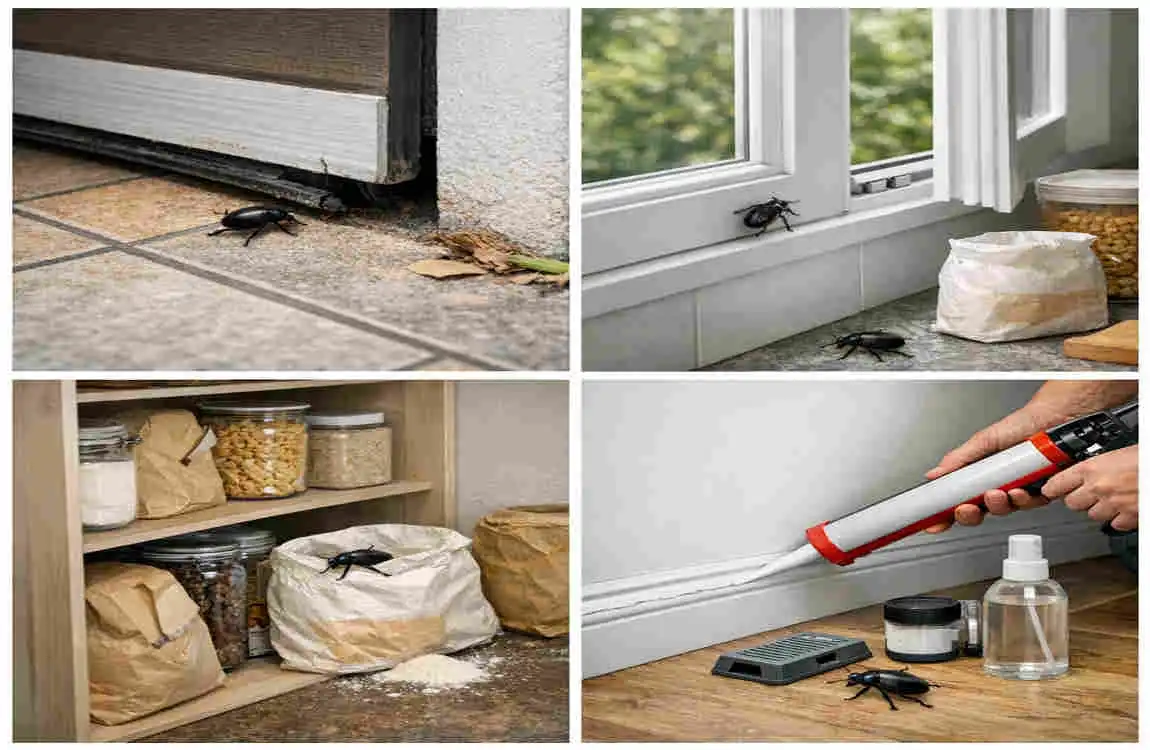
A clean home can still have beetles. That surprises many people, but it happens more often than you think. Cleanliness helps, but it does not make a house completely insect-proof.
So, how do beetles get in the house even when everything looks neat? Most of the time, they come in through tiny openings, hitchhike on items you bring inside, or move in because they find food, shelter, or moisture.
Why Are Beetles Found Inside Clean Homes?
Clean Doesn’t Mean Beetle-Proof
Even spotless homes can attract beetles. These insects live outdoors and may accidentally wander indoors. They are often looking for warmth, shelter, or food.
A clean house reduces risk, but it does not seal every crack or gap or block every outside source.
Seasonal Changes
Beetles often move indoors when the weather changes. In colder months, they look for warmth. In hotter months, they may seek cool, shaded areas.
That means you may see more beetles near windows, doors, or basements depending on the season.
Different Beetle Species Have Different Habits
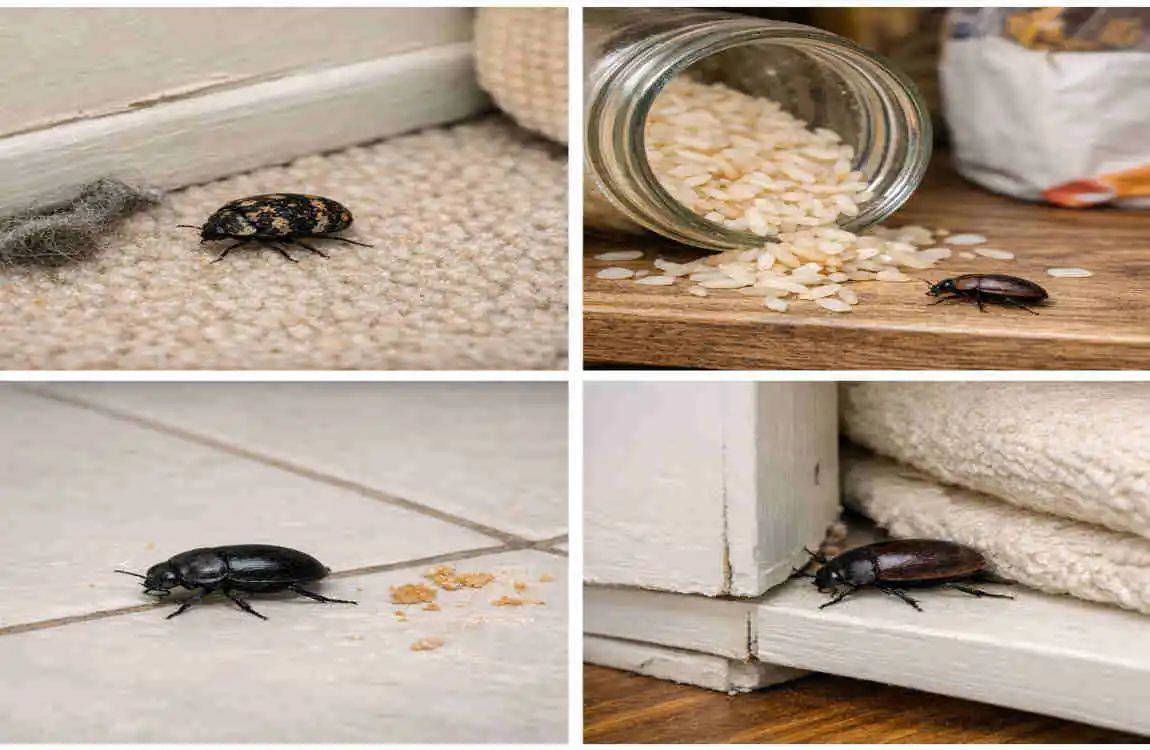
Not all beetles act the same way. Some like fabric, some like food, and some like wood.
Common indoor beetles include:
- Carpet beetles
- Pantry beetles
- Powderpost beetles
- Ground beetles
Knowing the type matters because it helps you find the source faster.
How Do Beetles Get in the House?
Through Doors and Windows
Open doors are one of the easiest ways beetles enter. Damaged window screens also give them a clear path inside.
Even a door left open for a short time can let insects in.
Small Cracks and Gaps
Beetles can squeeze through very small openings. They often enter through:
- Foundation cracks
- Wall openings
- Gaps around pipes and wires
These tiny spaces are easy to miss, but beetles do not need much room.
Hitchhiking on Household Items
Beetles can ride into your Clean home on objects you bring inside. This happens more often than people realize.
Common items include:
- Grocery bags
- Furniture
- Boxes
- Firewood
- Plants
If those items were stored outside or in a warehouse, beetles may already be hiding in them.
Food Products Already Contaminated
Some beetles enter through dry food products. Pantry beetles, for example, may already be inside packaged items before you even bring them home.
Watch for:
- Flour
- Rice
- Cereal
- Pet food
This is why it helps to inspect food before storing it.
Through Pets
Pets can also bring beetles inside on their fur, especially if they spend time outdoors. It is less common than other entry routes, but it can happen.
A quick check after outdoor play can help reduce the chance.
Common Reasons Beetles Stay Inside
Available Food Sources
Once beetles get in, they stay if they find food. Different beetles eat different things, such as:
- Dry food
- Fabric
- Wood
- Dead insects
That is why a beetle problem can grow quietly if the source is not removed.
Moisture Problems
Many beetles like damp areas. Moisture makes the Clean home more attractive, especially in:
- Damp basements
- Bathrooms
- Crawl spaces
If a space stays wet or humid, beetles may settle there.
Hidden Breeding Areas
Beetles often hide where people do not look often. Good hiding spots include:
- Closets
- Attics
- Storage rooms
These areas can give beetles a quiet place to lay eggs and multiply.
Signs You Have Beetles in Your House
Seeing Adult Beetles
The most obvious sign is seeing beetles crawling near windows, floors, or pantry shelves. If you spot them often, there may be more hiding nearby.
Larvae Around Fabrics
Some beetles leave behind tiny larvae. Carpet beetle larvae are often found near clothes, rugs, or stored fabrics.
Small Holes in Clothes
If you notice little holes in clothing or blankets, fabric-feeding beetles may be the cause.
Damaged Pantry Food
Pantry beetles can damage dry goods. If you see webbing, tiny beetles, or powder in food packages, check everything stored nearby.
Tiny Wood Holes and Sawdust
Powderpost beetles can leave tiny holes in wood and a fine, powdery residue. This is often a sign of hidden wood damage.
Types of Beetles Commonly Found Indoors
Beetle TypeWhere FoundWhat They Damage
Carpet Beetle Carpets, Clothes Fabric, Wool
Pantry Beetle Kitchen Dry Food
Powderpost Beetle Wooden Furniture Wood
Ground Beetle Basements Usually Harmless
Drugstore Beetle Pantry Packaged Foods
Some beetles cause damage, while others are mostly a nuisance. Still, it is best to identify them early.
How to Prevent Beetles from Entering Your Home
Seal Entry Points
Check for cracks around Clean windows, doors, pipes, and the foundation. Use caulk or sealant to close gaps.
Install Door Sweeps
A door sweep helps block insects from slipping under exterior doors.
Repair Window Screens
Even small tears in screens can let beetles in. Fix damaged screens quickly.
Store Food Properly
Keep dry food in airtight containers. This is one of the best ways to protect your pantry.
Vacuum Regularly
Vacuuming removes crumbs, larvae, and hidden beetles from carpets and corners.
Reduce Outdoor Lighting
Bright lights can attract insects at night. If possible, keep outdoor lighting near entry doors to a minimum.
Remove Standing Moisture
Fix leaks, improve ventilation, and dry out damp spaces. Beetles are less likely to stay in dry areas.
Keep Firewood Away from the House
Firewood can carry beetles indoors. Store it outside and away from the walls.
How to Get Rid of Beetles Already Inside
Identify the Beetle Species
Start by finding out what kind of beetle you have. The treatment depends on the species.
Deep Clean the Affected Area
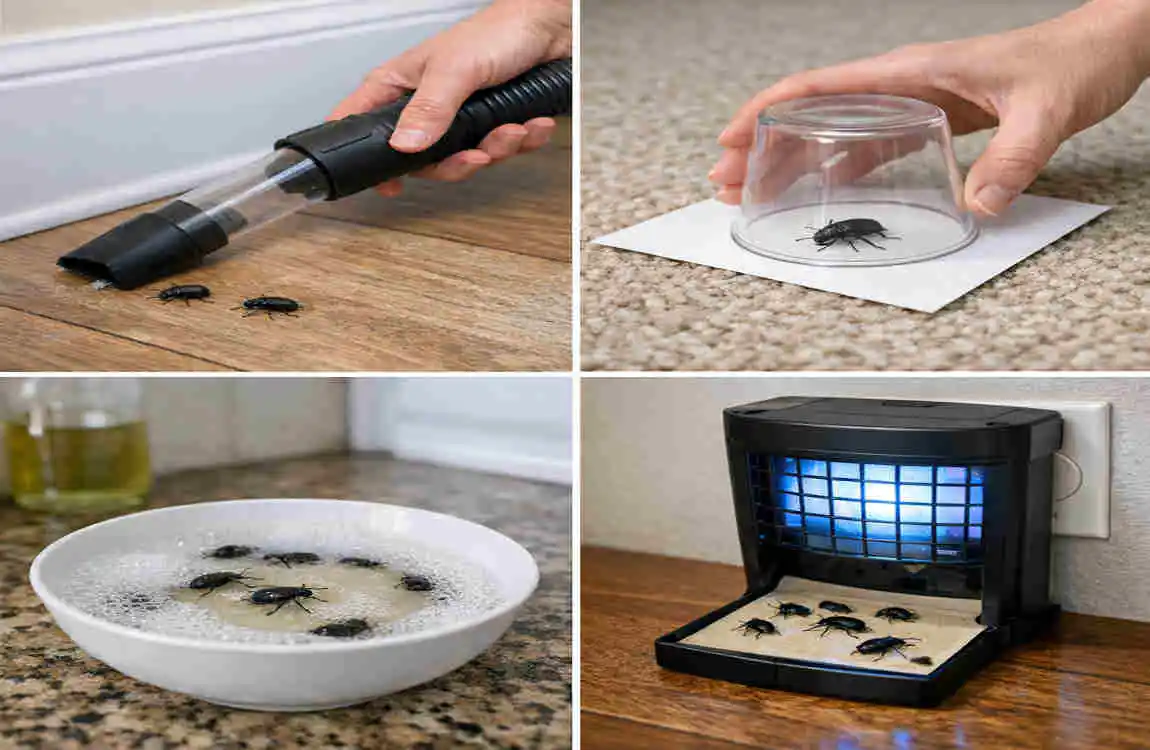
Vacuum shelves, corners, baseboards, and storage areas. Clean often so beetles cannot hide.
Dispose of Infested Food
If pantry items are infested, throw them out right away. Do not try to save contaminated food.
Wash Fabrics
Wash clothes, bedding, and linens if you think fabric beetles are present. Use heat when possible.
Use Sticky Traps
Sticky traps can help reduce beetle numbers and show where they are active.
Apply Safe Insecticides, If Needed
If the problem is small and you know the source, a safe insecticide may help. Always follow label directions carefully.
Call a Professional Pest Control Service
If beetles keep returning or the infestation is large, a pest professional can help find the source and treat it correctly.
Mistakes That Attract Beetles
Some common habits make beetles more likely to move in:
- Leaving pet food uncovered
- Storing grains in paper packaging
- Ignoring wall cracks
- Keeping cluttered storage rooms
- Bringing untreated firewood indoors
- Leaving food crumbs overnight
These may seem small, but they create easy opportunities for beetles.
When Should You Be Concerned?
Repeated Beetle Sightings
Seeing beetles once may not mean much. Seeing them again and again usually means there is a source nearby.
Damage to Clothing
If clothes, rugs, or blankets are getting holes, you should act quickly.
Pantry Infestation
Beetles in food cabinets can spread from one package to another. That can become a bigger cleanup fast.
Wood Damage
If you notice holes or fine dust in wood, the issue may be more serious.
Large Numbers Appearing Daily
If beetles keep showing up every day, the problem is likely established inside the Clean home.
Frequently Asked Questions
Q. How do beetles get in the house if it’s clean?
They often enter through tiny openings, open doors, windows, or items brought in from outside. Clean homes can still attract beetles.
Q. Can beetles live in clean homes?
Yes. If they find food, moisture, or hiding spots, they can survive even in very clean homes.
Q. Are household beetles dangerous?
Most are not dangerous to people, but some can damage food, clothing, or wood.
Q. What attracts beetles inside?
Food crumbs, dry goods, fabric, moisture, clutter, and light can all attract beetles.
Q. How do I permanently get rid of beetles?
Find the source, thoroughly clean the area, seal entry points, and remove what is attracting them. In larger cases, use pest control.
Q. Do beetles come through air vents?
It is possible, especially if vents are not well sealed or screened.
| Topic | Information |
|---|---|
| Can beetles enter a clean house? | Yes. Even spotless homes can attract beetles searching for food, water, shelter, or warmth. |
| Common entry points | Cracks in walls, gaps around doors and windows, vents, utility pipes, chimneys, and open doors or windows. |
| Main causes | Outdoor lights attracting beetles, infested groceries, pet food, firewood, cardboard boxes, indoor plants, and seasonal weather changes. |
| Most common household beetles | Carpet beetles, pantry beetles, powderpost beetles, and ground beetles. |
| Signs of beetles | Small insects near windows, damaged fabrics, holes in stored food packages, shed skins, or larvae. |
| Are clean homes immune? | No. Cleanliness helps reduce the risk but cannot completely prevent beetles from entering. |
