

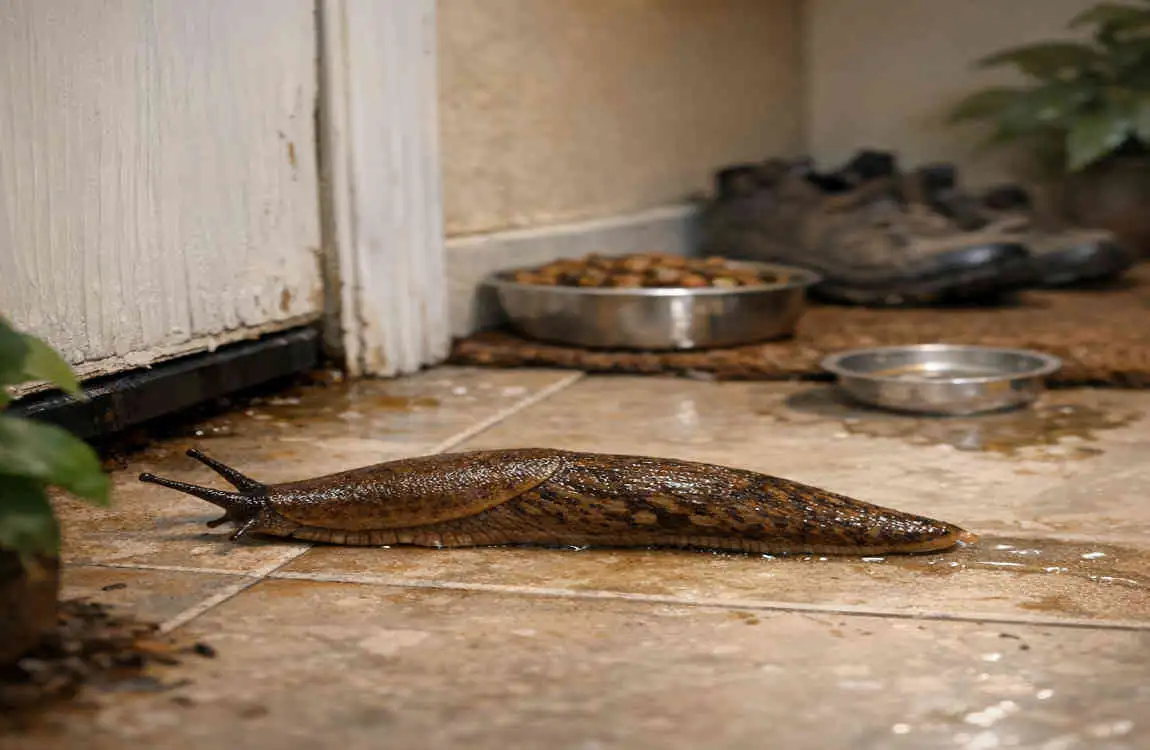
Slugs often show up when the weather turns wet. They move slowly, hide in dark places, and look for moisture, shelter, and food. That is why many homeowners find them in kitchens, bathrooms, basements, garages, and even near garden doors.
If you have ever asked, how do you stop slugs from coming into your house, the answer is usually simple: reduce moisture, seal entry points, and make your home less inviting. You do not need one big fix. You need a few small habits that work together.
Why Do Slugs Come Inside Your House?
Slugs Search for Moisture and Shelter
Slugs need damp places to survive. Dry air makes life harder for them, so they naturally move toward cool and wet spots.
That is why they often appear after rain. If your clean home has moist corners, leaking pipes, or shady entry areas, slugs may see it as a safe place to hide.
Food Sources Attract Slugs
Slugs are also drawn to food. They may not eat the same foods as humans, but they still seek out organic matter and plant material.
Common attractants include:
- Pet food
- Organic waste
- Plants near doors
- Vegetation around foundations
If your home has easy access to these food sources, slugs may stay close to the house.
Small Openings Provide Easy Entry
Slugs can squeeze through surprisingly tiny gaps. They do not need a big opening.
Common entry points include:
- Door gaps
- Cracks in walls
- Basement openings
- Plumbing gaps
- Garage spaces
Even a small crack can become a pathway indoors.
How Do You Stop Slugs From Coming in Your House?
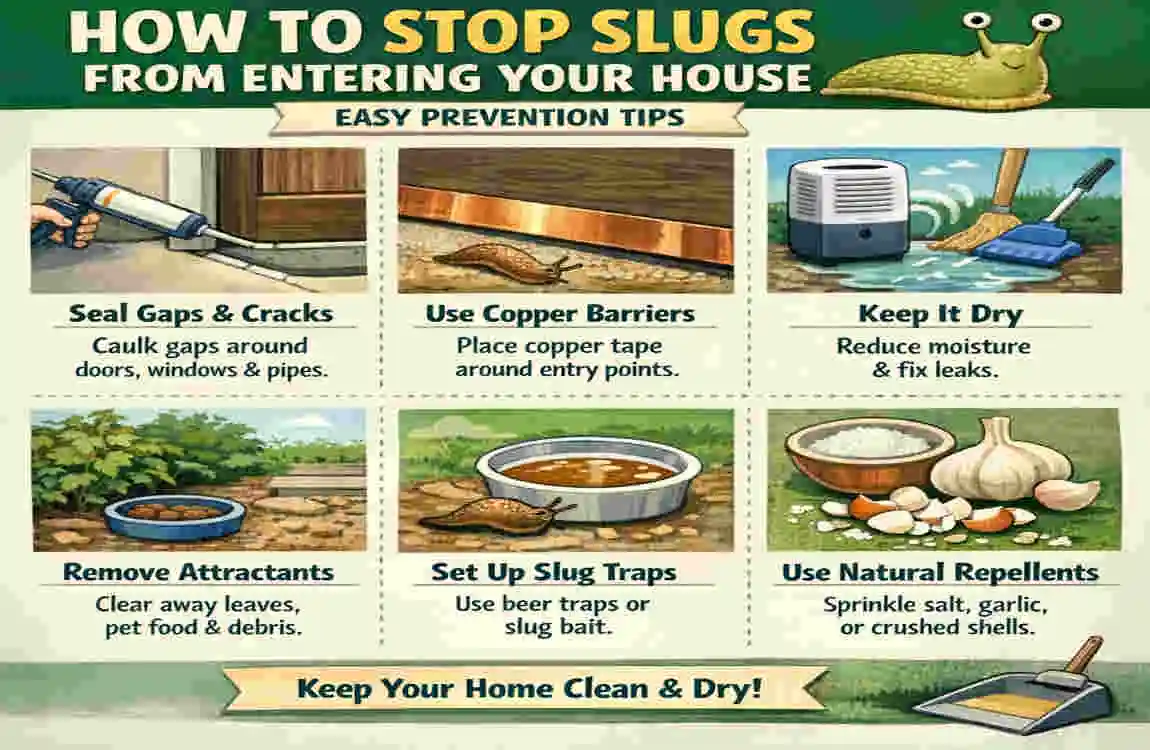
Seal Cracks and Entry Points
Start by checking the outside of your clean home. Look closely around doors, windows, walls, and the foundation.
Use caulk, weatherstripping, and proper repairs to seal openings. If slugs cannot get in, the problem becomes much smaller very quickly.
Focus on:
- Wall cracks
- Window gaps
- Door frames
- Foundation openings
Keep Your Home Dry
Slugs love moisture, so dryness is one of your best defenses. Fix leaks as soon as you notice them.
Also check for:
- Leaking pipes
- Standing water
- Drainage problems
Inside the home, use dehumidifiers, ventilation, and exhaust fans to lower dampness.
Install Door Sweeps
Door sweeps help block crawling pests from slipping under doors. They are simple, but they work well.
Pay extra attention to:
- Back doors
- Garage doors
- Basement entrances
If there is a gap under the door, slugs can use it.
Remove Outdoor Slug Hiding Places
The area around your clean home matters just as much as the inside. Slugs often hide in places that stay wet and shaded.
Clear away:
- Wet leaves
- Mulch buildup
- Wood piles
- Garden debris
A clean, dry yard gives slugs fewer places to rest.
Natural Ways to Keep Slugs Away From Your House
Use Salt Carefully as a Slug Barrier
Salt can affect slugs, which is why many people use it. But it should be used with care.
Too much salt can damage soil, plants, and nearby landscaping. If you use it at all, use only small amounts and avoid spreading it widely.
Create a Coffee Ground Barrier
Coffee grounds may help discourage slugs in some areas. Many gardeners like this method because it is simple and low-cost.
You can place coffee grounds:
- Around plants
- Near entryways
It is not a perfect fix, but it can be part of a bigger prevention plan.
Use Copper Barriers
Copper is a popular slug-control material. Slugs do not like crossing it, so copper tape can be helpful in certain spots.
You can place copper barriers around vulnerable areas where slugs tend to enter or gather.
Plant Slug-Repelling Plants
Some strong-smelling plants may help keep slugs away. While they will not solve every problem, they can support your prevention efforts.
Good options include:
- Lavender
- Rosemary
- Mint
- Sage
These plants add beauty while also helping create a less slug-friendly space.
How to Prevent Slugs Around Your Home Exterior
Improve Garden Drainage
Standing water is a slug magnet. If water gathers near your clean home, slugs may stay nearby.
Make sure your:
- Gutters
- Downspouts
- Yard drainage
all move water away from the house.
Maintain Your Lawn Regularly
A neat yard is less inviting to slugs. Long grass, weeds, and overwatering all make things easier for them.
Try to:
- Keep grass trimmed
- Remove weeds
- Avoid overwatering
This simple routine can make a big difference.
Create a Dry Barrier Around Your Foundation
Dry ground around the foundation helps reduce slug movement. Gravel and stone are useful because they do not hold moisture like mulch often does.
Consider using:
- Gravel
- Stone paths
- Dry landscaping materials
This creates a tougher path for slugs to cross.
How to Stop Slugs From Entering Specific Areas
Prevent Slugs in the Kitchen
The kitchen often attracts pests because it has food, warmth, and moisture. That makes it a common slug target.
To reduce the risk:
- Keep counters dry
- Store food properly
- Empty garbage regularly
- Seal cracks near cabinets
A clean kitchen is much less attractive to slugs.
Stop Slugs in the Bathroom
Bathrooms are naturally damp, so they need extra attention. Wet floors and poor airflow can encourage slug activity.
Helpful steps include:
- Repair leaks
- Dry wet floors
- Improve ventilation
The drier the room stays, the better.
Keep Slugs Out of the Garage
Garages often have gaps, clutter, and damp corners. That makes them an easy hiding place.
To reduce slug problems:
- Seal garage door gaps
- Remove cardboard storage
- Keep the floor dry
Try to keep the garage simple and tidy.
Prevent Slugs in the Basement
Basements are another common problem area because they can stay cool and damp.
To protect the space:
- Use moisture control
- Seal foundation cracks
- Install proper drainage
If your basement stays dry, slugs are much less likely to stay there.
Common Mistakes That Attract Slugs Inside Homes
Leaving Outdoor Lights On Near Doors
Bright lights can attract insects. Insects may become food for other small pests, which can increase slug activity around your doors.
Overwatering Plants Near the House
Too much water creates damp soil and wet surfaces. That gives slugs the kind of environment they like most.
If you garden near your clean home, water carefully and avoid making the area soggy.
Ignoring Small Home Repairs
Small problems often turn into bigger ones. Broken seals, damaged screens, and foundation cracks can all give slugs an opening.
Do not wait too long to fix these issues.
Chemical Slug Control Options for Homes
Slug Pellets and Baits
There are slug-control products available for homeowners. These can help if the problem keeps coming back.
If you use them, look for pet-safe options and follow the instructions carefully.
When to Use Professional Pest Control
Sometimes the slug problem is larger than a homeowner can handle alone. If slugs keep showing up inside your home, or if your home has serious moisture issues, it may be time to call a professional.
You may need help if you notice:
- Large infestations
- Repeated indoor sightings
- Moisture problems
Professional support can save time and reduce the chance of the problem returning.
How to Remove Slugs Already Inside Your House
Safely Collect Slugs
If you find a slug indoors, remove it carefully. Wear gloves and place it outside away from your home.
Then clean the area so it does not leave a smell or trail behind.
Clean Slug Trails
Slugs often leave shiny trails behind them. These are easy to clean, but they should be removed quickly.
Wash the area, disinfect surfaces, and dry the spot well.
Find Their Entry Route
If slugs are already inside, try to trace where they came from. Check:
- Doors
- Windows
- Pipes
- Basement areas
Finding the route helps you stop the next one.
Benefits of Preventing Slugs From Entering Your Home

Benefit Why It Matters
Cleaner home Prevents unwanted pests indoors
Less moisture damage Protects walls and floors
Healthier garden Reduces plant damage
Fewer pests Creates a safer living environment
When you stop slugs early, your clean home feels cleaner and easier to manage.
Easy Weekly Slug Prevention Checklist
Use this simple checklist once a week:
- Check door gaps
- Remove wet leaves
- Clean gutters
- Inspect foundation
- Reduce moisture
- Keep gardens maintained
A few minutes each week can prevent a much bigger problem later.
Frequently Asked Questions
Why are slugs coming into my house?
Slugs usually enter homes in search of moisture, shelter, and food. Wet weather and damp spaces often make the problem worse.
How do you keep slugs out of your house naturally?
You can stop them naturally by sealing entry points, reducing moisture, using copper barriers, cleaning outdoor spaces, and keeping the area around your home dry.
Do slugs cause damage inside a house?
Slugs do not usually damage the structure, but they can leave slime trails, contaminate surfaces, and point to moisture problems.
What smell do slugs hate?
Strong-smelling plants such as mint, rosemary, and lavender may help discourage slugs.
Can salt stop slugs from entering my home?
Salt can affect slugs, but too much can harm soil and plants. Safer long-term methods are usually better.
When are slugs most active?
Slugs are most active at night, during rainy weather, and in humid conditions.
| Prevention Method | How It Helps |
|---|---|
| Seal Gaps and Cracks | Close openings around doors, windows, pipes, and walls where slugs can enter. |
| Install Door Sweeps | Blocks the small gap under doors that slugs often use to get inside. |
| Keep Garden Areas Clean | Remove leaves, grass clippings, and debris that attract slugs near your home. |
| Reduce Moisture Around the House | Fix leaks and improve drainage because slugs prefer damp environments. |
| Use Natural Barriers | Create barriers with materials like crushed eggshells, gravel, or copper strips around entry points. |
| Maintain Outdoor Lighting Areas | Avoid excessive moisture buildup around porch lights and entrances where slugs may gather. |
| Move Plants Away From Walls | Keep potted plants and dense vegetation away from doors to reduce slug pathways. |
| Check Items Before Bringing Inside | Inspect shoes, garden tools, pots, and outdoor items for hidden slugs. |
| Use Safe Slug Repellents | Apply pet-friendly slug deterrents around outdoor areas to prevent entry. |
| Regularly Inspect Your Home Exterior | Routine checks help find and fix new entry points before slugs get inside. |
