

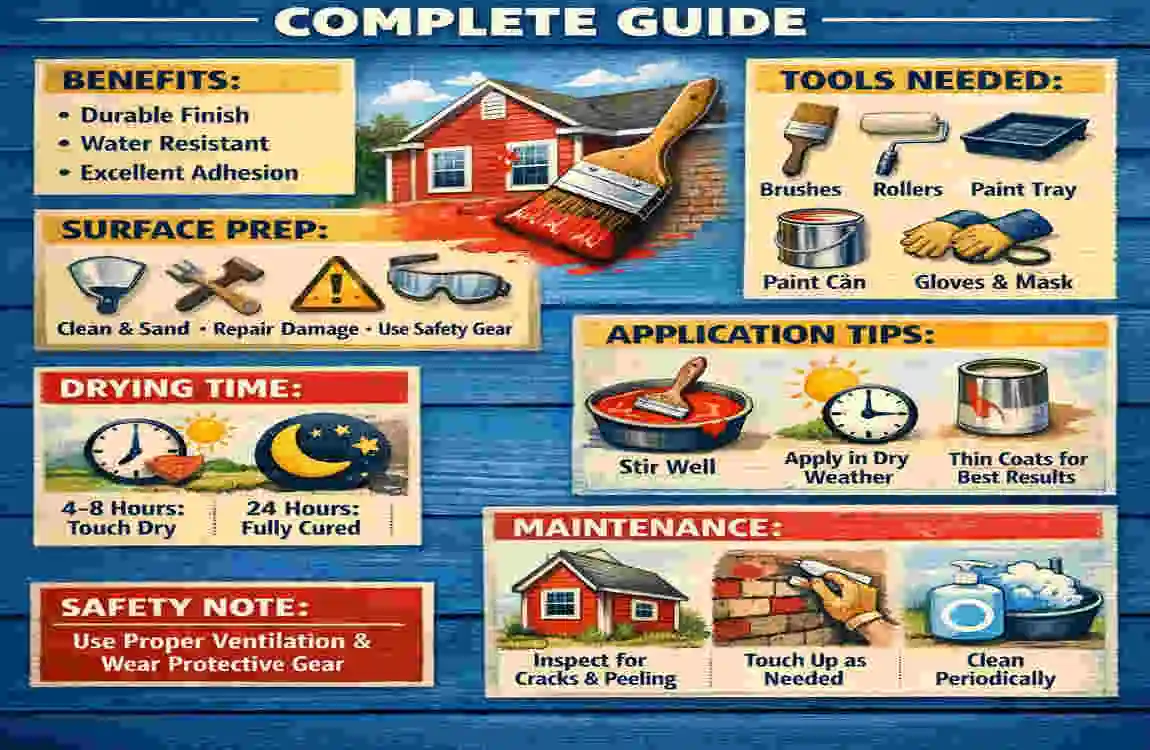
When people ask whether oil-based paint is better for exterior use, they usually want a simple answer. The truth is a little more balanced. Oil-based paint can be a strong choice for some outdoor surfaces, but it is not always the best option for every home.
Oil-based exterior paint has been used for years because it creates a hard, smooth, durable finish. Homeowners often like it for wood trim, doors, shutters, and metal areas where a tough coating matters. At the same time, modern water-based paints have improved a lot and now work better in many situations.
What Is Oil-Based Paint for Exterior Use?
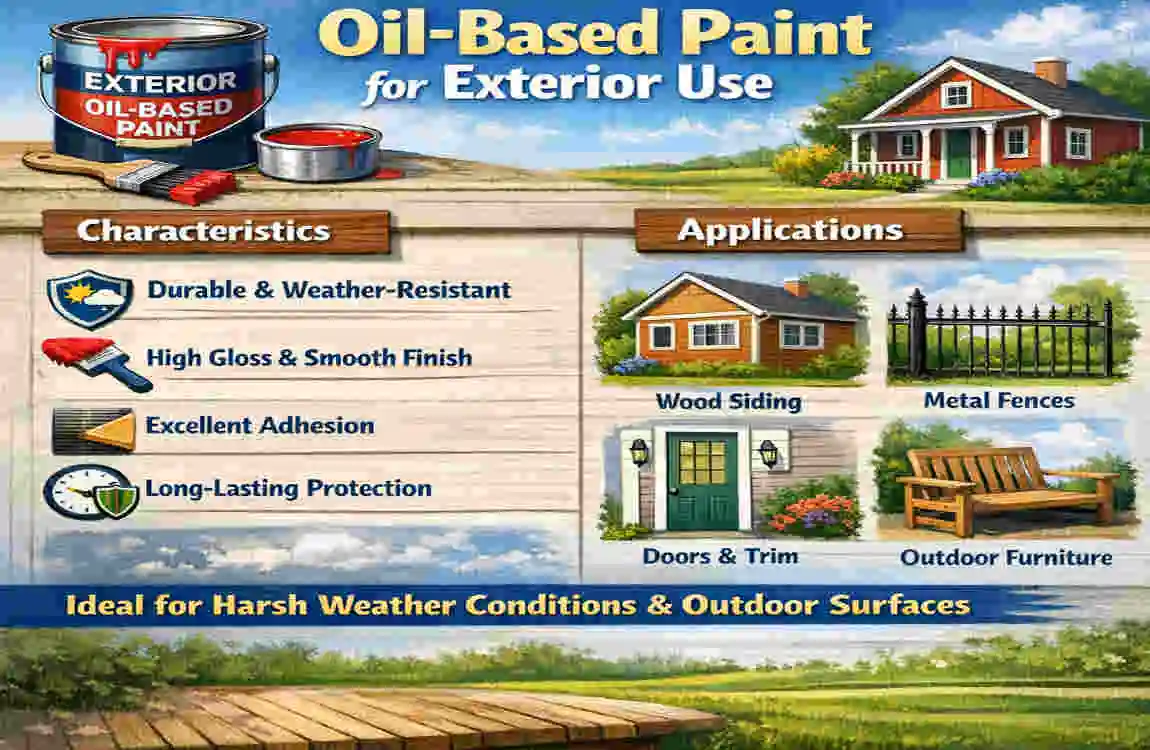
How oil-based exterior paint works
Oil-based paint uses an oil or solvent base that helps bind the pigments together. When applied, the liquid part begins to evaporate, and the paint slowly cures into a hard coating.
That slow curing process is one reason people like it for exterior work. It bonds tightly to certain surfaces and leaves a very smooth finish for some projects, which makes a big visual difference.
Common exterior surfaces for oil paint
Oil-based paint is often used on surfaces such as:
- Wood siding and trim
- Exterior doors
- Window frames
- Shutters
- Metal surfaces
- Porches and railings
These areas require strength, smoothness, and adhesion. A good oil-based coating can help protect the surface while also improving appearance.
Oil-based paint vs latex paint
Oil-based and latex paints both have their place, but they behave differently.
Here is a simple comparison:
FeatureOil-Based PaintLatex Paint
Drying time Slower Faster
Finish Very smooth Smooth, but often more flexible
Cleanup Harder Easier with water
Odour Stronger Lower odour
Flexibility Less flexible More flexible
Weather response Good on certain surfaces Better for many modern exteriors
This does not mean one is always better. It means each one fits different needs.
Is Oil-Based Paint Better for Exterior Surfaces?
Advantages of oil-based exterior paint
Oil-based exterior paint has several strengths that still matter today.
Strong adhesion
One of its biggest benefits is how well it can stick to certain surfaces. If a surface has been painted with oil-based paint before, using the same type again may give better results.
Durable finish
Oil-based paint can dry into a hard coating that holds up well on trim, doors, and other detailed surfaces. That toughness can be useful in high-touch areas.
Smooth appearance
Many homeowners like the look of oil paint because it tends to level out nicely. This can reduce brush marks and leave a refined finish.
Good coverage
Oil-based paint can sometimes cover well in fewer coats, depending on the product and colour change. That can help on smaller projects.
Works well on certain wood and metal surfaces
For some exterior woodwork and properly prepared metal, oil paint can perform very well. It can create a solid surface that resists wear.
Disadvantages to consider
Oil-based paint also has some clear downsides.
Longer drying time
It takes longer to dry and cure than many water-based paints. That means the project may take more time overall.
Strong odor
Oil paint often has a stronger smell. This can be unpleasant, especially during application and early drying.
Harder cleanup
Brushes, tools, and spills usually require paint thinner or another solvent-based cleaner. That makes cleanup more involved.
Possible yellowing
Some oil-based paints may yellow over time, especially on light colours or in areas with less sun exposure.
Less flexibility
Because oil paint is harder when dry, it may not move as well with certain surfaces that expand and contract. That can matter in changing weather.
Environmental concerns
Oil-based paints can contain more volatile compounds than many modern alternatives. That means you need to pay attention to safety, ventilation, and disposal.
When oil-based paint may be a good choice
Oil-based paint may make sense if:
- The surface was already painted with oil-based paint
- You are painting detailed woodwork
- You need a hard, smooth finish
- You are painting properly prepared metal
- The project can handle longer drying time
When water-based paint may be better
Water-based paint may be the better option if:
- The exterior surface moves or expands a lot
- You want faster drying
- You want lower odour
- The area gets changing weather and regular temperature shifts
- You want easier cleanup
So, is oil-based paint better for exterior? Sometimes yes, but not always. It depends on the job.
How to Choose the Right Oil-Based Exterior Paint
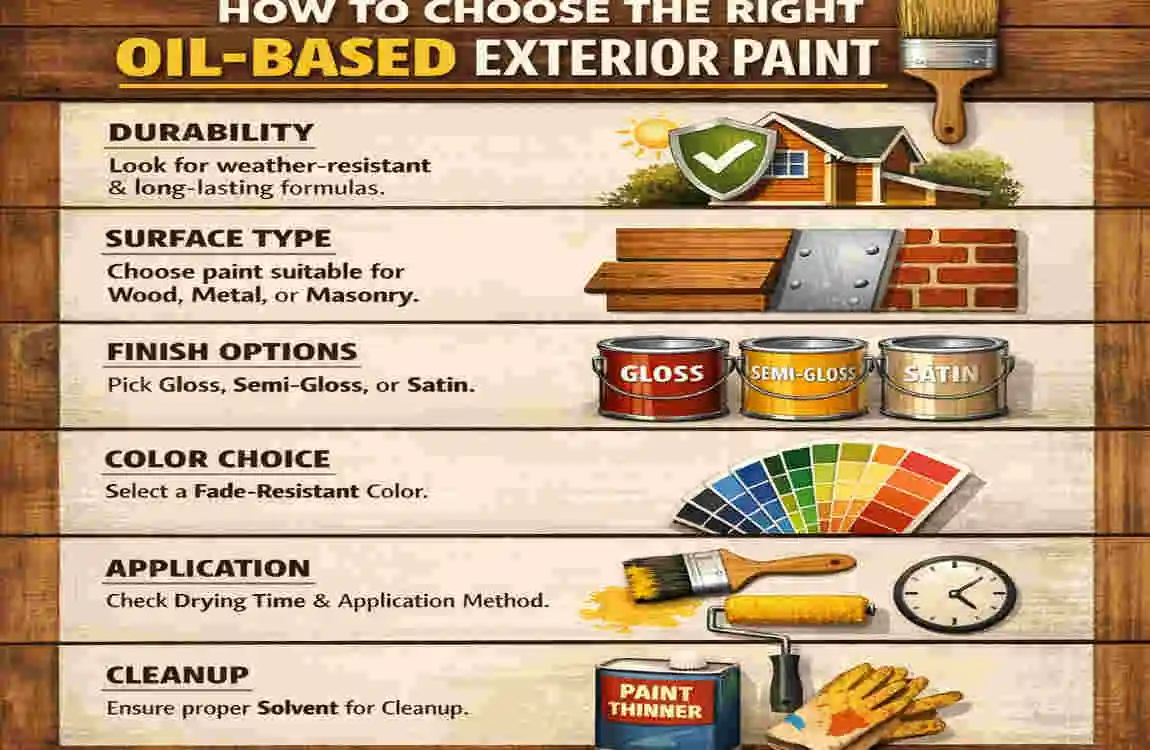
Consider the exterior surface.
Different surfaces need different paint behaviour.
Wood
Oil-based paint can work well on wood, especially trim and detail areas. But the wood must be properly dry and prepared first.
Metal
Metal surfaces can benefit from oil-based paint if you clean, prime, and protect them from rust.
Previously painted surfaces
If the old coating is oil-based, matching it with another oil-based product can be safer and more reliable.
Primed surfaces
A properly primed surface gives the paint a better base and helps the final result last longer.
Check weather and climate conditions.
Weather matters a lot in exterior painting. In hot, humid, rainy, or very cold conditions, paint can behave differently.
Before starting, think about:
- Heat
- Humidity
- Rain
- Cold temperatures
- Direct sunlight
If conditions are poor, the paint may not cure the way it should. That can shorten the finish’s life.
Choose the right finish.
Oil-based exterior paint comes in different finishes.
Gloss
Gloss gives a shiny, reflective look. It is often used for trim, doors, and details that should stand out.
Semi-gloss
Semi-gloss is a popular exterior choice because it looks polished without being too shiny. It also tends to clean more easily.
Satin
Satin has a softer sheen. It works well when you want a more subtle look.
Look at paint quality and coverage.
Not all oil-based paints are the same. Higher-quality products usually provide better coverage, stronger performance, and a longer-lasting finish.
Check for:
- Good pigment quality
- Exterior-rated use
- Strong adhesion
- Weather resistance
- Clear manufacturer instructions
How to Apply Oil-Based Paint to Exterior Surfaces
Prepare the surface first.
Good preparation is one of the most important parts of the job. Even the best paint will struggle on a dirty or damaged surface.
Before painting:
- Remove dirt and loose paint
- Scrape peeling areas
- Sand rough spots
- Repair cracks or damage
- Let the surface dry fully
This step takes time, but it helps the paint last much longer.
Use the right primer.
Primer helps the paint bond and improves the final finish.
Use primer when:
- The surface is bare wood
- The surface is bare metal
- You are covering a difficult existing coating
- The manufacturer recommends it
Make sure the primer is compatible with both the surface and the topcoat.
Gather the right tools.
You will want:
- Brushes
- Rollers
- Paint tray
- Drop cloths
- Protective gloves
- Eye protection
Using the right tools makes the application cleaner and smoother.
Apply the paint properly.
Work in manageable sections. Apply thin, even coats instead of thick ones. Thick coats can dry unevenly and may not look as good.
A few good habits:
- Do not overwork paint that is already drying
- Follow drying times carefully
- Apply the second coat only when recommended
- Keep tools clean during the job
Common application mistakes
Avoid these mistakes:
- Painting in bad weather
- Skipping surface prep
- Using too much paint at once
- Applying over damp surfaces
- Using the wrong primer
These errors can lead to peeling, poor adhesion, or an uneven look.
How Long Does Oil-Based Exterior Paint Last?
Factors that affect lifespan
How long the paint lasts depends on several things:
- Surface preparation
- Paint quality
- Climate
- Sun exposure
- Moisture
- Maintenance
A well-prepared surface with good paint can last a lot longer than a poorly prepared one.
Signs it needs repainting
Watch for:
- Peeling
- Cracking
- Fading
- Chalking
- Blistering
- Weak protection
When these signs show up, the surface may need attention soon.
Tips to extend paint life
You can help the finish last longer by:
- Cleaning surfaces regularly
- Fixing small problems early
- Checking painted areas each season
- Keeping water away from weak spots
- Repainting before damage spreads
Good maintenance protects your home and saves money later.
Oil-Based Exterior Paint Cost, Maintenance, and Safety
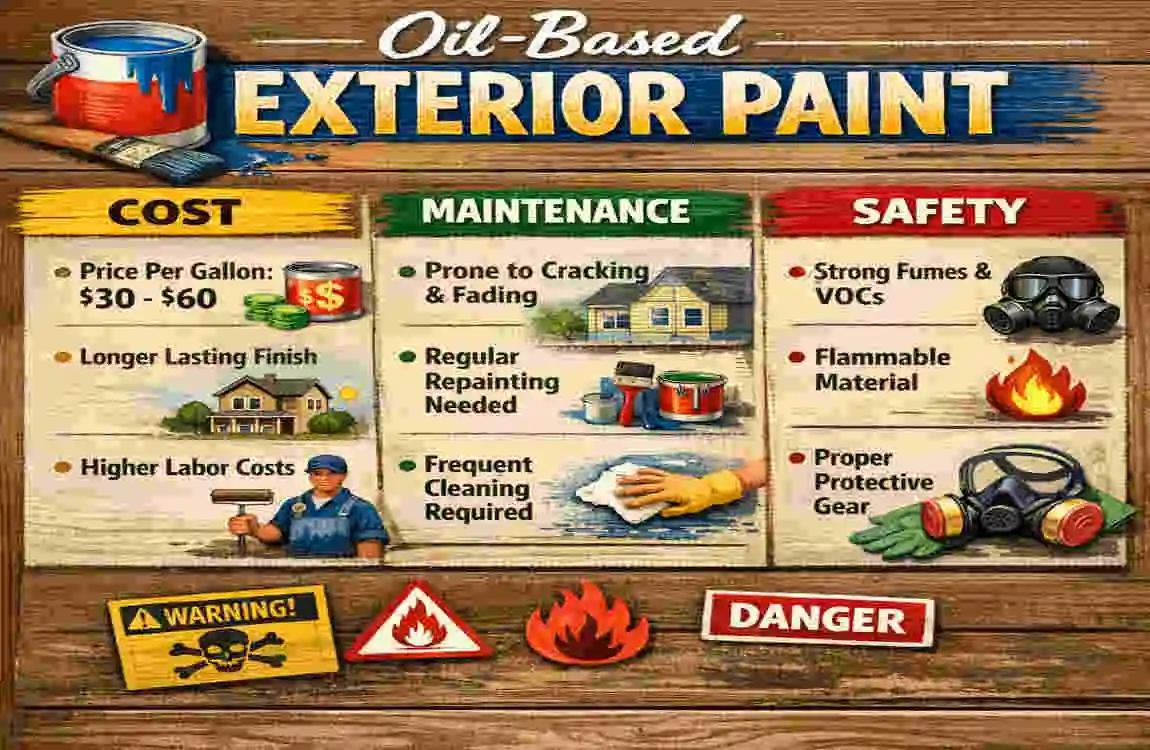
What affects the cost?
The cost of a painting project depends on:
- Amount of paint needed
- Size of the surface
- Number of coats
- Primer use
- Labor
- Surface repair work
A larger or more damaged surface will naturally cost more to paint.
Maintenance basics
Oil-based paint needs some care to stay in good shape. Clean it gently and watch for wear in areas that get direct sun or regular contact.
Touch up early if you notice small chips or cracks.
Safety and cleanup
Because oil-based paint uses stronger solvents, safety matters.
Keep these tips in mind:
- Work in good ventilation
- Wear protection for skin and eyes
- Store materials safely
- Handle thinner carefully
- Dispose of waste properly
Environmental considerations
Oil-based paints can have stronger odours and more VOCs than many water-based options. That does not make them unusable, but it does mean you should think carefully about indoor air, cleanup, and disposal rules.
Modern water-based paints have improved a lot, so many homeowners choose them for convenience and lower odour.
FAQ: Oil-Based Paint for Exterior
Is oil-based paint better for exterior?
It depends. Oil-based paint can be better for some surfaces, but not every exterior project. Surface type, climate, and existing coating all matter.
Is oil-based paint good for exterior wood?
Yes, it can be a good choice for exterior wood, especially trim and detailed areas, as long as you prepare the surface well.
Can you use oil-based paint over latex exterior paint?
Sometimes, but only with proper preparation and compatibility checks. The old coating and primer choice matter a lot.
How long does oil-based exterior paint take to dry?
It usually takes longer than water-based paint. Surface drying and full curing are different, so follow the product directions carefully.
Is oil-based paint more durable than water-based exterior paint?
Not always. Oil-based paint can be very durable on certain surfaces. Still, modern water-based paints are also strong and often more flexible.
Can oil-based paint be used on exterior metal?
Yes, if you clean, prime, and prepare the metal properly. That helps prevent rust and improves adhesion.
Does oil-based exterior paint fade?
It can fade over time, especially with sun and weather exposure. Product quality and maintenance make a big difference.
| Feature | Information |
|---|---|
| Best For | Exterior doors, trim, woodwork, and some metal surfaces |
| Durability | Strong, hard-wearing finish that handles frequent use |
| Weather Resistance | Good resistance to moisture and outdoor wear when properly applied |
| Finish | Usually smooth with a rich, glossy appearance |
| Drying Time | Generally slower than water-based exterior paint |
| Surface Preparation | Clean, dry, smooth, and properly primed surfaces are important |
| Main Benefits | Durable finish, good adhesion, and strong moisture resistance |
| Drawbacks | Strong odor, slower drying, and more difficult cleanup |
| Cleanup | Typically requires mineral spirits or paint thinner |
