

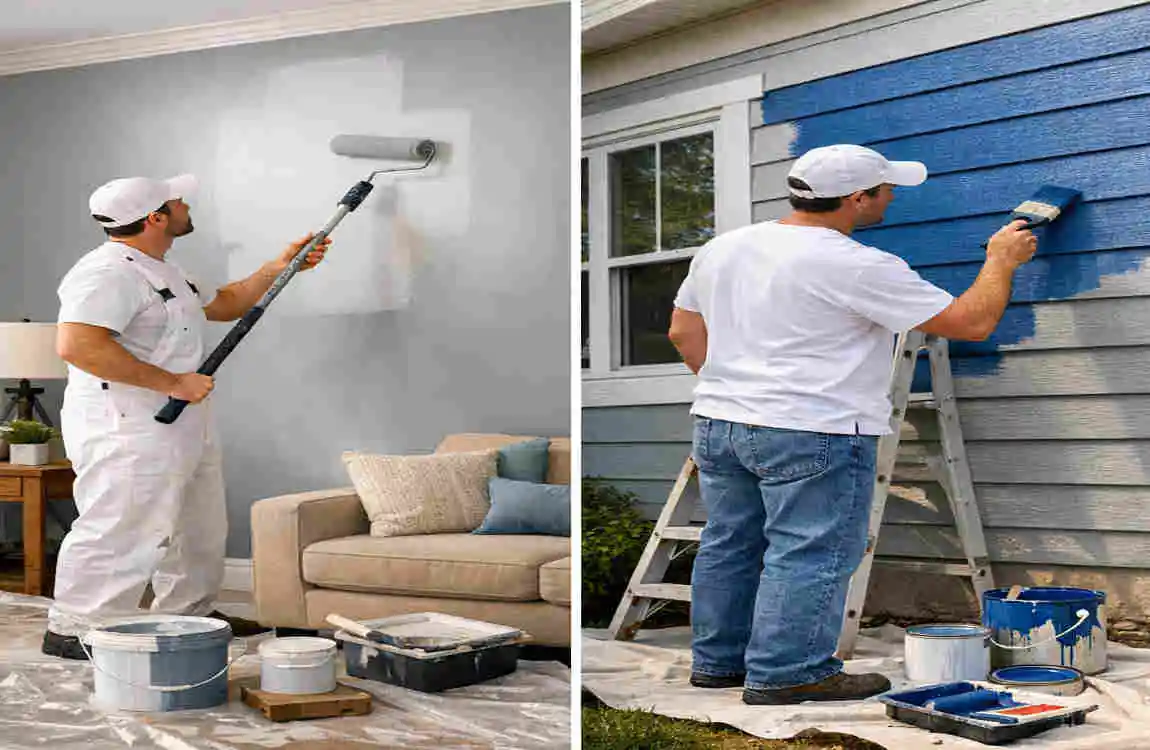
If you have ever stood in a paint aisle and wondered what’s different between interior and exterior paint, you are not alone. At first glance, both look similar. They come in many of the same colours, and they both coat walls.
Exterior paint is built to handle weather, sunlight, moisture, and temperature changes. Choosing the wrong one can lead to poor results, wasted money, and extra work later.
What Is the Difference Between Interior and Exterior Paint?
Simple definition of each paint type
Interior paint is made for rooms inside your home, like bedrooms, living rooms, kitchens, and hallways. It focuses on a smooth appearance, easy cleaning, and low odour.
Exterior paint is made for outdoor surfaces, like siding, trim, fences, and masonry. It focuses on protection, durability, and weather resistance.
Why the difference matters
Paint is not just about colour. It also protects the surface underneath.
If you use the wrong paint, it may peel, crack, fade, or wear out too quickly. That is why surface location matters just as much as colour choice.
Quick comparison
- Interior paint = made for indoor comfort and cleaning
- Exterior paint = made for outdoor protection and weather resistance
Location and surface matter
A kitchen wall does not face rain and sunlight. A house exterior does. That difference changes what the paint must do.
So before buying paint, always ask one simple question: Where will this paint live?
How Interior Paint Is Made for Indoor Spaces
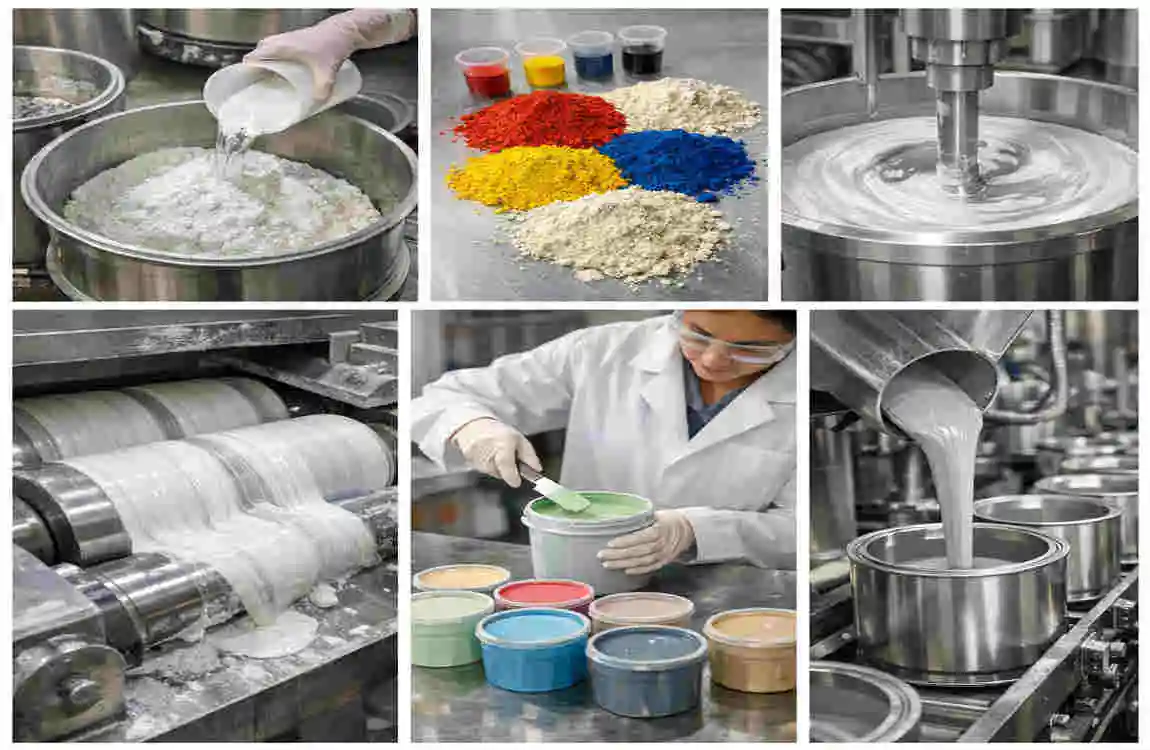
Common ingredients in interior paint
Interior paint usually contains pigments, binders, water or solvents, and additives. These ingredients help create smooth coverage and a clean finish.
The formula is designed to look good and perform well in controlled indoor conditions.
Low-VOC and low-odour formulas
Many interior paints use low-VOC or low-odour formulas. VOCs are chemicals that can release fumes into the air.
This matters indoors because people live and breathe in these spaces. Lower odour and fewer fumes make interior paint more comfortable to use.
Washability and stain resistance
Indoor walls often need cleaning. Children, pets, cooking, and daily use can leave marks behind.
That is why many interior paints resist stains and allow gentle washing. Some finishes clean better than others, which helps in busy areas.
Common interior paint finishes
Interior paint comes in several finishes, and each one works best in different rooms:
- Flat or matte: Good for ceilings and low-traffic rooms
- Eggshell: Soft look, good for living rooms and bedrooms
- Satin: Easy to clean, good for hallways and family rooms
- Semi-gloss: Better for kitchens, bathrooms, doors, and trim
Best rooms for different types
A bedroom often looks best with a soft matte or eggshell finish. A bathroom or kitchen may need satin or semi-gloss because moisture and cleaning are more common there.
Why interior paint should not face outdoor conditions
Interior paint isn’t built for sunlight, rain, freezing temperatures, or high humidity. If you put it outside, it can break down quickly.
It may fade, peel, or lose its grip on the surface.
How Exterior Paint Handles Outdoor Conditions
Built for protection
Exterior paint is made to protect surfaces from harsh conditions. It has stronger binders and special ingredients that help it stay in place.
This makes it more durable outside than indoor paint.
Resistance to sunlight and UV exposure
The sun can damage paint over time. UV rays can cause fading and weaken the finish.
Exterior paint is designed to resist this better than interior paint. That helps the colour last longer.
Protection from rain, humidity, and temperature changes
Outdoor surfaces expand and contract as temperatures change. Rain and moisture also create pressure on the paint film.
Exterior paint is made to flex more and handle these changes. This helps reduce cracking and peeling.
Resistance to peeling, cracking, and fading
Because it faces the weather every day, exterior paint must stay strong. It is made to resist:
- Peeling
- Cracking
- Blistering
- Fading
- Mildew growth
Exterior paint finishes
Exterior paint also comes in different finishes, such as flat, satin, and semi-gloss. The choice depends on the surface and the look you want.
For example, trim often uses a shinier finish because it is easier to clean and looks sharper.
How exterior paint protects surfaces
Exterior paint does more than decorate. It helps protect siding, wood, brick, and masonry from moisture damage and weather wear.
That protection can help the surface last longer.
Interior vs. Exterior Paint: Key Differences Explained
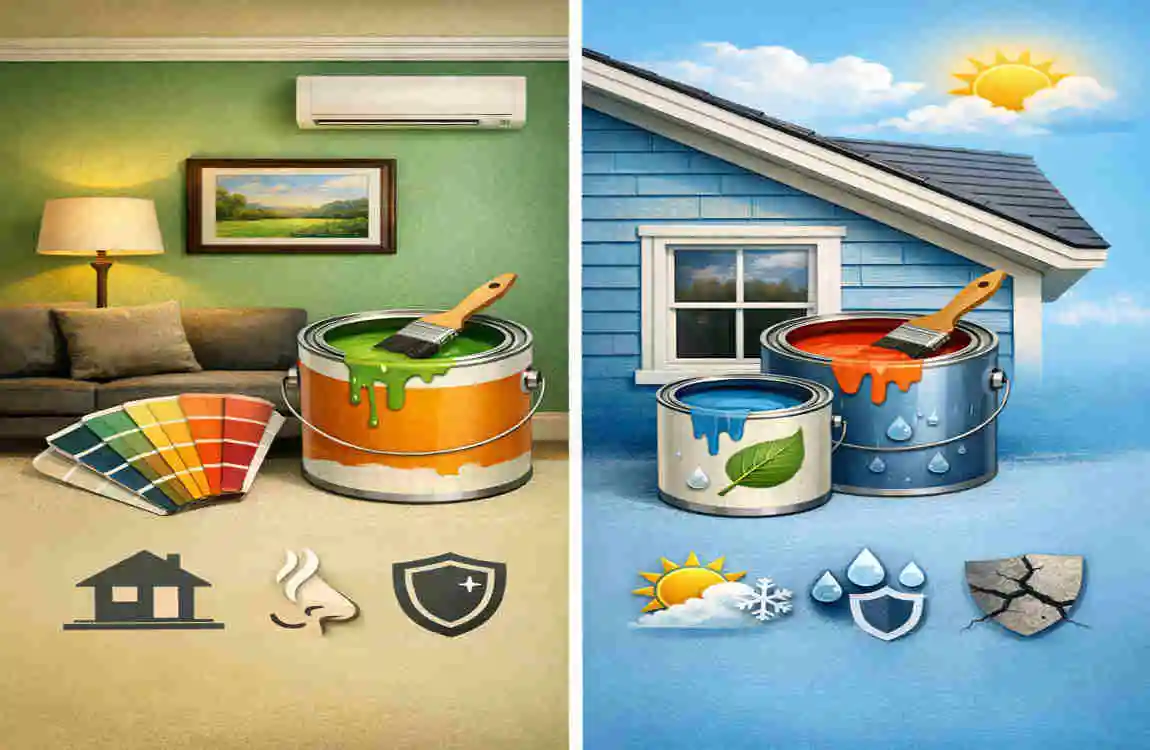
Here is a simple table to make the differences easier to see:
FeatureInterior PaintExterior Paint
Main use Indoor walls and ceilings Outdoor walls and surfaces
Weather resistance Low High
UV resistance Limited Stronger
Moisture resistance Moderate Higher
Flexibility Lower Higher
Odor/VOCs Often lower Can be higher
Common surfaces Drywall, plaster, wood Siding, masonry, exterior wood
Main goal Appearance and easy cleaning Protection and durability
Durability
Interior paint handles daily indoor wear like scuffs, fingerprints, and light cleaning. Exterior paint handles much tougher conditions like wind, heat, rain, and sun.
Weather resistance
This is one of the biggest differences. Interior paint is not made to survive changing weather. Exterior paint is.
Flexibility
Outdoor surfaces move more because of heat and cold. Exterior paint is more flexible so that it can stretch and shrink with the surface.
Moisture and mildew resistance
Exterior paint usually has stronger protection against moisture and mildew. Interior paint may resist some moisture, but it is not made for constant exposure.
Colour retention and fading
Sunlight can cause indoor-grade paint to fade quickly outside. Exterior paint has better colour protection.
VOC levels and indoor air quality
Interior paint is often made with lower odour and fumes to protect indoor air quality. Exterior paint does not always need the same indoor safety focus.
Finish and appearance
Interior paint often focuses more on smoothness and a soft look. Exterior paint focuses more on protection first, appearance second.
Cleaning and maintenance
Interior walls may need frequent wiping. Exterior walls need less hand cleaning, but they must survive weather and dirt over time.
Typical lifespan
Interior paint can last many years with normal care. Exterior paint may last a similar amount of time, but only if the surface is well prepared and the climate isn’t too harsh.
Can You Use Interior Paint Outside or Exterior Paint Inside?
Using interior paint outside
This is usually a bad idea. Interior paint can break down fast when exposed to rain, sunlight, and temperature swings.
It may fade, peel, and stop sticking to the surface.
Using exterior paint inside
You can sometimes use exterior paint indoors in special situations. Still, it is usually not the best choice for normal living spaces.
It may have stronger odours or more fumes than interior paint, which can make indoor use less comfortable.
When specialty paints may help
Some areas need a special type of paint. For example, bathrooms, kitchens, garages, and basements may need moisture-resistant paint or a tougher finish.
Choose by surface, not colour.
Don’t choose paint based only on the colour sample. Always check whether the paint is made for indoor or outdoor use.
That one step can save you from costly repainting later.
How to Choose the Right Paint for Your Home
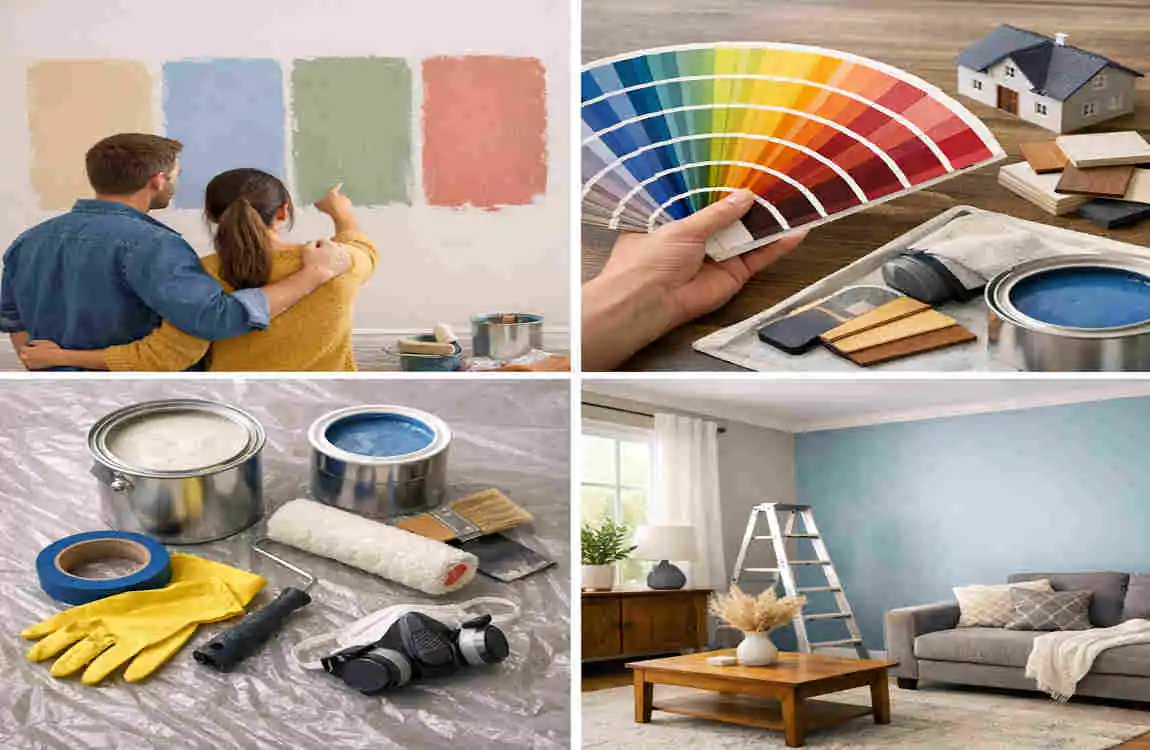
Start with the location.
Ask yourself whether the surface is indoors or outdoors. That is the first and most important step.
Look at the surface type.
Different materials need different paint choices:
- Drywall
- Plaster
- Wood
- Brick
- Concrete
- Metal
- Masonry
Pick the right finish.
Finish affects both appearance and cleaning. Lower-sheen finishes hide marks better, while shinier finishes wipe clean more easily.
Think about moisture
Bathrooms, kitchens, and exterior walls handle moisture differently. Choose paint that matches the amount of exposure.
Consider your climate
Hot sun, heavy rain, high humidity, or cold winters can all affect how paint performs outside.
Use primer when needed.
Primer helps paint stick better and creates a more even surface. It is especially useful on bare, stained, patched, or difficult surfaces.
Avoid common mistakes
Some common paint-buying mistakes include:
- Buying the wrong type of paint
- Ignoring surface preparation
- Choosing the wrong sheen
- Forgetting primer
- Using indoor paint outdoors
FAQ About Interior and Exterior Paint
What’s the difference between interior and exterior paint?
Interior paint is made for indoor spaces and focuses on appearance, easy cleaning, and lower odour. Exterior paint is made for outdoor surfaces and focuses on weather resistance, flexibility, and durability.
Can I use interior paint on exterior walls?
No, not usually. Interior paint is not made to handle rain, UV rays, or changing temperatures.
Can I use exterior paint inside the house?
It can be used in some cases, but it is usually not the best choice for living areas because of odour, ventilation, and indoor comfort.
Is exterior paint more durable than interior paint?
Yes, but only for outdoor conditions. Interior paint is durable in a different way, mainly for indoor wear and cleaning.
Does exterior paint fade faster than interior paint?
It can fade in strong sunlight, but exterior paint is made to resist fading better than interior paint.
Which paint is better for bathrooms?
A moisture-resistant interior paint, usually satin or semi-gloss, is often best for bathrooms.
How long does interior paint last?
It depends on room use, cleaning, surface prep, and paint quality. In many homes, it can last for years.
How long does exterior paint last?
That depends on climate, preparation, and maintenance. Good exterior paint often lasts several years outdoors.
| Feature | Interior Paint | Exterior Paint |
|---|---|---|
| Main Use | Walls, ceilings, rooms | Exterior walls, siding, trim |
| Weather Resistance | Low | High |
| UV Protection | Limited | Strong UV resistance |
| Moisture Resistance | Moderate | High |
| Durability | Designed for indoor wear | Designed for harsh outdoor conditions |
| Flexibility | Less flexible | More flexible to handle temperature changes |
| Mildew Resistance | Usually moderate | Usually stronger |
| Finish Options | Matte, eggshell, satin, semi-gloss | Flat, satin, semi-gloss, gloss |
