

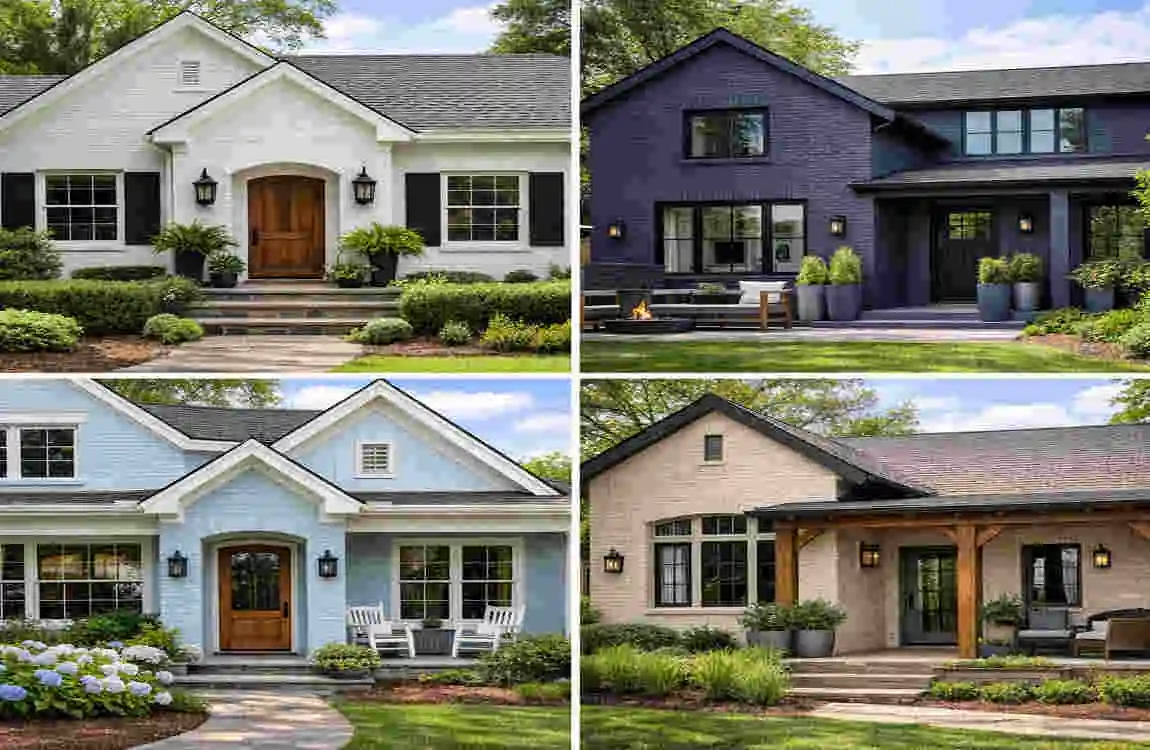
Painting brick can give your home a fresh new look. It can make an older exterior feel cleaner, more modern, and better matched to the rest of the house. If your brick is stained, uneven in color, or looks outdated, paint can make a big visual difference.
At the same time, painting brick is a long-term change. Once you paint it, you are no longer working with the natural brick look in the same way. You also need to think about moisture, maintenance, and the condition of the masonry before you start.
Why homeowners paint exterior brick
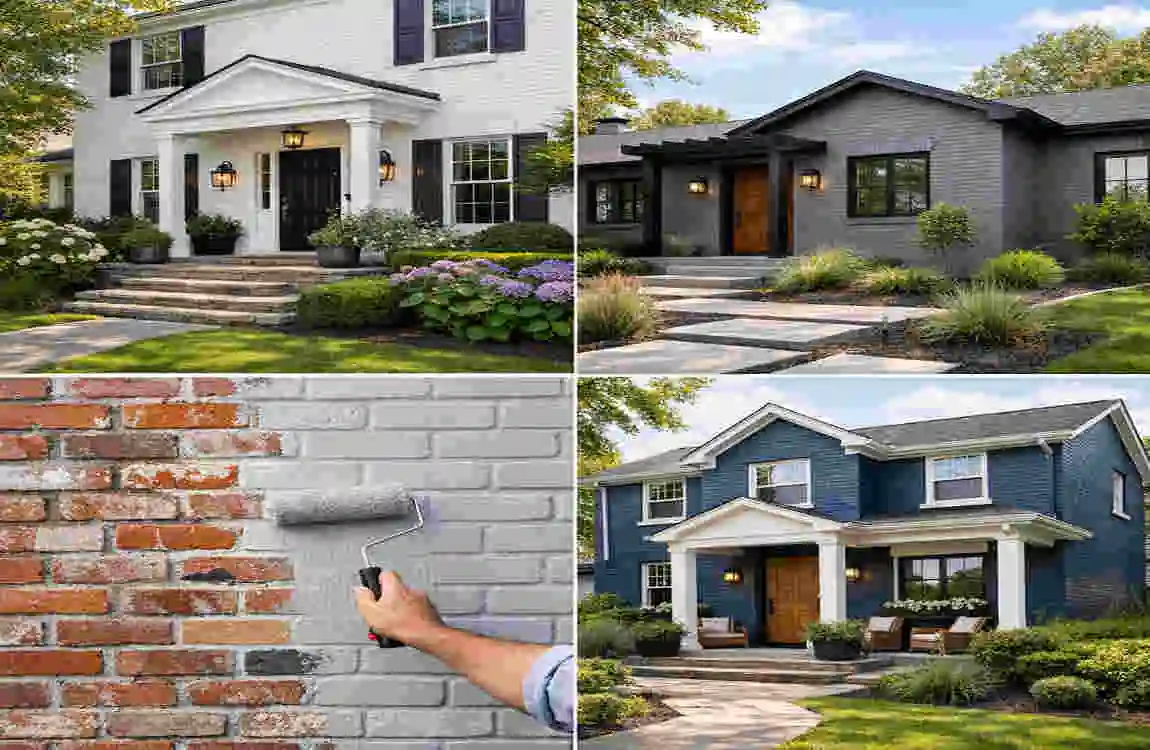
Homeowners usually paint brick for a few simple reasons. They want the house to feel newer, cleaner, or more in line with their style.
Common reasons include:
- Updating an old-looking exterior
- Creating a more modern appearance
- Matching the brick with trim, doors, or roofing
- Covering stains or uneven color
- Improving curb appeal
If the home feels dark or visually heavy, painting the brick can also help lighten the overall look.
Paint changes more than color.
Painting brick does not just change how the house looks. It also changes how the surface behaves over time.
Natural brick has a different texture and appearance than painted brick. Paint creates a more uniform finish, which many homeowners like. But it may also need more upkeep later, especially if the paint begins to fade, peel, or collect dirt.
Painted brick vs. whitewashing and limewashing
These terms are often mixed up, but they are not the same.
- Painting gives brick a full, solid color.
- Whitewashing creates a lighter, more transparent look.
- Limewashing gives a soft, textured finish that still lets some of the brick show through.
If you want a bold, clean finish, paint may be best. If you want something softer and more natural, limewash or whitewash may be a better fit.
Benefits of Painting Exterior Brick
Gives the home a fresh appearance
One of the biggest reasons people paint brick is simple: it looks fresh.
Old brick can sometimes feel heavy, dark, or uneven. A coat of paint can brighten the entire front of the home and make it feel more inviting.
This is especially helpful if you are trying to improve curb appeal before selling or want your home to feel more updated.
Offers more design choices
Natural brick has a fixed look. Paint gives you far more freedom.
You can choose crisp white, warm beige, moody charcoal, or a soft neutral shade. That makes it easier to match the exterior with your style and with the rest of the property.
Can work with many home styles
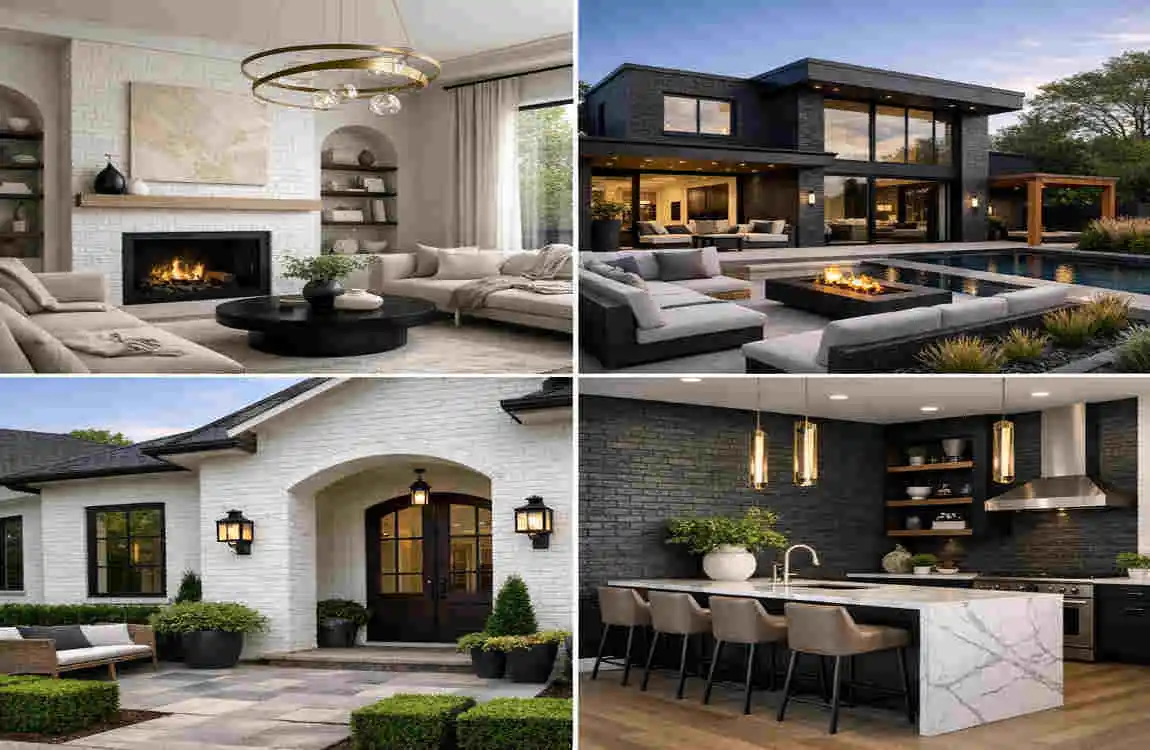
Painted brick can look good on many types of homes. It may suit a modern house, a farmhouse-style home, a traditional property, or even a mixed-style exterior.
The key is choosing the right color and finish so it feels connected to the overall design.
Makes architectural details stand out
A painted brick exterior can help certain parts of the home stand out more clearly.
For example, window trim, shutters, doors, and roof lines may look more defined once the brick is painted. That can help the home feel more polished and visually balanced.
Popular exterior brick paint colors
The best color depends on the house style and the feeling you want to create. Some of the most common choices are:
- White and off-white
- Gray and charcoal
- Beige and cream
- Black accents
- Soft neutral tones
White and off-white often create a classic, clean look. Gray and charcoal can feel more modern. Beige and cream usually feel warm and timeless. Black can be dramatic when used carefully.
How color choice affects curb appeal
Your brick color should work with the rest of the house, not fight against it.
If your roof is dark, a lighter brick may create a nice balance. If your trim is white, soft gray or cream brick may look elegant. If you have bold landscaping, a neutral brick color often helps the whole exterior feel more organized.
Drawbacks and Risks of Painting Exterior Brick
It is a permanent style change.
One of the biggest downsides is that paint changes the brick permanently.
Brick was originally designed to show its natural surface. Once painted, that original look is covered. While you can remove paint in some cases, the process isn’t always easy, clean, or complete.
Maintenance is ongoing
Painted brick needs care over time. It may need touch-ups, cleaning, or a full repaint later.
If you want a very low-maintenance exterior, natural brick may be a better fit. Painted brick looks beautiful, but it usually needs more attention than unfinished brick.
Moisture can become a problem.
Brick needs to breathe. That means it must release moisture naturally.
If you use the wrong paint or don’t prepare the surface properly, moisture can get trapped behind it. That can lead to peeling, cracking, or damage to the masonry underneath.
Some homes should not be painted.
Not every brick home is a good candidate for paint. If the brick is already damaged, unstable, or historically important, painting may cause more harm than good.
You should think twice before painting if:
- The brick already has moisture problems
- The mortar joints are deteriorating
- The surface is crumbling or loose
- The home is historically significant
- Water is entering through the wall
If any of these issues exist, assess the masonry first.
Painted brick can show weathering.
Painted surfaces may show dirt, fading, or wear more easily than natural brick. Depending on the color, you may notice stains or the need for touch-ups sooner than expected.
Dark colors can fade. Light colors can show grime. Either way, the finish will need care.
How to Prepare Exterior Brick for Painting
Inspect the brick first.
Before anything else, inspect the brick and mortar closely. Check for cracks, loose sections, or signs of water damage.
The goal is to make sure the wall is stable enough for paint. If the brick is already failing, paint will not solve that problem.
Clean the surface thoroughly.
Remove dirt, mildew, dust, and stains before painting. A clean surface helps the paint bond better and last longer.
This step matters more than many homeowners realize. If the brick is dirty or damp, the finish may not hold up well.
Let the masonry dry completely.
Brick should be fully dry before painting. If you paint too soon after rain or cleaning, trapped moisture can cause problems later.
Drying time is especially important in damp or humid climates.
Repair damaged areas first.
If mortar joints are cracked or loose, repair them before painting. Small repairs now can help prevent bigger issues later.
Also remove any loose old coating if the brick was painted before. A stable base gives a much better final result.
Protect nearby surfaces
Cover windows, doors, plants, and walkways before you begin. Paint overspray or splatter can be hard to clean once it dries.
A little prep makes the whole job smoother.
Choosing the Right Paint for Exterior Brick
Use masonry-friendly products
Not every paint works well on brick. Exterior brick needs a coating made for masonry surfaces.
Masonry paint or a breathable exterior coating is usually the safer choice because it allows moisture to escape more naturally.
Primer may be needed.
Depending on the surface and the product, a primer may help the paint stick better and last longer. The exact product should match the brick and the climate.
Always check the manufacturer’s recommendations before starting.
Think about weather conditions.
The local climate matters. Areas with heavy rain, high humidity, or big temperature swings need careful product selection.
A paint that works well in one region may not perform the same way somewhere else.
Brush, roller, or spray?
You can apply brick paint in different ways.
- Brushes work well for detailed areas and textured surfaces.
- Rollers cover larger sections more quickly.
- Sprayers can speed up the job, especially on rough brick.
Many professionals use a combination of spraying and back-rolling to help the paint reach all the texture in the brick.
Which finish should you choose?
Paint is usually best when you want a strong color change and a clean, finished look.
Limewash may be better if you want a softer, more breathable finish. Whitewashing works well for a lighter, more casual appearance. If your brick is already beautiful, natural brick may be the smartest choice.
Cost, Maintenance, and Lifespan of Painted Brick

What affects the cost
The cost of painting exterior brick depends on several things:
- The size of the home
- The condition of the brick
- The amount of prep work needed
- The cost of paint and primer
- How difficult the walls are to reach
- Whether you hire a pro or do it yourself
A home that needs a lot of repair or cleaning will usually cost more than one with clean, stable brick.
DIY vs. professional work
DIY painting can save money, but it also takes time and care. If the brick is large, high, damaged, or complicated, a professional may be the safer choice.
A pro can often help with preparation, product selection, and application quality, which can improve the final result.
How long painted brick lasts
Painted brick can last many years, but it depends on the product, climate, and maintenance. Eventually, the surface may need touch-ups or repainting.
If you want a long-lasting exterior, consider upkeep before you start.
How to maintain painted brick
Good maintenance helps the finish last longer. Keep it simple and regular:
- Inspect the surface every season
- Clean dirt gently
- Watch for peeling or cracking
- Check mortar joints for damage
- Fix water leaks quickly
- Touch up small problem areas early
Avoid harsh cleaning methods, since they can damage the finish.
FAQ About Painting Exterior Brick
Is painting exterior brick a good idea for every home?
No. It works well for some homes, but not for all. Check brick condition, moisture levels, and long-term maintenance needs first.
Does painting brick damage the brick?
It can, if you use the wrong paint or moisture gets trapped. Proper preparation and breathable products help reduce risk.
What type of paint is best for exterior brick?
A masonry-friendly, breathable exterior coating is usually the best choice.
Can you paint brick that has already been painted?
Yes, but you should check, clean, and prepare the surface properly first.
How long does exterior brick paint last?
It depends on the climate, paint quality, and upkeep. Some surfaces last many years before needing repainting.
Is it better to paint or limewash exterior brick?
It depends on the look you want. Paint gives a stronger, more solid finish. Limewash gives a softer, more natural one.
Can painted brick be returned to its original appearance?
Sometimes, but removal can be difficult and may not fully restore the original look.
Does painting exterior brick require a primer?
Often, yes. It depends on the product and the masonry’s condition.
How much does it cost to paint a brick house exterior?
Costs vary widely based on house size, prep work, and whether you hire a professional.
Can you paint brick in any weather?
No. Weather and drying conditions matter. The surface should be dry, and the temperature should suit the product you use.
| Aspect | Short Information |
|---|---|
| Appearance | Gives old brick a fresh, modern look and can improve curb appeal. |
| Protection | Quality exterior paint can add a layer of protection against weather and moisture. |
| Maintenance | Painted brick may require touch-ups and repainting over time. |
| Moisture | Use breathable masonry paint to reduce the risk of trapping moisture inside the brick. |
| Color Options | White, gray, cream, beige, and darker shades can create different exterior styles. |
| Cost | Costs depend on wall size, surface preparation, paint type, and labor. |
| Durability | Proper preparation and suitable masonry paint can help the finish last longer. |
| Best For | Homes with stained, faded, mismatched, or outdated exterior brick. |
