

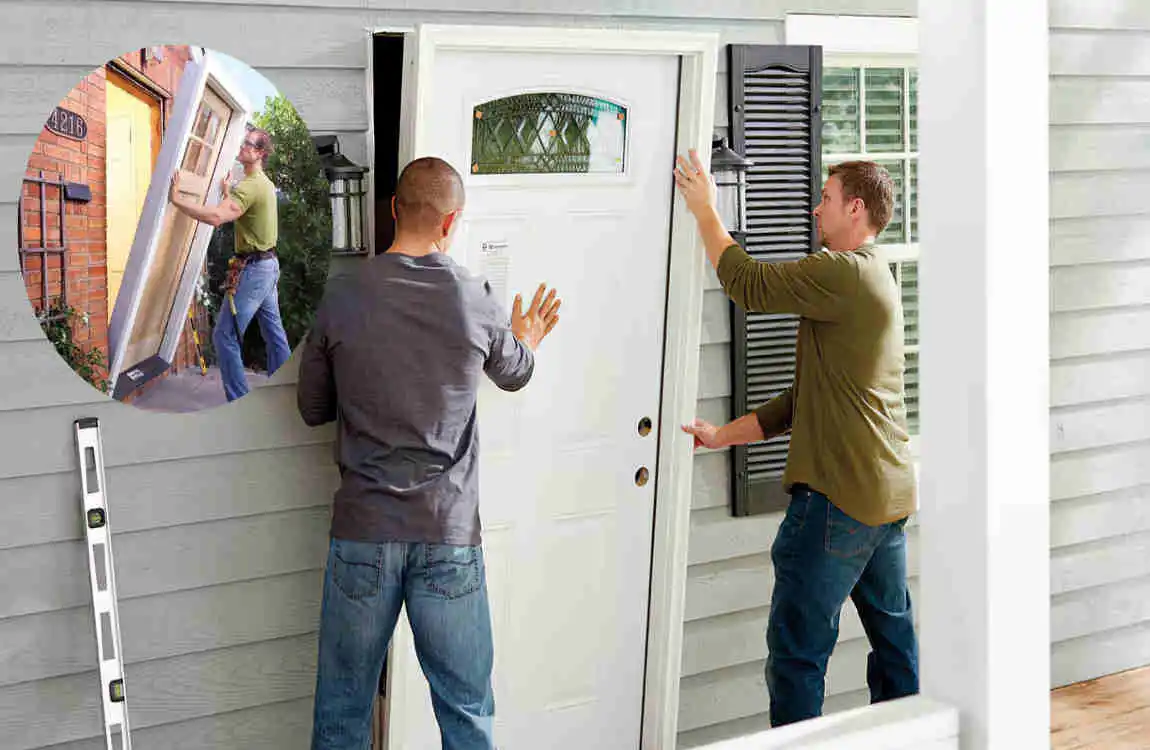
Replacing an old exterior door can make a noticeable difference to your home. A new door can improve security, energy efficiency, weather protection, and curb appeal while also making everyday use easier.
If your existing door sticks, allows drafts, has damaged trim, or shows signs of moisture damage, replacing it with a prehung exterior door may be a practical solution.
A prehung door comes with the door slab already attached to its frame, which can make installation easier than fitting a new door slab into an existing frame.
If you are wondering how to replace a prehung exterior door, the basic process involves measuring the opening, removing the old door and frame, positioning the new unit, shimming and leveling it, securing the frame, and sealing the surrounding gaps.
The most important part is not simply getting the door into the opening. You need to make sure the frame is level, square, secure, and properly weatherproofed.
What Is a Prehung Exterior Door?
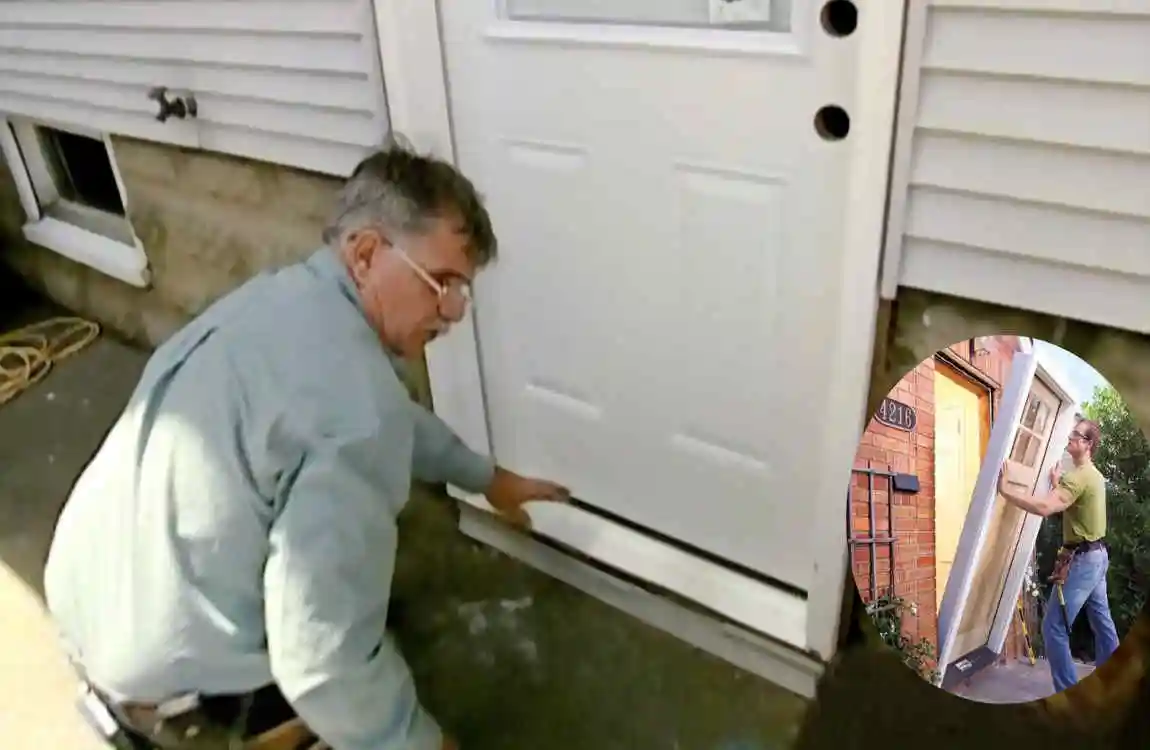
A prehung exterior door is a complete door unit that usually includes the door slab, frame, hinges, and other pre-installed components.
Instead of installing a door into an existing frame, you install the complete unit into the prepared opening.
This can save time because many of the basic components are already assembled.
What Comes With a Prehung Door?
A typical prehung exterior door may include:
- Door slab
- Door frame or jamb
- Hinges
- Door stop
- Pre-installed hardware components, depending on the product
- Sill or threshold in many exterior units
Components vary by manufacturer, so check the door package before starting.
The frame is particularly important because it controls how the door sits in the opening. If the frame isn’t positioned correctly, the door may rub, fail to latch, or leave uneven gaps.
Prehung vs. Slab Door
A slab door is essentially the door panel by itself. You normally need to prepare or reuse a frame and install hinges and hardware separately.
A prehung door includes the door and frame as a unit.
For many replacement projects, a prehung unit can be a convenient choice because you are replacing the complete door system rather than trying to make a new door work with an old frame.
If the existing frame is damaged, warped, or affected by moisture, replacing the entire unit may make more sense.
How to Prepare for Prehung Exterior Door Replacement
Good preparation can make the actual installation much easier.
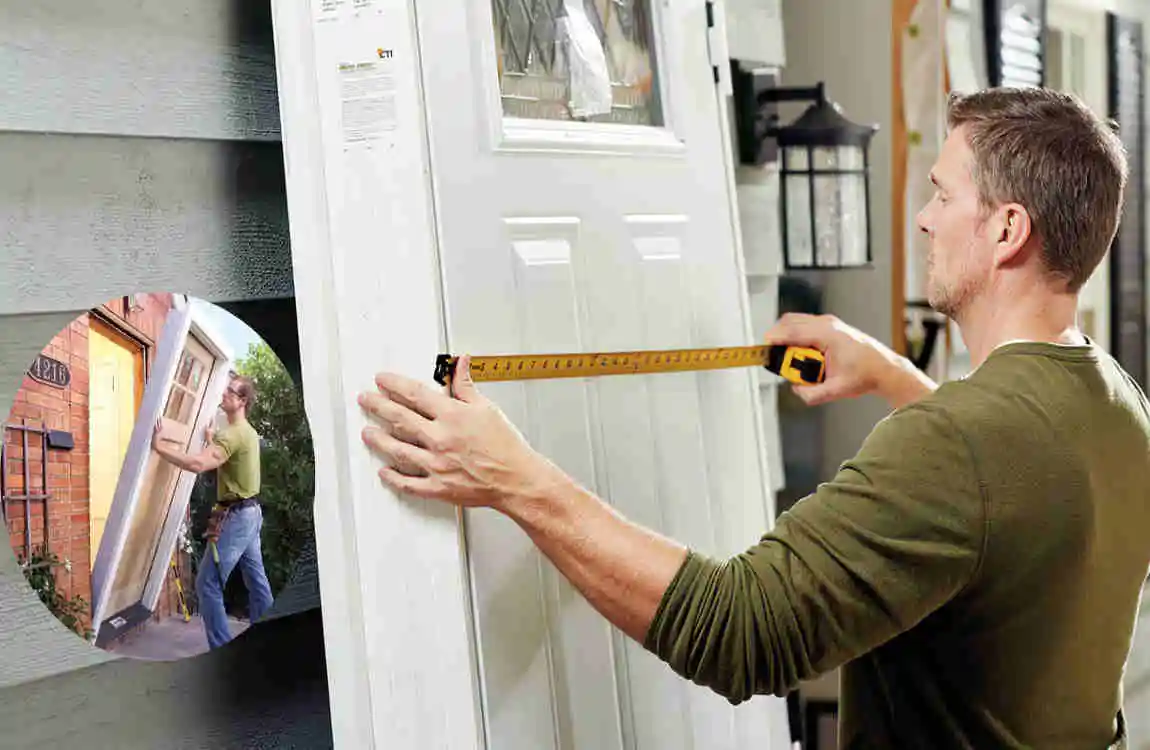
Before removing the old door, take careful measurements and make sure the replacement unit fits the existing opening.
Measure the Existing Door Opening
Measurements are one of the most important parts of replacing a prehung exterior door.
Don’t just measure the existing door slab and assume the replacement unit will fit.
You need to consider the rough opening, which is the structural opening where the door assembly is installed.
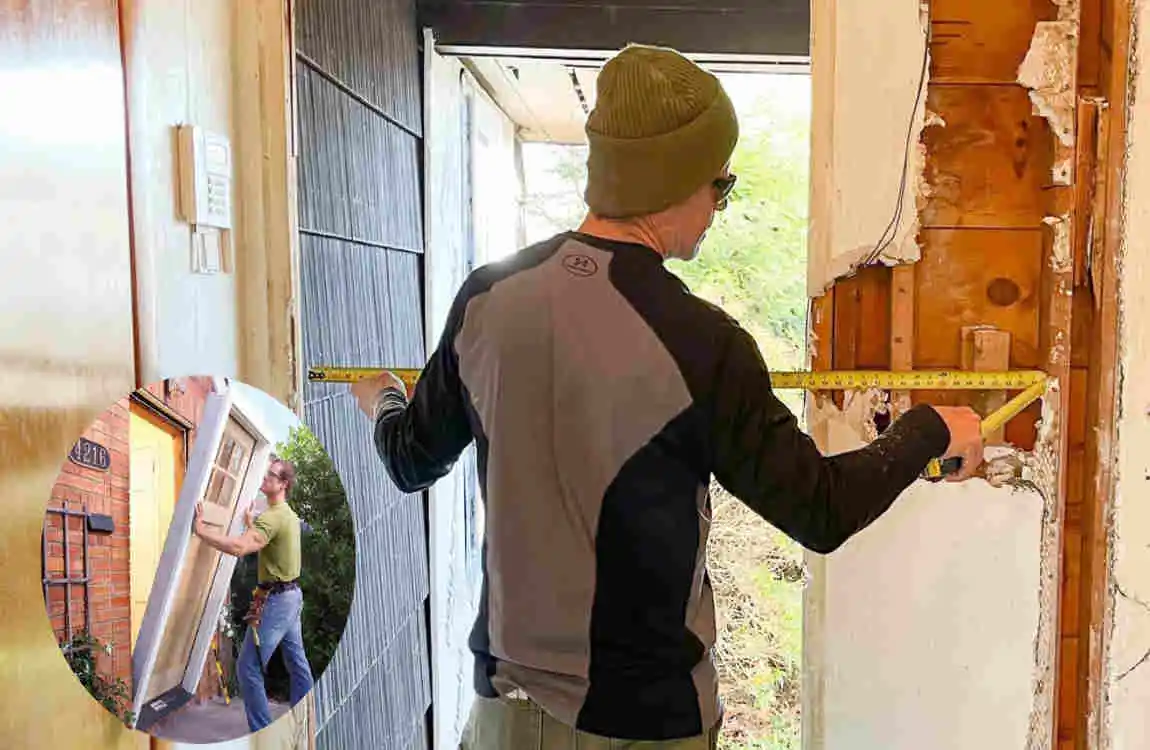
Measure the opening at several points because older openings may not be perfectly square.
Check:
- Opening width
- Opening height
- Rough opening dimensions
- Existing frame depth
- Wall thickness
- Sill condition
- Available clearance around the frame
Measure the width near the top, middle, and bottom. Also check the height on both sides.
If measurements vary, use the smallest relevant measurement when evaluating whether the replacement unit will fit.
Remove the Old Exterior Door
Start by carefully removing the existing door.
If possible, remove the door slab from its hinges first. This makes the frame lighter and easier to handle.
Next, carefully remove the interior and exterior trim. Avoid damaging surrounding siding, drywall, or other finished surfaces.
Once the trim is removed, locate the fasteners holding the old frame in place.
Remove the screws or other fasteners, then carefully remove the old frame.
Inspect the Opening for Damage
Don’t rush this important step.
Look around the opening for:
- Rot
- Soft wood
- Water damage
- Mold or moisture problems
- Cracked materials
- Damaged sill areas
- Structural concerns
If you find significant water or structural damage, fix the underlying problem before installing the new door.
Installing a new door over a damaged opening can create problems later.
How to Replace a Prehung Exterior Door Step by Step
Now you can begin the main exterior door installation process.
Take your time during this stage. Small alignment errors can cause noticeable problems when you operate the door.
Position the New Door
Before placing the unit into the opening, check the manufacturer’s installation requirements.
Depending on the door design, the sill may need appropriate sealant or flashing beneath it.
Carefully place the prehung unit into the rough opening.
Make sure the unit is positioned correctly and that the exterior side faces outward.
Don’t drive all the screws in immediately. Adjust the frame first.
Check the Hinge Side
Start with the hinge side because it helps set the door’s position.
Use a level to check whether the jamb is vertical.
If the jamb is not straight, use shims to make small adjustments.
The goal is to create a stable, straight frame that allows the door to move freely.
Shim and Level the Door
Door shimming is one of the most important parts of installation.
Shims are thin pieces of material placed between the door frame and rough opening to adjust alignment.
Place them at appropriate points around the frame, particularly near hinge locations and other fastening points.
Check the frame repeatedly with your level.
Don’t assume one measurement is enough. As you add shims and fasteners, the frame can move slightly.
Make Sure the Frame Is Square
A frame can be level but still not be perfectly square.
Check the relationship between the jambs and the top of the frame.
You can also compare the diagonal measurements from opposite corners. Similar diagonal measurements generally indicate that the frame is closer to square.
A square frame helps the door maintain an even reveal and operate properly.
Secure the Door Frame
Once the frame is correctly positioned, install the appropriate fasteners.
Drive the screws through the frame and shims according to the door manufacturer’s instructions.
Avoid overtightening.
If you pull the frame too tightly against the opening, you can distort the jamb. This may cause the door to rub or create uneven gaps.
After installing each group of fasteners, stop and check the frame again.
Test the Door
Testing the door before finishing the installation is essential.
Open and close it several times.
Check whether:
- The door swings freely
- The latch lines up
- The reveal looks reasonably even
- The door remains in position
- The hinges operate smoothly
- The lock engages correctly
If something feels wrong, make adjustments now.
It is much easier to correct a frame before you install trim and final sealant.
How to Weatherproof and Finish the New Door
A properly installed exterior door needs more than a good fit.
You also need to protect the opening against rain, drafts, and unwanted air movement.
Apply Exterior Caulk
Use an appropriate exterior-grade sealant around the areas specified by the door manufacturer.
Pay particular attention to exterior joints where water could enter.
Do not simply cover every opening with a thick layer of caulk. Manage water through the overall installation, including flashing, sill design, drainage, and properly finished exterior surfaces.
Install Insulation
Gaps may exist between the door frame and rough opening.
Suitable insulation can reduce air movement and improve the opening’s performance.
However, use expanding foam carefully.
Too much expanding foam can place pressure on the frame and distort it. This can interfere with door operation.
Use the appropriate product and follow its instructions.
Reinstall or Replace Exterior Trim
Once the door is secure and weatherproofed, finish the surrounding trim.
The trim should create a clean transition between the door frame and exterior wall.
Make sure the finished exterior directs water away from the opening.
A good-looking door installation is not complete if rainwater can collect around the frame.
Common Mistakes When Replacing a Prehung Exterior Door
Even a relatively straightforward door replacement can go wrong if you skip preparation.
Choosing the Wrong Door Size
One of the biggest mistakes is buying a replacement door without accurately measuring the opening.
The nominal door size does not tell you everything you need to know about the complete prehung unit.
Always check the manufacturer’s actual unit dimensions and required rough opening.
Failing to Check the Rough Opening
The rough opening may not be perfectly square or level.
Older homes can have openings that have shifted slightly over time.
Check the opening before ordering the door so you know what adjustments or repairs you may need.
Skipping the Leveling Step
A door that looks correctly positioned can still be slightly out of level.
Even a small alignment issue can affect how the door closes and latches.
Use a level throughout the installation, not just once.
Using Too Few or Incorrect Fasteners
The frame needs to be properly secured.
Using unsuitable screws or insufficient fastening can compromise the stability of the installation.
Always follow the manufacturer’s recommended fastening method.
Poor Weather Sealing
A door may look excellent but still allow water or air through the surrounding frame.
Treat proper sealing as an essential part of the project, not an optional finishing detail.
Not Testing the Latch Before Finishing
Don’t wait until the entire project is finished to check the latch.
Test the door several times during installation.
If the latch does not align correctly, you may need to adjust the frame.
Ignoring Water Damage Around the Opening
If the old door leaked, investigate why.
Replacing the door without addressing damaged framing or poor drainage may only hide the problem temporarily.
When Should You Replace a Prehung Exterior Door?
Not every old door needs complete replacement. Sometimes hardware, weatherstripping, or minor repairs can solve the problem.
However, certain signs suggest that a full replacement may be worth considering.
Signs Your Exterior Door Needs Replacement
Look for:
- Persistent drafts
- Water leaking around the opening
- Rotten or soft frame material
- Door sticking or rubbing
- Damaged hinges
- Poorly functioning hardware
- Cracks or significant deterioration
- Noticeable air leakage
- Poor overall weather protection
If several of these problems occur at the same time, replacing the entire prehung unit may be more practical than repairing individual components.
DIY or Professional Installation?
A homeowner with basic carpentry skills and the right tools can handle a straightforward replacement.
The project becomes more complicated when the opening has structural damage, significant water damage, unusual dimensions, or complicated exterior finishes.
Professional help can be useful when you’re unsure about the opening’s condition.
Exterior doors play an important role in keeping water and weather outside, so installation quality matters.
Prehung Exterior Door Replacement: Cost, Benefits
Typical Replacement Costs
The cost of replacing a prehung exterior door varies considerably.
The total project can include:
Door unit + hardware + installation materials + labor + repairs + trim + finishing
A basic replacement may be relatively straightforward, while a custom door or damaged opening can significantly increase the overall cost.
Before starting, create a complete project budget rather than considering only the door price.
Benefits of a New Prehung Exterior Door
A new exterior door can provide several practical benefits.
Better security: A modern door and properly installed frame can provide a stronger and more reliable entry system.
Improved insulation: A well-fitted and properly sealed door can help reduce unwanted air movement.
Updated appearance: Replacing an old door can immediately improve a home’s front or rear exterior.
Better weather protection: Properly installed flashing, sill protection, sealant, and trim can help protect the opening from moisture.
FAQ: How to Replace a Prehung Exterior Door
How difficult is it to replace a prehung exterior door?
A straightforward replacement can be manageable for a homeowner with basic DIY and carpentry skills.
The most challenging parts are usually accurate measuring, frame alignment, shimming, leveling, and weatherproofing.
If the opening has structural or water damage, the project can become considerably more complicated.
How long does it take to replace a prehung exterior door?
The time depends on the condition of the existing opening, the door design, and the installer’s experience.
A straightforward replacement may take several hours, while projects involving damaged framing, trim replacement, or additional repairs can take longer.
Do I need to remove the entire door frame?
When replacing an existing prehung unit with another prehung unit, removing the old frame is generally part of the process.
This lets you install the new frame correctly and inspect the opening for hidden damage.
How do I measure for a replacement prehung exterior door?
Measure the existing opening carefully at multiple points.
Check the width, height, rough opening, frame depth, wall thickness, and sill area.
Do not rely only on the size of the existing door slab. Compare your measurements with the replacement door’s actual dimensions and rough-opening requirements.
Can I install a prehung exterior door by myself?
Yes, a homeowner may be able to install one if the opening is straightforward and they have suitable tools and basic installation skills.
Because exterior doors are heavy and can be awkward to position, having another person available can make the installation easier and safer.
What should I use to seal around a prehung exterior door?
Use appropriate exterior-grade sealant, flashing, and suitable insulation according to the door manufacturer’s installation instructions.
The exact weatherproofing system depends on the door, wall construction, siding, and local conditions.
What is the most common mistake when installing a prehung exterior door?
Incorrect sizing and poor frame alignment are among the most common problems.
A door that is not properly measured, shimmed, leveled, and squared can stick, leave uneven gaps, or fail to latch correctly.
| Aspect | Quick Information |
|---|---|
| What Is a Prehung Door? | A complete door unit with the slab, frame, hinges, and often weatherstripping already installed. |
| Main Benefit | Makes exterior door replacement faster and easier than installing a door slab alone. |
| Best For | Homeowners replacing an old, damaged, or poorly sealed exterior door. |
| Key Measurements | Measure the rough opening, door size, jamb depth, and opening height and width. |
| Installation | Remove the old unit, prepare the opening, position the new prehung door, level it, and secure the frame. |
| Weather Protection | Proper flashing, exterior-grade sealant, and weatherstripping help prevent drafts and moisture. |
| Tools Needed | Tape measure, level, drill, screwdriver, shims, pry bar, and utility knife. |
