

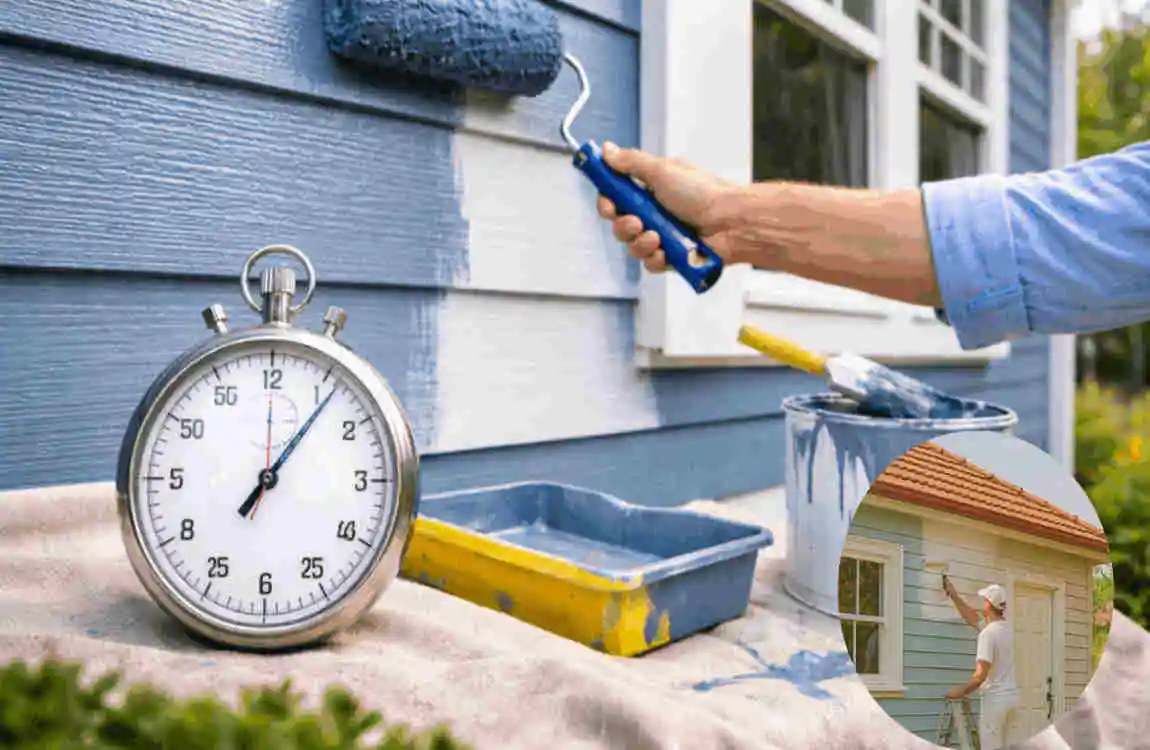
When planning an exterior painting project, one of the most common questions homeowners ask is how long exterior paint takes to dry. The answer depends on several conditions, including the type of paint, temperature, humidity, sunlight, wind, and the condition of the surface.
Most exterior paints feel dry within a few hours, but that doesn’t mean they are ready for another coat or fully cured. Understanding these different stages can help you avoid peeling, cracking, streaks, and other painting problems.
How Long for Exterior Paint to Dry?
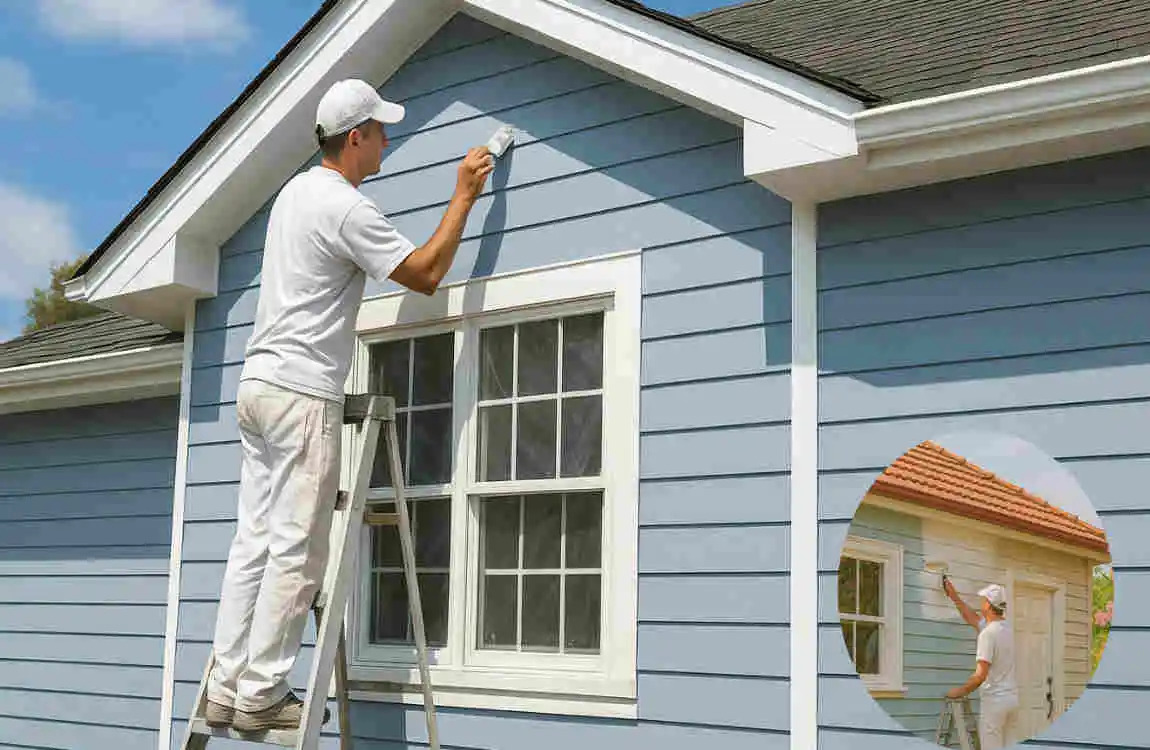
In suitable weather, many exterior paints become dry to the touch within a few hours. However, the recommended time before applying a second coat can be longer. Full curing may take several days or more.
It is useful to understand three important stages:
- Dry to touch: The surface no longer feels wet when lightly touched.
- Recoat time: The paint is sufficiently dry for another coat.
- Fully cured: The paint has reached most of its final hardness and durability.
The exact time varies by product. Latex and acrylic paints usually dry faster than many oil-based paints. Weather also makes a major difference. Warm, moderate, and relatively dry conditions generally help paint dry properly.
Always check the paint can for the manufacturer’s recommended drying and recoat times.
Exterior Paint Drying Time by Paint Type
Different exterior coatings have different drying characteristics. Knowing which product you are using helps you understand what to expect.
Latex and Acrylic Exterior Paint
Latex and acrylic exterior paints are popular because they are relatively easy to apply and generally dry faster than oil-based products.
Under suitable conditions, the surface may become dry to the touch within a few hours. The recommended recoat time can also be relatively short, but you should never rely only on how the surface feels.
If the weather is cool, humid, or cloudy, drying can take longer. On the other hand, moderate warmth and good airflow can help the coating dry more evenly.
Oil-Based Exterior Paint
Oil-based exterior paint generally takes longer to dry. It may remain tacky for considerably longer than acrylic or latex paint.
Cool temperatures and high humidity can extend the drying period even further. If you are using an oil-based product, give it plenty of time before recoating.
Primer vs Exterior Paint
Primer and finish paint do not always have the same drying requirements. Some primers dry quickly, while others need more time before you can apply the finish coat.
Paint Type Dry to TouchRecoat TimeFull Cure
Latex paint A few hours Several hours Several days
Acrylic paint A few hours Several hours Several days
Oil-based paint Longer Often longer Several days or more
Exterior primer Varies Product-dependent Product-dependent
Use these times as general guidance only. Your product label should always take priority.
Factors That Affect How Quickly Exterior Paint Dries
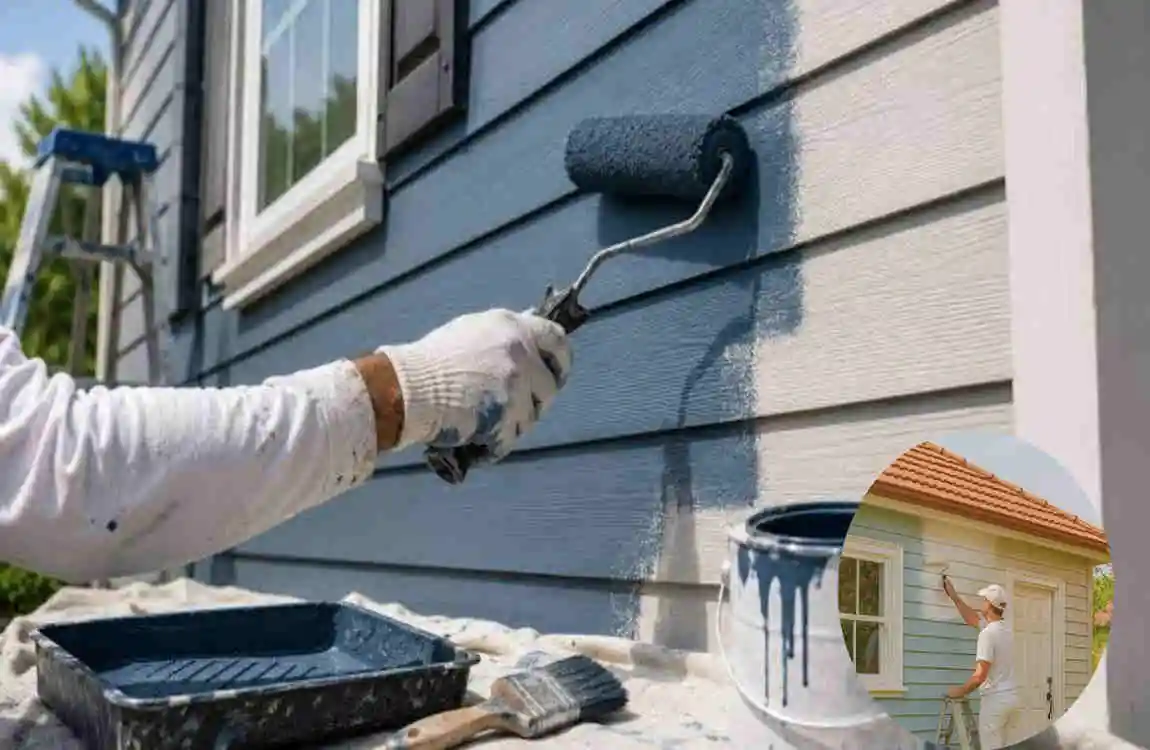
Paint alone doesn’t control drying time. Your outdoor environment can greatly affect the final result.
Temperature
Temperature is one of the most important factors. Most exterior paints perform best within the temperature range specified on their labels.
Very cold weather can slow drying and may prevent the paint from forming a strong finish. Extremely hot conditions can create a different problem by drying the surface too quickly.
Before painting, check both the air temperature and the temperature of the surface you plan to paint.
Humidity
High humidity means the air already contains a lot of moisture. This can slow the evaporation process and make exterior paint take longer to dry.
A painted wall may feel dry on the surface while moisture underneath is still taking time to escape.
For this reason, avoid painting during very damp weather whenever possible.
Sunlight and Shade
Sunlight can help a painted surface warm up and dry faster. However, too much direct heat can cause the surface to dry unevenly.
For example, one section of a wall exposed to intense afternoon sunlight may become dry much faster than a shaded section. This can make application more difficult and may affect the final appearance.
Wind and Airflow
Good airflow can help moisture leave the paint film. A gentle breeze may therefore support faster drying.
However, strong winds can create problems. Dust, leaves, dirt, and other debris can stick to wet paint and damage the finish.
Surface Condition
Surface condition also matters. A clean, dry, properly prepared surface gives paint a better foundation.
Porous materials may absorb paint differently from smooth surfaces. Dirt, grease, moisture, loose paint, or poorly prepared areas can also interfere with proper drying and adhesion.
How to Tell When Exterior Paint Is Dry
Knowing when paint is truly ready matters more than waiting a set number of hours.
Dry to Touch
Paint that is dry to the touch has formed a surface film that no longer feels wet.
However, this does not necessarily mean the paint is ready for another coat. Pressing or rubbing the surface can still leave marks if the underlying layer has not dried sufficiently.
Ready for a Second Coat
The safest approach is to follow the manufacturer’s recommended recoat time.
The paint may look dry, but the lower layer could still be soft. Applying another coat too soon can trap moisture and create problems later.
If conditions are cooler or more humid than normal, allowing additional drying time is often a sensible choice.
Fully Cured
Drying and curing are different processes.
Drying mainly refers to the paint becoming firm enough to handle. Curing is the longer process during which the coating develops greater hardness, durability, and resistance.
A freshly painted exterior can look finished but still be vulnerable to damage.
What Happens If You Recoat Exterior Paint Too Soon?
Applying another coat before the first coat is ready can create several problems.
Peeling and Cracking
If the underlying coat has not dried properly, the new layer may not bond correctly. Over time, this can contribute to peeling, cracking, or flaking.
Sticky or Soft Paint
Premature recoating can trap moisture between layers. The surface may remain soft or sticky much longer than expected.
Uneven Finish
Painting over a partially dry surface can produce differences in sheen and texture. Some areas may appear smoother or shinier than others.
Visible Brush or Roller Marks
When the first layer is still soft, additional brushing or rolling can disturb it. This can leave visible application marks.
Poor Adhesion
Proper drying helps each layer form a stable coating. If you rush the process, the new layer may not adhere as strongly as it should.
How to Avoid Drying Problems
You can reduce most drying problems by following a few simple steps:
- Check the weather forecast before starting.
- Paint within the temperature range recommended on the label.
- Avoid excessively thick coats.
- Allow enough time between coats.
- Keep freshly painted surfaces protected from rain and moisture.
- Follow the manufacturer’s drying and recoat instructions.
Best Weather Conditions for Exterior Painting
Choosing the right weather can make a big difference in your project’s final appearance.
Ideal Temperature and Humidity
Moderate temperatures are generally easier to work with than extreme heat or cold.
Also pay attention to humidity. Even if the temperature looks perfect, very high humidity can significantly slow drying.
Before starting, consider the temperature, humidity, wind, and expected weather throughout the day, not just the current conditions.
When Not to Paint
It is usually better to postpone exterior painting when:
- Rain is falling or expected soon.
- Humidity is extremely high.
- Temperatures are outside the product’s recommended range.
- The surface is extremely hot.
- Strong winds are blowing.
- The surface is damp.
Remember that the weather several hours after painting matters too. A sudden rain shower can affect a coating that has not had enough time to set.
Best Time of Day to Paint
The best time depends on your local weather and the surface’s orientation.
Morning can work once overnight moisture has evaporated, but don’t paint too early on a damp surface.
Afternoon may provide good drying conditions, but very hot surfaces and intense sunlight can cause paint to dry too quickly.
Evening can be risky if temperatures drop and moisture or dew develops soon after painting.
The goal is to choose a period that provides stable conditions for several hours.
Tips to Make Exterior Paint Dry Properly and Evenly
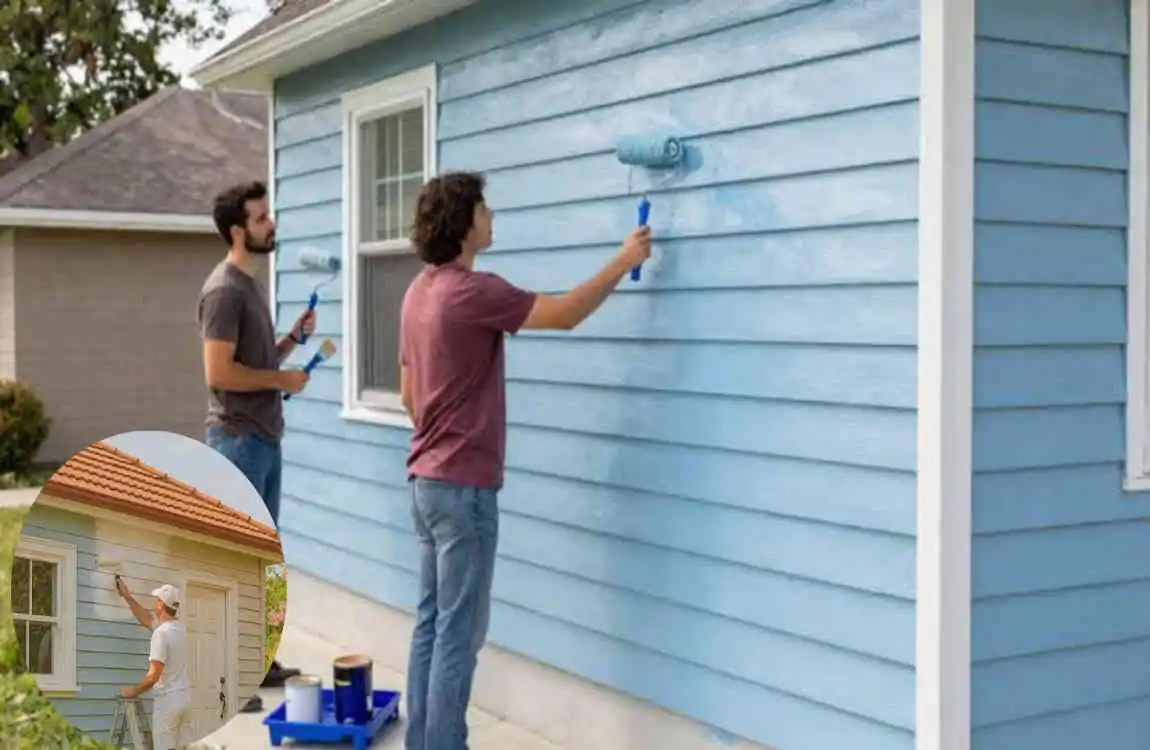
A successful exterior paint job starts before you open the paint can—good preparation and suitable weather matter as much as the paint itself.
Prepare the Surface
Clean away dirt, dust, loose paint, and other contaminants. Let the surface dry completely before applying primer or paint.
A clean and properly prepared surface helps the coating bond better and dry more evenly.
Use the Correct Primer
Primer can improve adhesion and create a more consistent base for the finish coat. Choose a primer that is appropriate for your surface and exterior paint.
Avoid Thick Coats
It can be tempting to apply a thick coat to finish the job faster. However, thick paint can take longer to dry and may dry unevenly.
Several properly applied coats are often better than one excessively thick coat.
Allow Enough Time Between Coats
Don’t apply the second coat just because the first coat feels dry.
Check the product’s recommended recoat time and consider current weather conditions. If conditions are less favourable, you may need more drying time.
Monitor Temperature and Humidity
Watch for changing outdoor conditions throughout your project. A temperature drop or increase in humidity can change how quickly paint dries.
Protect Fresh Paint
Keep freshly painted surfaces away from rain, sprinklers, heavy moisture, and unnecessary contact until the coating has had enough time to dry.
Frequently Asked Questions
How long for exterior paint to dry?
Most exterior paints can become dry to the touch within a few hours under suitable conditions. Recoat time and full curing take longer and depend on the paint type, temperature, humidity, airflow, and surface.
How long should exterior paint dry before rain?
Protect fresh exterior paint from rain until it has had enough time to set, according to the manufacturer’s instructions. If rain is expected soon, it is generally better to postpone painting.
Can you paint a second coat the same day?
Yes, sometimes. Some exterior paints allow same-day recoating when weather conditions are suitable. Always follow the product’s recommended recoat time rather than relying on appearance alone.
How long does exterior paint take to cure fully?
Full curing generally takes considerably longer than surface drying. Depending on the product and conditions, it can take several days or longer.
Does humidity make exterior paint dry slower?
Yes. High humidity slows moisture evaporation, which can increase drying time and sometimes affect the final finish.
What temperature is too cold for exterior painting?
No single temperature applies to every paint. Different products have different minimum temperature requirements. Always check the manufacturer’s instructions before painting in cold weather.
Can exterior paint dry overnight?
Yes. Exterior paint can become dry overnight when conditions are suitable. However, dry overnight does not necessarily mean fully cured.
Does sunlight make exterior paint dry faster?
Moderate sunlight can help warm the surface and support drying. However, intense direct sunlight can dry the surface too quickly, which may lead to uneven application.
What happens if exterior paint gets wet before it dries?
Rain or moisture can cause streaking, marks, uneven texture, poor adhesion, or other finish problems when paint is still wet. Freshly painted surfaces should therefore be protected from moisture.
| Factor | Typical Drying Time |
|---|---|
| Touch Dry | 1–2 hours |
| Recoat Time | 4–8 hours |
| Fully Cured | 1–4 weeks |
| Warm, Dry Weather | Dries faster |
| Cold Weather | Dries slower |
| High Humidity | Increases drying time |
| Direct Sunlight | Can speed surface drying |
| Rain After Painting | May damage uncured paint |
| Best Temperature | Usually 50–90°F (10–32°C) |
| Best Conditions | Low humidity, mild temperature, good airflow |
