

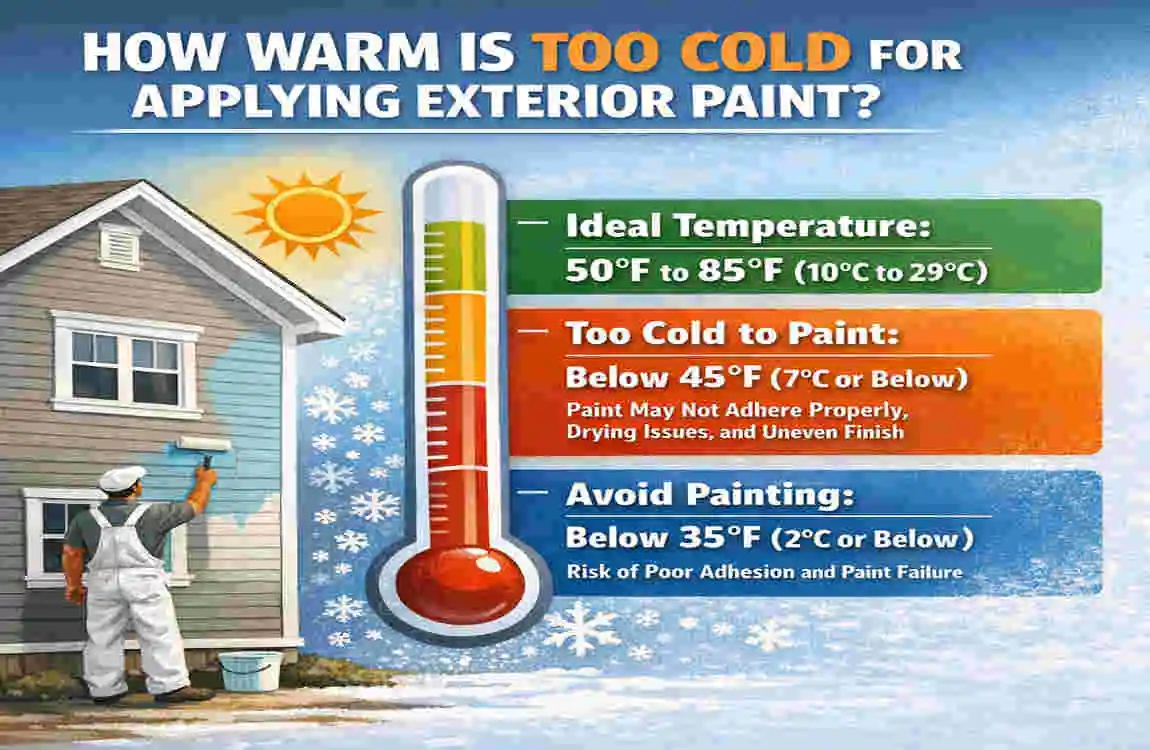
If you are planning a paint job, one of the first questions to ask is how warm it needs to be to paint exterior walls safely. Temperature matters more than many people think. If it is too cold, the paint may dry slowly, stick poorly, or fail too soon.
How Warm Does It Need to Be to Paint Exterior?
The basic temperature range
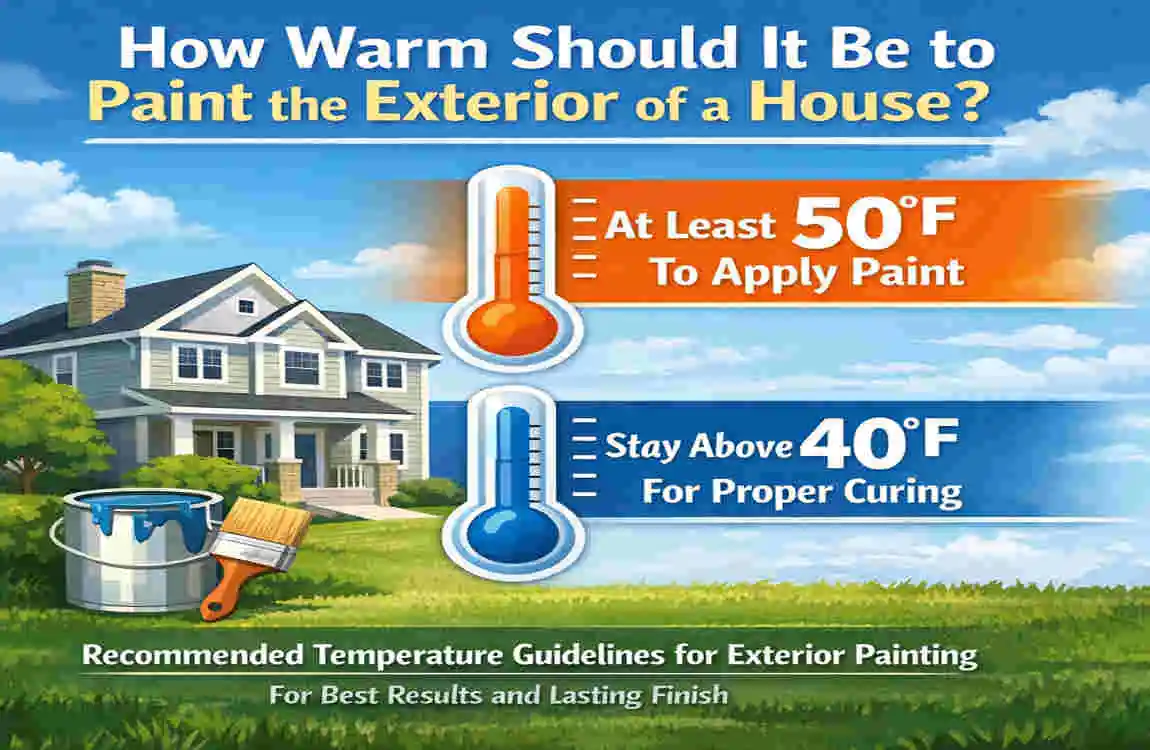
For most exterior paint jobs, the safest choice is a mild, dry day. Many standard paints work best when the air temperature stays around 50°F to 85°F. That range gives the paint enough warmth to apply and dry properly.
If the temperature drops too low, the paint may not spread evenly or may take much longer to cure. That is why the minimum temperature for exterior paint matters so much.
Why temperature matters
Paint does not just dry on the surface. It also needs time to cure, which means it hardens fully and bonds well to the wall. Cold weather slows that process down.
When temperatures are too low, paint can stay soft for too long. That can create problems later, such as peeling, cracking, or poor coverage.
Latex and acrylic paint
Most modern exterior paints are latex- or acrylic-based. These are popular because they are flexible and easier to work with. Still, they usually need a temperature of at least 50°F to perform well unless the label says otherwise.
Some newer cold-weather exterior paint products can work below that point, but only if the manufacturer says so.
Oil-based paint
Oil-based paint can sometimes handle slightly cooler conditions than latex. Even so, it still needs dry, stable weather and proper surface temperature. It is not a magic solution for freezing days.
Cold weather and curing
Cold air slows both drying and curing. That means paint may feel dry to the touch but remain weak underneath. This hidden problem often shows up later as damage or uneven wear.
What Happens When You Paint Exterior Walls in Cold Weather?
Slow drying and curing
One of the biggest problems with painting outside in cold weather is slow drying. Paint may sit on the surface too long and stay vulnerable to dust, moisture, and touch marks.
Surface drying and full curing also differ. Surface drying means the top feels dry. Full curing means the paint has hardened all the way through. Cold weather delays both.
Poor paint adhesion
When a wall is cold, paint may not bond well. The surface can stay too cool for the paint to grip properly.
That can lead to:
- Peeling
- Cracking
- Blistering
- Early wear
If the paint cannot stick well at the start, it may not last long.
Uneven finish
Cold weather can also affect how the paint looks. Brushes and rollers may leave streaks or lap marks because the paint does not level out as smoothly.
This can make even a good paint color look uneven. For a clean finish, the weather needs to support the job.
Ideal Weather Conditions for Exterior Painting
Temperature
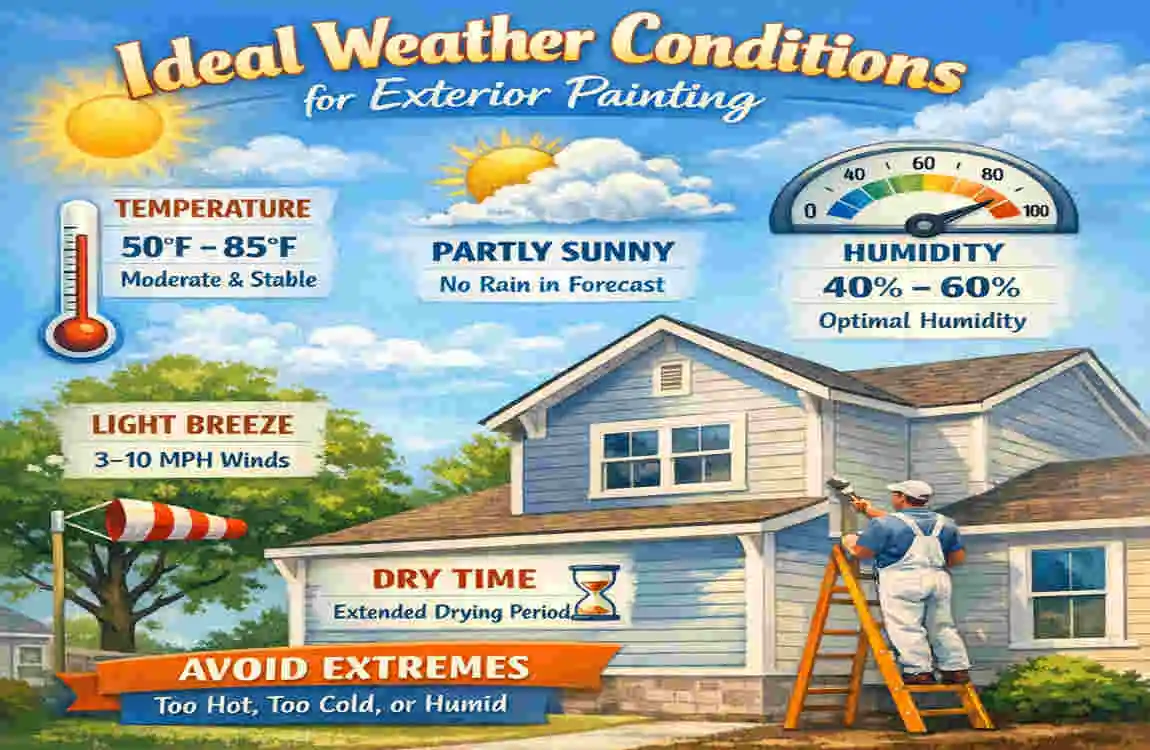
Temperature is the first thing most people check, but you need to think about both air temperature and surface temperature. The wall can be colder than the air, especially in shade or early in the day.
A warm afternoon may look fine, but a chilly wall can still create painting problems. That is why surface temperature matters just as much as the weather forecast.
Humidity and moisture
Humidity changes how paint dries. High humidity slows drying because the air already holds a lot of moisture. If the wall is damp, the paint may not stick well.
Before you start, make sure the surface is completely dry. A damp wall and fresh paint do not mix well.
Sun, wind, and rain
Sunlight can help paint dry, but too much direct sun can dry it too fast on the surface. That can lead to brush marks or poor coverage.
Strong wind can also be a problem because it may dry the paint unevenly or blow dust onto the surface. Rain is even more serious. If rain is expected soon, wait.
Temperature and condition guide
Temperature RangePainting ConditionBest Use
Below 40°F Too cold for most paints Postpone painting
40°F–49°F Borderline, only some products may work Use special cold-weather paint if approved
50°F–70°F Good range for most exterior paints Best for standard painting
70°F–85°F Very good, but avoid extreme sun Ideal with normal care
Above 85°F Can dry too quickly Paint in shade or cooler hours
Can You Paint Outside in Cold Weather?
Cold-weather paint options
Yes, you can paint outside in cooler weather if you use the right product. Some brands make paints designed for lower temperatures. These formulas are designed to work better when the weather isn’t ideal.
If you are choosing cold-weather exterior paint, read the label carefully. Always follow the product instructions.
How to paint safely in cooler temperatures
If you must paint in cooler weather, plan carefully. Try these steps:
- Check the label. Make sure the paint supports the temperature you expect.
- Paint during the warmest part of the day. Late morning or early afternoon is usually better than early morning or evening.
- Leave enough drying time. Do not rush the second coat. Give the first coat time to set.
- Watch the night temperature. If temperatures will drop sharply after sunset, your paint may not cure properly.
When to postpone the project
Sometimes the best choice is to wait. You should delay the job if:
- Temperatures are near freezing.
- Frost is possible
- The wall is damp
- Rain is expected soon.
- Condensation is forming on the surface.
A short delay is better than repainting the whole surface later.
How Cold Is Too Cold for Exterior Paint?
The common 50°F guideline
A widely used rule is that 50°F / 10°C is the usual minimum temperature for exterior paint. This is a good general starting point for standard latex and acrylic paints.
If you stay above that level, you usually have a better chance of getting smooth application and proper curing.
When special paints can work below 50°F
Some paints are made for cooler weather and may work below the usual guideline. These products are useful when you cannot wait for warmer days.
Still, these paints are not suitable for every situation. You also need the wall to be dry, the air to be stable, and the night temperature to stay within safe limits.
Why the required temperature varies
Not all paints are made the same. Different formulas dry at different speeds and react differently to cold, moisture, and sunlight.
That is why the label matters more than a general rule. The best temperature to paint outside depends on the product itself.
Why nighttime temperatures matter
Daytime warmth isn’t enough if temperatures drop too much overnight. Paint that starts drying in the afternoon may still fail if frost or cold dew appears later.
That is one of the biggest risks in exterior painting temperature planning. You need good conditions not just for one hour, but for the full drying period.
If temperatures fall quickly
A warm afternoon followed by a cold night can create trouble. The surface may trap moisture, lose adhesion, or dry unevenly.
If you know temperatures may drop sharply, it is safer to wait for a more stable weather window.
Tips for Getting the Best Exterior Paint Results
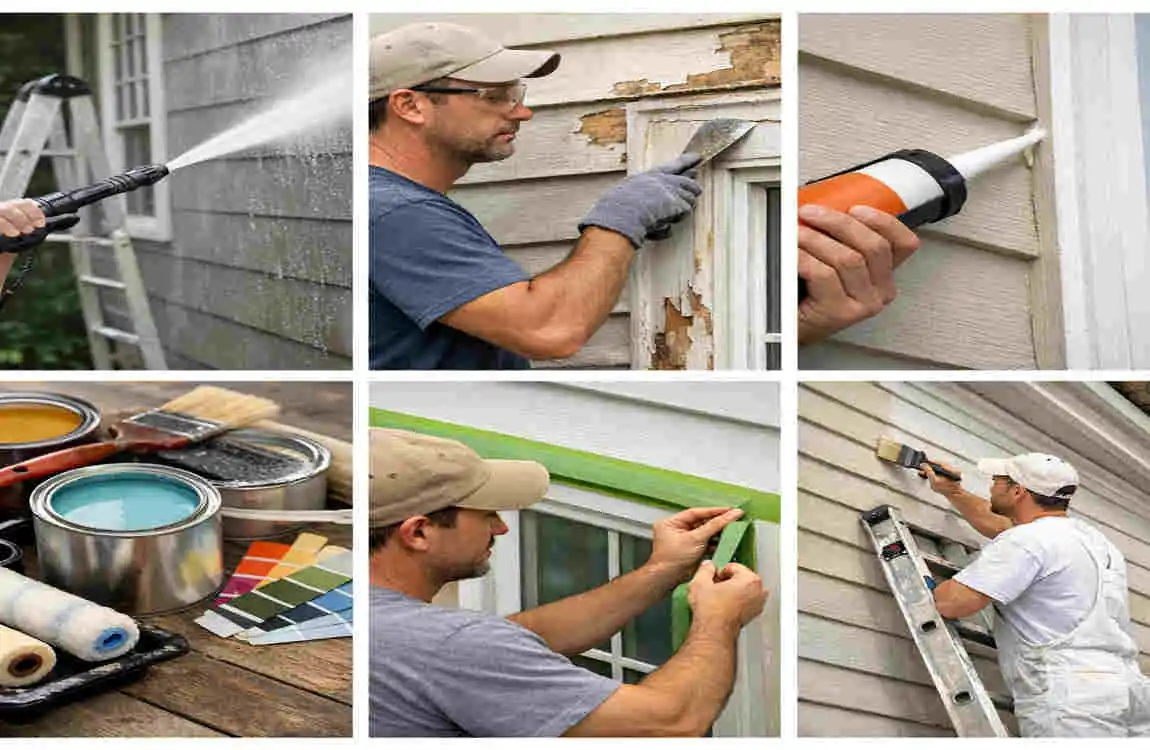
Prepare the surface well.
Clean the wall before painting. Remove dirt, chalk, loose paint, and mildew. Also make sure the surface is fully dry.
A clean and dry wall gives paint a better chance to bond.
Check the weather forecast.
Do not rely on the current temperature alone. Look at the next 24 to 48 hours too. You want dry weather, mild temperatures, and no frost risk.
Measure surface temperature
If needed, use a simple surface thermometer. A wall in shade can be colder than the air, and that matters when deciding whether to paint.
Choose the right paint.
Use a product made for the weather you expect. If you are painting in cooler conditions, choose a formula meant for that purpose.
Apply thin, even coats.
Thick coats take longer to dry and are more likely to fail in cold weather. Thin coats usually work better and look smoother.
Give each coat enough time.
Do not rush. Even if the surface feels dry, it may not be ready for another coat. Follow the product directions carefully.
Follow the manufacturer’s instructions.
This is the most important rule. Every paint has its own temperature range, drying time, and moisture limits.
Quick tip list
- Paint on a dry day
- Avoid freezing conditions
- Watch nighttime temperatures
- Avoid damp surfaces
- Follow product-specific temperature requirements
Frequently Asked Questions About Exterior Painting Temperature
What is the lowest temperature for painting outside?
For many standard exterior paints, the lowest safe temperature is around 50°F / 10°C. Some special products can work in lower temperatures, but the label should guide your decision.
How warm does it need to be to paint exterior?
For most exterior painting jobs, it is best when the temperature is at least 50°F and stays mild during drying. Always follow the paint manufacturer’s instructions first.
Can you paint exterior walls at 40°F?
Usually, not with standard paint. Some cold-weather products may work at 40°F, but only if the label says so and the surface is dry.
What happens if exterior paint gets too cold?
The paint may dry too slowly, fail to bond well, crack, peel, or look uneven. Cold weather can also affect curing, not just surface drying.
Can you paint outside at night?
It is usually not a good idea. Nighttime can bring cooler air, dew, and condensation, all of which can hurt the paint job.
Is 45°F too cold to paint outside?
For many regular paints, yes. It may be acceptable only with a product designed for cooler temperatures and with stable weather.
How long does exterior paint take to dry in cold weather?
It depends on temperature, humidity, wind, paint type, and surface condition. In cold weather, it often takes much longer than normal.
What temperature should exterior paint be stored at?
Store paint in a cool, dry place where it won’t freeze. Freezing can damage water-based paint and ruin the product.
Can you paint exterior wood in cold weather?
Yes, sometimes, but the wood must be dry, and the paint must be suitable for cooler temperatures. Moisture in the wood can cause serious problems.
What is the best temperature for exterior painting?
The best range is usually mild and dry, often around 50°F to 85°F. That gives most paints the best chance to apply and cure properly.
| Factor | Recommended Condition |
|---|---|
| Minimum Temperature | Usually 50°F (10°C) for many exterior paints |
| Best Painting Temperature | Around 60–85°F (16–29°C) |
| Cold Weather Risk | Below 50°F (10°C) can slow drying and curing |
| Surface Temperature | Should also meet the paint manufacturer’s minimum |
| Night Temperature | Should remain above the recommended minimum while paint cures |
| Humidity | Lower to moderate humidity helps paint dry properly |
