

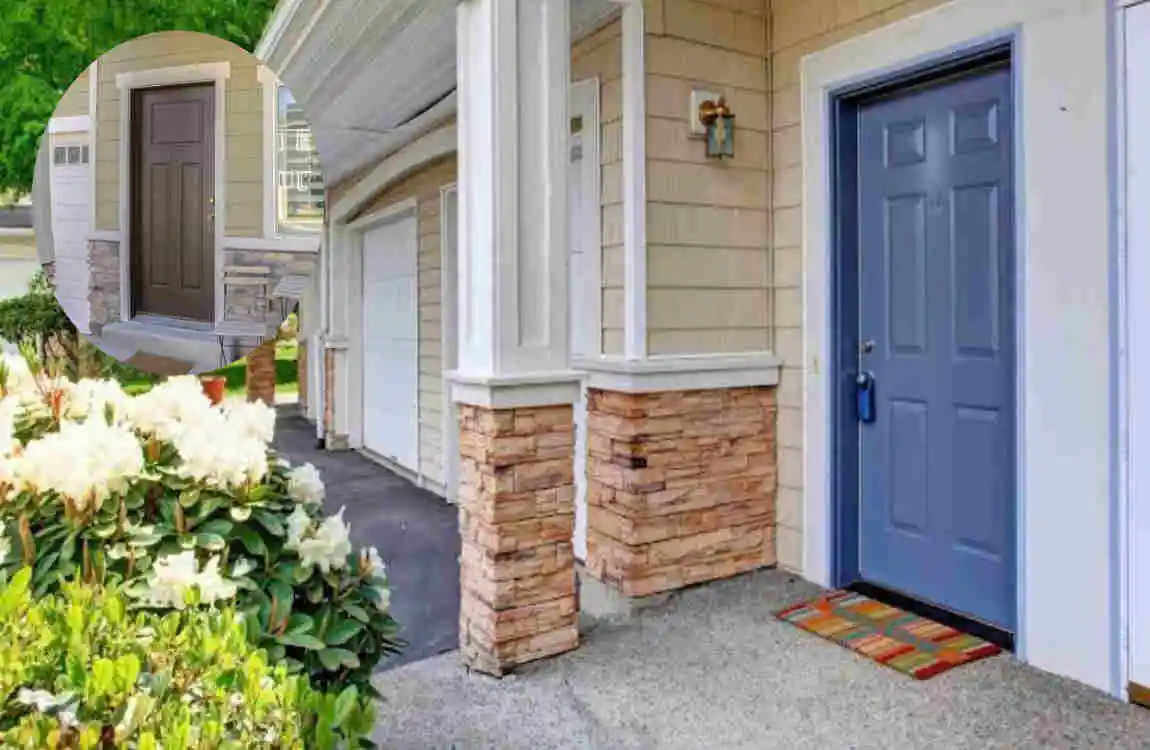
If you have ever looked closely at an exterior door, you may have noticed a strip of trim running around the outside edges of the frame. This trim is often called brick molding. But what is brick molding on an exterior door, and why is it used?
Brick molding is an exterior trim piece installed around a door or window opening. It creates a finished appearance, covers the gap between the door frame and exterior wall, and adds an extra layer of protection around the opening.
What Is Brick Molding on an Exterior Door?
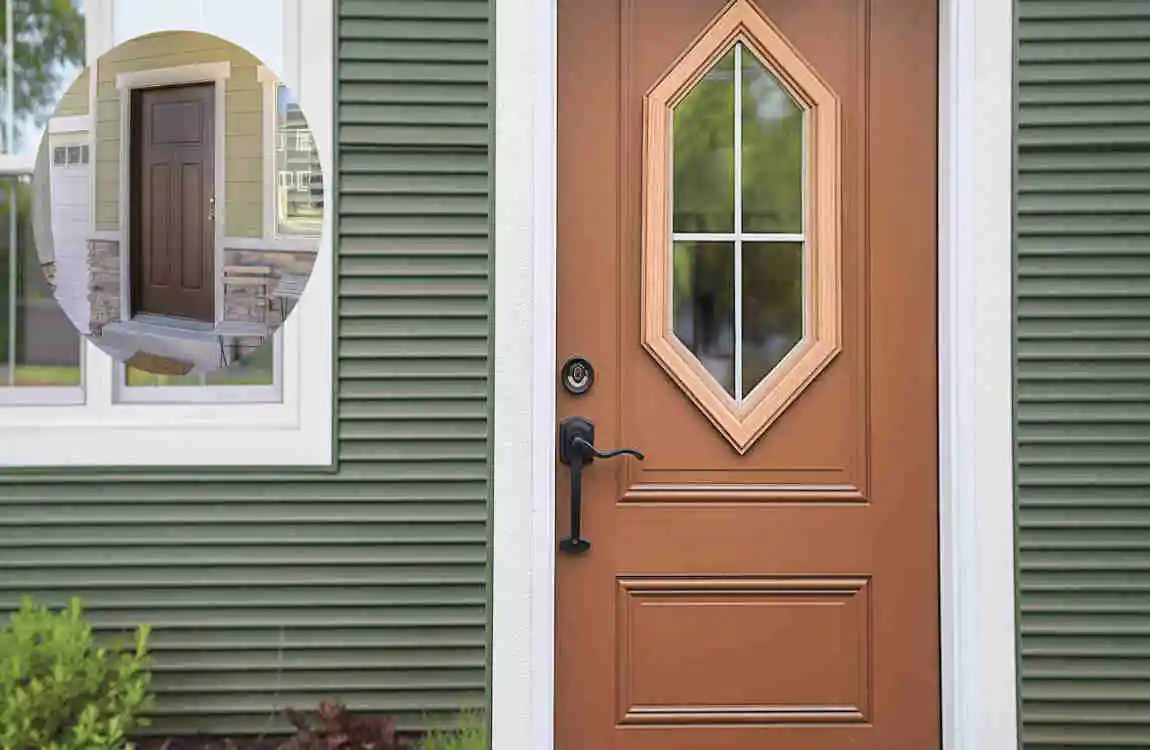
Brick molding on an exterior door is a type of exterior trim attached around the outside of a door frame. It normally runs along both vertical sides and across the top of the door.
Its main purpose is to give the doorway a neat, finished appearance while covering the joint between the door jamb and exterior wall.
The molding can also help protect the opening’s edges from everyday weather exposure. Rain, wind, sunlight, and changing temperatures can all affect exterior door materials, so properly installed trim and sealing are important.
Despite its name, brick molding isn’t used only on brick walls. The term comes from its traditional use around openings in masonry construction.
How Is Brick Molding Different From Regular Door Trim?
Brick molding is designed specifically for the exterior side of a door or window. Interior door casing, on the other hand, is normally used inside the house to create a finished transition between the door frame and interior wall.
Exterior brick molding generally needs to handle more demanding conditions because it can be exposed to moisture, sunlight, and temperature changes.
Why Is It Used Around Exterior Doors?
Exterior door openings can have small gaps and transitions between different building materials. Brick molding helps cover these areas and gives the doorway a more complete appearance.
It also provides space for proper finishing and sealing around the door assembly.
What Does Brick Molding Do?
Brick molding may look decorative, but it also serves practical purposes. When correctly installed, it becomes part of the overall exterior door finish.
Protects the Door Frame
One important function is covering the space around the exterior door frame.
Without exterior trim, the connection between the door jamb and wall can look unfinished. Brick molding creates a clean border around the opening and helps protect exposed edges.
Improves Weather Resistance
Exterior doors are constantly exposed to changing weather conditions. Properly installed molding, combined with caulk, flashing, and suitable installation methods, can help reduce opportunities for water and air to enter around the opening.
However, brick molding by itself does not make a doorway waterproof. The complete door installation needs proper weatherproofing.
Creates a Finished Appearance
Brick molding gives a door’s exterior a clean, balanced look. It hides rough edges and construction gaps while creating a clear visual boundary around the doorway.
You can choose different profiles and materials to match your home’s architectural style.
Adds Architectural Detail
A simple exterior door can look more attractive with well-proportioned trim. Brick molding can complement traditional, modern, farmhouse, colonial, or other exterior styles.
Even small changes in trim width and profile can affect the entrance’s overall appearance.
What Materials Are Used for Brick Molding?
Brick molding is available in several materials. Your choice should depend on the local climate, maintenance needs, budget, and appearance you want.
Wood Brick Molding
Wood is a traditional choice for exterior brick molding. It offers a natural appearance and can be painted in almost any color.
Wood is easy to cut and work with, making it popular for custom projects. However, it requires regular maintenance.
If water reaches unfinished or poorly protected wood, it can eventually lead to rot, swelling, cracking, or other damage.
For wood molding, good-quality exterior paint or stain and properly maintained joints are important.
Vinyl Brick Molding
Vinyl is another option for exterior applications. It does not have the same natural appearance as wood, but it can provide a relatively low-maintenance finish.
Vinyl resists moisture and does not rot like untreated wood. It is often useful for homeowners who want to reduce painting and maintenance.
Composite and PVC Molding
Composite and PVC products are designed to provide durability with less maintenance than traditional wood.
These materials can be especially useful around exterior doors because moisture resistance is an important consideration.
PVC molding can also be painted when the specific product allows it, giving homeowners more design flexibility.
Aluminum or Metal Options
Metal trim can be used in certain exterior applications. Aluminum is lightweight and rust-resistant, although its appearance and installation differ from traditional wood molding.
Metal options may be more common in particular commercial, modern, or specialized construction projects.
Brick Molding vs. Door Casing: What Is the Difference?
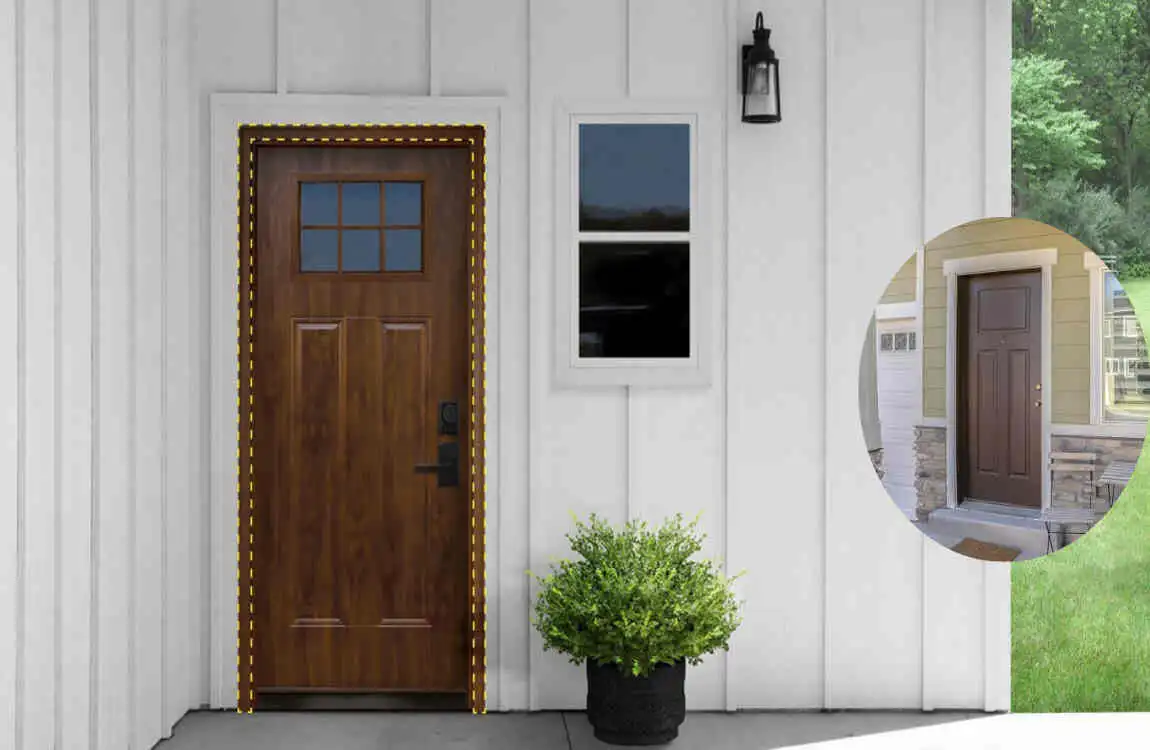
Brick molding and door casing may look similar, but they serve different purposes and are installed in different locations.
Brick molding is normally installed on the exterior side of an exterior door. Door casing is usually installed on the interior side of a doorway.
The door jamb is the structural frame around the door, while molding and casing provide finishing around that frame.
FeatureBrick MoldingDoor Casing
Location Exterior Usually interior
Main purpose Finish and protect exterior door opening Finish interior opening.
Weather exposure Yes Usually no
Common materials Wood, PVC, composite Wood, MDF, composite
Maintenance May require weather protection Usually easier to maintain
Appearance Exterior architectural finish Interior decorative finish
Understanding this difference is helpful when replacing damaged trim. If the damaged piece is outside the house, you generally need a material designed for exterior conditions.
How to Install Brick Molding Around an Exterior Door
Installing brick molding requires careful measuring and fitting. A small measurement mistake can create uneven joints or gaps.
Measure the Door Opening
Start by carefully measuring the exterior door frame.
Measure the height of both sides and the width across the top. Don’t assume the opening is perfectly square.
Accurate measurements help you determine the correct length of the molding pieces.
Choose the Right Material
Think about your home’s exterior and the conditions around the door.
For example, a painted wood exterior may look best with wood trim. At the same time, a moisture-prone area may benefit from PVC or another moisture-resistant material.
Also consider how much maintenance you are willing to do.
Cut and Position the Molding
Brick molding typically consists of two side pieces and one top piece.
Position the side pieces vertically, and connect the top piece across the upper portion of the doorway.
The corners need to meet neatly. Depending on the trim profile and installation method, the top corners may use angled cuts.
Secure and Seal It
Select exterior-rated fasteners based on the molding material and surrounding construction.
After installation, use the appropriate exterior sealant at necessary joints and transitions.
Do not rely on caulk as a substitute for proper flashing or weatherproofing. Install the entire door opening according to the door manufacturer’s requirements.
Check for Gaps
After installing the molding, inspect the edges carefully.
Look for:
- Uneven joints
- Open gaps
- Loose sections
- Damaged surfaces
- Areas where water could collect
A careful final inspection can prevent small installation problems from becoming larger maintenance issues.
How to Repair or Replace Damaged Brick Molding
Exterior molding can develop problems over time because of age, moisture, impact, insects, or poor maintenance.
Common Signs of Damage
Look closely at the molding during routine home inspections. Common warning signs include rot, cracks, splitting, warping, peeling paint, swelling, and water damage.
Pay special attention to soft wood. If the material feels soft or crumbles when you gently examine it, the damage may extend beyond the surface.
When Repair May Be Enough
Small surface cracks or minor paint problems may not require a full replacement.
You may be able to clean the area, remove loose material, make a suitable repair, and refinish the surface.
The key is finding out why the damage occurred. If moisture keeps reaching the molding, a simple cosmetic repair may not last.
When Replacement Is Better
Replacement is usually more appropriate when the molding has extensive rot, severe splitting, major warping, or significant deterioration.
If the damage extends into the door jamb or surrounding wall, the project may be more complicated than replacing the visible trim.
Basic Replacement Process
A typical replacement involves removing the damaged molding carefully and checking the surrounding area.
Then measure, cut, position, fasten, seal, and finish the new piece.
If you find hidden water damage around the door, address the source before installing new molding.
Brick Molding Maintenance
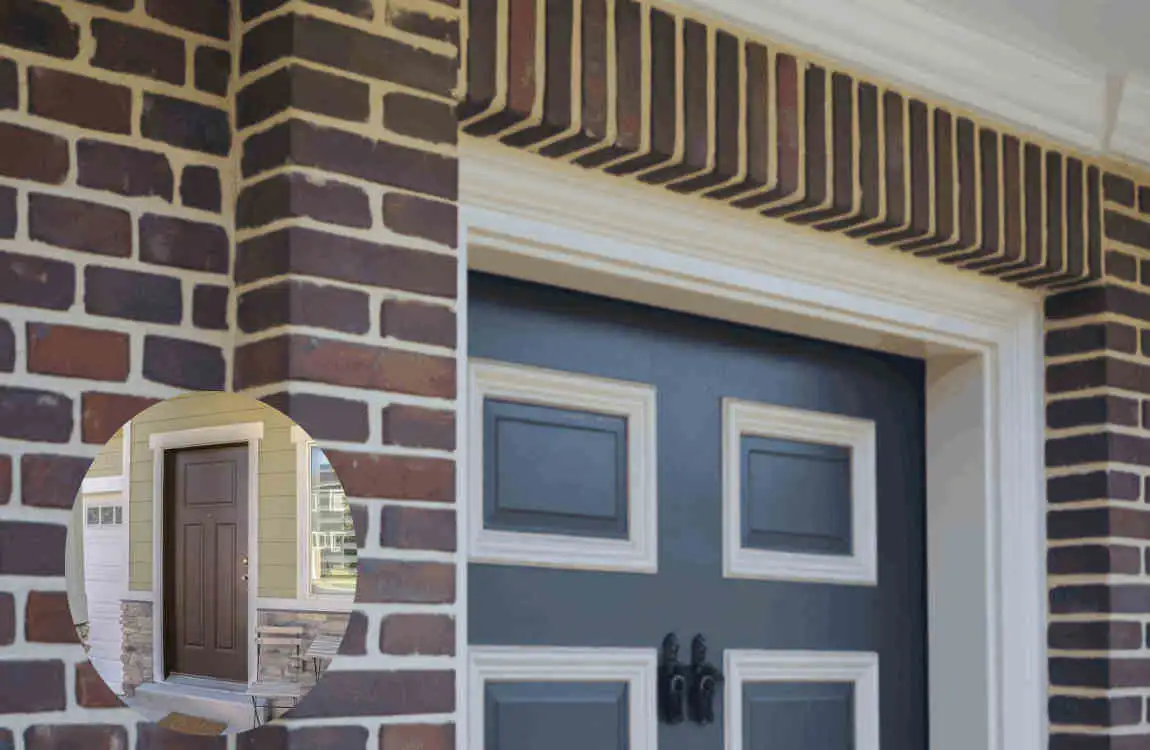
Good maintenance can significantly extend the useful life of exterior door molding.
How to Maintain Brick Molding
Keep the molding clean and inspect it periodically for signs of moisture or physical damage.
If you have painted wood molding, keep the paint surface in good condition. Peeling or cracked paint can expose the material underneath to moisture.
Also inspect the caulk and joints around the doorway. Damaged or separated sealant may need appropriate repair.
Regular inspection is much easier than dealing with extensive water damage later.
FAQ
What is brick molding on an exterior door?
Brick molding is exterior trim installed around a door opening. It covers the transition between the door frame and exterior wall, provides a finished appearance, and helps protect the opening.
Is brick molding necessary on an exterior door?
It isn’t required for every door design. Still, exterior trim can provide important finishing and protection around the opening. The exact requirements depend on the door system and construction method.
Can brick molding be replaced?
Yes. You can generally remove damaged brick molding and replace it with a suitable new material. Before replacement, inspect the surrounding area for hidden moisture or structural damage.
What is the best material for exterior brick molding?
No single material works best for every home. Wood, vinyl, PVC, and composite materials each have different advantages. Consider weather exposure, appearance, maintenance, and budget before choosing.
How much does it cost to replace brick molding?
The cost depends on several factors, including the material, doorway size, labor rates, the condition of the existing frame, and whether hidden water damage needs repair.
A simple trim replacement can differ greatly from a project involving damaged framing or moisture problems.
Can you install brick molding yourself?
A homeowner with basic carpentry skills may be able to install simple brick molding. Accurate measuring, cutting, fastening, and sealing are important.
If the door has complicated flashing, significant water damage, or structural problems, professional help may be appropriate.
Does brick molding prevent water leaks?
Brick molding alone does not guarantee a waterproof door opening. Proper flashing, drainage, installation, and exterior sealing are all important parts of protecting an exterior door from water.
| Feature | Information |
|---|---|
| What Is Brick Molding? | A trim piece installed around the outside of an exterior door frame. |
| Main Purpose | Covers the gap between the door frame and exterior wall while creating a finished appearance. |
| Typical Material | Wood, PVC, composite, or other weather-resistant materials. |
| Location | Usually attached around the exterior sides and top of the door frame. |
| Appearance | Adds a clean decorative border around the exterior door. |
| Weather Protection | Helps reduce water and air infiltration around the door opening when properly installed and sealed. |
| Common Uses | Exterior entry doors, replacement doors, garages, and some patio doors. |
| Maintenance | Depends on the material; wood may need painting, sealing, or periodic repairs. |
