

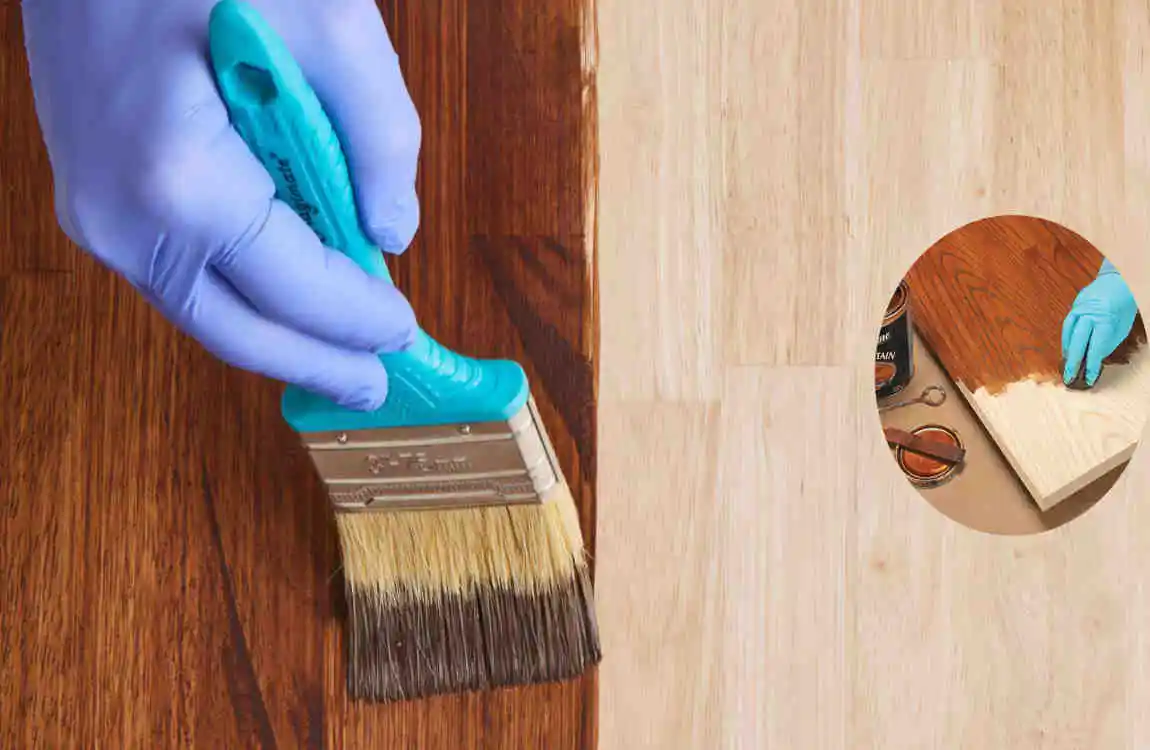
Choosing the right stain can make a big difference in how outdoor wood looks and how well it handles sun, rain, and everyday use. Oil-based exterior stain is popular because it soaks into wood, enhances its natural grain, and provides useful moisture protection.
What Is an Oil-Based Exterior Stain?
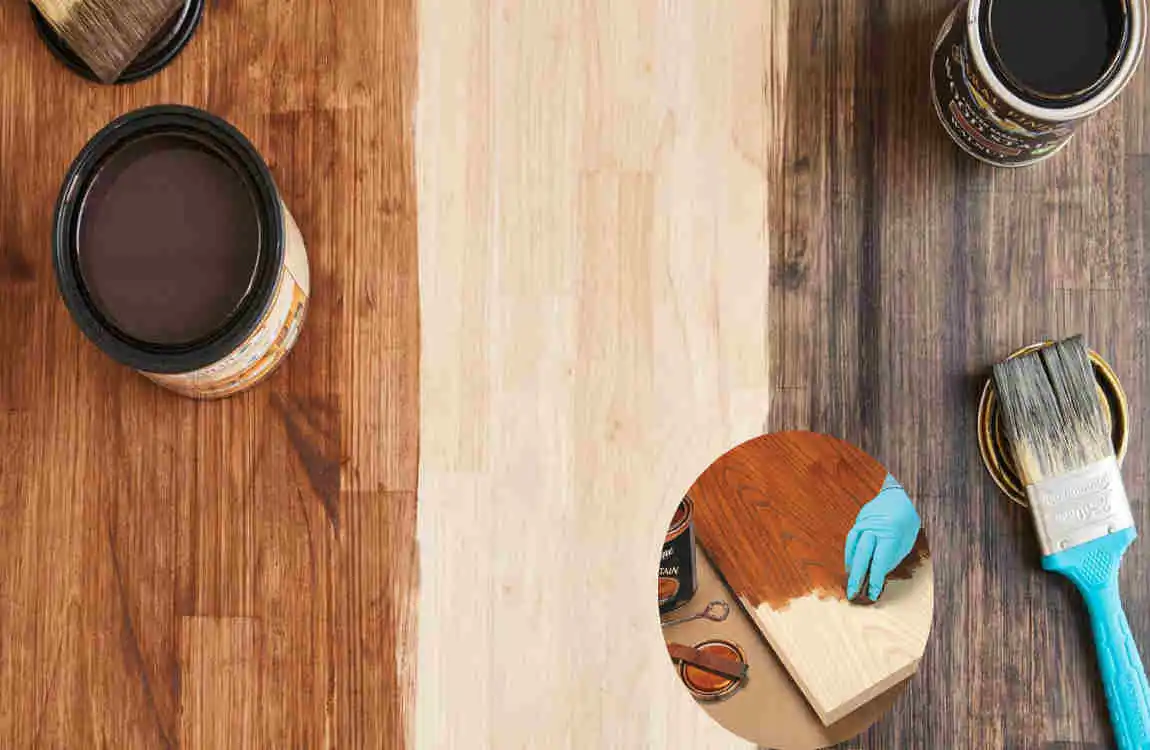
An oil-based exterior stain is a wood-finishing product designed for outdoor surfaces. Unlike thick paint, many oil-based stains penetrate the wood rather than form a heavy top layer.
This makes them useful for decks, fences, siding, porches, outdoor furniture, and other exterior wood surfaces.
How Oil-Based Wood Stains Work
Oil-based stains soak into the wood fibers, add color, and help reduce moisture absorption.
Because the stain penetrates the surface, it can maintain a more natural wood appearance. You can still see the grain, especially when using transparent or semi-transparent products.
The final result depends heavily on the wood type and condition. New cedar, weathered pine, and pressure-treated lumber can all absorb stain differently.
Benefits of Oil-Based Exterior Stain
Oil-based stains can offer several advantages:
- Deep penetration into many types of wood
- Richer-looking color and grain enhancement
- Protection against moisture
- Good durability for exterior applications
- A natural appearance compared with many paints
- Useful protection for decks, fences, siding, and furniture
Keep in mind that no stain eliminates maintenance. Outdoor wood remains exposed to changing weather, so periodic cleaning and reapplication may still be necessary.
What Is the Best Oil-Based Exterior Stain?
No single product is automatically best for every project. The best oil-based exterior stain matches your wood, climate, surface, color preference, and maintenance expectations.
For example, a deck needs a stain that can handle foot traffic and weather exposure. A fence may benefit from a product that provides good coverage over a large area.
Top Qualities to Look For
When comparing an oil-based exterior stain, look for:
Durability: The stain should handle outdoor exposure without fading or wearing away quickly.
UV resistance: Sunlight can gradually change wood color. UV protection can help slow this process.
Moisture protection: A good exterior stain should help reduce water penetration while allowing the wood to behave naturally.
Mildew resistance: In damp environments, mildew resistance can be particularly useful.
Easy application: A product that spreads evenly can make the project much easier.
Coverage: Check the expected coverage per gallon and consider how absorbent your wood is.
Best Types for Different Outdoor Projects
Different projects have different needs.
Decks: Choose a durable penetrating stain designed for horizontal surfaces.
Fences: Look for good coverage, weather resistance, and manageable maintenance.
Siding: A stain that protects while maintaining the wood’s natural appearance can be a good choice.
Porches: Consider moisture protection and resistance to regular use.
Outdoor furniture: Choose a product specifically suited to the wood type and furniture surface.
Log homes and cabins: Penetrating exterior stains designed for logs and large wood surfaces may be more appropriate.
Top Oil-Based Exterior Stain Options
Rather than choosing a product based only on its label, compare products by the job you need them to do.
Best Overall Exterior Oil-Based Stain
For general outdoor woodwork, look for a high-quality, penetrating oil-based stain that balances color, moisture protection, UV resistance, and durability.
The best overall choice should be easy to apply and suitable for the specific wood surface.
A major advantage is the natural finish. However, oil-based products can take longer to dry and may require appropriate solvent-based cleanup.
Best Stain for Decks
Decks experience more stress than many other exterior surfaces.
People walk on them, furniture moves across them, and the wood is directly exposed to rain and sunlight. For that reason, choose a stain designed specifically for decks.
Pay particular attention to moisture resistance, UV protection, foot traffic, and maintenance requirements.
Best Stain for Fences
Fences cover large areas, so coverage matters.
A good fence stain should spread evenly and protect against changing weather. Semi-transparent finishes are often useful when you want the natural grain to remain visible.
For large fencing projects, also consider how often you are willing to maintain the surface.
Best Premium Option
A premium oil-based stain may use higher-quality ingredients and offer stronger performance or better color retention.
This can make sense when you are staining expensive cedar, a large deck, a cabin, or another surface where you want a high-quality appearance.
However, premium does not always mean necessary. Your surface and environmental conditions should determine whether the extra cost is worth it.
Best Budget-Friendly Option
A budget-friendly stain can work well when the project covers a large area or the wood does not require a premium finish.
Instead of looking only at the container price, compare coverage, durability, prep requirements, and expected maintenance.
A cheaper product that requires frequent recoating may cost more over time than a moderately priced stain that lasts longer.
Oil-Based vs. Water-Based Exterior Stain
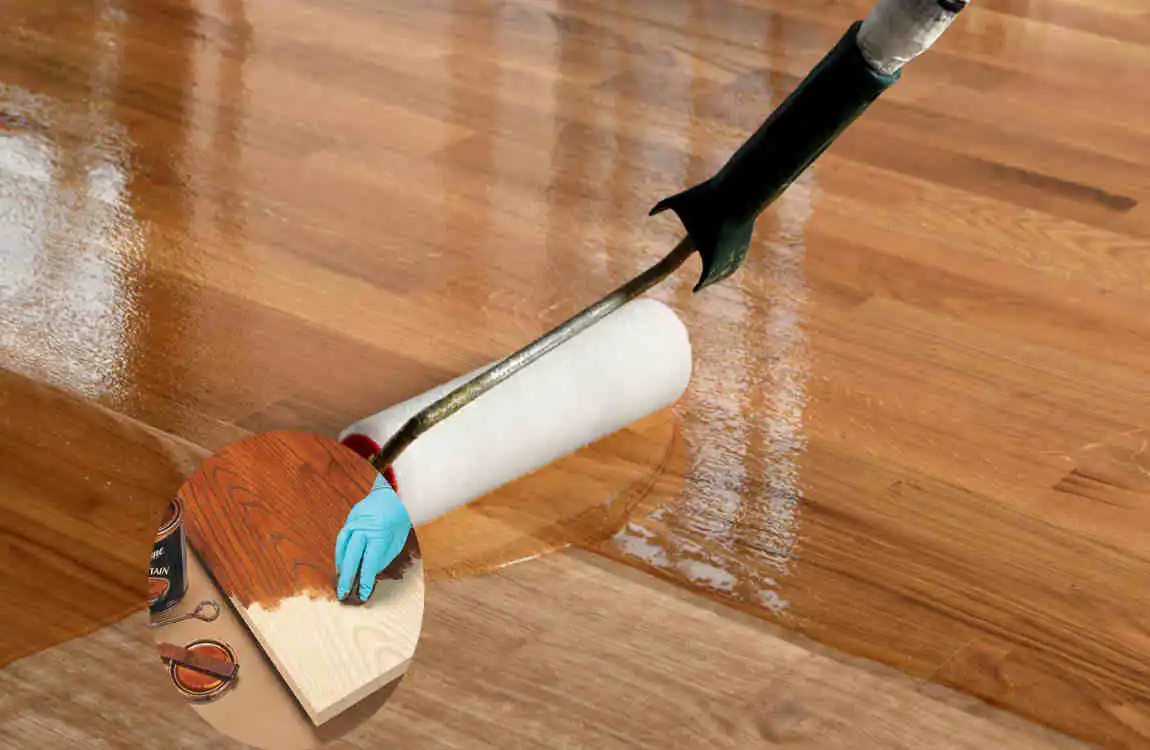
Both oil-based and water-based stains can work well outdoors. The better option depends on the project.
FeatureOil-Based StainWater-Based Stain
Wood penetration Excellent Moderate
Natural appearance Rich Lighter
Drying time Usually slower Usually faster
Durability Very good Very good
Cleanup Appropriate solvent Soap and water
Maintenance Moderate Often easier
Oil-based stain is often chosen when the goal is deep penetration and a rich wood appearance.
Water-based stain may be more convenient when faster drying and easier cleanup are priorities.
Climate also matters. A very humid environment can affect drying time, while strong sunlight can affect how quickly a finish weathers.
How to Choose the Best Oil-Based Exterior Stain
Consider the Wood Type
Different woods absorb stain differently.
Cedar often accepts penetrating stains well and can look attractive with transparent or semi-transparent finishes.
Pine can absorb stain unevenly, so careful preparation and testing matter.
Redwood has natural color and grain that many homeowners want to preserve.
Pressure-treated wood should be sufficiently dry before staining. New treated lumber can contain considerable moisture, which may prevent the stain from penetrating properly.
Hardwoods can behave differently depending on their density and natural oils. Always check whether the product is intended for your specific wood.
Consider the Color and Finish
Exterior stains are available in different levels of opacity.
Transparent stains provide color while showing most of the natural grain.
Semi-transparent stains add more color while keeping the wood texture visible.
Semi-solid stains provide stronger color coverage but still show some grain.
Solid stains provide the most coverage and create an appearance closer to paint.
Before staining the entire surface, test your chosen color in a small hidden area. The same stain can look very different on different wood species and ages.
Consider Weather and Climate
Outdoor conditions strongly affect stain performance.
Strong sunlight can fade wood over time. Heavy rain and humidity can increase moisture exposure. Large temperature changes can cause wood to expand and contract.
If your area experiences freezing temperatures, repeated freeze-thaw cycles can put additional stress on exterior wood.
Choose a product suitable for your local weather and follow its recommended application conditions.
Check Preparation and Application Requirements
Good preparation is just as important as choosing a good stain.
The wood should generally be clean and appropriately dry before application. Remove dirt, mildew, old loose coatings, and other contaminants as the product recommends.
Sanding may help on some surfaces, but excessive sanding can reduce absorption. Always follow the stain manufacturer’s preparation instructions.
Apply the product evenly and avoid leaving heavy puddles or excessive material on the surface.
Common Mistakes to Avoid
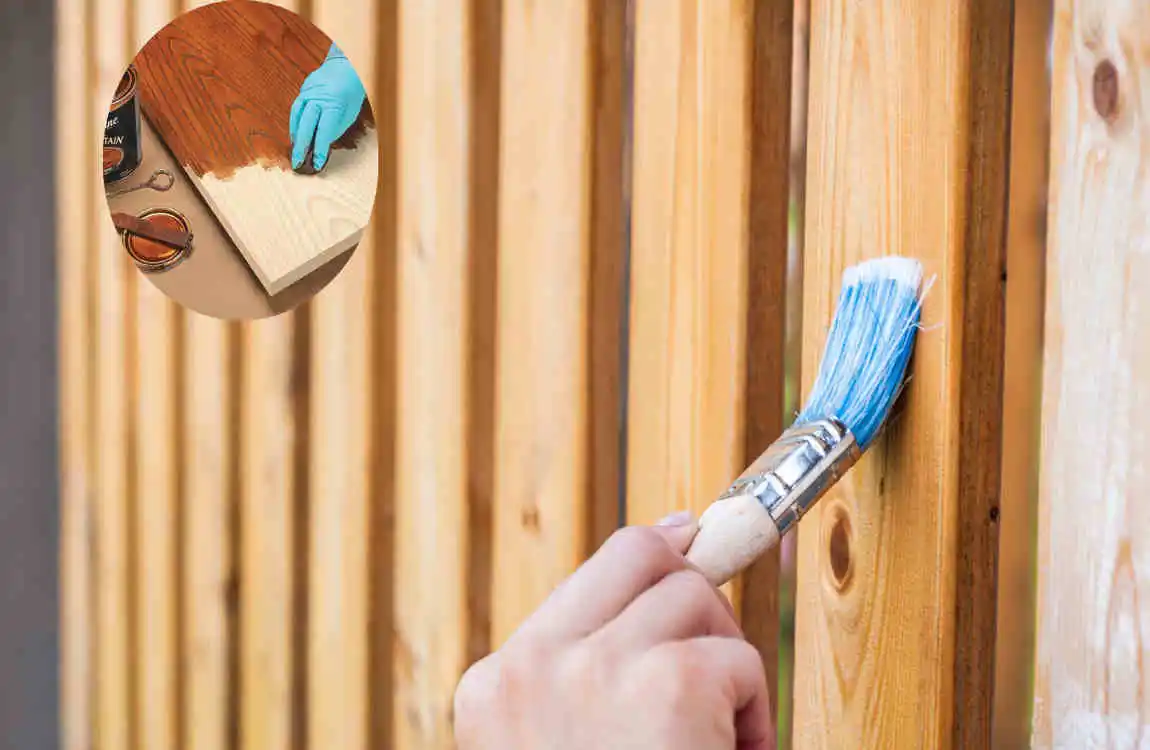
Even a high-quality stain can perform poorly when applied incorrectly.
Applying Stain to Wet Wood
Moisture can prevent the stain from penetrating properly. Allow the wood to reach the moisture condition recommended by the product before staining.
Skipping Surface Preparation
Dirt, mildew, old finish, and damaged wood can interfere with adhesion and absorption.
A few extra preparation steps can make a major difference in the final appearance.
Using Too Much Product
More stain does not automatically mean better protection.
Excess product can leave an uneven surface and may create drying problems. Follow the recommended application method and coverage rate.
Ignoring Weather Conditions
Don’t stain just because you have free time.
Rain, high humidity, extreme heat, or unsuitable temperatures can affect application and drying. Check the product instructions and weather conditions before beginning.
Choosing the Wrong Stain Opacity
A solid stain will look very different from a transparent stain.
Before buying, decide whether you want to show the natural grain or achieve stronger color coverage.
Failing to Test the Color First
The color shown on a label may not look the same on your wood.
Test a small section first, then let it dry so you can see the actual result.
Neglecting Regular Maintenance
Exterior wood still faces the weather after staining.
Regular inspection, cleaning, and maintenance can help you identify fading, peeling, moisture problems, or other issues before they become more serious.
Frequently Asked Questions
What Is the Best Oil-Based Exterior Stain?
The best oil-based exterior stain depends on your wood type, surface, weather exposure, desired appearance, and maintenance needs.
For most projects, choose a quality exterior product with good penetration, moisture protection, UV resistance, and durability.
How Long Does Oil-Based Exterior Stain Last?
There is no universal lifespan.
Durability depends on the product, wood species, preparation, sunlight exposure, moisture exposure, foot traffic, and maintenance.
A heavily exposed deck may require attention sooner than a protected vertical fence.
Is Oil-Based Stain Better Than Water-Based Stain?
Not always.
Oil-based stain can penetrate deeply and provide a rich appearance. In contrast, water-based stain often dries faster and cleans up more easily.
The right choice depends on the project and your priorities.
Can Oil-Based Stain Be Used on Pressure-Treated Wood?
Yes, you can use many exterior stains on pressure-treated wood.
However, the wood needs to be sufficiently dry before staining. Follow the product instructions and check the lumber’s moisture content.
How Many Coats of Oil-Based Exterior Stain Are Needed?
It depends on the product and the wood.
Some stains are designed for a single coat, while others may recommend additional coats. Always follow the manufacturer’s instructions rather than assuming that two coats are automatically better.
How Long Does Oil-Based Exterior Stain Take to Dry?
Drying time varies with temperature, humidity, ventilation, wood absorption, and product formulation.
Oil-based stains generally dry more slowly than many water-based products. Give the surface enough time to dry, per the product instructions, before exposing it to heavy use or moisture.
Can You Apply Oil-Based Stain Over an Old Stain?
Sometimes, but preparation is important.
If the old finish is loose, damaged, or incompatible, you may need to clean or remove it. On previously stained wood, test a small area first to determine whether the new product absorbs and looks as expected.
| Oil-Based Exterior Stain | Best For | Key Feature | Durability | Finish |
|---|---|---|---|---|
| Penofin Red Label | Decks & outdoor wood | Deep wood penetration | High | Natural |
| Ready Seal | Fences & decks | Easy application | High | Semi-transparent |
| Cabot Australian Timber Oil | Harsh weather | Strong weather protection | High | Rich natural |
| Flood Penetrol | Older wood | Excellent penetration | Medium–High | Natural |
| TWP 100 Series | Decks & siding | Long-lasting protection | High | Semi-transparent |
| Armstrong-Clark | Decks & fences | Deep conditioning oils | High | Natural |
| Olympic Maximum Oil-Based | General exterior wood | Moisture protection | Medium–High | Transparent/Semi-transparent |
