

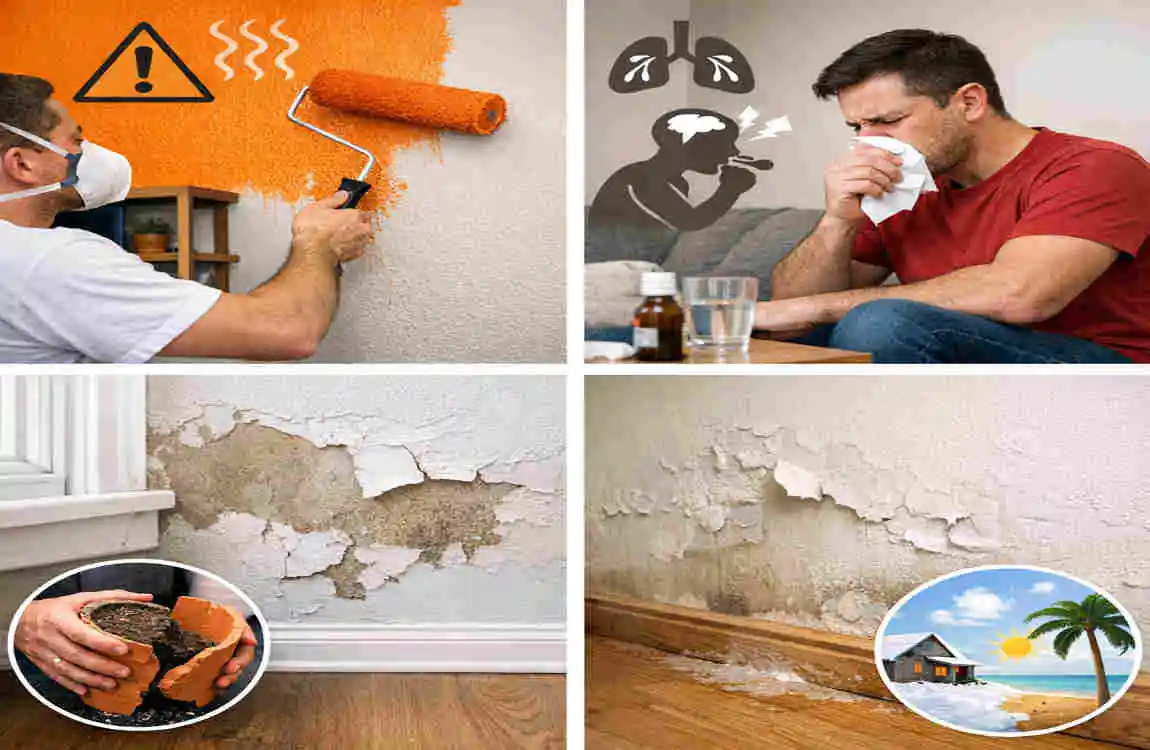
If you are wondering whether you can use exterior paint indoors, the short answer is: you usually should not.
Exterior paint is made for outdoor conditions. It is designed to handle sunlight, rain, wind, temperature changes, and moisture. That makes it strong for outside use, but not always the best choice for indoor rooms where people spend a lot of time breathing the air.
At first glance, exterior paint may seem attractive because it appears more durable. But indoors, you also need to think about odor, ventilation, drying time, finish, and indoor air quality.
What Is Exterior Paint?
How exterior paint is designed
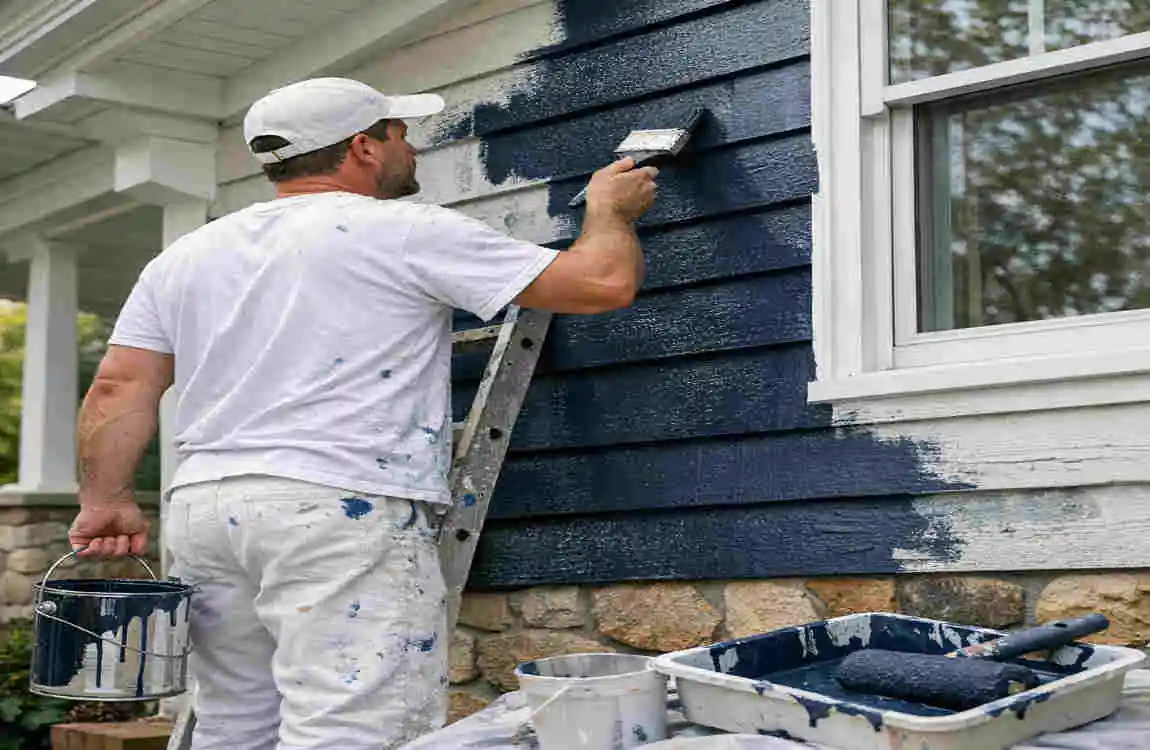
Exterior paint is made to survive harsh outdoor conditions. It usually contains ingredients that help it resist:
- Sun damage
- Rain and humidity
- Temperature changes
- Mildew and mold
- Surface expansion and contraction
Because outdoor surfaces move and weather differently, exterior paint is formulated to remain flexible and last longer under stress.
Exterior paint vs. interior paint
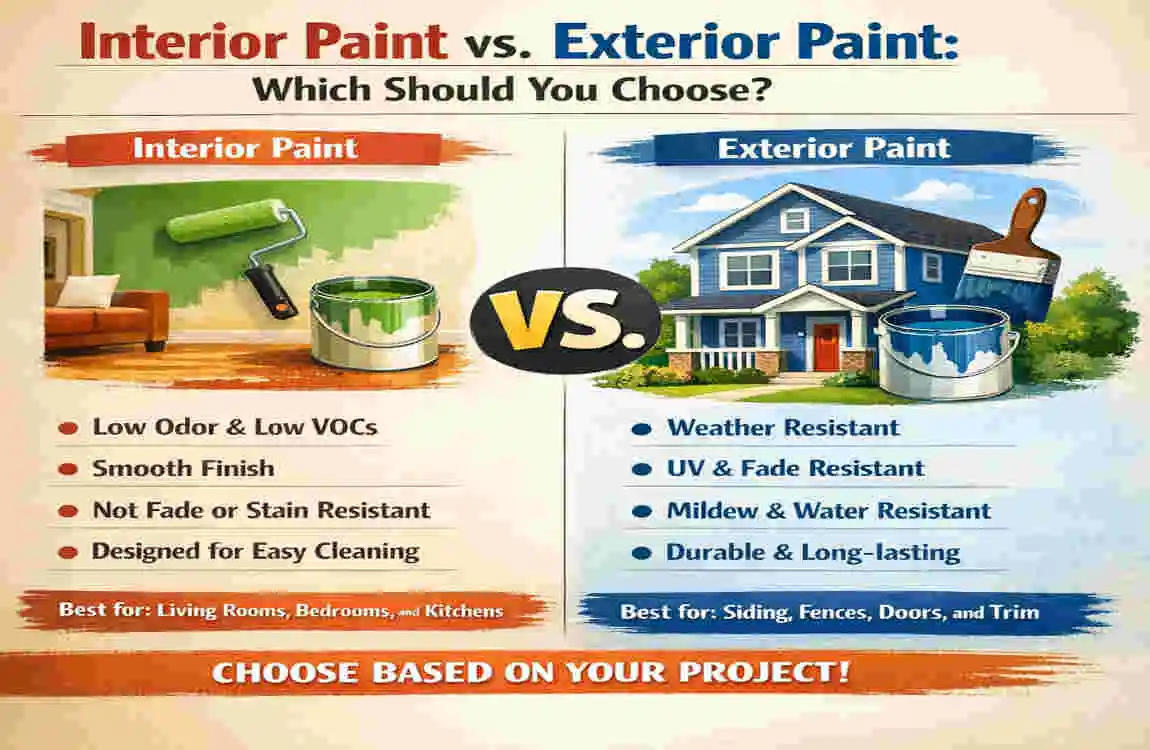
Interior paint and exterior paint are not meant for the same job. Interior paint is made for homes, offices, and other occupied spaces. It is usually designed to have less odor and better comfort for indoor use.
Here is a simple comparison:
FeatureInterior PaintExterior Paint
Main purpose Indoor surfaces Outdoor surfaces
Weather resistance Limited High
UV resistance Moderate High
Indoor use Yes Usually not recommended
Odor/emissions Often lower Can be stronger
Flexibility For stable indoor conditions For outdoor expansion and contraction
Best choice for rooms Yes Usually no
Common types of exterior paint
You will often see these types:
- Acrylic exterior paint
- Latex exterior paint
- Oil-based exterior paint
- Specialty masonry and outdoor coatings
Each one is made for outdoor performance, not regular indoor living spaces.
Can I Use Exterior Paint Indoors?
Is it technically possible?
Yes, exterior paint can physically be applied to an indoor surface. A wall, trim board, or other interior material can be painted with it.
But just because you can do it does not mean it is the best choice. Paint should be selected based on the label and intended use.
Why exterior paint may not be suitable indoors
There are several reasons:
- Stronger odors
- Possible air-quality concerns
- Longer curing time
- Additives made for outdoor use
- Finish that may not suit indoor walls
- Poor match for some interior surfaces
So while the answer to can I use exterior paint indoors is technically yes in some cases, the better answer for most rooms is no.
When might exterior paint be considered?
There may be unusual situations in which a manufacturer allows certain coatings for special indoor areas, such as utility spaces or other approved surfaces.
If you are considering this, always:
- Read the label carefully
- Check the product’s technical sheet
- Follow the manufacturer’s instructions
- Use an interior-rated product whenever possible
Why Using Exterior Paint Indoors Can Be a Problem
Odor and indoor air quality
Inside a home, paint fumes can feel much stronger because the room is enclosed. Even if the smell fades over time, it may still be unpleasant while the paint dries.
Good airflow helps, but indoors you still want a product designed with living spaces in mind.
VOCs and chemical emissions
VOCs are volatile organic compounds. In simple terms, they are chemicals that can evaporate into the air as paint dries.
Exterior paints may have different VOC levels depending on the brand and formula. That is why product labels matter so much. If indoor air quality is important to you, low-VOC or zero-VOC interior paint is usually a better fit.
Drying and curing issues
Drying and curing are not the same thing.
- Drying means the surface no longer feels wet.
- Curing means the paint has fully hardened and reached its best strength.
Exterior paint may cure differently indoors because the room has different airflow, humidity, and temperature than the outdoors. That can affect how the paint performs.
Finish and appearance
Exterior paint is built for outdoor durability, not always for indoor beauty. On interior walls, it may look or feel different from what you expected.
You may notice issues with:
- Sheen
- Texture
- Touch-ups
- Color consistency
If you want a smooth, attractive finish inside your home, interior paint is usually the smarter choice.
Interior Paint vs. Exterior Paint: Which Should You Choose?
Best paint for interior walls
For bedrooms, living rooms, hallways, and most normal indoor spaces, use interior wall paint. Look for options that are:
- Low-odor
- Low-VOC
- Washable
- Easy to touch up
These features matter in rooms where people spend a lot of time.
Best paint for kitchens and bathrooms
Kitchens and bathrooms need extra protection against moisture. That does not mean you should use exterior paint. Instead, choose an interior paint made for humidity and easy cleaning.
That gives you the moisture resistance you need without the drawbacks of an outdoor coating.
Best paint for trim, doors, and cabinets
Trim, doors, and cabinets get touched often, so durability matters. Use a specialty interior enamel or a cabinet coating made for indoor use.
That usually gives you better results than using an exterior formula inside.
What to Do If You Already Used Exterior Paint Indoors
Check the product label.
Start by looking at the exact paint can. Check whether the manufacturer allows indoor use.
Look for:
- Intended use
- Surface recommendations
- Safety information
- Drying and curing instructions
Improve ventilation
If the paint is already on the wall, help the room breathe.
- Open windows if possible
- Use fans to move air
- Avoid spending too much time in the space while odors are strong
- Let the paint dry and cure fully
Should you remove the paint?
Not always. Removal is not automatically necessary.
What matters is:
- The specific product
- The room size
- The smell or discomfort
- The manufacturer’s guidance
- How long the paint has been there
If you still have concerns, it may be worth asking a paint professional for advice.
Can you paint over exterior paint?
Yes, often you can. But the surface needs proper preparation.
That may include:
- Cleaning the surface
- Light sanding if needed
- Using a compatible primer
- Testing a small area first
Do not skip preparation, or the new paint may not bond well.
How to Choose the Right Paint for Indoor Projects

Read the label carefully.
This is the most important step. The label tells you whether the paint is meant for interior, exterior, or both.
Consider room conditions
Think about the room before buying paint:
- Humidity
- Traffic
- Cleaning needs
- Ventilation
- Moisture exposure
A bathroom, bedroom, and hallway all need different things.
Look for proper product information.
Do not rely only on marketing words like “tough” or “premium.” Check the actual product details. That will tell you much more than the front label.
Calculate how much paint you need.
Measure the walls and think about the number of coats. Always follow the manufacturer’s coverage estimate so you buy enough paint.
FAQ: Can I Use Exterior Paint Indoors?
Can I use exterior paint indoors?
Usually, no. Exterior paint is made for outdoor conditions, and interior paint is usually the safer and better choice for indoor rooms.
Is exterior paint more durable than interior paint?
It is more durable for outdoor conditions. That does not mean it is better for interior walls, where comfort, odor, and air quality matter more.
Is exterior paint toxic indoors?
It depends on the product. Always check the safety information and the intended use on the label.
Can exterior paint be used on an indoor wall?
Only if the manufacturer specifically allows it. In most cases, interior wall paint is the better option.
What happens if you use exterior paint inside?
You may experience a stronger odor, potential air-quality concerns, different curing behavior, and a finish that is not ideal for indoor spaces.
Can I paint over exterior paint with interior paint?
Yes, often you can. Just make sure the surface is clean, prepared, and compatible with the new coating.
How long should exterior paint dry indoors?
Drying time depends on the product, temperature, humidity, airflow, and coat thickness. Always follow the manufacturer’s instructions.
| Question | Short Answer |
|---|---|
| Can you use exterior paint indoors? | Yes, but it is generally not recommended. |
| Why? | Exterior paints may contain additives designed for outdoor weather resistance and can produce stronger fumes. |
| Main concern | Indoor air quality, odor, and ventilation. |
| Better option | Use interior paint specifically formulated for indoor spaces. |
| When might exterior paint work indoors? | Only for limited situations where the product label specifically allows indoor use. |
| Best safety tip | Always check the manufacturer’s label and ensure good ventilation. |
