


If you are asking how to get a council house quickly, you are probably in a situation where safe and affordable housing matters right now. A council house is a home provided by the local council at a lower rent than most private rentals. For many people, it can offer stability, security, and a more affordable way to live.
The process is not always fast. In many places, there are long waiting lists and strict rules. Still, there are ways to improve your chances. The key is to apply properly, send the right documents, and keep your application up to date.
What Is a Council House?

Definition of Council Housing
A council house is a home owned or managed by the local council. These homes are offered to people who need affordable housing and meet certain eligibility rules.
They are usually rented at a lower price than private homes. That makes them important for families, low-income households, and people facing housing problems.
Who Owns Council Houses?
The local council owns the property or, in some cases, manages it through housing services. The council decides who can apply, how applications are assessed, and who gets offered a home.
Benefits of Living in Council Housing
Council housing can offer several advantages:
- Lower rent
- More secure tenancy
- Stable long-term housing
- Better affordability for families and individuals
For many people, this kind of housing can make everyday life much more manageable.
How Do You Get a Council House Quickly?
Check If You Meet Eligibility Requirements
The first step is to check if you qualify. Councils usually consider factors such as income, housing need, immigration status, and local connection.
If you do not meet the rules, your application may not move forward. So it is important to check the criteria before you apply.
Register With Your Local Council
You normally need to apply through your local council’s housing system. Some councils let you apply online, while others may ask for paper forms or direct contact.
This is the step where you officially enter the housing queue.
Submit All Required Documents
Your application will usually need proof of identity, address, income, and sometimes medical or benefit information. Missing documents can slow everything down.
The more complete your application is, the better.
Keep Your Application Accurate and Updated
If your situation changes, tell the council right away. This includes changes in income, family size, health, or address.
An outdated application can cause delays or even affect your priority level.
Bid for Suitable Properties Regularly
Some councils use a choice-based letting system. That means you need to bid for homes that match your needs.
If this applies in your area, bid often and only for properties you can realistically live in.
Who Gets Priority for Council Housing?
Homeless Applicants
People who are homeless or about to become homeless often get higher priority. The council may treat these cases as urgent.
People With Disabilities
If a disability affects where or how you can live, you may be given extra consideration. This includes mobility issues or the need for adapted housing.
Families With Children
Families with young children or those living in difficult conditions may also move up the list.
Medical and Welfare Needs
Serious health issues, mental health concerns, or welfare risks can raise your priority if supported by evidence.
Overcrowded Households
If too many people are living in too little space, the council may consider this a housing need.
Documents You’ll Need
You should prepare your paperwork early. Common documents include:
- Proof of identity
- Proof of address
- Income details
- Benefit information
- Medical evidence, if needed
Having these ready can save time and reduce errors.
Tips to Improve Your Chances
Apply as Early as Possible
Do not wait if you need housing. Applying early gives you a place in the system sooner.
Respond Quickly to Council Requests
If the council asks for more information, reply as soon as you can. Delays often occur when people do not respond promptly.
Accept Suitable Property Offers
If you are offered a suitable home, think carefully before turning it down. Repeated refusals can sometimes affect your chances.
Update Changes in Your Circumstances
New job? New baby? Health issue? Tell the council. These changes may affect your priority.
Consider More Than One Location
If your council allows it and you are eligible, being open to more than one area can improve your options.
Common Reasons Applications Are Delayed
Applications often slow down for simple reasons. Common problems include:
- Missing documents
- Incorrect information
- Failure to renew the application
- Ignoring council emails or letters
- Limited housing availability
A complete and active application usually moves more smoothly than one with gaps or mistakes.
How Long Does It Take to Get a Council House?
Factors Affecting Waiting Time
There is no fixed answer. Waiting time depends on your need, your council area, and the number of available homes.
Local Housing Demand
In areas with high demand and low supply, waiting lists can be very long.
Priority Banding System
Many councils use bands or levels of priority. People with more urgent housing needs may move faster, while others may wait much longer.
Alternatives While Waiting
Housing Associations
Housing associations may offer affordable rented homes. In some places, they work alongside councils.
Private Renting
Private renting may be expensive, but it can help if you need housing sooner.
Temporary Accommodation
If you have nowhere safe to stay, the council may offer temporary housing while your case is being reviewed.
Homelessness Assistance
If you are at risk of homelessness, contact the council as early as possible. They may be able to help you sooner.
Common Mistakes to Avoid
Try not to make these mistakes:
- Providing inaccurate information
- Missing application deadlines
- Ignoring property offers
- Not reporting changes in circumstances
Even a small mistake can slow the process, so stay careful and organized.
Benefits and Challenges of Council Housing
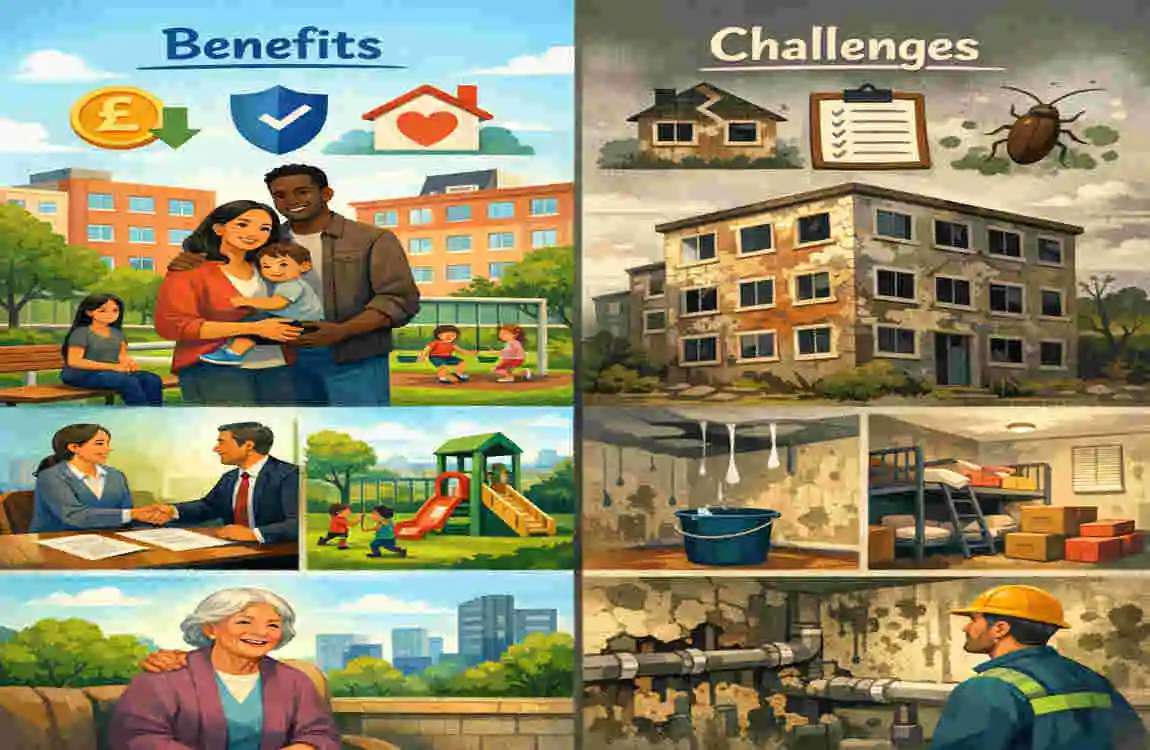
BenefitsChallenges
Lower rent Long waiting lists
Greater tenancy security Limited property availability
Stable housing Location choices may be limited
Affordable living Eligibility rules apply
Council housing can be a great option, but it is not always easy to get quickly. Knowing both the strengths and the limits helps you plan better.
Frequently Asked Questions
How do you get a council house quickly?
Apply as soon as you are eligible, send all required documents, keep your application up to date, and bid for suitable homes if your council uses that system.
Who gets priority for a council house?
Priority often goes to people who are homeless, have serious medical needs, live in overcrowded housing, or face urgent welfare issues.
Can I apply for a council house online?
Yes, many councils allow online applications, but the process depends on your local area.
How long is the waiting list for a council house?
It can be a few months or several years, depending on local demand and your priority level.
Can I speed up my council house application?
You cannot skip the rules, but you can avoid delays by keeping your application complete, accurate, and up to date.
| Topic | Information |
|---|---|
| What Is a Council House? | A council house is affordable public housing provided by a local council for eligible people with housing needs. |
| Who Can Apply? | People with low income, homelessness, disabilities, medical needs, or overcrowded living conditions may qualify. |
| Register Early | Apply to your local council’s housing register as soon as possible to join the waiting list. |
| Provide Complete Documents | Submit proof of identity, income, residency, and any medical or family-related documents to avoid delays. |
| Priority Bands | Councils often give higher priority to applicants who are homeless, at risk, have serious medical conditions, or urgent housing needs. |
| Bid on Available Homes | Many councils use a choice-based letting system where applicants bid for suitable available properties. |
| Keep Your Application Updated | Report any changes in income, family size, health, or address to maintain accurate priority. |
