

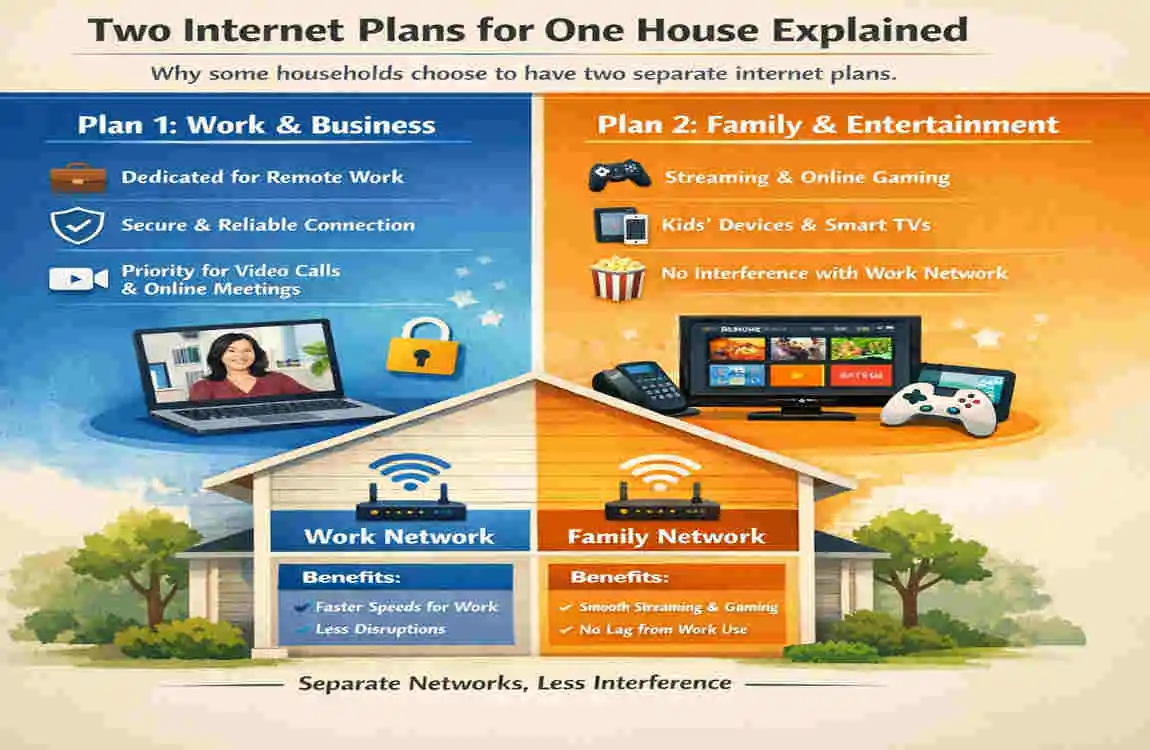
That may sound unusual at first, but many homes do it for very practical reasons. Some people need a strong backup connection for work. Others want better gaming performance, smoother streaming, or more reliable internet for a busy family. If you run a home business, having a second connection can also help keep things running when the main service goes down.
In simple terms, two internet services can live in the same house at the same time. They can come from the same provider or from two different companies. You need the right setup.
Can You Have Two Different Internet Connections in One House?
The Simple Answer
Yes, you can. A house can have two separate internet connections if the providers can serve your address.
This could mean two different companies, like cable and fiber, or one fixed connection plus a wireless backup, like 5G home internet. The two services can work side by side without any major issue.
How It Works
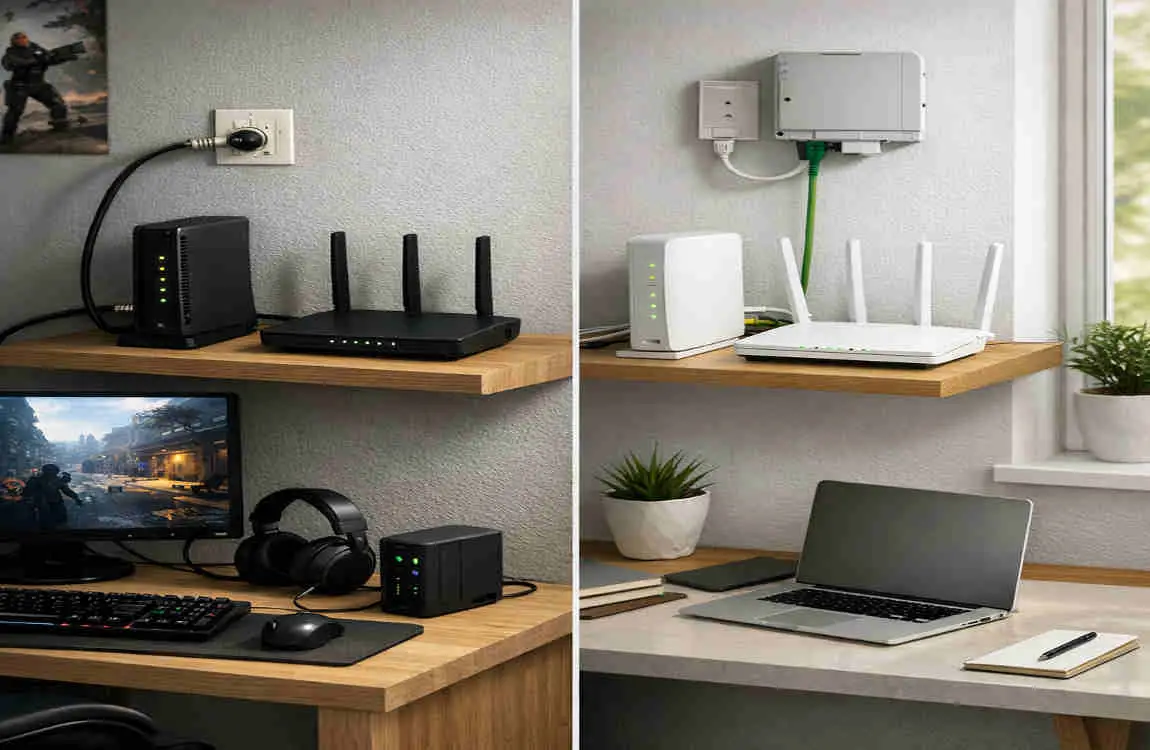
Each internet connection usually needs its own modem and often its own router.
That means the first service runs through one set of equipment, and the second service runs through another. In some cases, both can connect to a single advanced router, but many homes keep them separate.
You also get separate billing for each plan. So if you choose two services, you usually pay two monthly bills. Installation may also require two setup visits, especially if the providers use different wiring.
Why Would Someone Need Two Internet Connections?
Work From Home Reliability
If you work from home, a second internet line can be a lifesaver.
Video calls, cloud tools, and file uploads all depend on steady service. If your main internet goes down during a meeting, a backup connection can keep you online. That means fewer interruptions and less stress.
Online Gaming
Gamers often want a connection that stays stable even when the house is busy.
Two internet services can help reduce slowdowns caused by heavy home use. You can also keep gaming traffic on one line while other people stream or browse on the other.
Streaming Multiple Devices
Today, many luxury homes have smart TVs, phones, tablets, laptops, and streaming boxes all running at once.
If several people are watching 4K video, your internet can slow down quickly. A second connection helps spread out the load, so your shows buffer less, and your devices run more smoothly.
Home Businesses
If you work from home or run a small business from your house, internet downtime can hurt your income.
A second connection gives you business continuity. You can keep taking orders, answering clients, or sending files even when one line fails. Some people even keep one network for family use and one for business use.
Large Families
Large households use a lot of internet.
Between schoolwork, gaming, social media, streaming, and smart devices, one connection may not be enough. Two internet services can make the whole house feel faster and more stable.
Different Ways to Get Two Internet Services
Two Different ISPs
One common setup is using two different internet providers.
For example, you might have fiber from one company and cable from another. Or you might combine fiber with DSL if both are available in your area. This gives you flexibility and reduces the chance that one outage affects everything.
Internet + 5G Home Internet
Another smart option is combining a regular wired plan with 5G home internet.
This is popular because 5G is easy to install and can serve as a backup line. If your main internet has problems, the wireless connection can keep your home online. It is especially useful in places where fast wired service is not always dependable.
Fiber and Satellite
In rural areas, some people use fiber and satellite together.
Fiber may be your main high-speed service if it is available. At the same time, satellite can work as a backup or a primary option in remote locations. Satellite is usually slower and more expensive, but it can still be useful when no better choice exists.
Benefits of Having Two Different Internet Services
Better Reliability
The biggest benefit is reliability.
If one internet connection fails, the other can keep working. That matters a lot for remote workers, businesses, and households that depend on the internet all day.
Backup During Outages
Internet outages happen.
It could be a storm, a wiring problem, or a provider issue. With two connections, you are less likely to lose access completely. This is one of the strongest reasons to ask: can you have two different internet connections in one house? Then seriously consider it.
Faster Overall Performance
Two connections can help your home feel faster, especially when used wisely.
You may not always double your speed in one single task, but you can spread devices and activities across both networks. That helps reduce congestion and makes everyday use smoother.
Improved Security
Some people also like the security side of having two networks.
For example, you can separate business devices from personal devices. You may also keep smart home gadgets on one network and private work computers on another. That separation can make your home easier to manage.
Better Business Productivity
If your house supports clients, online sales, or remote meetings, a second connection can improve productivity.
You waste less time waiting for service to return. You also reduce the risk of losing work in the middle of an important task.
Possible Drawbacks
Higher Monthly Cost
The biggest downside is cost.
You are paying for two services instead of one. That can be worth it for reliability, but it does increase monthly expenses.
Extra Equipment
Two internet plans often mean more equipment.
You may need two modems, two routers, or a special router that supports dual connections. That can make setup more crowded and a little more complex.
Installation Charges
Some providers charge installation fees.
If both services require separate setup, you may pay more upfront. It is smart to ask about activation, equipment rental, and technician visits before you sign up.
More Network Management
Two networks also mean more management.
You may need to decide which devices use which connection. You may also need to troubleshoot both systems from time to time. For some households, that is fine. For others, it feels like extra work.
How Much Does It Cost?
Below is a simple cost comparison to help you plan.
Internet Type Average Monthly Cost Best For
Fiber $50–$100 Fast speeds
Cable $40–$90 Families
DSL $30–$60 Basic browsing
5G Home Internet $40–$80 Backup connection
Satellite $70–$150 Rural homes
If you use two services, your total monthly cost will usually be the sum of both plans. So if you have fiber and 5G home internet, you may pay for both each month.
How to Set Up Two Internet Connections
Option 1: Separate Routers
The easiest setup is to use separate routers.
Each internet service gets its own modem and router. This is simple, but you will need to manage two Wi-Fi networks unless you change the settings carefully.
Option 2: Dual-WAN Router
A Dual-WAN router can connect to two internet lines at once.
This is a better choice if you want more control. It can help balance traffic or switch to the backup line automatically if one service fails.
Option 3: Mesh Network with Dual WAN
Some advanced mesh systems also support dual WAN.
This gives you wider Wi-Fi coverage throughout the house while still letting you manage two internet sources from a single system. It is a great option for larger homes.
Can You Use Both Internet Connections at the Same Time?
Load Balancing
Yes, in many cases you can use both at once through load balancing.
That means the router sends different devices or different types of traffic across both lines. One person can stream on one connection while another works on the second.
Automatic Failover
Another useful feature is automatic failover.
If the main connection goes down, the router switches to the backup without you needing to do anything. This is one of the best reasons to have two internet services.
Manual Switching
Some people prefer manual switching.
This means you choose which network to use depending on your needs. It is less automatic, but it can still work well for smaller homes.
Is It Legal to Have Two Internet Providers?
ISP Policies
In most cases, yes, it is legal.
Still, you should check each provider’s policy. Some services may have limits on equipment, installation, or line sharing.
Property Owner Permissions
If you rent your home, you may need permission from the landlord.
If you live in an apartment or managed property, building rules may also affect what you can install.
HOA Considerations
Some HOA communities have rules about exterior equipment, wiring, or satellite dishes.
Before ordering a second service, check those rules so you do not run into delays.
Local Regulations
Local building codes may also matter.
In most homes, there is no problem, but it is wise to confirm if the setup requires extra drilling, outside boxes, or new wiring.
Who Should Consider Two Internet Plans?
You should think about a second connection if you are in one of these groups:
- Remote workers who need steady video calls
- Gamers who want less lag and fewer interruptions
- Content creators who upload large files often
- Businesses that cannot afford downtime
- Large households with many active devices
- Smart homes with lots of connected devices
If your modern home uses the internet lightly, a second plan may be more than you need. But if your household depends on it, the extra service can be worth it.
Tips Before Ordering a Second Internet Connection
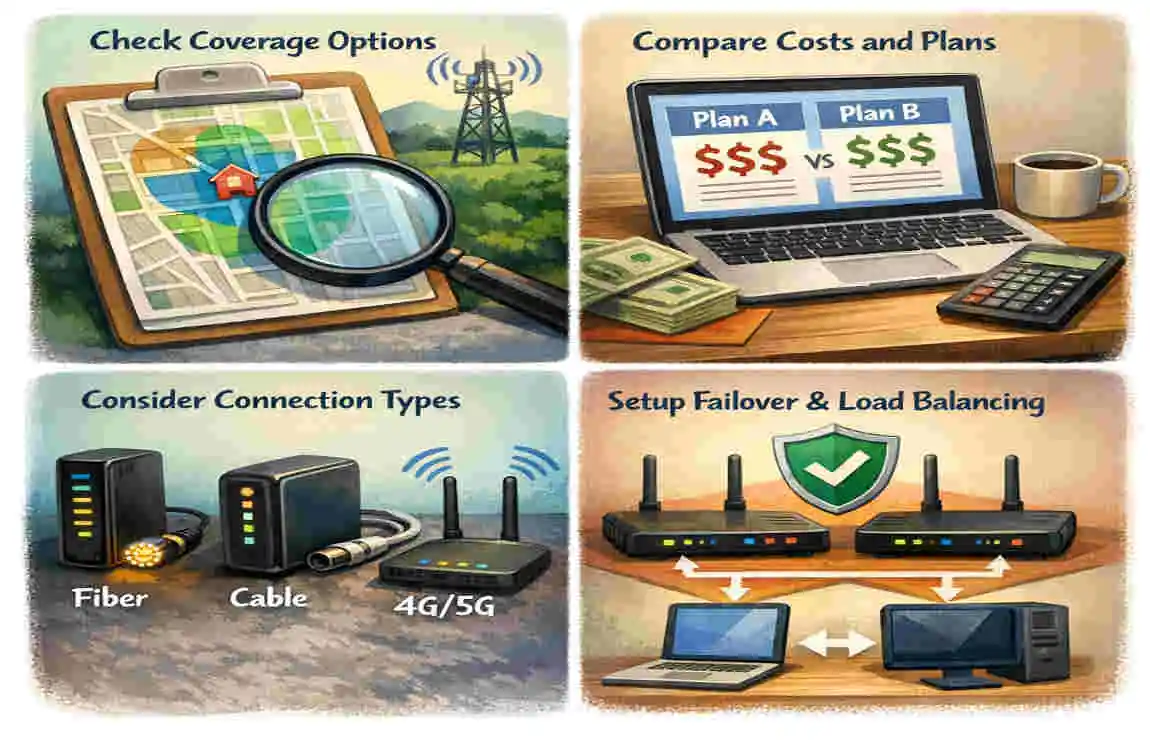
Before you sign up, take a few smart steps:
- Compare providers in your area.
- Check service availability at your exact address.
- Confirm installation fees and equipment rental costs.
- Test your current internet speed so you know what you are starting with.
- Choose the right router if you want dual-WAN or load balancing.
- Review contract terms before you commit.
A little planning can save you money and frustration later.
Frequently Asked Questions
Can you have two different internet connections in one house?
Yes. Many homes can have two separate internet connections from the same or different providers.
Can two internet providers service the same address?
Yes, if both providers have infrastructure available at your location.
Do I need two modems?
Usually yes. Each internet service typically requires its own modem.
Can one router use two internet connections?
Yes, if it supports Dual-WAN or load balancing.
Is having two internet connections worth it?
It can be very worthwhile for remote workers, businesses, gamers, and large households that need stable internet access.
Can I combine two internet connections for faster speed?
With a compatible Dual-WAN or load-balancing router, you can distribute traffic across both connections. However, a single download usually will not use the full combined speed unless you use special bonding services.
| Topic | Information |
|---|---|
| Meaning | Having two separate internet plans connected at the same home address. |
| Why People Choose It | For faster speeds, backup internet, remote work, gaming, or multiple households in one home. |
| Is It Possible? | Yes, in many areas, if the internet provider supports multiple accounts or separate connections. |
| Common Setup | Two different ISPs, or two separate plans from the same provider (where available). |
| Main Benefits | Better reliability, reduced network congestion, dedicated bandwidth, and internet backup during outages. |
