

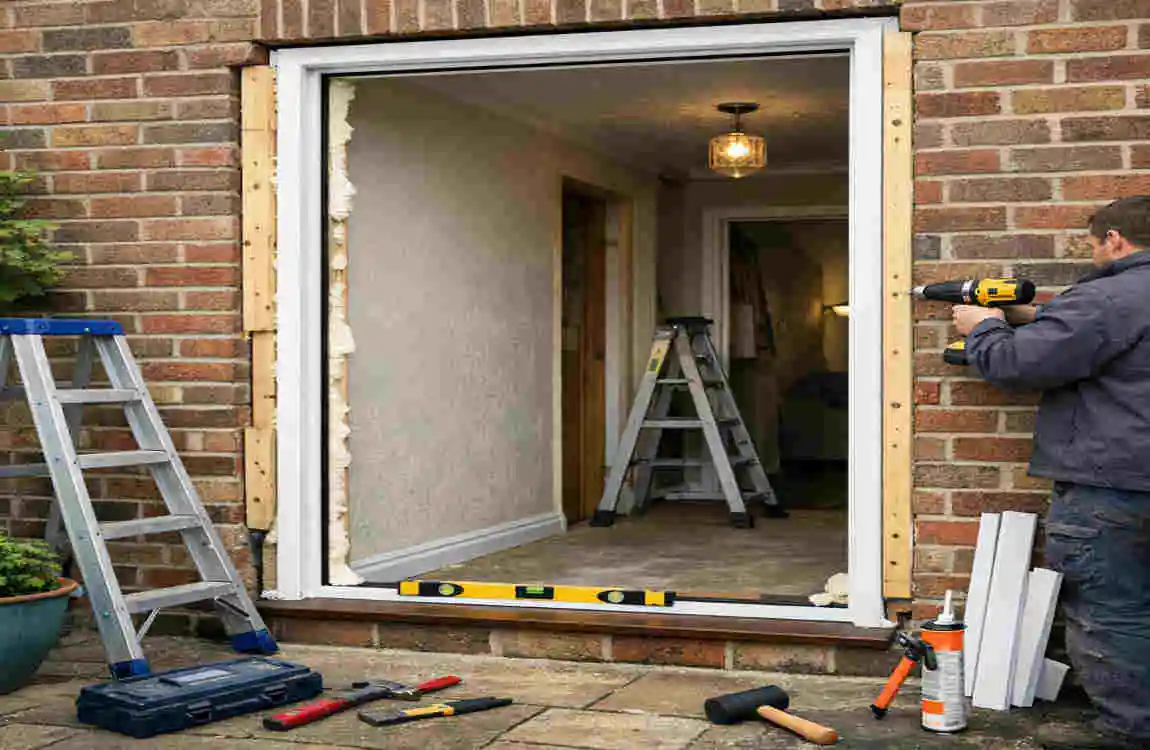
If you are planning to install an exterior door frame in the UK, the good news is that the job is entirely possible for a careful DIYer. It just needs patience, accurate measuring, and a methodical approach.
An exterior door frame does more than hold the door in place. It helps keep out wind, rain, and cold air and provides security and insulation. So if the frame is fitted badly, the whole door can feel loose, draughty, or difficult to close.
Understanding Exterior Door Frames in the UK
What an Exterior Door Frame Does
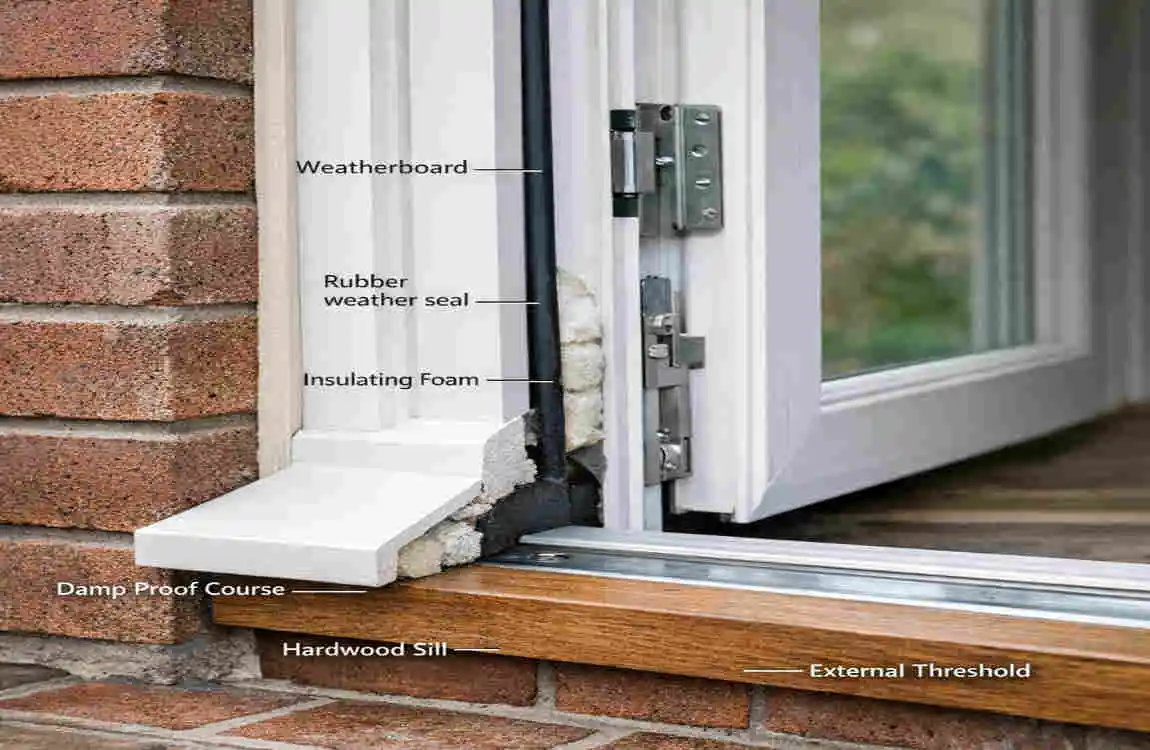
An exterior door frame is the structure that sits around the door and connects it to the wall opening. It provides support for the door and keeps it aligned.
In UK homes, the frame also needs to withstand wet weather, temperature fluctuations, and regular use. That is why material choice and proper sealing matter so much.
Common Frame Materials
In the UK, you will usually see three main frame types:
- Timber – traditional, attractive, and easy to work with
- uPVC – low maintenance and common in many homes
- Composite – strong, modern, and built for better weather performance
When to Replace the Whole Frame
Sometimes a repair is enough. But if the frame is rotting, warped, badly cracked, or no longer square, replacing the full frame is usually the better choice. A new frame often gives you a better seal, smoother operation, and improved security.
Tools and Materials You Need
Basic Tools
Before you begin, gather the main tools so you do not stop halfway through the job.
You will usually need:
- Measuring tape
- Spirit level
- Drill
- Screws and suitable wall fixings
- Screwdriver
- Hammer and chisel
- Packers or spacers
- Expanding foam or frame sealant
- Exterior-grade silicone sealant
- Safety gloves and goggles
Simple Checklist Before You Start
Make sure you also have:
- The new door frame
- The door slab or door leaf
- Fixings suited to your wall type
- Damp-proof and weatherproofing materials
- A clear working space
How to Measure and Prepare the Door Opening
Measure the Opening Properly
Good measuring is one of the most important parts of the job. Measure the width, height, and depth of the opening in more than one place.
Walls and openings are not always perfectly straight, so checking several points helps you spot any uneven areas.
Check the Opening Is Square
Use a tape measure to compare diagonals. If both diagonal measurements are close, the opening is likely square enough. If they are very different, you may need to adjust the opening or prepare for extra packing.
Remove the Old Frame Safely
If you are replacing an old frame, remove the door first, then take out any trims, sealant, and fixings. Work slowly so you do not damage the surrounding brickwork or plaster.
Inspect and Repair the Surrounding Area
Look for:
- Loose plaster
- Damaged brickwork
- Damp spots
- Uneven surfaces
Fix these problems before fitting the new frame. A clean and solid opening makes the installation much easier.
How to Install an Exterior Door Frame UK
Position the Frame in the Opening
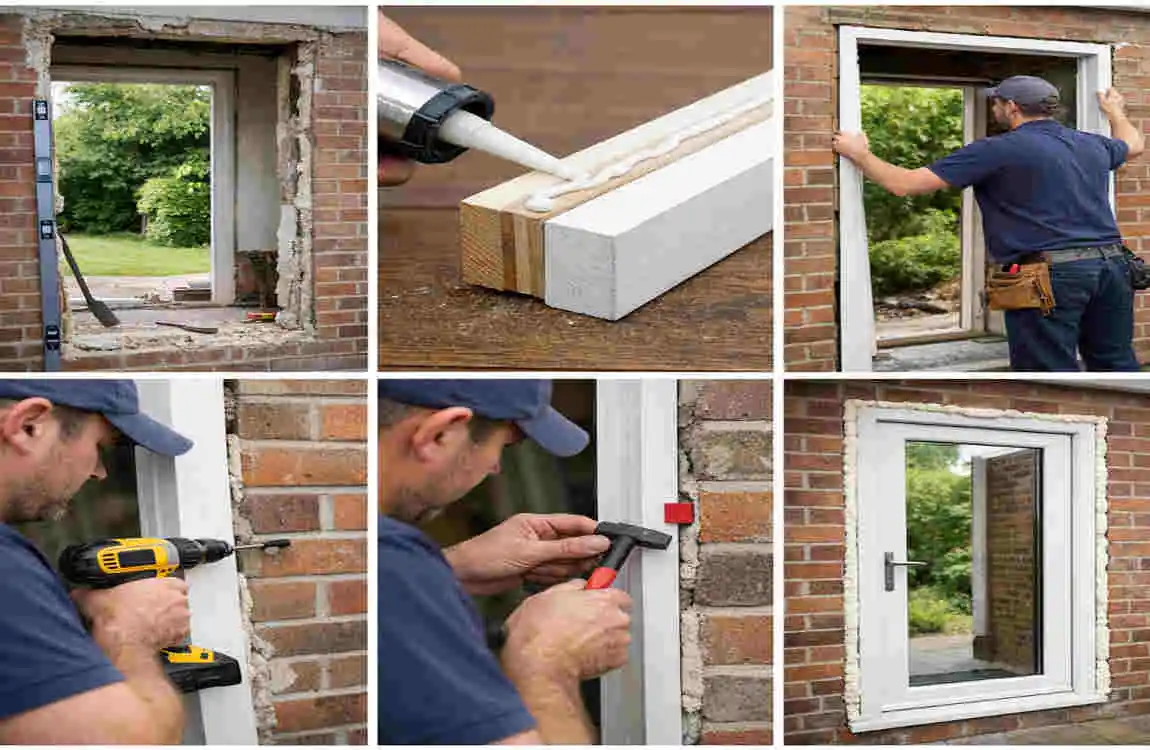
Now we come to the main part: how to install an exterior door frame in the UK. Carefully place the frame into the opening and check that it sits in the right position.
Do not force it. The frame should sit naturally with small gaps for adjustment and sealing.
Check for Level and Plumb
Use a spirit level to check both sides and the top of the frame. The frame needs to be:
- Level across the top
- Plumb on the sides
- Square overall
If the frame is not straight, the door may rub, stick, or fail to latch properly.
Use Packers for Accuracy
Packers or spacers help you adjust the frame so it sits correctly in the opening. Place them near fixing points to support the frame and keep it stable while you work.
This step matters because it helps stop the frame moving when you tighten the screws.
Secure the Frame
Once the frame is in the right position, fix it to the wall using suitable screws and wall plugs. Do not overtighten. Tighten each fixing just enough to hold the frame firmly.
Check the frame again after each fixing. Sometimes the frame shifts slightly while you are tightening it.
Hang the Door and Test It
After the frame is secure, hang the door and test how it moves. Open and close it several times.
Look for:
- Smooth movement
- Even gaps around the edges
- A lock that lines up properly
- A latch that closes without force
If needed, adjust the hinges or packing before fully sealing everything.
Weatherproofing, Insulation, and Sealing
Why Sealing Matters
A good frame is not enough on its own. Exterior doors in the UK must also resist rain, draughts, and cold air. That means the gaps around the frame must be sealed properly.
Seal the Gaps
Use expanding foam or suitable frame sealant around the frame where it meets the wall. Apply it carefully so you do not overfill the gap.
After that, finish the outside edge with exterior-grade silicone sealant. This helps keep water out and gives a neat finish.
Protect the Bottom and Threshold
The bottom of the frame is often the most exposed area. Make sure the threshold is sealed well, and that water cannot gather around it.
This is especially important for timber frames, which can absorb moisture if left unprotected.
Improve Insulation
A well-sealed frame helps reduce draughts and can improve energy efficiency around the door. Small gaps may not seem serious, but they can make the room colder and less comfortable.
Common Installation Mistakes to Avoid
Measuring Incorrectly
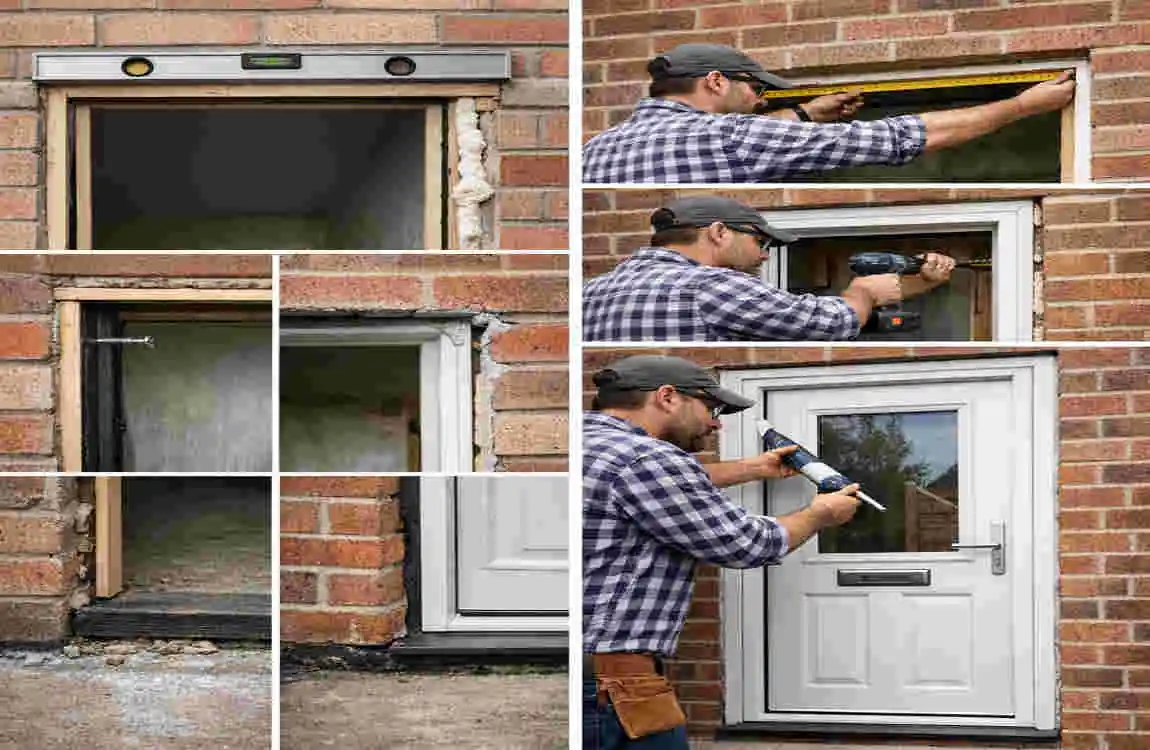
Even a small measuring error can lead to big problems later. Always measure more than once before buying or fitting the frame.
Installing Without Checking Level
If the frame is not level or square, the door may never close properly. This is one of the most common DIY mistakes.
Using the Wrong Fixings
Not all walls are the same. Brick, block, and timber walls may need different screws or plugs. Use fixings that suit your wall type.
Leaving Gaps Unsealed
If you leave gaps open, draughts and water can get in. That can lead to discomfort, damage, and higher heating use.
Ignoring Damp or Damage
Do not cover up damp or crumbling masonry. Fix the problem first, or the new frame may suffer the same damage later.
Rushing the Final Check
Always test the door before you finish. If the lock does not line up or the door sticks, correct it now rather than after sealing everything.
Frequently Asked Questions
Can I install an exterior door frame myself in the UK?
Yes, if you are comfortable with measuring, fixing, and sealing work. If the opening is badly damaged or the job feels too complex, a professional may be the safer option.
How long does it take?
It depends on the condition of the opening and the type of frame. A simple replacement can take a day, but repairs and adjustments may take longer.
How much does it cost in the UK?
Costs vary depending on the frame material, labor, fixings, sealing, and condition of the opening. Timber, uPVC, and composite frames all come at different price points.
What is the best material?
There is no single best choice. Timber suits traditional homes, uPVC is low-maintenance, and composite offers strong weather resistance.
How do I stop draughts?
Make sure the frame is fitted correctly, sealed well, and adjusted so the door closes tightly.
Do I need planning permission?
Usually not for a like-for-like replacement, but rules can be different for listed buildings, conservation areas, or major changes. Always check local requirements.
What if the new frame is not square?
Stop and correct it before fully fixing it in place. Use packers, recheck the level, and adjust the position until the door fits properly.
| Step | What to Do | Key Tip |
|---|---|---|
| Measure the Opening | Check the width, height, and depth of the doorway. | Measure at several points for accuracy. |
| Prepare the Opening | Remove the old frame and clean the opening. | Repair damaged masonry before installation. |
| Position the Frame | Place the new exterior door frame into the opening. | Keep the frame centred and level. |
| Check Plumb & Level | Use a spirit level to check all sides. | Make small adjustments before fixing. |
| Secure the Frame | Fix the frame using suitable screws and plugs/anchors for the wall type. | Avoid overtightening, which can distort the frame. |
