

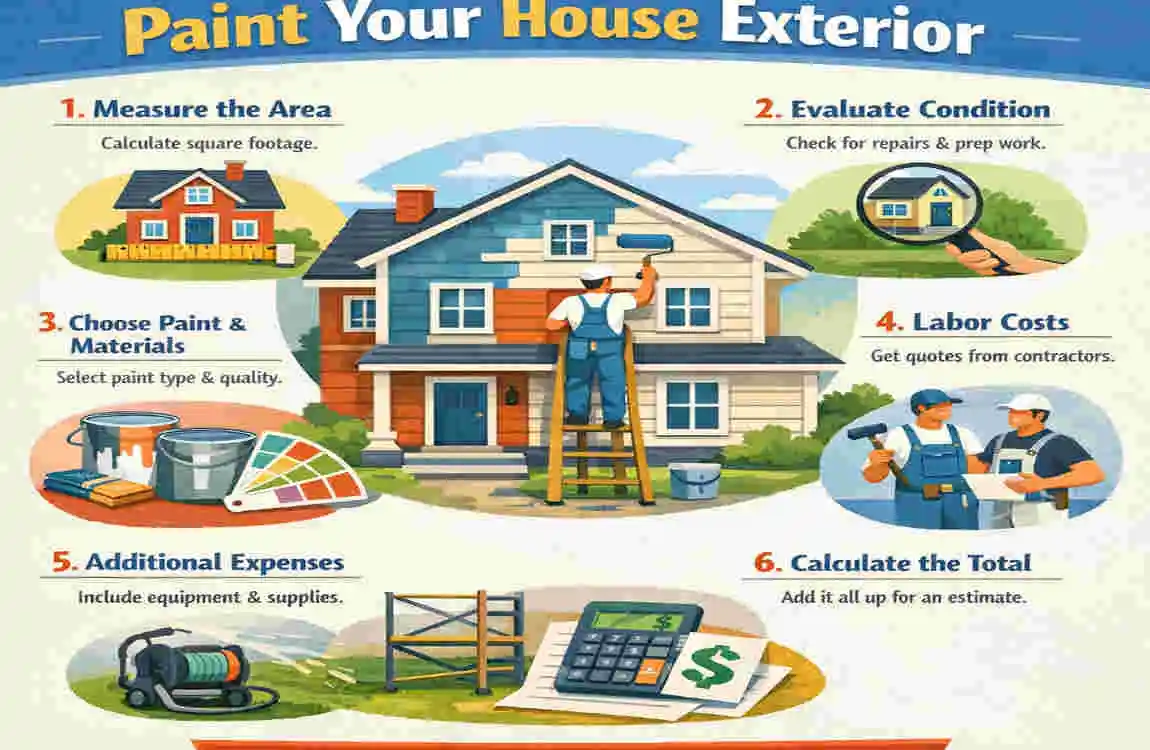
Painting your home’s exterior is one of the easiest ways to improve curb appeal. It can make an older house look fresh again and help protect siding, trim, and other exterior surfaces from weather damage.
If you are asking how much to paint a house exterior, the honest answer is: it depends. The final cost varies based on house size, number of stories, surface condition, paint quality, labor rates, and the amount of prep work required.
What Determines the Cost to Paint a House Exterior?
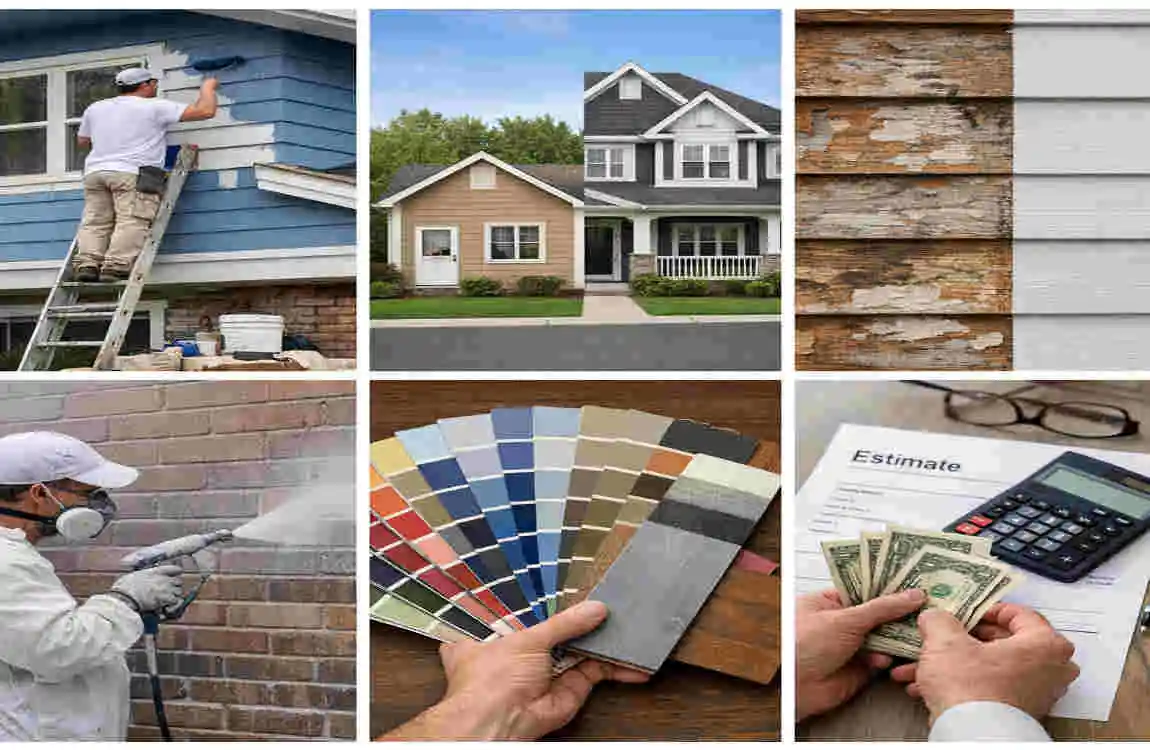
Several things affect the total price of an exterior painting project. Some are obvious, while others are easy to overlook.
House Size
The size of your home is one of the biggest price factors. A small one-story house usually needs less paint, less labor, and less time than a larger home.
Painters often base quotes on exterior square footage or total wall area. So, the bigger the house, the higher the cost.
Number of Stories
A two-story or three-story home usually costs more to paint. Why? Because painters need ladders, scaffolding, and more time to work safely at height.
Higher walls also take longer to prep and cover. That extra effort adds to the final bill.
Surface Condition
A smooth, well-kept exterior is cheaper to paint. If your home has peeling paint, mildew, holes, cracked caulk, or damaged wood, those issues must be fixed first.
More prep work means more labor, and that raises the price.
Exterior Material
Different surfaces need different products and prep methods. Common exterior materials include:
- Wood siding
- Vinyl siding
- Brick
- Stucco
- Fiber cement
- Concrete
- Metal siding
Some materials are easier to paint than others. For example, weathered wood may need more preparation than vinyl or fiber cement.
How to Calculate Exterior Painting Costs
A simple way to estimate cost is to measure the paintable surface and multiply it by a cost per square foot.
Paintable Area × Cost Per Square Foot = Estimated Cost
This gives you a rough starting point. But remember, real projects often cost more because of trim, doors, repairs, and extra coats.
Measure the Exterior
Measure the length and height of each wall. Multiply those numbers to estimate wall area.
If you want a more accurate estimate, subtract large windows and doors. That gives you a better idea of the actual surface that needs paint.
Estimate Paint Requirements
Most homes need at least two coats for a clean and lasting finish. Dark-to-light color changes, worn surfaces, or bare areas may also need primer.
So when you estimate, always think beyond just one layer of paint.
Labor and Material Costs
The total cost usually includes both materials and labor. Knowing the difference helps you understand where the money goes.
Paint and Supplies
Materials may include:
- Exterior paint
- Primer
- Caulk
- Brushes and rollers
- Drop cloths
- Tape
- Scrapers
- Sandpaper
- Cleaning supplies
Good paint may cost more at the start, but it often covers better and lasts longer. That can save money over time.
Labor
Professional painters charge for prep work, painting, cleanup, and sometimes minor repairs. Labor prices can vary a lot depending on where you live and how complex the job is.
A detailed estimate should clearly explain what labor includes.
Extra Costs to Consider
When you think about how much to paint the exterior of a house, do not stop at paint and labor. There are often extra charges that can affect the final total.
Common Extra Expenses
- Pressure washing
- Scraping old paint
- Wood repairs
- Caulking gaps
- Priming bare areas
- Scaffolding or ladder rental
- Painting trim, shutters, and doors
- Working on hard-to-reach areas
These costs may not seem large on their own, but they can add up fast.
How to Reduce Exterior Painting Costs
You can still save money without cutting corners on quality. The key is to plan well and avoid rushed decisions.
Prepare the Property
Move outdoor furniture, planters, and decorations away from the house before work starts. This helps painters work faster and can reduce labor time.
Compare Multiple Estimates
Ask for several written quotes. Do not just choose the cheapest one. Compare prep work, paint quality, labor, number of coats, and warranty.
A low price is not always a better deal if it leaves out important work.
Choose the Right Paint
Cheap paint may look appealing at first, but it may not last well. Choose a quality exterior paint that matches your home’s surface and weather conditions.
That often means fewer repaints later.
Consider DIY Painting
If your home is small and you have the right tools, you may save money by painting it yourself. But large homes, high walls, and tricky surfaces are safer and easier for professionals to work with.
DIY can reduce labor costs, but it still requires time, effort, and safety gear.
When Should You Repaint Your House Exterior?
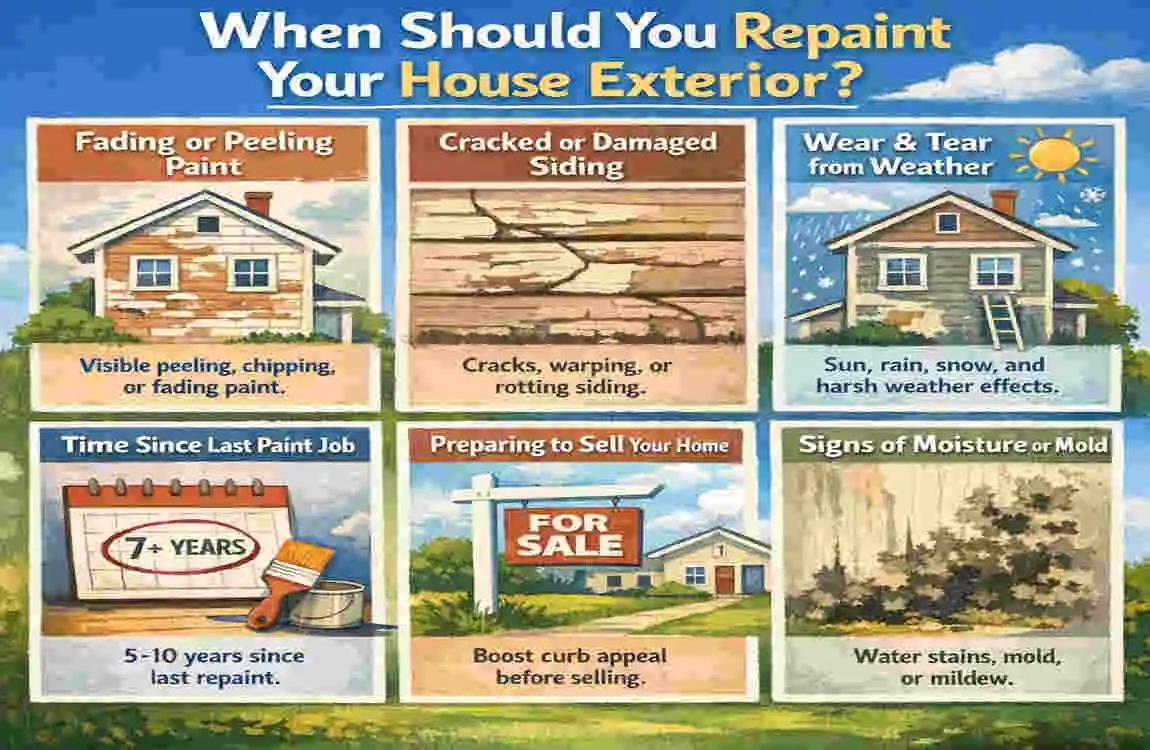
There is no single timeline for every home. The right time depends on climate, surface type, and paint quality.
Signs It Is Time to Repaint
- Peeling or cracking paint
- Faded color
- Chalking on the surface
- Bubbling paint
- Exposed wood
- Mildew or stains
- Cracked caulk
If you notice these signs, do not wait too long. Small problems can become bigger and more expensive later.
FAQ
How much to paint house exterior?
The cost depends on house size, material, surface condition, paint quality, labor rates, and project complexity. The best way to estimate is to measure the home and get several quotes.
How do I estimate exterior painting costs?
Measure the paintable area, estimate the cost per square foot, then add labor, repairs, primer, and supplies.
Is it cheaper to paint a house yourself?
DIY painting can save labor costs, but you still need to buy materials and tools. It is usually best for smaller, easier projects.
Does exterior paint increase home value?
A fresh exterior can improve curb appeal and make the home look better maintained, which may help attract buyers.
How often should a house exterior be painted?
It depends on the material, weather, and paint quality. Watch for peeling, fading, or cracking as signs it is time to repaint.
Should I get multiple painting estimates?
Yes. Comparing several estimates helps you understand pricing and see exactly what each contractor includes.
