

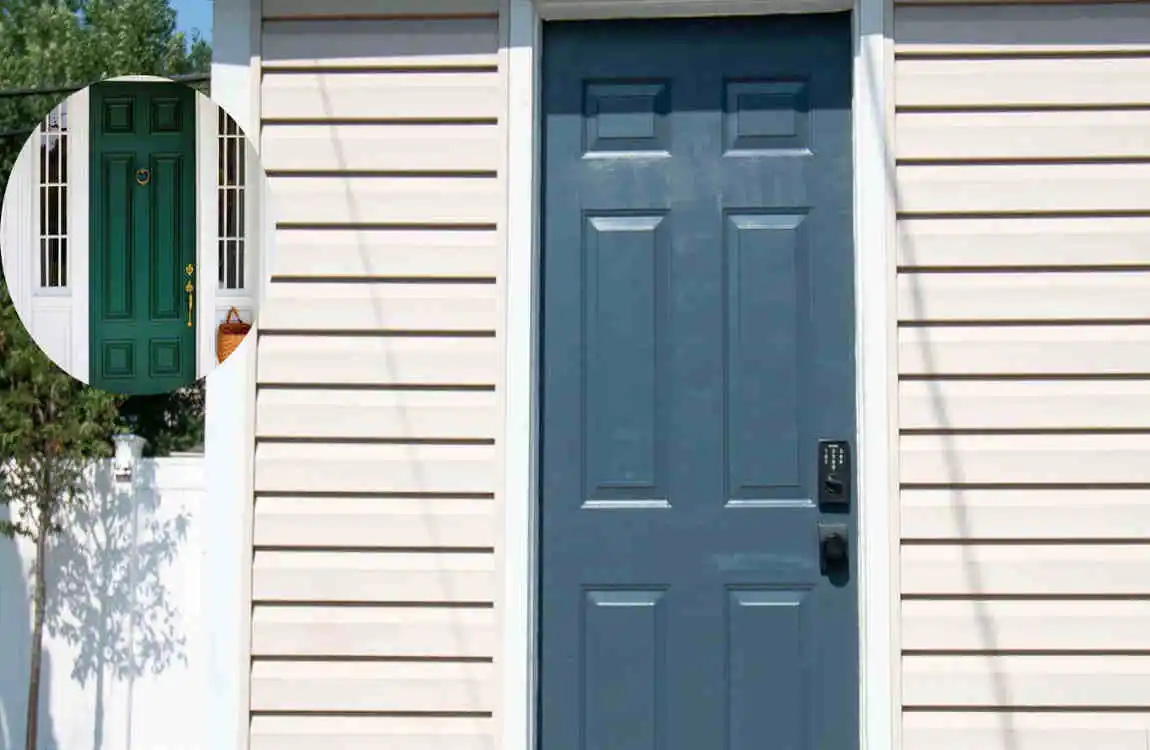
Painting a steel exterior door is a simple way to refresh your home’s appearance, protect the metal, and extend the door’s life. A faded, scratched, or slightly rusty door can often look much better with proper preparation and a fresh coat of paint.
If you are wondering how to paint a steel exterior door, the process is mainly about good preparation. Cleaning, sanding, repairing damaged areas, using the right primer, and applying thin coats of exterior paint can make a major difference.
You do not necessarily need to remove the door. With the right tools and a little patience, you can achieve a clean and durable finish.
Preparing a Steel Exterior Door for Painting
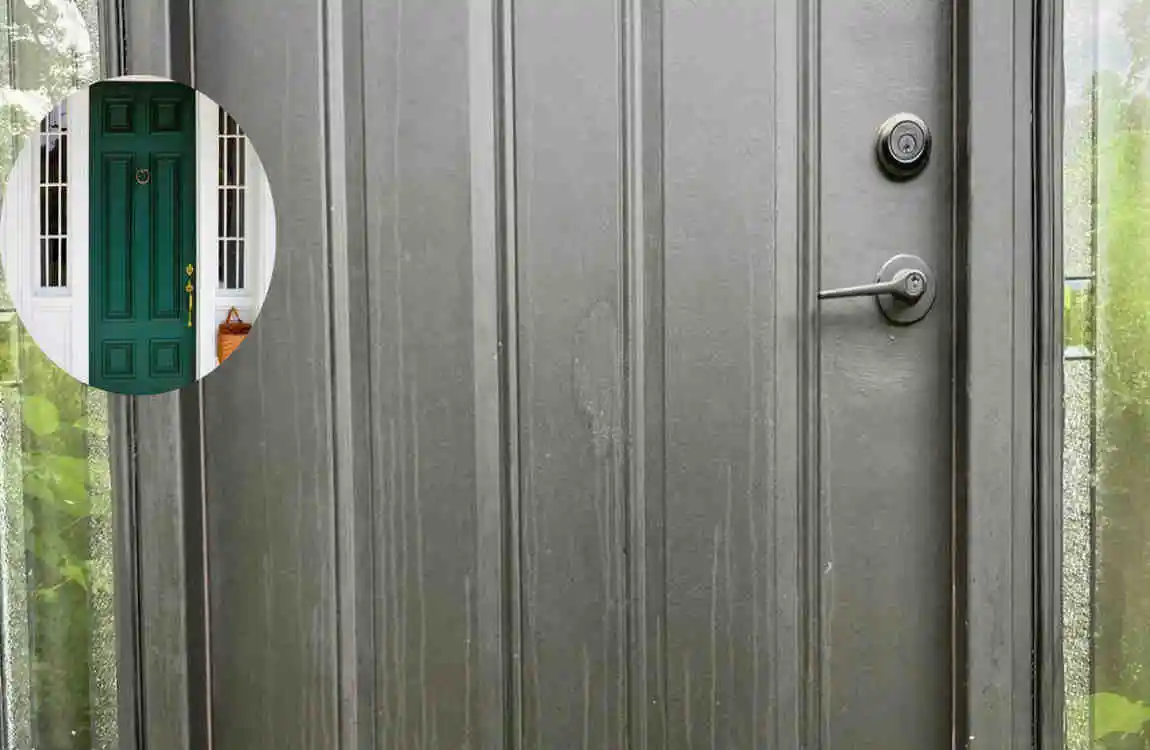
Good painting starts before you open the paint can. Surface preparation is one of the most important steps because paint will not adhere properly to dirt, grease, rust, or peeling old paint.
Inspect the Door Surface
Start by carefully examining the entire door.
Look for rust spots, peeling paint, scratches, dents, cracks, and areas where the existing finish has become rough or damaged. Pay close attention to the bottom edge and corners, as these areas can get more moisture and wear.
If you find loose paint, remove it instead of painting over it. Painting over unstable layers can cause the new finish to peel later.
For rusty areas, remove as much loose rust as possible before applying primer.
Clean the Door
Cleaning removes dirt, fingerprints, grease, dust, and other substances that can interfere with paint adhesion.
Use a mild household cleaner and a clean cloth or sponge. Work across the entire surface, not just the visibly dirty areas.
After cleaning, rinse away any remaining cleaner if needed, and let the door dry completely.
Do not rush this step. Painting over a damp or dirty surface can lead to poor adhesion and an uneven finish.
Sand and Repair the Surface
Once the door is dry, lightly sand glossy areas to give the new primer and paint something to grip.
You do not normally need to remove every bit of old paint if the existing coating is sound. Focus on removing loose paint and reducing excessive gloss.
If the door has small dents or imperfections, repair them with an appropriate exterior metal repair product. Allow the repair material to dry before sanding it smooth.
Your goal is a surface that feels reasonably smooth and stable before you begin priming.
Choosing the Right Paint and Primer
The right products can make your finished door look better and last longer.
A steel exterior door faces sunlight, rain, temperature changes, moisture, and everyday contact. Choose products suited to exterior metal surfaces.
Best Primer for Steel Doors
Primer helps paint adhere to the steel and can provide additional protection against corrosion.
For a steel exterior door, look for a quality metal primer, particularly one designed for exterior use. A rust-inhibiting primer can help if the door has exposed metal or a history of rust.
A bonding primer can also help when you are working over a sound existing finish that needs better adhesion.
Always check the manufacturer’s instructions to make sure the primer is compatible with both the existing surface and your chosen paint.
Best Exterior Paint
Choose an exterior-grade paint designed for metal or suitable for exterior doors.
Acrylic latex exterior paint is commonly used for many outdoor surfaces because it is easy to work with and available in many colors. Other exterior coatings may also be appropriate depending on the door and manufacturer’s recommendations.
Avoid choosing paint based only on color or price. Consider:
- Exterior durability
- Metal compatibility
- Resistance to moisture and sunlight
- Recommended application method
- Compatibility with the primer
A good paint-and-primer combination is generally more important than simply buying the most expensive paint available.
Tools and Materials You Need
Before you start, gather everything you need, so you don’t have to stop halfway through the project.
Basic supplies include:
- Paintbrushes and a suitable roller
- Sandpaper
- Metal primer
- Exterior paint
- Painter’s tape
- Drop cloth
- Cleaning supplies
- Small repair materials if needed
- Gloves and appropriate eye protection
Having everything ready speeds up the job and helps you maintain a smooth workflow.
How to Paint a Steel Exterior Door Step by Step
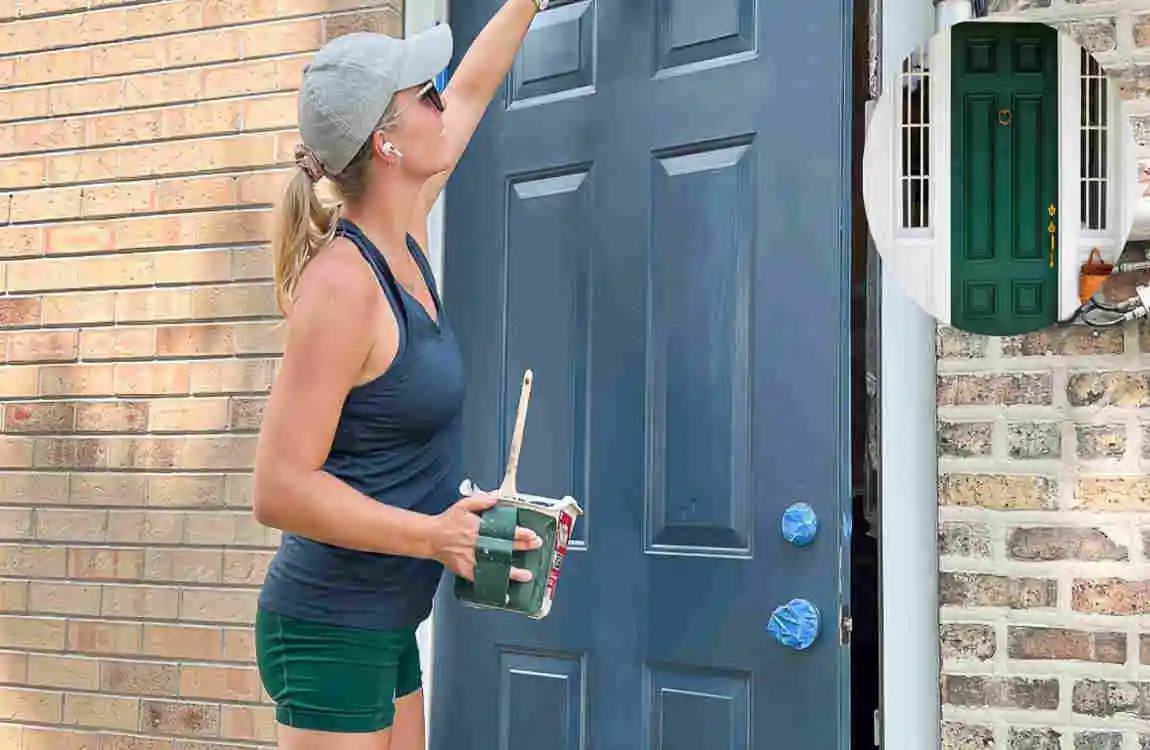
Once preparation is complete, you can begin painting.
Remove or Protect Hardware
If practical, remove the door handle, lock hardware, decorative pieces, and other removable hardware.
Removing hardware gives you cleaner edges and reduces the chance of getting paint on surfaces that should remain unpainted.
If you cannot remove something, carefully cover it with painter’s tape. Press the tape firmly along the edges so paint does not seep underneath.
Also protect the floor with a drop cloth.
Apply the Primer
Apply a thin, even coat of primer across the prepared steel surface.
Use a brush for edges, corners, recessed sections, and other detailed areas. A small roller can help with larger flat sections.
Avoid applying an extremely thick layer. Thick primer can create runs, uneven areas, and longer drying times.
Allow the primer to dry according to the product instructions. Don’t start painting just because the surface feels dry to the touch; some products need extra time before they are ready for another coat.
Apply the First Coat of Paint
Once the primer is ready, begin applying the exterior paint.
Start with the edges and detailed sections. Then move to the larger flat areas.
A quality brush works well around panels and edges. At the same time, a suitable roller helps produce an even finish across broad surfaces.
Work methodically and avoid repeatedly brushing areas that are already beginning to dry.
The first coat does not always need to provide perfect coverage. A thin, consistent coat is usually better than trying to achieve complete coverage with one heavy application.
Apply the Second Coat
After the first coat has dried properly, inspect the door.
If you can still see uneven coverage, primer, or color differences, apply a second coat.
The second coat can improve the finish’s appearance and durability.
Before applying it, look for:
- Paint runs
- Brush marks
- Uneven coverage
- Dust or debris
- Rough areas
If appropriate for the paint system, lightly smooth imperfections before applying the next coat.
Allow the final coating to dry and cure according to the manufacturer’s directions before putting the door back into regular use.
Tips for Getting a Smooth and Durable Finish
A professional-looking door doesn’t require complicated techniques. It is mostly about patience and consistency.
Avoid Painting in Poor Weather
Weather can greatly affect an exterior painting project.
Very high temperatures, excessive humidity, rain, and direct sunlight can affect how quickly paint dries and how well it bonds.
If the door is extremely hot from direct sunlight, the paint may dry too quickly while you are working. On the other hand, damp conditions can slow drying.
Whenever possible, choose a dry period with moderate conditions and follow the temperature and humidity range stated on your paint and primer labels.
Use Thin, Even Coats
One of the easiest mistakes is trying to finish the job with one heavy coat.
Thick paint can create:
- Drips
- Runs
- Uneven texture
- Slow drying
- Sticking around the frame
Instead, apply controlled coats and allow each layer to dry properly.
If the finish needs additional smoothing, light sanding between coats may help when the product instructions allow it.
Pay Attention to Door Edges
Door edges need proper coverage because they can be exposed to moisture and frequent handling.
However, avoid allowing excessive paint to build up around the edges, hinges, latch areas, or weatherstripping.
Too much paint in these locations can interfere with how the door opens, closes, or seals.
Take your time around corners and detailed areas. These small sections can greatly affect the final appearance.
Common Mistakes to Avoid When Painting a Steel Door
Even a simple DIY project can go wrong if you rush preparation.
Skipping Cleaning or Sanding
Painting directly over dirt, grease, or a glossy surface can result in poor adhesion.
The new paint may eventually peel, crack, or separate from the old finish.
You don’t need to spend hours sanding a door that is already in good condition. Still, you should remove loose paint and reduce excessive gloss where needed.
Using the Wrong Primer
Steel requires a primer that is suitable for the surface and the conditions it will face.
Using an incompatible primer may result in poor adhesion or inadequate protection of exposed metal.
If rust is present, choose a primer designed to address corrosion, and follow its instructions.
Applying Paint Too Thickly
More paint does not always mean better protection.
A heavy application can create runs and make the door take much longer to dry. It can also make the door stick against the frame.
Several controlled coats are usually easier to manage than one thick coat.
Closing the Door Too Soon
Fresh paint can remain soft even when it appears dry.
If you close the door too soon, the paint can stick to the frame or weatherstripping and become damaged.
Give the finish sufficient time to dry and cure. If possible, keep the door positioned so painted surfaces don’t make unnecessary contact while the coating cures.
Maintaining a Painted Steel Exterior Door
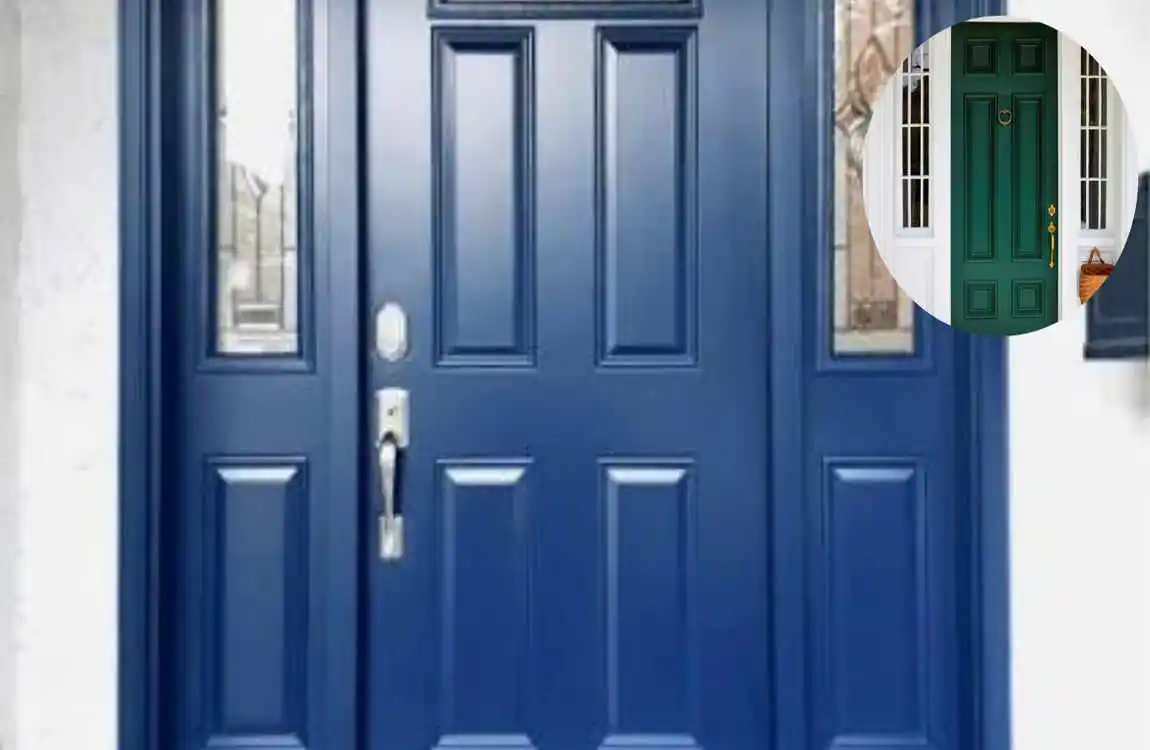
Painting the door is only the beginning. Simple maintenance can help preserve the finish.
Clean the Door Regularly
Dust, dirt, and other buildup can gradually dull the surface.
Use a gentle cleaning method and avoid harsh products that could damage the finish.
A soft cloth or sponge and suitable mild cleaner are often enough for routine cleaning.
Watch for Rust and Peeling
Inspect the door occasionally for small rust spots, scratches, chips, or peeling paint.
If you notice a small damaged area, addressing it early can be easier than waiting until the problem spreads.
Clean the affected area, remove loose material, prepare the surface, and touch up the coating using compatible products.
When to Repaint
No single repainting schedule works for every steel exterior door.
The finish may last longer or shorter depending on:
- Sun exposure
- Rain and humidity
- Local climate
- Paint quality
- Door usage
- Previous surface preparation
Consider repainting when the finish becomes significantly faded, peeling, cracked, or difficult to restore with simple touch-ups.
FAQ About How to Paint a Steel Exterior Door
Can you paint a steel exterior door without removing it?
Yes. In many cases, you can paint a steel exterior door while it remains installed.
Protect the surrounding frame, floor, and hardware with painter’s tape and drop cloths. Keeping the door installed can make the project easier. However, removing it may provide better access to certain edges and surfaces.
What type of paint is best for a steel exterior door?
Use a durable, exterior-grade paint suitable for metal.
Acrylic latex exterior paint is one option, but the best choice depends on the existing finish, primer, door surface, and product instructions.
Do you need to prime a steel door before painting?
Priming is generally recommended, particularly when the door has exposed metal, repaired areas, or rust concerns.
A suitable metal primer can improve adhesion and provide additional protection. Always select a primer compatible with your paint system.
How many coats of paint should a steel door have?
Many projects require two paint coats, although the exact number depends on the paint, color, surface, and coverage.
Follow the manufacturer’s instructions rather than automatically applying a fixed number of coats.
Can you paint a steel door with a roller?
Yes. A suitable roller can work well on large, relatively flat sections of a steel door.
Use a brush for edges, corners, panels, and detailed areas. The combination of a roller and brush can help create an even finish.
How long does paint take to dry on a steel door?
Drying time varies considerably by product, temperature, humidity, ventilation, and application thickness.
Always follow the drying and recoating time printed on the paint and primer labels. Remember that drying and full curing are not necessarily the same thing.
How do you prevent a steel door from rusting after painting?
Start with proper preparation. Remove loose rust, clean the surface, and use a suitable rust-inhibiting metal primer where appropriate.
Then apply compatible exterior paint and repair scratches or chips before moisture reaches exposed metal.
| Step | What to Do | Key Tip |
|---|---|---|
| Clean the Door | Remove dirt, grease, and dust with mild soap and water. | Let the surface dry completely. |
| Remove Hardware | Take off the handle, lock, and other removable hardware. | Cover anything that cannot be removed. |
| Remove Old Paint | Scrape loose or peeling paint and lightly sand rough areas. | Avoid aggressive sanding that can damage the metal. |
| Repair Damage | Fill dents or small imperfections with suitable metal filler. | Sand smooth after the filler dries. |
| Protect the Area | Use painter’s tape and drop cloths around the door. | Protect glass, trim, walls, and flooring. |
| Apply Primer | Use a rust-resistant metal primer suitable for exterior steel. | Primer improves adhesion and helps prevent rust. |
