

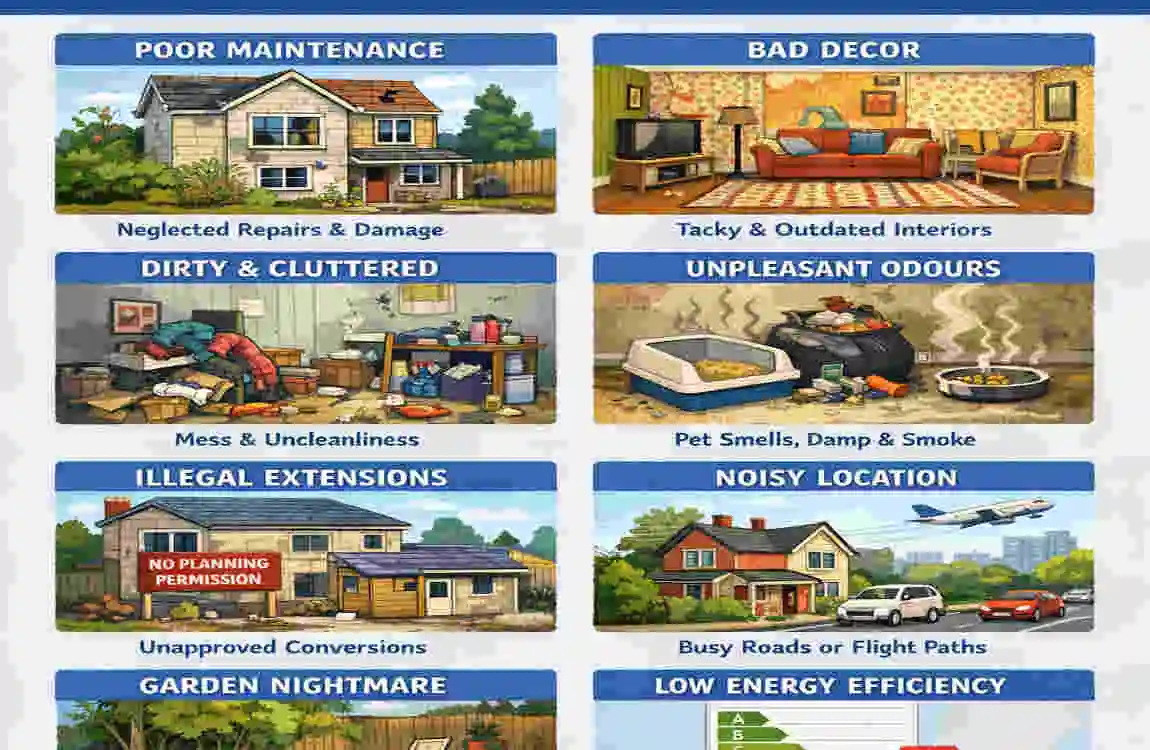
Your home is one of your biggest assets, so its value matters a lot. If you plan to sell, remortgage, or protect your investment, you need to know what can push that value down. Many homeowners lose money without even realizing it.
The good news is that most value drops are preventable. Small issues like poor maintenance, messy outdoor spaces, or badly done DIY can make a home less attractive to buyers. In some cases, these problems can lower the price far more than you expect.
What Does It Mean to Devalue a Home?
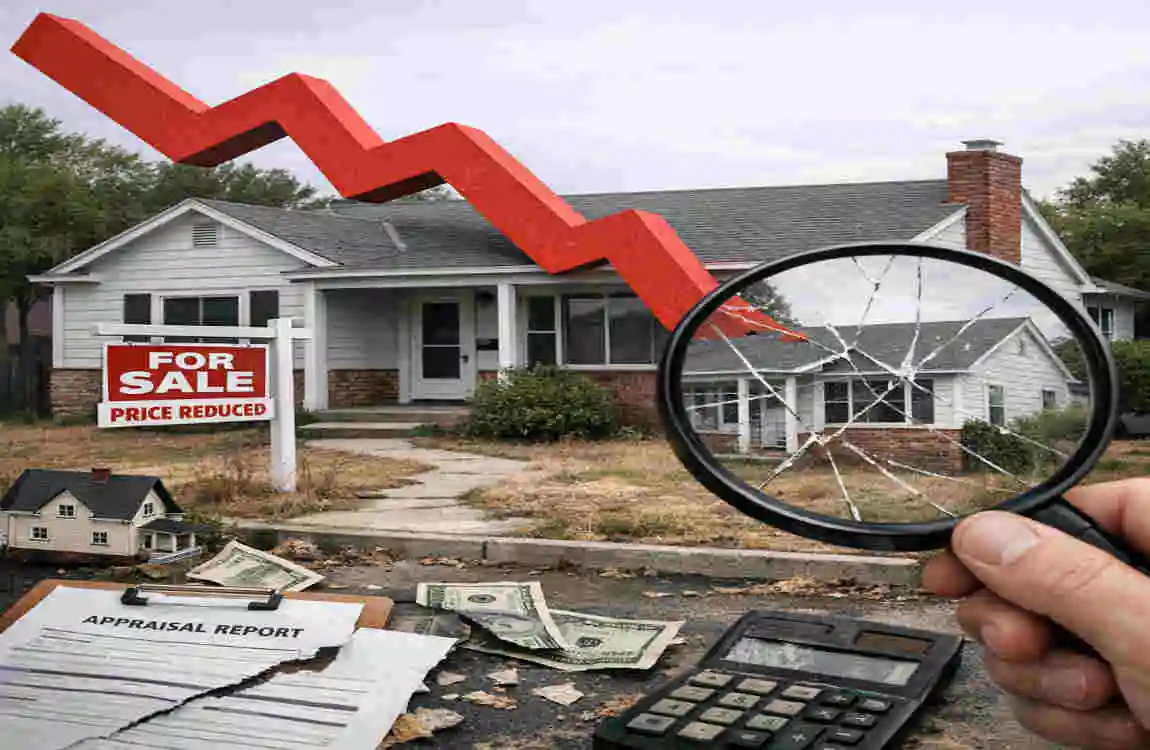
Understanding Property Devaluation
To devalue a home means to reduce its market value. This can happen for many reasons, such as damage, poor presentation, or changes that make the property less useful to buyers.
Some loss of value is temporary, like dirty rooms or a neglected garden. Other value loss can be permanent, such as removing a bedroom or carrying out a bad conversion that is hard to fix.
Why Property Value Matters
A home’s value affects more than just the selling price. It can also affect:
- How much equity do you have
- Your remortgage options
- Future investment choices
- Buyer interest when you sell
If the property looks poorly cared for, buyers often assume there are more hidden problems waiting.
How to Devalue Your Home in the UK: Common Mistakes
Neglecting Regular Maintenance
This is one of the fastest ways to reduce home value. Buyers notice signs of neglect very quickly.
Common problems include:
- Damp and mould
- Roof leaks
- Broken taps, doors, or handles
If a home looks like it has not been well cared for, buyers may lower their offer or walk away.
Ignoring Kerb Appeal
First impressions matter. If the outside of your home looks tired, people often expect the inside to be the same.
Typical issues include:
- Untidy gardens
- Peeling paint
- Damaged fences or driveways
Even a nice home can feel less valuable if the front of the property looks messy or worn out.
Carrying Out Poor DIY Renovations
Bad DIY can do more harm than good. A cheap-looking or unsafe job often makes buyers nervous.
Examples include:
- Incorrect fitting of kitchens or bathrooms
- Uneven tiling
- Unfinished projects
Buyers may see these as extra costs they will need to fix later, which lowers the price they are willing to pay.
Over-Personalising Interior Design
A home should feel welcoming to as many buyers as possible. Very bold or unusual choices can make that harder.
This includes:
- Bright wall colours
- Very niche décor
- Custom rooms that only suit one purpose
Your taste may be strong and stylish to you, but buyers often prefer a neutral space they can imagine as their own.
Removing Bedrooms
Removing a bedroom can hurt value because the number of bedrooms is a major factor for buyers.
For example, turning a bedroom into:
- An office
- A dressing room
- A hobby room
May make the property less appealing to families or landlords. In many cases, fewer bedrooms mean fewer potential buyers.
Converting Garages Without Planning
Garage conversions can add space, but only if they are done well and suit the home.
Problems include:
- Loss of parking
- Poor insulation or finish
- Lack of planning approval if needed
If the conversion feels awkward or unfinished, buyers may treat it as a weakness rather than an upgrade.
Creating Open-Plan Layouts That Don’t Suit the Property
Open-plan living is popular, but it does not suit every home. Removing walls can make a house feel less practical if the layout becomes awkward.
This can lead to:
- Less privacy
- Poor noise control
- Reduced family-friendly space
Sometimes buyers prefer separate rooms, especially in older or traditional homes.
Ignoring Energy Efficiency
Energy bills matter more than ever. A home that wastes heat can feel expensive to run and less attractive to buyers.
Common issues include:
- Old boilers
- Poor insulation
- Single-glazed windows
These problems can make a property harder to sell, especially when compared with more efficient homes nearby.
Common Mistakes and Their Effect on Value
Mistake Possible Effect on Value
Poor maintenance makes the home look neglected
Untidy garden Weak first impression
Bad DIY work lowers buyer confidence
Removing a bedroom reduces buyer appeal
Poor energy efficiency Increases running costs
External Factors That Can Lower Property Value
Problem Neighbours
You cannot always control who lives nearby, but noisy or disruptive neighbors can still affect your home’s value. Buyers may worry about stress, noise, or ongoing disputes.
Increased Traffic and Noise Pollution
A quiet area can become less desirable if traffic increases or new commercial developments appear nearby. More noise usually means less demand.
Local Crime Rates
Safety matters to buyers. If crime levels rise in the area, some people may avoid the property altogether or offer less.
Declining Local Amenities
Schools, transport, shops, and healthcare all shape value. If these services get worse, the area may become less attractive over time.
How to Protect Your Home’s Value in the UK
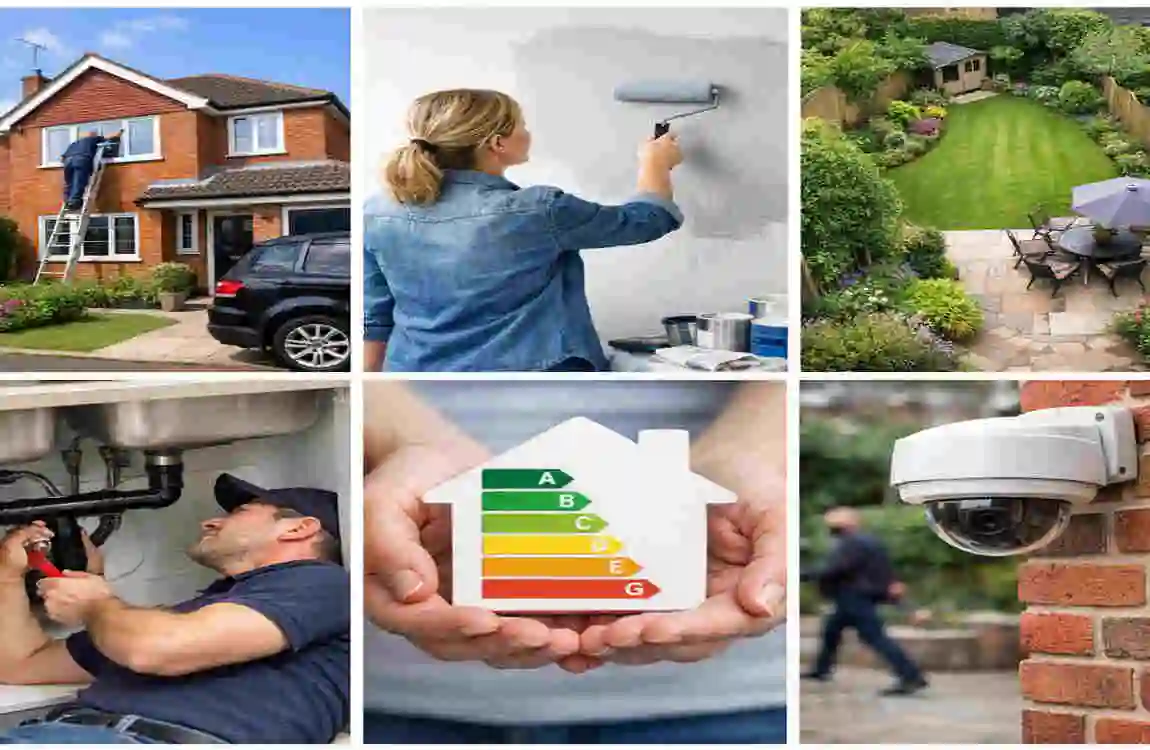
Keep Up With Maintenance
Regular checks can save you money later. Fix small problems early before they become expensive ones.
Focus on:
- Roof and gutter checks
- Leak repairs
- Mould control
- Working fixtures
Make Smart Renovation Decisions
Not every upgrade adds value. Choose improvements that are neat, practical, and suited to the property.
Good choices are usually:
- Quality finishes
- Neutral colours
- Useful layout changes
Try to avoid trendy changes that may age badly.
Improve Energy Efficiency
Simple upgrades can make a big difference. Better insulation, modern heating, and efficient windows can help your home stand out.
This can also make the property more appealing to buyers who want lower bills.
Enhance Kerb Appeal
A tidy outside space helps create a strong first impression. Keep the garden neat, repaint worn areas, and repair broken gates or fences.
Even small updates can make the home feel more cared for.
Signs Your Property Value May Be Declining
You may notice value problems if:
- Fewer people enquire about the property
- Valuations come in lower than expected
- Similar homes nearby sell for more
- Maintenance issues keep building up
If these signs appear, it may be time to improve the property before selling or remortgaging.
FAQs
How can you devalue your home in the UK?
Poor maintenance, poor renovations, neglected curb appeal, and the removal of bedrooms are common ways to reduce property value.
Does a messy garden decrease house value?
Yes. An untidy exterior can create a poor first impression and discourage buyers.
Can DIY projects lower a home’s value?
Yes. Low-quality or unfinished DIY work can reduce buyer confidence and lower offers.
Does removing a bedroom affect property value?
In many cases, yes. Homes with fewer bedrooms usually appeal to fewer buyers.
Can energy inefficiency lower house prices in the UK?
Yes. Buyers often prefer energy-efficient homes because they cost less to run.
| How You Can Devalue Your Home | Typical Value Impact |
|---|---|
| Untidy, overgrown or neglected exterior | –5% to –10% |
| Dated décor, bold/contentious colours | –5% |
| Clutter, dirt, unclean interior | up to –5% |
| Signs of damp/mould | £9,571+ reduction |
| Poor energy performance (EPC F/G) | –3.5% vs. D rating |
| Outdated kitchen/bathroom | –5% to –10% |
| Deferred maintenance (major repairs ignored) | –10% to –20% |
| Structural issues (subsidence, movement) | up to –20% |
| Japanese knotweed on/near property | ~–25% |
| Overdeveloped/too large for plot | “tens of thousands” off |
| Short lease (especially <70 years) | –10% to –30% |
| Slow internet / poor connectivity | –15% to –24% |
| Nearby pylons, powerlines, phone mast | –5% to –14% |
| Flood risk / living on flood plain | –13.6% |
| Bad/nuisance neighbours or disrepair nearby | –10% to –11% |
| Old or disused swimming pool | up to –20% |
| Lack of parking | –6.8% |
| Ill-considered renovations (no permission, lost bedroom) | –5% to –15% |
