

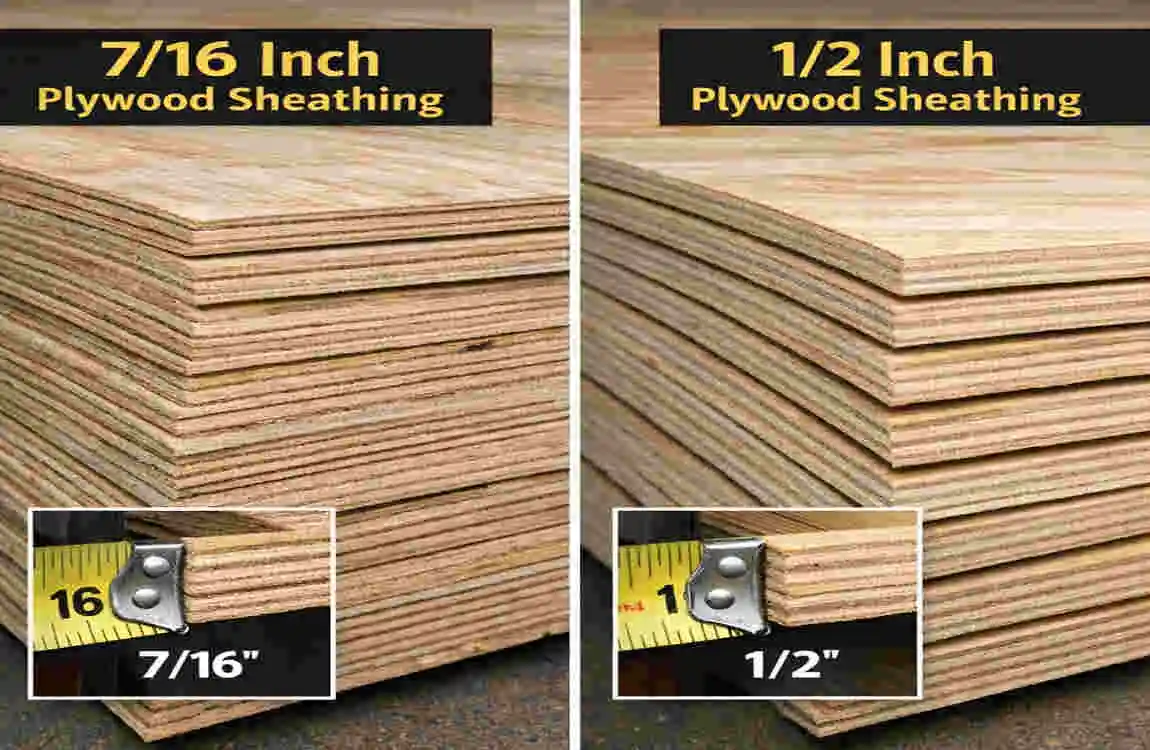
If you are asking what thickness of plywood for exterior walls is best, the short answer is: 15/32-inch or 1/2-inch plywood is very common for exterior wall sheathing. In some projects, thicker panels like 5/8-inch or 3/4-inch may be used, but the right choice depends on your wall framing, local building codes, siding type, and weather conditions.
What Thickness Plywood for Exterior Walls Is Usually Recommended?
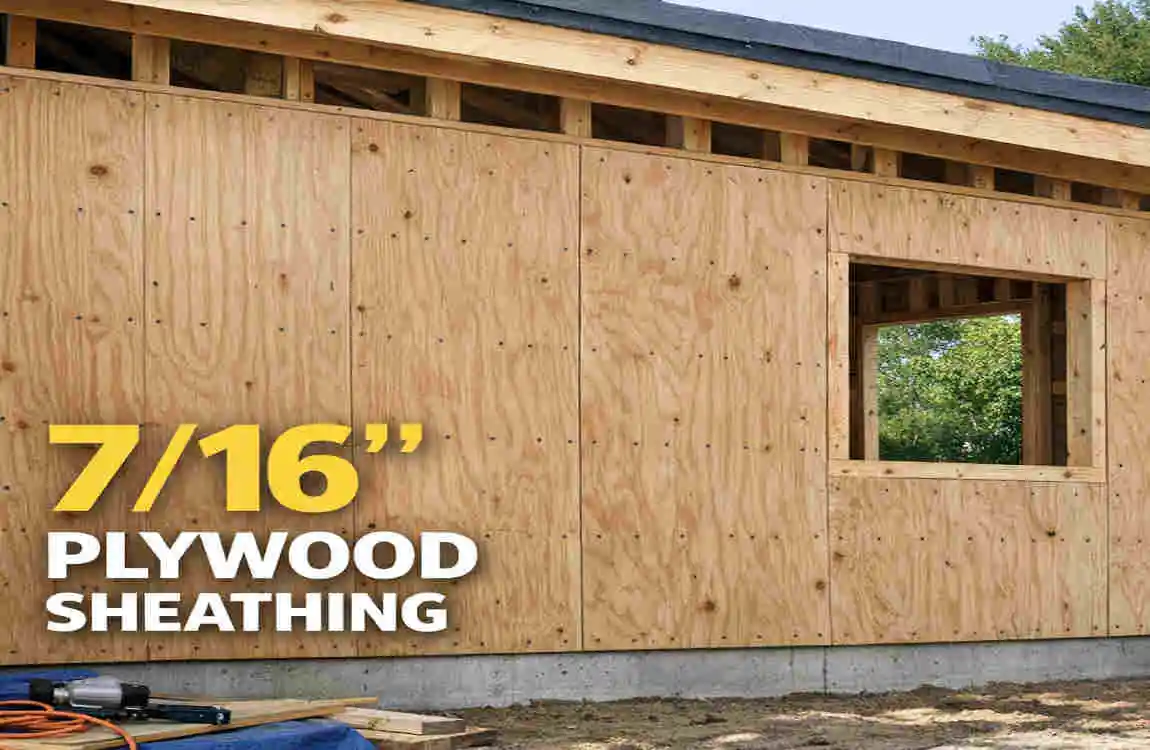
The most common choice
For many homes, 15/32-inch to 1/2-inch plywood is a standard choice for exterior wall sheathing. It gives a good balance of strength, cost, and ease of installation.
This thickness is often enough for typical wall construction, especially when the framing is standard and the siding is not too heavy.
When thicker plywood may be used
You may see 5/8-inch or 3/4-inch plywood used when extra stiffness is needed. Thicker plywood can be helpful when:
- The wall needs more rigidity
- The siding is heavier
- The design calls for stronger structural support
- Local code asks for a thicker panel
What affects the right thickness
The correct plywood thickness depends on several things:
- Wall framing
- Stud spacing
- Structural needs
- Local building codes
- Siding type
- Climate and moisture exposure
So, while 1/2-inch plywood is often a safe starting point, you should always match the product to the project, not just guess based on thickness alone.
Why Plywood Thickness Matters for Exterior Walls
Structural strength and wall stability
Plywood sheathing does more than cover the frame. It helps the wall resist side-to-side movement and adds strength to the whole structure. That matters during strong winds and general wear over time.
Thicker panels often feel stronger and may offer more stiffness, but thickness alone does not solve everything. The full wall system must work together.
Impact and durability
Exterior walls can take a beating from weather, tools, ladders, debris, and daily construction work. Thicker plywood usually handles impact better and may resist dents or flexing more effectively.
If your wall will support heavier exterior materials, a stronger panel may be worth considering.
Insulation and moisture
It is important to remember that plywood is not insulation and it is not a waterproof shield by itself. It is only one part of the wall.
To protect the home, you still need:
- Proper insulation
- A weather-resistant barrier
- Good flashing
- Correct siding installation
Stud spacing
Stud spacing affects panel performance. Wider spacing can place more stress on the sheathing, which may affect the required thickness. In simple terms, the farther apart the studs are, the more support the plywood may need.
Common Plywood Thicknesses for Exterior Wall Sheathing
Here is a simple comparison to help you see the difference.
Plywood ThicknessCommon UseKey Benefit
1/4 inch Limited non-structural applications Lightweight
3/8 inch Some light-duty applications Affordable
15/32–1/2 inch Common exterior wall sheathing Good balance of strength and cost
5/8 inch Higher-strength applications Increased stiffness
3/4 inch Heavy-duty or special applications Maximum thickness and rigidity
Why ratings matter too
Thickness is only part of the story. You should also check the grade and exposure rating of the plywood. For exterior walls, you want plywood made for structural use and suitable for outside conditions.
Look for:
- Exterior-rated plywood
- Structural plywood
- Proper grade markings
Do not choose by thickness alone.
A thick board is not always the best board. A well-rated 1/2-inch panel may be more suitable than a poor-quality thicker sheet. Always look at the full specification.
How to Choose the Right Plywood for Exterior Walls
Check local building codes.
This is the first step. Building codes specify the required thickness, fastening pattern, and panel grade. Rules can change by location, so do not rely only on general advice.
Consider stud spacing
Common stud spacing is 16 or 24 inches on-center. That spacing can affect how much support the sheathing needs. Wider spacing may call for stronger panels or a more careful fastening schedule.
Match plywood to the wall system.
Different exterior finishes place different demands on the wall. For example:
- Wood siding may work with a standard sheathing setup
- Fiber cement may need strong, stable backing
- Vinyl siding often depends on a flatter wall surface
- Brick veneer can require careful structural planning
Think about climate
Weather matters a lot. In wet, humid, snowy, or coastal areas, moisture control becomes even more important. The plywood must work with the full wall assembly so water does not get trapped inside.
Choose the correct grade.
Use panels made for the job. Structural and exterior-rated plywood are better choices than general-purpose sheets that are not designed for wall sheathing.
Plywood vs. OSB for Exterior Wall Sheathing
OSB, or oriented strand board, is another common wall sheathing material. Many builders use it because it can be cost-effective and widely available.
FeaturePlywoodOSB
Strength Strong and stable Strong and common
Moisture resistance Often performs well Can be more sensitive if exposed
Cost Usually higher Often lower
Weight Lighter feel Can feel heavier
Installation Familiar to many builders Also easy to install
Availability Good Very common
When plywood may be preferred
Plywood is often chosen when a builder wants a familiar material with solid strength and better tolerance for handling during construction.
When OSB can work well
OSB can be a practical option if the project is budget-sensitive and the wall assembly is designed correctly. It can perform well when properly installed and protected.
The simple takeaway
Neither one is automatically better in every case. The best choice depends on your budget, local conditions, and project requirements.
How to Install Plywood on Exterior Walls Correctly
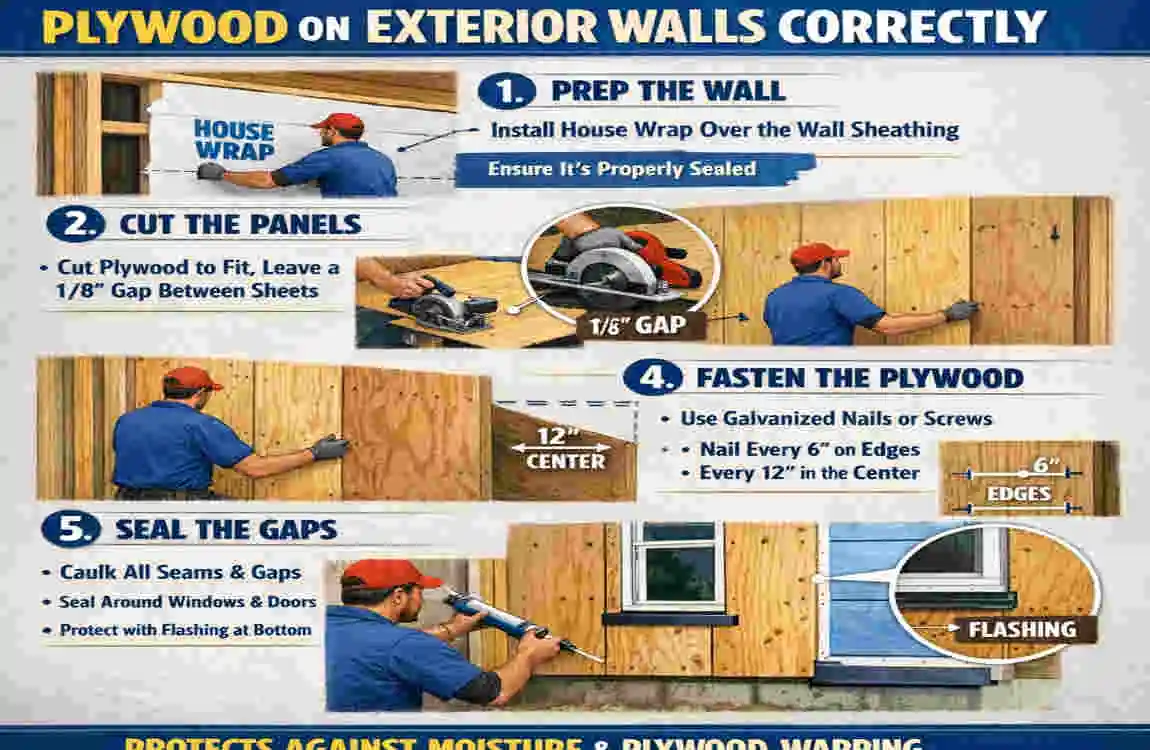
Prepare the wall framing.
Before installing sheets, make sure the framing is straight, square, and properly aligned. If the wall frame is uneven, the plywood will not sit correctly.
Position the panels
Panels should be installed in the proper direction, with the correct gaps required by the manufacturer or code. This allows for small movements as the material changes with temperature and moisture.
Fasten the sheathing
Use the correct nails or fasteners, with the right spacing and pattern. Fastening is just as important as thickness. Even the best plywood will not perform well if it is installed poorly.
Protect against moisture
A weather-resistant barrier, such as housewrap or another approved layer, helps protect the exterior wall from water damage. This step is very important because plywood alone is not enough.
Install the siding
Once the sheathing and barrier are in place, the siding can be installed following the product instructions. The outer finish is the final layer of protection.
Safety note
Structural wall sheathing is part of the building envelope, so code requirements and engineering specifications should always take precedence over general thickness advice.
FAQs About What Thickness Plywood for Exterior Walls
Is 1/2-inch plywood thick enough for exterior walls?
Often yes, but only if it meets the framing, code, and structural requirements for your project. It is a common and practical choice.
Is 3/4-inch plywood too thick for exterior wall sheathing?
It can be more than needed in many cases, but it may be useful for special projects that need extra strength or rigidity.
Can 3/8-inch plywood be used on exterior walls?
Sometimes, but it is usually limited to lighter-duty or non-structural applications. It may not be suitable for standard wall sheathing.
What is the best plywood for exterior wall sheathing?
The best choice is usually structural, exterior-rated plywood that meets your building code and fits the wall design.
Should plywood exterior wall sheathing be waterproof?
Plywood itself is not fully waterproof. It should be part of a wall system that includes a weather-resistant barrier and proper flashing.
Can plywood go directly over exterior wall studs?
Yes, in a basic sense, it is attached to the studs as sheathing. But the full assembly also needs barriers, flashing, and code-compliant installation.
Is plywood better than OSB for exterior walls?
Not always. Plywood vs OSB exterior walls is a project-by-project decision. Plywood may offer certain advantages, while OSB may be more budget-friendly.
| Plywood Thickness | Common Use | Key Benefit |
|---|---|---|
| 3/8 inch | Light exterior wall sheathing | Lightweight and economical |
| 1/2 inch | Most standard exterior walls | Good strength and stability |
| 5/8 inch | Heavy-duty walls or high-wind areas | Greater rigidity and durability |
| 3/4 inch | Specialized structural applications | Maximum strength and stiffness |
