

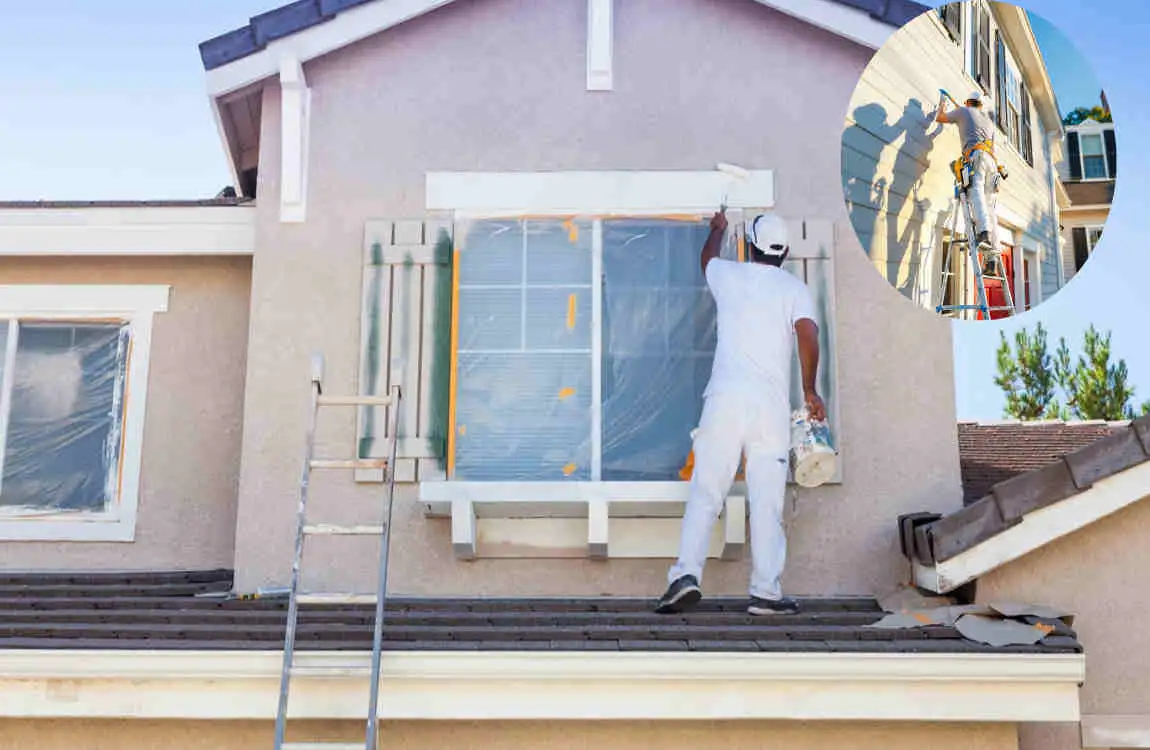
If you are wondering how much it costs to paint a 1,500 sq ft house exterior, the answer depends on more than the home’s floor area. The final 1,500 sq ft house painting cost can vary based on exterior wall size, paint quality, labour rates, surface condition, number of coats, height, and the amount of preparation required.
A small, simple home with easy-to-reach walls can cost considerably less than a similarly sized house with multiple levels, damaged siding, detailed trim, or difficult access.
The good news is that you can create a useful estimate before hiring a painter. Start by understanding the actual paintable surface, then separate materials, labour, preparation, and additional work.
How Much Does It Cost to Paint a 1,500 Sq Ft House?
A Basic Exterior Painting Estimate
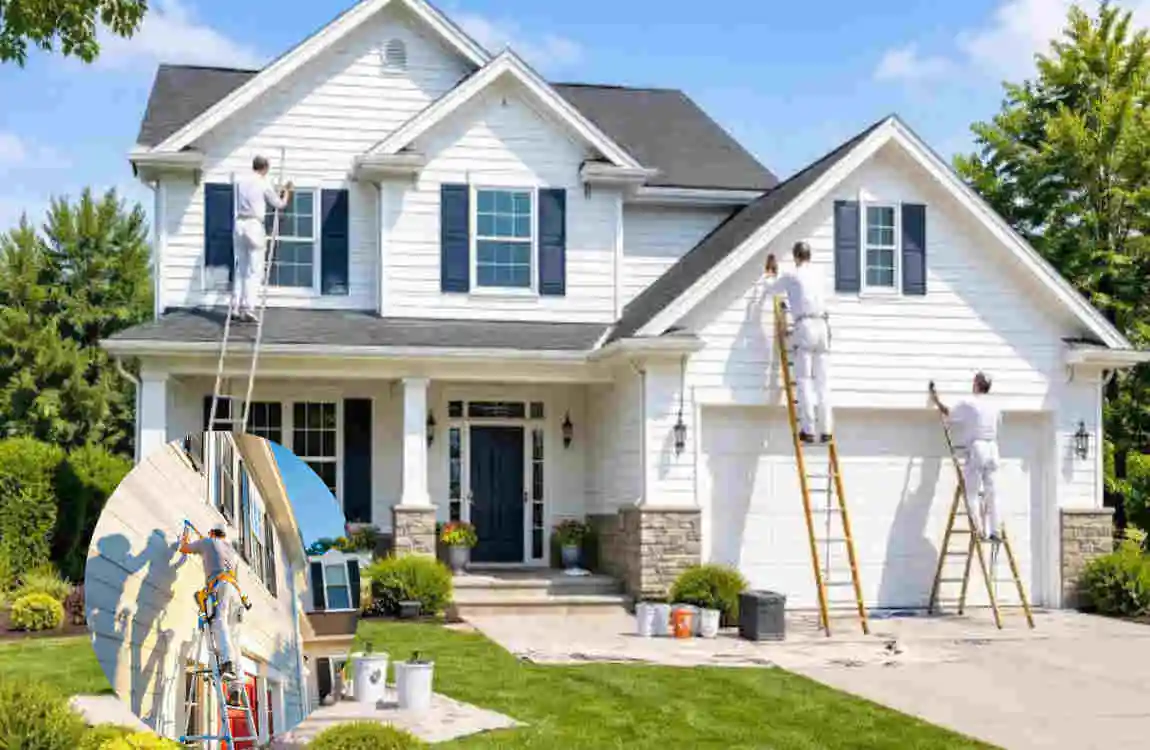
For a typical 1,500-square-foot house, a broad planning range for exterior painting is about $3,000 to $7,500. However, actual prices can be lower or higher depending on location, materials, labour, and the property’s condition.
This is only a planning range, not a fixed quote.
A house’s floor area does not directly equal the amount of exterior wall surface that needs painting. A 1,500 sq ft home with a simple rectangular design may require much less work than a house with several rooflines, dormers, porches, garages, and decorative trim.
What Determines the Final Price?
When calculating how much to paint a 1500 sq ft house exterior, consider these major factors:
- Labour and local contractor rates
- Paint and primer quality
- Exterior wall material
- Surface preparation
- Number of coats
- Windows and doors
- Trim and shutters
- House height
- Accessibility
- Repairs before painting
A useful basic formula is:
Estimated painting cost = Paintable surface area × cost per square foot + preparation + additional work
This gives you a starting point, but a professional estimate should consider the actual property.
How to Calculate Exterior Paint for a 1,500 Sq Ft House
Measure the Exterior Walls
The first step is estimating the actual exterior wall area.
Measure the length of each exterior wall, then multiply by the average wall height.
For example, suppose a simple house has approximately 150 linear feet of exterior walls and an average wall height of 10 feet:
150 × 10 = 1,500 sq ft
You then subtract major openings such as large windows, doors, and garage doors.
If openings account for approximately 200 square feet, the paintable wall area becomes:
1,500 − 200 = 1,300 sq ft
This is a simplified example. Gables, architectural details, porches, and other areas can increase the actual surface area.
Estimate Paint Quantity
Paint coverage varies by product, surface, and application method. Many exterior paints cover roughly 250 to 400 square feet per gallon per coat.
For example, if you have 1,300 square feet of paintable surface and a product covers approximately 350 square feet per gallon:
1,300 ÷ 350 = about 3.7 gallons
You would therefore need roughly 4 gallons for one coat.
For two coats, the basic estimate becomes approximately 8 gallons.
Primer may require additional material, especially when painting bare wood, repaired surfaces, stains, or major colour changes.
Always check the manufacturer’s coverage information, because actual coverage can vary widely by surface.
Factors That Affect the Cost to Paint a 1,500 Sq Ft House
Labor Costs
Labour can make up a large portion of an exterior painting budget.
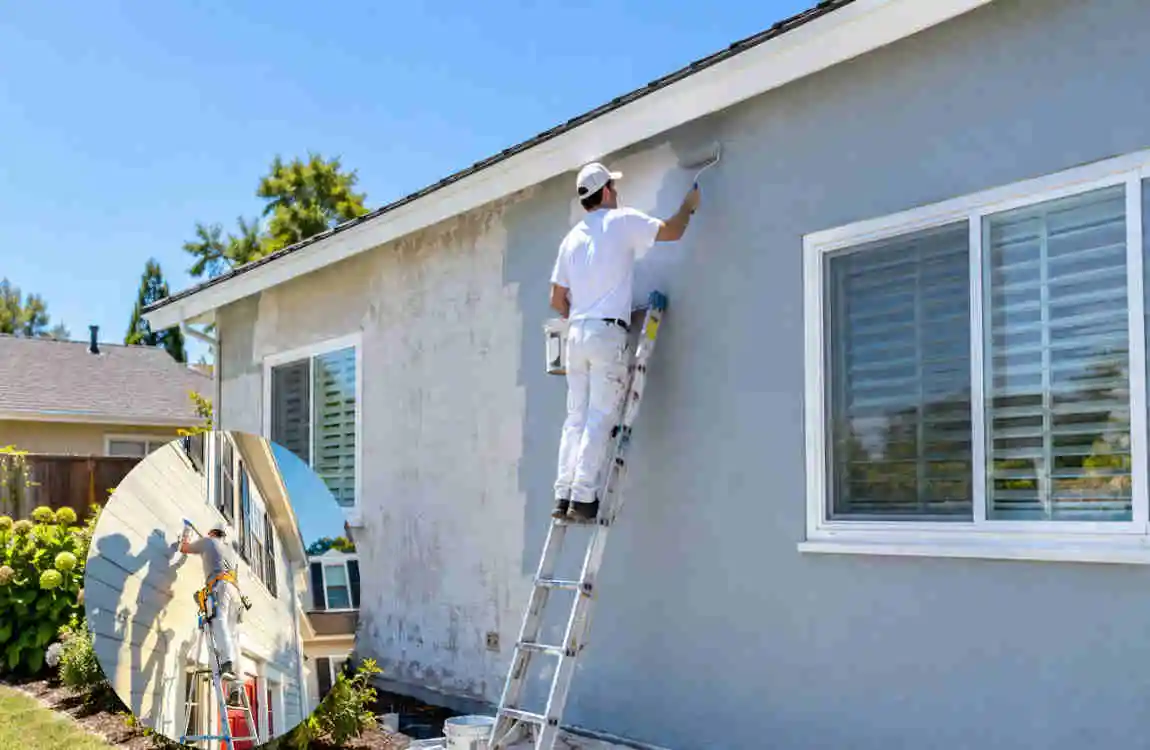
Painters are not simply applying paint. They may need to wash surfaces, scrape loose paint, sand rough areas, repair small defects, mask windows, protect landscaping, prime surfaces, apply multiple coats, and clean up afterwards.
A house that takes several days to prepare and paint will naturally cost more than one requiring minimal preparation.
Local labour rates also vary, so an exterior painting estimate in one area may differ greatly from another.
Paint Quality and Type
Paint prices vary widely.
Basic exterior paint can reduce initial material costs. In contrast, premium products may cost more but offer better durability, coverage, or weather resistance.
The right product depends on the exterior material and local conditions.
Instead of choosing paint based only on price, consider durability, coverage, finish, weather resistance, and manufacturer recommendations.
Surface Preparation
Preparation can significantly affect the final exterior house painting cost.
If the existing surface is peeling, cracked, dirty, chalky, or damaged, the painter may need to spend significant time preparing it.
Common preparation work includes:
- Washing
- Scraping
- Sanding
- Caulking
- Filling cracks
- Replacing damaged sections
- Priming exposed areas
Good preparation helps the new paint adhere properly and creates a cleaner finished appearance.
Number of Coats
One coat may be enough for some repainting projects. In contrast, two coats may be recommended or necessary for better coverage and durability.
Changing from a dark colour to a much lighter colour may also require additional coverage.
More coats mean more paint, labour, and application time, which can increase the total cost.
House Height and Accessibility
A single-story house is generally easier to access than a two- or three-story property.
If painters need tall ladders, scaffolding, lifts, or specialised equipment, labour and equipment costs can increase.
Difficult areas behind fences, above garages, around steep slopes, or near complicated rooflines can also require additional time.
Trim, Doors, Shutters, and Other Details
Painting the main siding is only part of the project.
You may also want to paint:
- Window trim
- Door frames
- Exterior doors
- Shutters
- Fascia
- Soffits
- Garage doors
- Railings
- Decorative features
A home with extensive trim can require considerably more labour than a simple exterior.
Exterior Painting Cost by Surface and Material
Wood Siding
Wood siding often needs careful preparation.
Old wood may have peeling paint, cracks, stains, or moisture damage. Painters may need to scrape, sand, repair, and prime the surface before applying new paint.
Proper maintenance is especially important because exposed wood can deteriorate if it isn’t adequately protected.
Vinyl Siding
Vinyl siding can be relatively straightforward to paint when it is clean and in good condition.
However, the paint must suit the material, and colour selection matters. Extremely dark colours may create heat-related concerns for some types of vinyl siding.
Cleaning and preparation still play an important role.
Brick and Masonry
Painting brick and masonry requires a different approach from painting wood or vinyl.
The surface may need thorough cleaning and repairs before coating. Moisture management is also important because trapped moisture can create problems.
Select a suitable masonry coating based on the specific surface and environmental conditions.
Stucco
Stucco can develop cracks and surface imperfections over time.
Before painting, you may need to repair these areas. The painter may also need to account for stucco texture because textured surfaces can require more paint than smooth walls.
Concrete and Other Surfaces
Concrete walls, foundations, porches, and other masonry surfaces may require specialised preparation and coatings.
Clean, dry, and prepare the surface before painting.
Because materials behave differently, paint coverage per gallon can vary from one project to another.
How to Estimate Labour, Materials, and Total Painting Costs
A practical way to create a house painting estimate is to divide the project into separate categories.
Cost Category Typical Share/Planning Range What It Includes
Paint & primer $600–$1,500 Exterior paint and primer
Labour $1,500–$4,000 Application and general painting work
Preparation $400–$1,500 Washing, scraping, sanding, caulking
Equipment & supplies $200–$700 Ladders, masking, tools, protection
Trim & extra features $300–$1,500+ Doors, shutters, fascia, garage doors
Possible total $3,000–$7,500+ Depends on project conditions
These figures are general planning estimates, not guaranteed market prices. Local labour and material costs can change significantly.
Comparing Professional Estimates
When you receive several estimates, do not compare only the final dollar amount.
Check whether each quote includes the same:
- Number of coats
- Paint quality
- Primer
- Surface preparation
- Repairs
- Trim
- Doors and shutters
- Equipment
- Cleanup
One contractor may appear cheaper because the initial price excludes important preparation or trim work.
A detailed estimate makes comparisons much easier.
Ways to Reduce the Cost of Painting a 1,500 Sq Ft House
Prepare the Property Before Painting
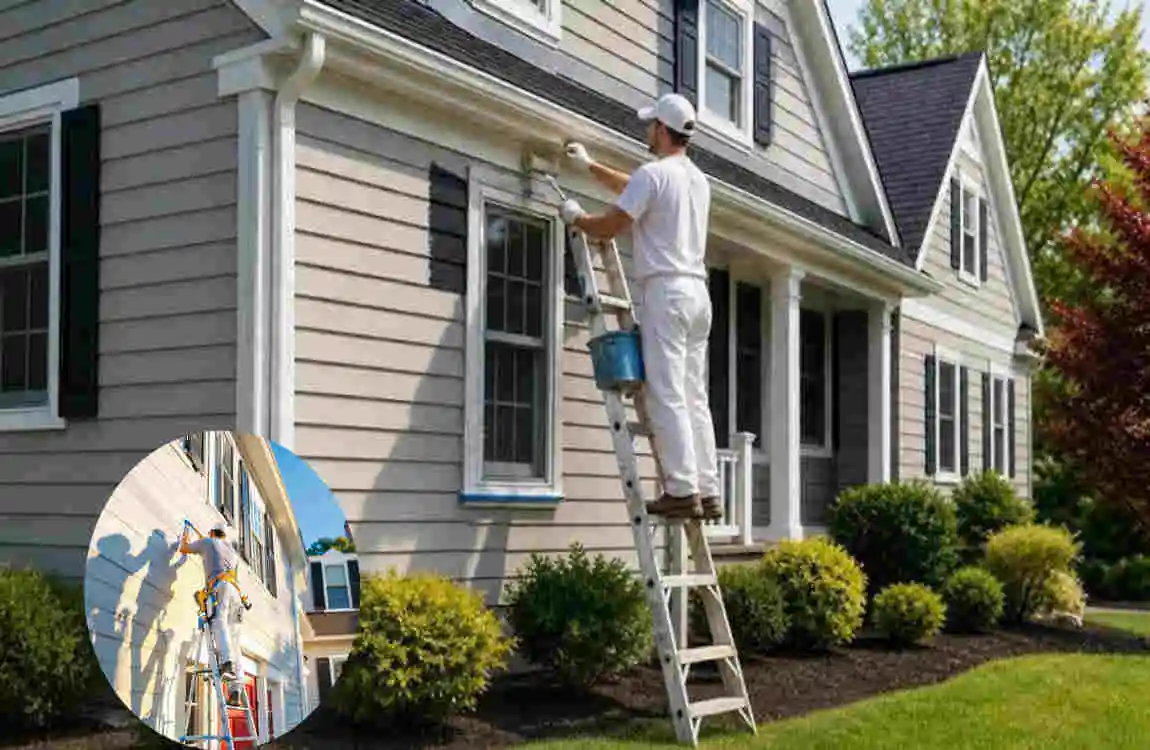
You may be able to reduce labour time by completing simple preparation tasks yourself.
For example, you can move outdoor furniture, remove decorations, trim plants away from walls, and clear access around the house.
However, leave specialised repairs and hazardous work to qualified professionals.
Choose Appropriate Paint
Premium paint is not always necessary for every situation.
At the same time, choosing the cheapest product may not be economical if it provides poor coverage or requires frequent repainting.
Select a product that matches your surface, climate, desired appearance, and expected durability.
Get Multiple Estimates
Obtaining several detailed estimates can help you understand the local market.
Ask each painter to explain what is included rather than simply asking for the lowest price.
A clear quote helps you identify differences in preparation, paint quality, labour, and warranty terms.
Paint During Suitable Weather
Exterior painting generally works best under appropriate weather conditions.
Excessive rain, very high humidity, extreme heat, or unsuitable temperatures can affect drying and application.
Planning the project around suitable conditions can help avoid delays and poor results.
Combine Painting With Planned Maintenance
If your exterior already needs repairs, consider completing necessary maintenance before painting.
For example, repairing damaged siding or replacing deteriorated trim before painting can make the final project more efficient.
Consider DIY Painting Carefully
DIY painting can reduce labour expenses, but it requires time, tools, preparation, and physical effort.
A single-story house with straightforward walls may be more manageable for an experienced homeowner.
Large homes, tall walls, difficult surfaces, extensive preparation, and ladder work can make professional help more practical.
Remember that the cheapest project is not always the one with the lowest initial cost. Time, equipment, mistakes, and future maintenance also have value.
FAQ: Painting a 1,500 Sq Ft House
How much does it cost to paint a 1,500 sq ft house exterior?
The cost can vary widely, but a rough planning range is about $3,000 to $7,500 for many standard exterior painting projects. The actual price depends on labour, surface condition, paint type, preparation, height, trim, and location.
How many gallons of paint do you need for a 1,500 sq ft house?
The answer depends on the actual paintable exterior area, not the home’s floor area. For example, 1,300 square feet of paintable surface at 350 square feet per gallon would require about 4 gallons for one coat, or about 8 gallons for two coats.
How long does it take to paint a 1,500 sq ft house exterior?
A straightforward project may take several days, while extensive preparation, repairs, multiple coats, difficult access, or detailed trim can extend the schedule.
Is it cheaper to paint a house yourself?
DIY painting can reduce labour costs, but you must account for paint, tools, ladders, prep materials, your time, and potential mistakes. For simple single-story homes, DIY may be practical for some homeowners.
Does exterior house paint require primer?
Not every repainting project requires full primer coverage. Primer can be particularly useful on bare surfaces, repaired areas, stains, significant colour changes, and certain difficult materials. Follow the paint manufacturer’s recommendations.
What makes exterior painting more expensive?
Major cost factors include extensive preparation, damaged surfaces, multiple stories, difficult access, premium materials, multiple coats, extensive trim, and repairs.
How often should a house exterior be painted?
The timing depends on the exterior material, paint quality, climate, exposure to sunlight and moisture, and the condition of the existing coating. Instead of relying only on a fixed schedule, inspect the exterior regularly for peeling, fading, cracking, and other signs of wear.
| Cost Factor | Typical Estimate |
|---|---|
| House Size | 1,500 sq ft |
| Interior Painting | $2,000–$5,000 |
| Exterior Painting | $2,500–$6,000 |
| Paint & Materials | $500–$1,500 |
| Labor | $1,500–$4,500 |
| Basic Paint | $25–$50 per gallon |
| Premium Paint | $50–$80+ per gallon |
| Estimated Total Cost | $2,000–$6,000+ |
| Main Cost Factors | Labor, paint quality, surface condition, number of coats |
| Best Way to Save | Compare multiple contractor quotes and prepare surfaces beforehand |
