

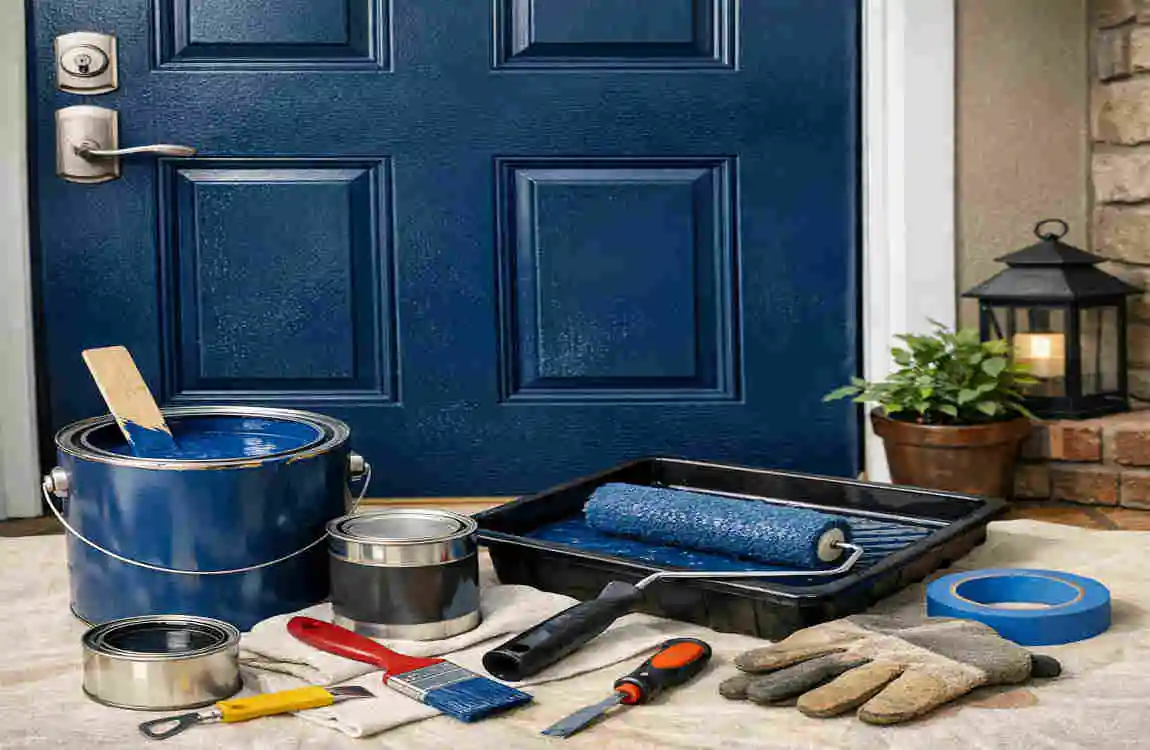
If you are looking for the best exterior enamel paint for metal doors, the main goal is simple: you want a finish that looks good, lasts long, and withstands the weather. Metal doors take a beating from sun, rain, humidity, and daily use, so the paint must do more than add colour.
What Is Exterior Enamel Paint for Metal Doors?
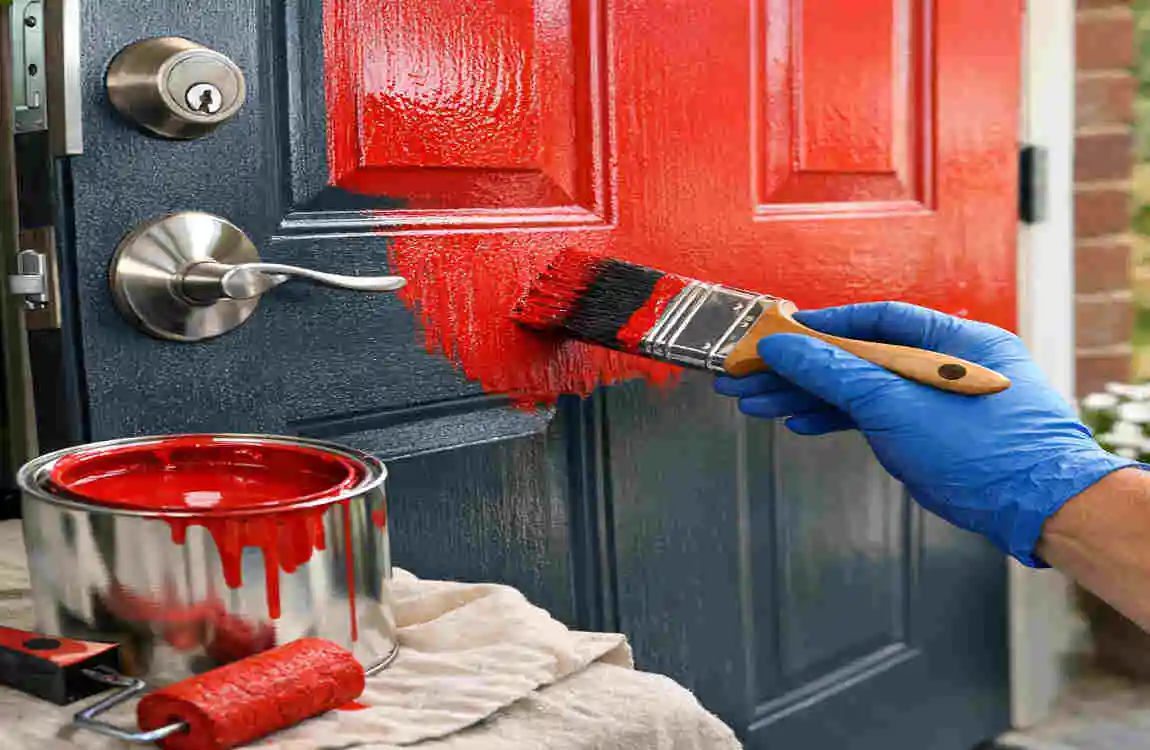
Exterior enamel paint is a hard, durable finish for surfaces that require strong protection. It dries into a smooth finish and holds up well outdoors, which is why it is often used on metal doors.
When you use exterior enamel paint for metal doors, you are choosing a coating that can handle weather better than many regular paints. It also adheres well when the surface is properly cleaned and prepared.
Enamel Paint vs Other Paint Types
Here is a simple way to understand the difference:
- Enamel paint: Strong, durable, and smooth
- Acrylic paint: Easy to use and often more flexible
- Latex paint: Simple cleanup, but not always the best for metal
- Direct-to-metal paint: Made to bond directly to metal, sometimes without a separate primer
Enamel is often preferred for exterior metal doors because it gives a tougher finish and better protection.
When Enamel Is a Good Choice
Enamel paint works well if you want:
- A long-lasting finish
- Better resistance to weather
- A cleaner, smoother look
- Strong adhesion on metal surfaces
It is a smart choice for steel doors, older metal doors, and doors that face direct sun or regular moisture.
Best Types of Enamel Paint for Exterior Metal Doors
Not all enamel paints are the same. The best choice depends on your door, your climate, and how much maintenance you want.
Oil-Based Enamel Paint
Oil-based enamel is known for its hard finish and smooth look. It can be very durable and often gives metal doors a rich, polished appearance.
Pros
- Strong and durable
- Smooth finish
- Good for high-use doors
Cons
- Strong odor
- Longer drying time
- Cleanup usually requires special solvents
This type may work well if you want a very tough coating and do not mind waiting longer for it to dry.
Water-Based Acrylic Enamel
Water-based enamel is easier to use and clean up. It also has less odour, which makes the painting process more comfortable.
Pros
- Easy cleanup with water
- Lower odor
- Dries faster than oil-based paint
Cons
- May not feel as hard as oil-based enamel in some cases
- Quality can vary by product
This is often a good option for homeowners who want a simpler painting project.
Direct-to-Metal Enamel
Direct-to-metal, or DTM, enamel is made to bond to metal surfaces without always needing a separate primer.
Why people like it
- Saves time
- Fewer steps
- Good bonding ability
Still, a primer may help in some cases, especially if the door has rust or old paint issues. If the surface is damaged, do not skip the prep work just because the paint says “direct-to-metal.”
Rust-Preventive Enamel
Rust-preventive enamel is a smart choice for doors that already show signs of corrosion or are often exposed to moisture.
It can help protect the metal and slow future rust, which is especially useful for older exterior doors. If your door has any rust spots, this type of paint is worth considering.
How to Choose the Best Exterior Enamel Paint for Metal Doors
Choosing the right product is not just about colour. You also need to think about how the paint will perform outside.
Weather Resistance
Your door will face sun, rain, wind, and changing temperatures. Look for paint made for outdoor use and labelled for exterior metal surfaces.
Rust Protection
If your door is steel or has ever rusted before, choose a paint with rust-resistant properties. That extra protection matters a lot.
Adhesion
Paint should stick well to the metal. Good adhesion helps prevent peeling, bubbling, and flaking later.
Finish
Here is a quick guide:
FinishLookBest For
Satin Soft shine Balanced appearance
Semi-gloss Noticeable shine Easy cleaning and durability
Gloss Very shiny Bold look and strong wipeability
Semi-gloss is often a popular choice for exterior doors because it looks clean and is easy to maintain.
Durability and Color Retention
A good paint should resist scratches and hold colour well over time. If the door gets a lot of use, durability becomes even more important.
Drying and Curing
These are not the same thing.
- Drying means the paint feels dry to the touch.
- Curing means the paint has fully hardened.
A door may look dry quickly, but it still needs time to cure before heavy use.
How to Prepare a Metal Door Before Painting
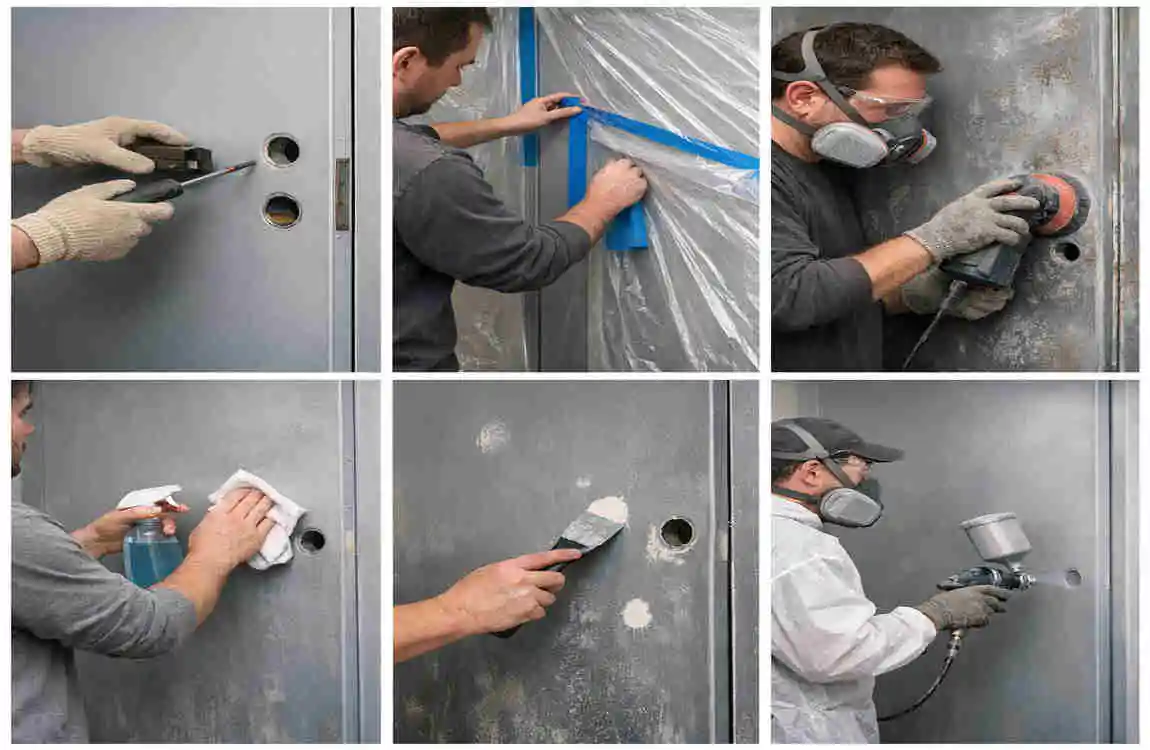
Good preparation makes a huge difference. Even the best exterior enamel paint for metal doors will fail if the surface is dirty or rusty.
Clean the Door
Start by removing:
- Dirt
- Grease
- Dust
- Old residue
Use mild soap and water, then let the surface dry completely. A clean door helps the paint bond better.
Remove Loose Paint and Rust
Scrape away any peeling paint. Then sand rough spots and surface rust.
If you paint over active rust, the problem usually gets worse over time. Rust can spread under the new paint and cause early failure.
Sand the Surface
Light sanding helps create a better surface for the paint to grip. This is especially important if the old finish is glossy.
After sanding, wipe away all dust before you begin painting.
Apply the Right Primer
Primer is often needed for metal doors, especially if the surface is bare, rusted, or uneven.
A good primer can:
- Improve adhesion
- Help block rust
- Create a smoother finish
Let the primer dry fully before applying enamel paint.
How to Apply Exterior Enamel Paint to a Metal Door
Once the door is ready, the painting process becomes much easier.
Gather the Right Tools
You may need:
- Brushes
- Small rollers
- Painter’s tape
- Drop cloths
- Sandpaper
- Primer
A brush often works well for detailed areas, while a small roller can help cover flat sections smoothly.
Choose the Right Weather
Pick a day with mild weather. Avoid painting in extreme heat, high humidity, or when rain is expected.
Good weather helps the paint dry evenly and reduces problems like streaking or bubbling.
Protect Nearby Areas
Tape off:
- Handles
- Locks
- Glass panels
- Trim
- Surrounding walls or floors
This keeps the job neat and saves cleanup time.
Apply Thin, Even Coats
Do not put on one thick coat. That can cause drips, uneven drying, and weak results.
Instead, apply thin, even coats and let each layer dry as directed by the manufacturer.
Let It Dry and Cure Properly
Do not close the door too soon or use it heavily before the paint cures. Even if it feels dry, it may still be soft underneath.
That extra waiting time helps protect the new finish.
Common Mistakes When Painting Exterior Metal Doors
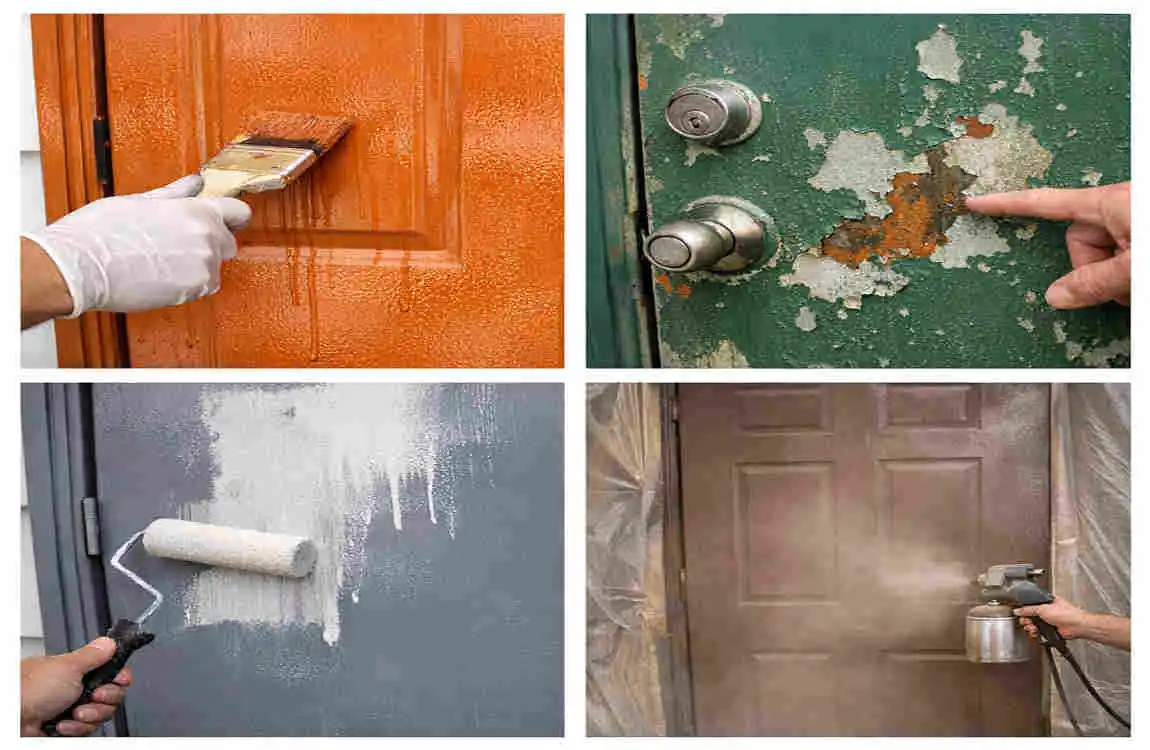
Many paint problems stem from simple mistakes. Avoid these if you want a better result.
- Painting over dirt or grease
- Skipping primer when it is needed
- Applying paint too thickly
- Painting in bad weather
- Using interior paint outdoors
- Choosing the wrong primer and enamel combination
- Not sanding glossy old paint
- Recoating too soon
- Using low-quality brushes or rollers
- Ignoring the product instructions
How to Maintain a Painted Metal Door
Once the door is painted, a little care goes a long way.
- Clean it with mild soap and water
- Check for chips, scratches, or peeling
- Touch up damage quickly
- Keep the bottom edge free from standing moisture
- Repaint when the finish begins to wear down
Small touch-ups now can save you from larger repairs later.
FAQs About Exterior Enamel Paint for Metal Doors
Is exterior enamel paint good for metal doors?
Yes. It is a strong choice because it offers durability, weather resistance, and good adhesion when the surface is prepared well.
What is the best paint for an exterior steel door?
The best paint is usually a high-quality exterior enamel or direct-to-metal formula made for metal surfaces. Surface prep matters just as much as the paint itself.
Do metal doors need primer before enamel paint?
Often yes, especially if the door is bare, rusted, or has old, damaged paint. Some direct-to-metal paints may reduce the need for primer, but primer is still helpful in many cases.
Can you paint a metal door without sanding?
Light sanding is usually a good idea. It helps the new paint stick better, especially over glossy finishes.
How many coats of enamel paint should a metal door have?
Most doors need at least two thin coats, but always follow the paint label for best results.
How long does exterior enamel paint last on a metal door?
It depends on the weather, prep work, product quality, and upkeep. A well-painted door can last for years.
Can exterior enamel paint prevent rust?
It can help protect the metal, but any existing rust should be cleaned and treated before painting.
What finish is best for a metal exterior door?
Semi-gloss is often a good balance because it looks nice, cleans easily, and holds up well.
| Paint Type | Best For | Main Benefit | Finish | Key Tip |
|---|---|---|---|---|
| Oil-Based Enamel | Steel doors | Excellent durability & rust protection | Gloss/Semi-gloss | Allow longer drying time |
| Acrylic Enamel | Exterior metal doors | UV resistance & flexibility | Satin/Semi-gloss | Use a metal primer |
| Urethane Enamel | High-traffic doors | Hard, smooth, chip-resistant finish | Satin/Gloss | Great for frequent use |
| Direct-to-Metal (DTM) | Bare or prepared metal | Strong adhesion & corrosion protection | Various | Check manufacturer instructions |
| Rust-Inhibiting Enamel | Rust-prone steel | Helps protect against corrosion | Gloss/Satin | Remove loose rust first |
