

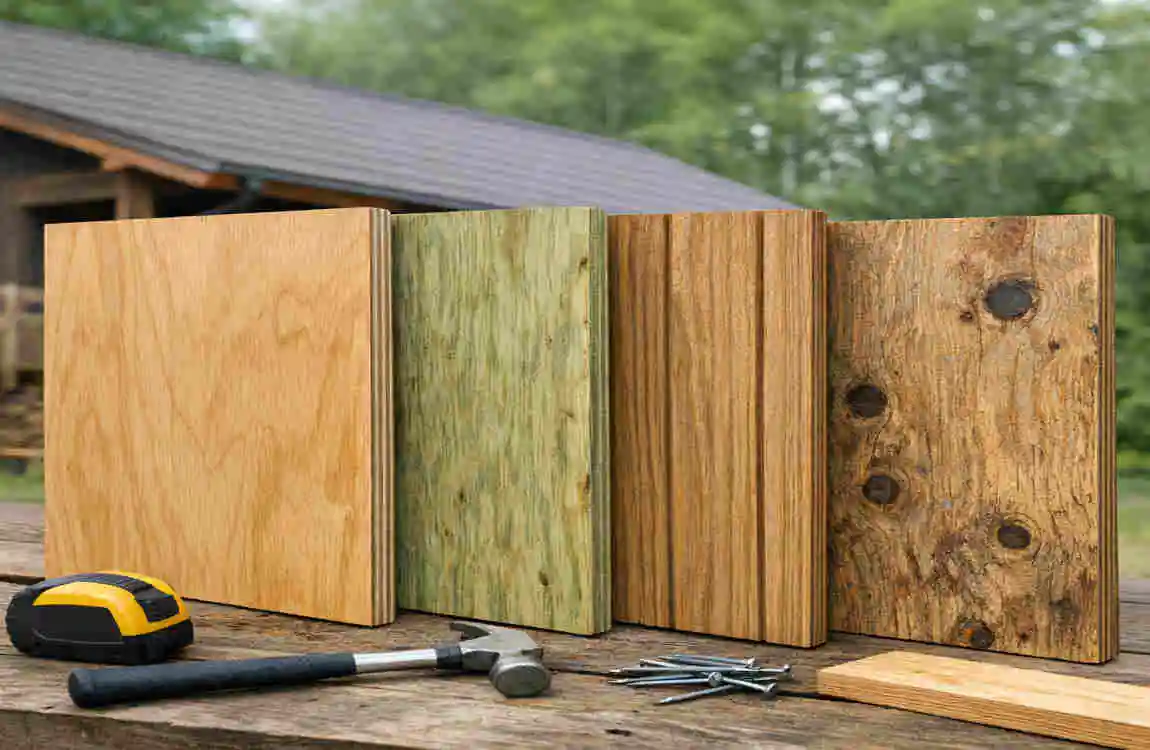
If you are asking which type of plywood is best for exterior walls, the short answer is: you need plywood that can withstand moisture, outdoor exposure, and structural stress. Not every plywood sheet is made for that job.
Exterior walls need more than just a surface to cover the frame. They need a layer that supports the structure and withstands the weather. That is why the right choice matters so much.
What Type of Plywood for Exterior Walls?
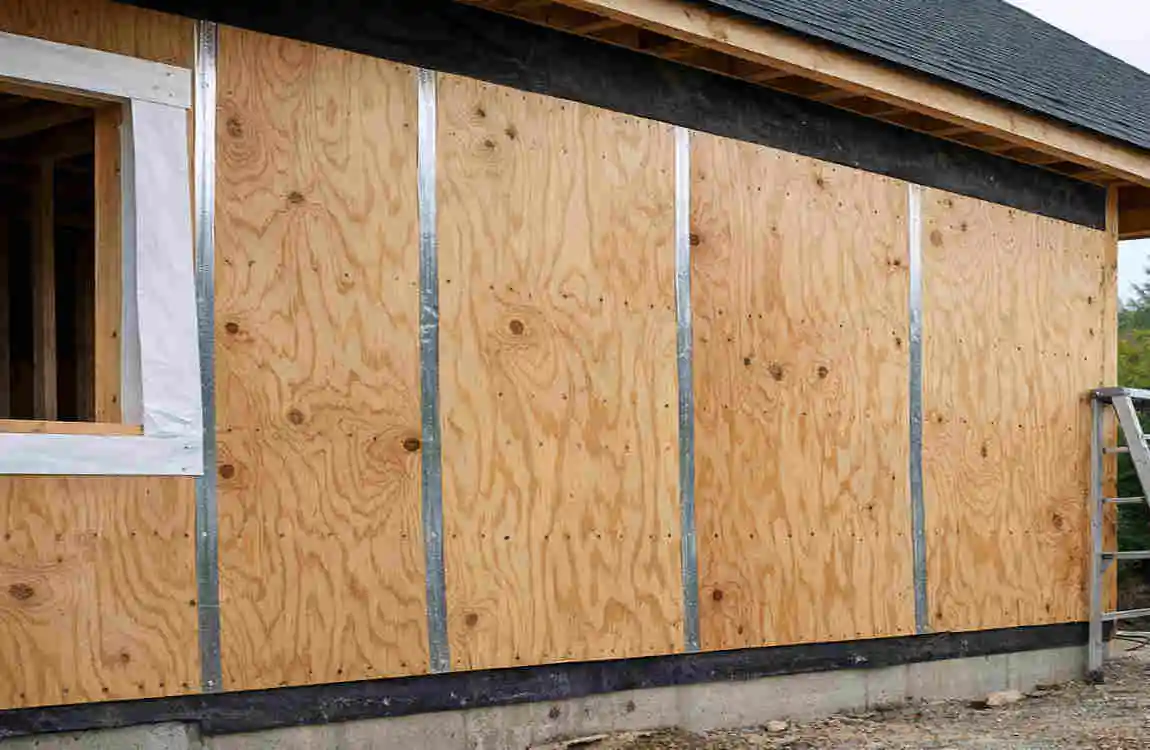
Plywood is often used in exterior wall construction because it is strong, stable, and easy to install. It gives the wall a solid base before siding or another finish goes on top.
Why plywood is used on exterior walls
Exterior walls need a material that helps the building stay rigid. Plywood does that well. It also gives siding something solid to attach to.
That makes it useful for both new construction and repairs.
Structural use vs finished surface use
There is an important difference between plywood used as wall sheathing and plywood used as a finished exterior surface.
- Wall sheathing sits under siding, house wrap, or another weather layer.
- Finished exterior plywood is visible outside and needs more weather protection.
Most homeowners are using plywood as a hidden support layer, not as the final outer surface.
What matters most when choosing plywood
When you are deciding what type of plywood for exterior walls to buy, focus on:
- Moisture resistance
- Strength
- Durability
- Thickness
- Local building code requirements
- Budget
The best plywood is the one that fits the job, the climate, and the wall system.
Best Types of Plywood for Exterior Walls
Different plywood types work better in different situations. Some are basic and affordable. Others cost more but offer better protection.
Exterior-grade plywood
Exterior-grade plywood is made to handle moisture better than interior plywood. It uses glue that can withstand outdoor conditions.
This makes it a good option for wall sheathing and other exterior uses where the material may be exposed to humidity or short-term moisture.
CDX plywood
CDX is one of the most common choices for exterior wall sheathing. It is strong, widely available, and usually affordable.
The “C” and “D” refer to the face grades, while the “X” means the glue is rated for exterior use.
Why people choose CDX:
- Good for structural wall sheathing
- Cost-effective
- Easy to find
- Works well under siding
Limitations:
- Not meant to be exposed as a final finish
- Needs proper weather protection
- Lower surface appearance than decorative plywood
Pressure-treated plywood
Pressure-treated plywood is treated to resist moisture, decay, and pests. This can be helpful in areas where the wall may be exposed to extra wear.
It is often used where water risk is higher, such as near the ground or in damp climates.
That said, it is not always necessary for every wall. Many exterior walls perform well with standard exterior-rated plywood when installed correctly and protected by a good wall system.
Marine plywood
Marine plywood is a high-end option. It is made with strong adhesives and better wood layers, which helps it resist water more effectively.
It is more expensive than standard exterior plywood, so it is usually used only when the project really calls for that level of performance.
For most exterior wall projects, marine plywood is more than necessary. But in special situations, it may be worth the cost.
How to Choose the Right Exterior Wall Plywood
Choosing the right plywood is not just about picking the strongest board. You need to match the plywood to the wall design and the environment.
Thickness
Thickness matters because it affects strength and support. Thicker plywood usually adds more rigidity, but the right thickness depends on the wall frame and design.
Plywood grade
Plywood grades tell you something about surface quality and structural use. For exterior walls, structural performance is often more important than a smooth finish.
Moisture resistance
Exterior walls are exposed to rain, humidity, wind, and seasonal changes. That is why moisture resistance is so important.
Structural strength
The wall sheathing helps keep the structure stable. Make sure the plywood fits the strength needs of your project.
Climate and weather
A wall in a dry climate has different needs than one in a rainy or snowy area. Think about your local weather before you buy.
Local building codes
Building codes often set minimum standards for wall sheathing. Always check the rules in your area before making a final choice.
Budget
Price matters, but it should not be the only factor. A cheaper sheet may end up costing more later if it fails early.
Simple decision checklist
- Check moisture exposure
- Confirm wall framing needs
- Review local code rules
- Compare cost and durability
- Match the plywood to the siding system
Plywood Thickness and Size for Exterior Walls
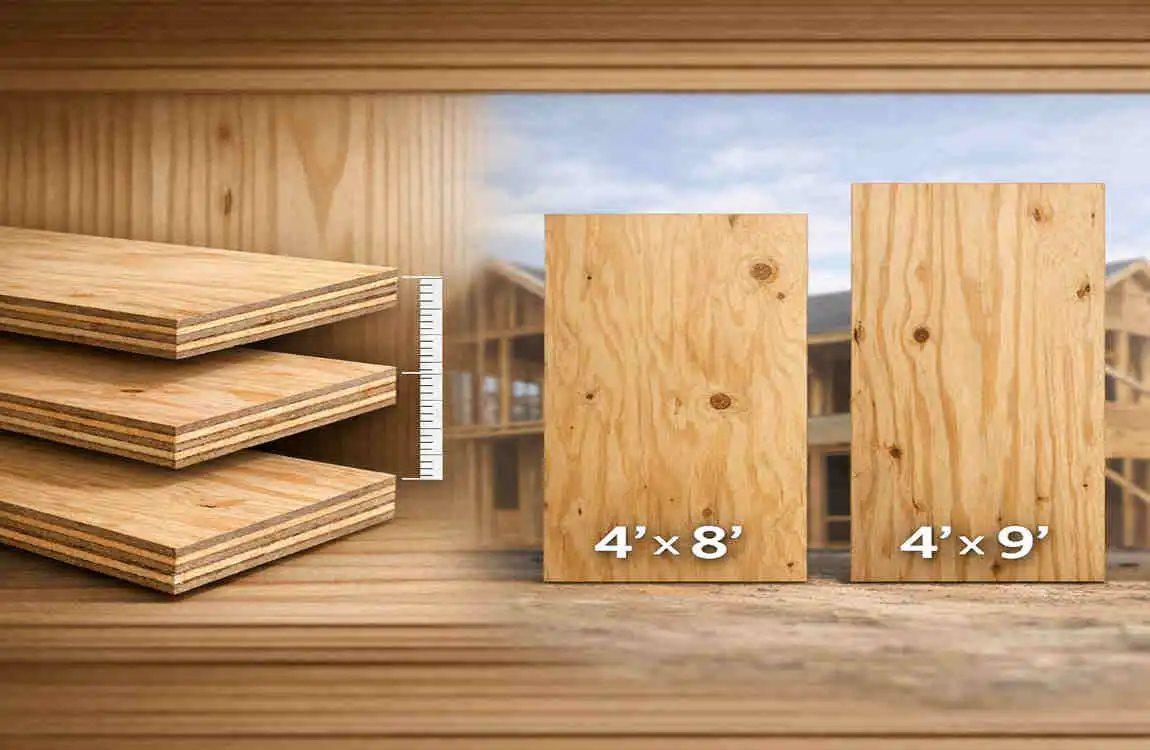
Thickness and sheet size can affect both performance and installation.
Common thicknesses
Exterior wall plywood often comes in thicknesses such as 3/8 inch, 1/2 inch, and 5/8 inch, depending on the job.
Thicker sheets usually offer more stiffness, but your project plan and code requirements should guide the choice.
Standard sheet dimensions
Most plywood sheets are sold in standard sizes, usually 4 feet by 8 feet. That makes them easier to measure, cut, and install.
Orientation and spacing
How the sheet is placed matters too. Proper orientation helps the wall handle loads more evenly.
You also need to allow for expansion gaps where required. Wood can move slightly with changes in moisture and temperature.
Follow the building plan.
Every wall system is different. The safest choice is to follow the project drawings and local code requirements instead of guessing.
How to Install Plywood on Exterior Walls
Good installation is just as important as choosing the right plywood. Even strong material can fail if it is installed poorly.
Prepare the wall framing.
Start by checking the wall frame. Make sure it is straight, sound, and ready to hold the plywood.
If any studs are damaged or uneven, fix those first.
Measure and cut panels
Measure carefully before cutting. Good cuts help panels fit tightly and reduce waste.
A careful fit also makes the wall stronger and easier to finish later.
Position the plywood correctly.
Place the sheets so they align with the framing. The panel should sit flat and cover the frame properly.
A crooked or loose panel can weaken the wall.
Leave expansion gaps if needed.
Wood can expand and contract slightly. Small gaps may be needed between sheets depending on the product and project plan.
Use proper fasteners
Use the right nails or screws for the wall system. Fasteners should hold the plywood firmly without causing damage.
Openings around windows and doors
Cut plywood cleanly around windows and doors. These areas need careful fitting because they are common sites of leaks if not handled properly.
Add weather layers
Plywood is usually not the final weather barrier. It is often covered by:
- House wrap
- Flashing
- Siding
- Trim
These layers help keep moisture out of the wall structure.
Common Mistakes When Choosing Exterior Wall Plywood
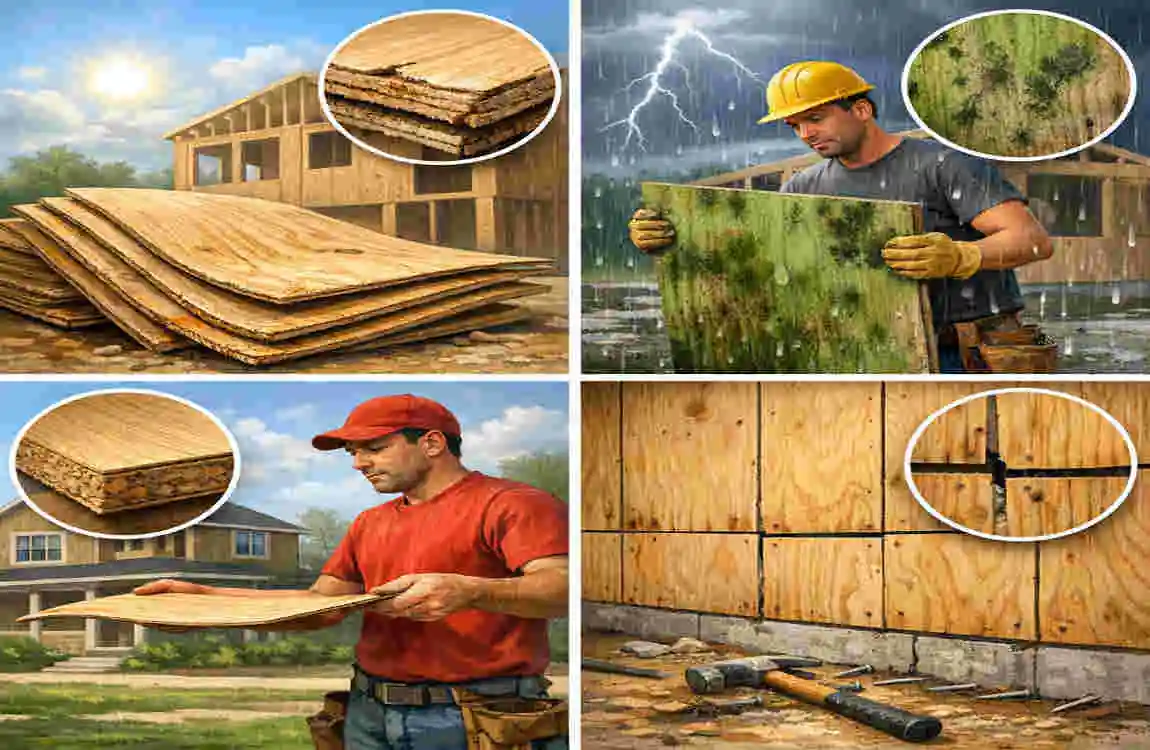
Some mistakes can cause problems later. These are the ones to watch for.
Using interior plywood outdoors
Interior plywood is not made for outdoor exposure. It can break down much faster when it sees moisture.
Choosing plywood that is too thin
Thin plywood may not give the wall enough strength or stiffness.
Ignoring moisture exposure
If the wall is likely to get wet, you need a product that can handle that environment.
Skipping structural requirements
Do not choose based on looks alone. The wall still needs to perform structurally.
Poor fastening or placement
Even good plywood can fail if the fasteners are wrong or the sheets are installed badly.
Leaving plywood exposed too long
Plywood should not be left exposed to the weather for an extended period. It needs to be protected by the full wall assembly as soon as possible.
Choosing only by price
Cheapest is not always best. A slightly better product may save money over the life of the wall.
FAQ: What Type of Plywood for Exterior Walls?
Is CDX plywood good for exterior walls?
Yes, CDX plywood is commonly used for wall sheathing under siding. It is a practical and affordable choice, but the rest of the wall system should still protect it.
What is the best plywood for exterior wall sheathing?
For many projects, exterior-grade plywood or CDX plywood works well. The best choice depends on your wall design, climate, and code requirements.
Can regular plywood be used on exterior walls?
Interior-grade plywood is generally not a good choice for exposed outdoor conditions. It is not built to handle moisture the same way exterior-rated plywood is.
What thickness of plywood is used for exterior walls?
That depends on the framing, wall design, and local building requirements. Common thicknesses include 3/8 inch, 1/2 inch, and 5/8 inch.
Is pressure-treated plywood better for exterior walls?
It can be better in areas at higher risk of excess moisture. But in many normal wall applications, standard exterior-rated plywood is enough if the wall is properly built and protected.
Can plywood be left exposed outside?
Not for long. Plywood should not be left exposed to the weather for extended periods. It needs proper protection from house wrap, siding, and flashing.
How long does exterior plywood last?
Its life depends on installation quality, moisture control, climate, and maintenance. Properly protected plywood can last many years, while poorly protected plywood can fail much sooner.
| Plywood Type | Weather Resistance | Durability | Best Use |
|---|---|---|---|
| Marine Plywood | Excellent | Very High | Wet or exposed areas |
| Exterior-Grade Plywood | Excellent | High | Exterior wall sheathing |
| Pressure-Treated Plywood | Excellent | Very High | Moisture-prone locations |
| CDX Plywood | Good | High | General wall sheathing |
| OSB | Good | High | Budget-friendly wall sheathing |
