

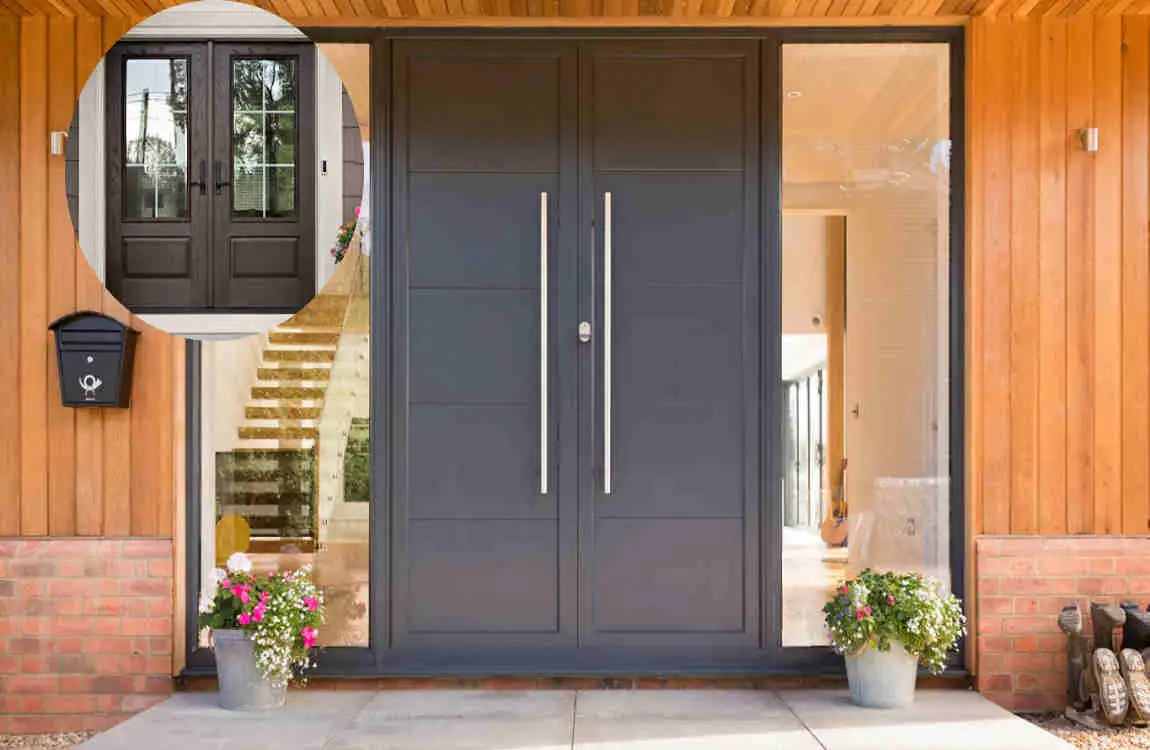
Choosing the right exterior entry door can improve your home’s security, energy efficiency, appearance, and durability. But with so many materials available, it can be difficult to know which one is right for your home.
So, what is the best material for an exterior entry door? For most homeowners, fiberglass is one of the best all-around choices because it offers durability, low maintenance, good insulation, and attractive designs. However, steel, wood, and aluminum can be better depending on your budget, climate, security needs, and preferred style.
What Is the Best Material for an Exterior Entry Door?
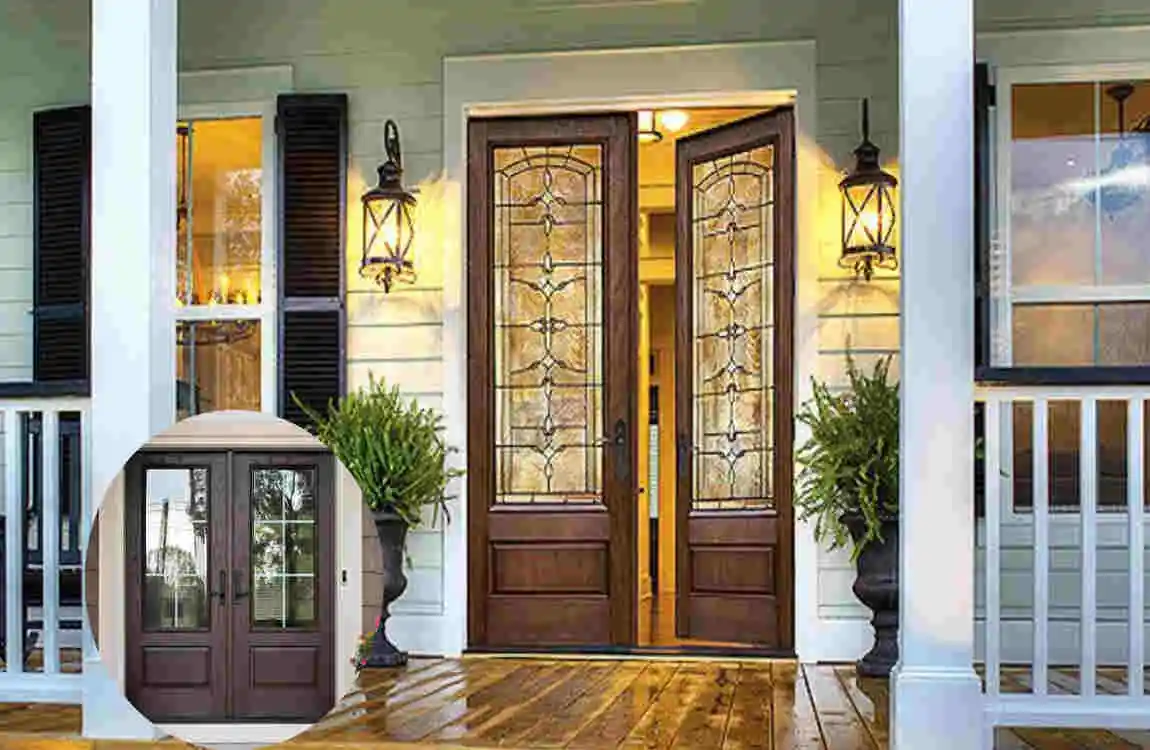
There is no single material that works perfectly for every home. Each option has different strengths.
Fiberglass Doors
Fiberglass is a popular choice because it can handle moisture, temperature changes, and everyday use with relatively little maintenance. Many fiberglass doors also have wood-look finishes, making them a good alternative to natural wood.
They can provide good insulation and are available in many colors and designs.
Steel Doors
Steel doors are an excellent choice when security and strength are your main priorities. They are generally strong, practical, and often more affordable than high-end wood doors.
Insulated steel doors can also provide good energy performance.
Wood Doors
Wood remains a favorite among homeowners who want a natural, premium look. Wood doors can be customized with different stains, finishes, panel designs, and decorative glass.
The main disadvantage is maintenance. Wood can absorb moisture and may swell, shrink, or warp if it is not properly protected.
Aluminum Doors
Aluminum doors are lightweight and work especially well with modern architectural styles. They are resistant to rot and can be relatively easy to maintain.
However, their energy performance depends heavily on the door’s design, insulation, frame, and construction.
Fiberglass Exterior Entry Doors
Why Fiberglass Is a Popular Choice
Fiberglass offers a useful balance between appearance and performance. It can resist moisture and everyday weather exposure without requiring the same level of maintenance as many wood doors.
Many designs are made to resemble natural wood, so you can achieve a traditional appearance without choosing real wood.
Benefits of Fiberglass Doors
Fiberglass doors are known for:
- Low maintenance
- Good insulation
- Moisture resistance
- Long-lasting performance
- Many style and color options
- Attractive wood-look finishes
Potential Drawbacks
Fiberglass can cost more than basic steel doors. Lower-quality products may also have a less convincing wood appearance. Severe damage can sometimes be more difficult to repair than damage to a traditional wood door.
Who Should Choose Fiberglass?
Fiberglass is particularly suitable if you want a balanced combination of durability, energy efficiency, appearance, and easy maintenance.
Steel Exterior Entry Doors
Why Choose a Steel Entry Door?
Steel is a strong option for homeowners who prioritize security and value. A properly constructed steel door can provide excellent resistance to impact and everyday wear.
Insulated steel doors can also help reduce unwanted heat transfer.
Benefits of Steel Doors
The main advantages include:
- Excellent strength
- Strong security potential
- Good energy performance when insulated
- Relatively low maintenance
- Often affordable compared with premium wood
Disadvantages of Steel Doors
Steel can dent when it is struck with a strong impact. Scratches that damage the protective finish may also require attention to help prevent corrosion.
Steel also does not naturally provide the same warmth and character as real wood.
When Is Steel the Best Choice?
Choose steel when security, strength, and affordability are more important than a natural wood appearance.
Wood Exterior Entry Doors
Why Homeowners Still Choose Wood
Wood offers a level of natural beauty that many manufactured materials try to reproduce. Its grain, texture, and color can add strong architectural character to an entrance.
Wood works especially well with traditional, craftsman, farmhouse, and luxury-style homes.
Benefits of Wood Doors
Wood doors offer:
- Natural beauty
- Excellent customization
- Premium appearance
- Strong architectural character
- Ability to refinish or repair in many situations
Drawbacks of Wood Doors
Wood generally requires more attention than fiberglass or aluminum. Moisture can cause swelling, shrinking, or warping, particularly when the door is exposed to harsh weather.
Premium wood doors can also be more expensive.
How to Maintain a Wood Entry Door
Inspect the finish regularly and watch for areas where moisture could enter. Refinish the door when necessary, and check the weatherstripping to maintain a tight seal.
Aluminum Exterior Entry Doors
Main Features of Aluminum Doors
Aluminum is lightweight, durable, and well suited to contemporary homes. It does not rot like wood and can resist many common outdoor conditions when properly finished.
Advantages of Aluminum
Aluminum doors can provide:
- Low maintenance
- Lightweight construction
- Resistance to rot
- Corrosion resistance with suitable finishes
- Modern appearance
Disadvantages of Aluminum
Aluminum can dent, and its thermal performance depends greatly on its construction and insulation. It may also look less traditional than wood.
Which Exterior Entry Door Material Is Most Durable?
Durability depends on more than the material itself. Climate, installation, finish quality, maintenance, and exposure all matter.
Fiberglass generally performs very well against moisture and changing temperatures. Steel offers excellent strength but needs protection against corrosion if its finish is damaged. Wood can last for many years when properly maintained, while aluminum offers good resistance to rot and many weather conditions.
The best approach is to choose a high-quality door designed for your local environment rather than selecting a material based only on its reputation.
Which Entry Door Material Is Best for Energy Efficiency?
Insulation Matters
A door with a well-insulated core can perform better than a poorly constructed door made from a material typically considered energy-efficient.
Look for a door designed to reduce unwanted heat transfer.
Look at the Entire Door System
Pay attention to the:
- Door slab
- Frame
- Weatherstripping
- Threshold
- Glass
- Installation
A small gap around the frame can reduce the benefits of an otherwise efficient door.
Best Materials for Different Climates
In hot or humid areas, moisture resistance becomes especially important. In colder climates, insulation and air sealing should receive more attention.
For homes exposed to intense sunlight, the finish and UV resistance should also be considered.
Which Exterior Entry Door Material Is Best for Security?
Steel for Maximum Strength
Steel is frequently chosen for security-focused entrances because of its durability. However, the material alone does not make a door secure.
Fiberglass for a Balanced Option
Fiberglass can provide a good combination of strength, appearance, insulation, and maintenance. It can be a practical choice when you want security without sacrificing design flexibility.
Important Security Features
When purchasing a door, consider:
- Strong door construction
- Reinforced frame
- Quality deadbolt
- Strong strike plate
- Multi-point locking system
- Appropriate security glass
A strong frame and properly installed locking system are just as important as the door material.
Which Entry Door Material Requires the Least Maintenance?
Generally, maintenance can be ranked from lower to higher as:
- Fiberglass
- Aluminum
- Steel
- Wood
This ranking can change depending on the finish, climate, exposure, and product quality.
For homeowners who want a door that requires minimal attention, fiberglass is often an excellent choice.
How Much Does an Exterior Entry Door Cost?
The total cost depends on much more than the door material.
Material Cost
Basic steel doors can be relatively budget-friendly, while premium wood doors may cost considerably more. Fiberglass and aluminum are available across different price levels depending on construction, design, insulation, and finish.
Installation Cost
Installation costs can increase if the existing frame needs repair or replacement. Door size, hardware, structural changes, finishing, and the condition of the opening can also affect the final price.
Long-Term Value
Don’t focus only on the purchase price. Consider maintenance, energy performance, durability, and expected service life when comparing options.
A slightly more expensive door may provide better value if it requires less maintenance and performs well for many years.
How to Choose the Best Material for Your Exterior Entry Door
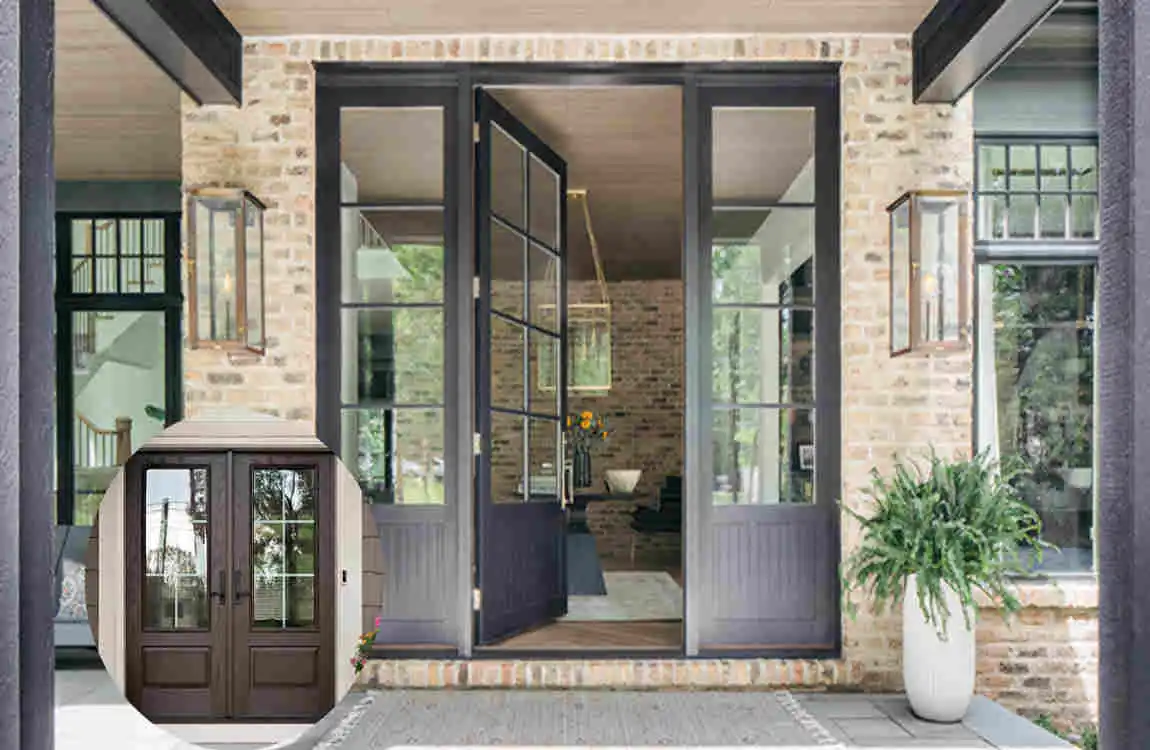
Consider Your Climate
Think about heat, cold, humidity, rain, sunlight, and other weather conditions around your home.
Set Your Budget
Compare the initial purchase price with long-term maintenance and potential replacement costs.
Think About Security
Look beyond the material. Examine the frame, locks, strike plate, hinges, and overall construction.
Consider Your Home’s Style
A wood door may complement a traditional home beautifully, while aluminum or a simple fiberglass design may work better with contemporary architecture.
Evaluate Maintenance Requirements
If you do not want regular refinishing and detailed upkeep, fiberglass or aluminum may be more convenient.
Check Energy Performance
Consider insulation, weatherstripping, glass, frame construction, and installation rather than judging energy efficiency by material alone.
Frequently Asked Questions
What is the best material for an exterior entry door?
Fiberglass is often the best overall choice because it offers durability, good insulation, moisture resistance, attractive designs, and low maintenance. Steel may be better for security, while wood is ideal for natural beauty.
Is fiberglass better than steel for an exterior door?
It depends on your priorities. Fiberglass generally offers excellent maintenance and weather resistance, while steel provides excellent strength and security. Both can offer good energy performance when properly insulated.
Are wood exterior doors a good choice?
Yes. Wood is an excellent choice if you value natural beauty, customization, and traditional character and are willing to perform regular maintenance.
What is the most energy-efficient exterior door material?
There is no universal winner. Insulation, weatherstripping, frame construction, glass, and installation can be more important than the material alone.
What type of exterior door lasts the longest?
A high-quality fiberglass, steel, wood, or aluminum door can provide long service when correctly installed and maintained. Climate and exposure also have a major effect on lifespan.
Which exterior door material is best for security?
Steel is frequently preferred for security because of its strength. However, the locking system, frame, hinges, strike plate, and installation are also critical.
Are fiberglass doors worth the money?
For many homeowners, yes. Fiberglass can provide a strong combination of durability, low maintenance, insulation, moisture resistance, and design flexibility.
| Door Material | Key Benefits | Best For | Maintenance |
|---|---|---|---|
| Fiberglass | Durable, energy-efficient, weather-resistant | Most homes and changing climates | Low |
| Steel | Strong, secure, affordable | Security-focused entryways | Low–Medium |
| Wood | Natural beauty, warmth, customizable | Traditional and luxury homes | High |
| Aluminum | Lightweight, rust-resistant, modern | Contemporary homes | Low |
| Composite | Durable, attractive, moisture-resistant | Long-lasting exterior doors | Low |
| Glass & Metal | Stylish, modern, allows natural light | Modern and contemporary homes | Medium |
