

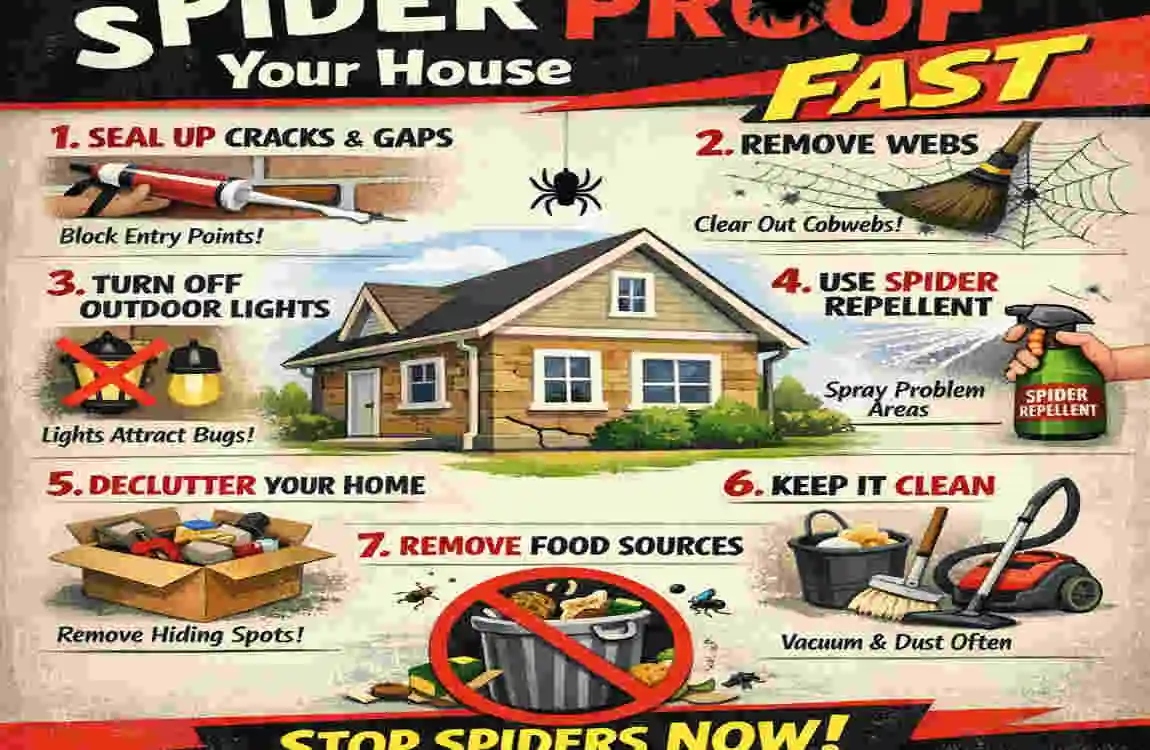
If you are wondering how to spider proof your house, the good news is that it does not have to be hard or expensive. Most spiders come inside for the same basic reasons: they want food, shelter, and a safe place to stay. Once you understand that, it becomes much easier to keep them out.
For many people, finding spiders at home is unpleasant, but it does not always mean there is a serious problem. Most house spiders are not dangerous. They are usually just looking for a quiet corner, a web, or a small insect to eat. Still, nobody wants webs in the corners, spiders in the bathroom, or surprise sightings near the bed.
Why Spiders Come Inside Your House
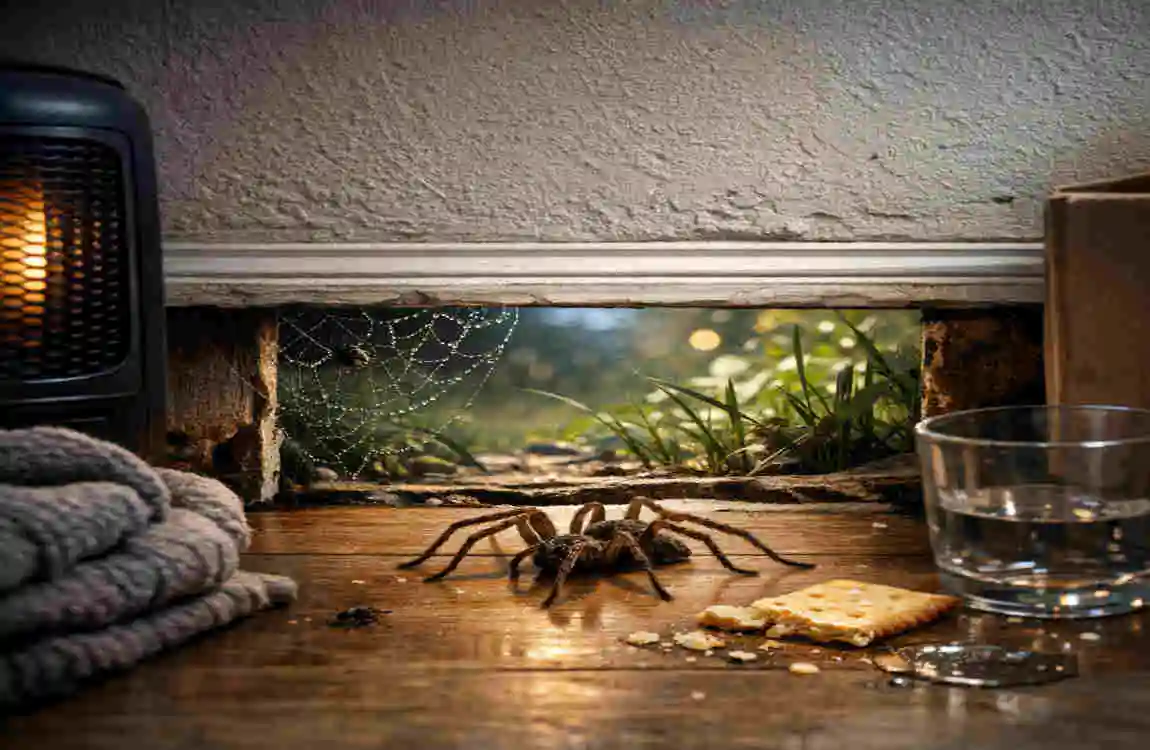
Before you can spider-proof your home, it helps to know what attracts spiders in the first place. Spiders do not come inside just to bother you. They are usually following food, warmth, and shelter.
Searching for Food
Spiders eat insects. So if your house has flies, ants, moths, or other tiny pests, spiders may follow them in. In other words, if there is food for the bugs, there is food for the spiders too.
This is why home spider control often starts with general cleaning and pest prevention. When you reduce the number of insects in your home, you make it less attractive to spiders.
Looking for Shelter
Spiders like quiet, undisturbed spaces. They often hide in closets, basements, garages, attics, and storage rooms. These areas give them protection and fewer interruptions.
A messy home with lots of hiding places can make it easier for spiders to settle in. That is why spider infestation prevention is not only about killing spiders. It is also about making your home less welcoming.
Seasonal Changes
Spiders often move indoors when the weather changes. In hot weather, they may look for cooler areas. In colder months, they may come inside to escape the cold and find shelter.
This is one reason people notice more spiders in fall. It is a common pattern, and it is also a good reminder to inspect your home at least once each season.
How to Spider Proof Your House
If you want a fast and effective result, focus on blocking entry, removing hiding spots, and reducing food sources. These steps work well together and give you the best chance to keep spiders out of your house.
Seal Cracks and Gaps
Tiny openings can become easy spider entry points. Check around windows, doors, baseboards, pipes, vents, and the foundation. Even a small crack can let spiders in.
Use caulk, weatherstripping, or sealant to close gaps. Pay close attention to areas where wires or plumbing enter the house. This simple step can make a big difference in how to stop spiders from entering your home.
Install Door Sweeps
A gap under the door is one of the easiest ways for pests to get inside. A door sweep helps block that opening and keeps spiders from crawling in.
Check all exterior doors, including garage doors and basement doors. If light comes through the bottom, spiders may be able to get through too. A door sweep is a low-cost fix that works fast.
Repair Window Screens
Damaged screens are another common problem. Small tears or loose edges can give spiders an easy path inside. Window screens should fit tightly and have no holes.
If you notice damage, repair or replace the screen right away. This is one of the simplest spider prevention tips because it protects your home without much effort.
Keep Your Home Clean
Cleaning does more than make your home look nice. It removes crumbs, dust, and insects that attract spiders. Vacuuming corners, under furniture, and along baseboards helps remove webs, egg sacs, and hidden bugs.
You do not need a perfect home. You just need a regular cleaning routine. The more often you clean, the less likely spiders are to settle in.
Reduce Clutter
Clutter gives spiders more places to hide. Cardboard boxes, stacked papers, old clothes, and unused items create quiet spaces that spiders love.
Try to store items in sealed plastic bins instead of cardboard boxes. Keep floors clear where possible. The less clutter you have, the fewer hiding spots spiders can use.
Remove Spider Webs Quickly
If you see a web, remove it right away. Webs can attract more spiders because they often signal a safe spot to rest and hunt.
Use a vacuum, broom, or microfiber duster to remove webs from corners, ceilings, window frames, and storage areas. This does not just clean the space. It also tells spiders that the area is not a good home.
Natural Ways to Keep Spiders Away
Many homeowners prefer natural spider repellent methods before using stronger pest control products. These options may not work the same way in every home, but they can help as part of a bigger prevention plan.
Peppermint Oil Spray
Peppermint oil is one of the most popular natural spider repellent choices. Many people say spiders dislike the strong scent.
You can mix a few drops of peppermint oil with water in a spray bottle and apply it around doors, windows, corners, and other entry points. Reapply it regularly, especially after cleaning. It is best used as a support tool, not the only solution.
Vinegar Solution
Vinegar has a sharp smell that can help discourage spiders. A simple mix of vinegar and water can be sprayed around baseboards and window frames.
Be careful with surfaces that may be damaged by vinegar, such as some stone, wood finishes, or delicate materials. Test a small area first. This method is simple, cheap, and easy to use in problem spots.
Citrus Peels
Many people believe spiders do not like citrus smells. Lemon, orange, and other citrus peels can be placed in areas where spiders tend to appear.
You can also use citrus-scented cleaning products. These are useful if you want a fresh smell while also trying to spider-proof your house naturally.
Cedarwood Products
Cedarwood has a strong scent that may help repel spiders. Cedar blocks, sachets, or cedar-based sprays can be placed in closets, drawers, and storage spaces.
This works well in areas where spiders like to hide. It is a simple option if you want a more natural way to support home spider control.
Outdoor Spider Prevention
Spider prevention should not stop at the front door. Many spiders live outside first and then move inside. If you manage your yard well, you can reduce the number of spiders near your house.
Trim Bushes and Plants
Plants that grow too close to your home can act like bridges for spiders. Branches, vines, and tall bushes give them easy access to windows, walls, and roof lines.
Keep shrubs trimmed back from the house. Leave a small gap between plants and the exterior walls. This small change can help a lot with spider infestation prevention.
Move Firewood Away
Firewood piles, storage boxes, and outdoor clutter create perfect hiding spots for spiders. If these items sit close to your home, spiders may move inside more easily.
Store firewood away from exterior walls and lift it off the ground if possible. The same goes for unused pots, bins, and garden supplies. Less clutter outside means fewer spiders near your home.
Reduce Outdoor Lighting
Bright outdoor lights attract insects, and insects attract spiders. If your porch light brings in bugs every night, you may also be inviting spiders to stay nearby.
Use outdoor lighting only when needed. Consider softer bulbs or motion-sensor lights to reduce insect activity. This is a smart and simple spider prevention tip.
Clean Gutters Regularly
Clogged gutters hold leaves, moisture, and debris. That creates a friendly place for insects and spiders to hide. Over time, spiders may move from the gutters into the roof area or attic.
Cleaning gutters is not the most exciting job, but it matters. A clean gutter system supports better drainage and reduces outdoor hiding spots.
Common Mistakes to Avoid
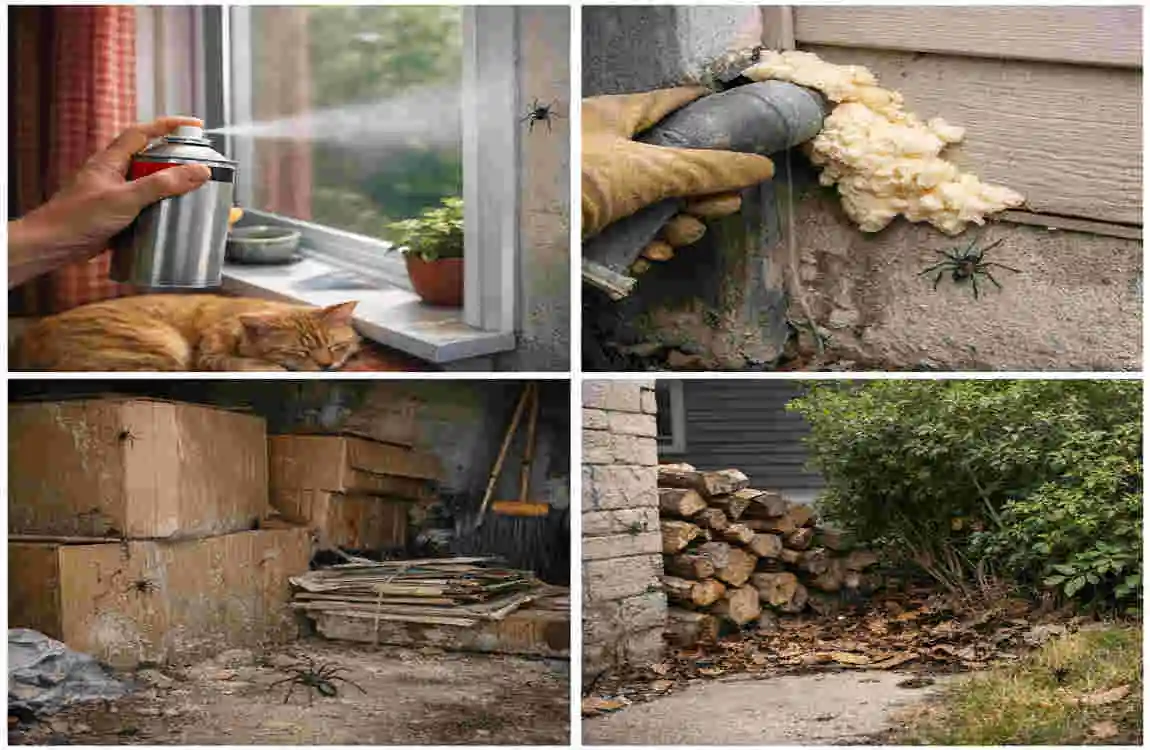
Even when people try to learn how to spider-proof your house, they sometimes miss small habits that bring spiders back. Avoiding these mistakes can save time and frustration.
- Ignoring small cracks around doors, windows, and pipes
- Leaving food crumbs on floors, counters, or under furniture
- Storing cardboard boxes for long periods in basements or garages
- Skipping regular cleaning in corners, closets, and storage areas
These may seem small, but spiders notice them. A few simple changes can make your home much less appealing.
Spider-Proofing Checklist
Here is a quick checklist to help you stay on track. Use it as a simple home maintenance guide.
TaskFrequency
Seal entry points Once a year
Vacuum corners Weekly
Remove webs Weekly
Clean garage Monthly
Trim plants Monthly
Check window screens Every season
If you follow this schedule, you will make it much harder for spiders to settle in. The key is regular upkeep, not one-time cleanup.
When to Call a Professional
Sometimes a DIY approach is not enough. If spiders keep coming back or you are seeing too many of them, it may be time to get help.
Large Spider Infestations
If you are seeing spiders in multiple rooms or finding webs everywhere, the problem may be bigger than a few isolated pests. A professional can inspect the house and look for the source.
Venomous Spider Sightings
If you think you have seen a dangerous spider species, do not try to handle the problem alone. Some spiders can pose a real risk, and it is better to let trained experts manage the situation.
Recurring Spider Problems
If you clean, seal, and spray but still keep seeing spiders, there may be a hidden entry point or outdoor source you have missed. Professionals know how to spot these patterns.
Benefits of Professional Pest Control
A pest control expert can help with inspection, treatment, and long-term prevention. They can also suggest the best plan for your modern home, yard, and local spider problems.
If your spider issue keeps returning, professional help can save time and stress.
Frequently Asked Questions
What is the fastest way to spider-proof your house?
Seal entry points, remove webs, clean regularly, and use natural repellents like peppermint oil.
Does peppermint oil really keep spiders away?
Yes, many homeowners find peppermint oil helps repel spiders when applied regularly.
Why do I keep finding spiders in a clean house?
Spiders may enter through cracks or open doors while searching for food or shelter.
How often should I spider-proof my home?
Inspect your home seasonally and maintain weekly cleaning for the best results.
Can spiders come through air vents?
Yes, if vents are not properly screened or sealed, spiders can enter through them.
| Step | What to Do | Why It Helps |
|---|---|---|
| Seal Entry Points | Caulk cracks around doors, windows, pipes, and vents. | Prevents spiders from entering your home. |
| Remove Webs | Vacuum spider webs, egg sacs, and spiders regularly. | Reduces spider activity and breeding. |
| Declutter | Clear boxes, piles of clothes, and storage areas. | Eliminates common spider hiding spots. |
| Control Other Insects | Keep food sealed and use insect control if needed. | Removes the spiders’ food source. |
| Keep Your Home Clean | Dust, vacuum, and mop floors frequently. | Makes your home less attractive to spiders. |
| Trim Outdoor Plants | Cut back bushes, vines, and tree branches touching the house. | Limits easy access from outdoors. |
| Reduce Outdoor Lighting | Use warm-colored or motion-sensor lights. | Attracts fewer insects, which attract spiders. |
| Install Door Sweeps & Screens | Repair damaged window screens and add door sweeps. | Blocks common entry points. |
| Use Natural Repellents | Spray peppermint, citrus, or vinegar solutions around entryways. | May help discourage spiders naturally. |
| Consider Professional Pest Control | Hire a pest control service for severe infestations. | Provides long-term spider prevention. |
