

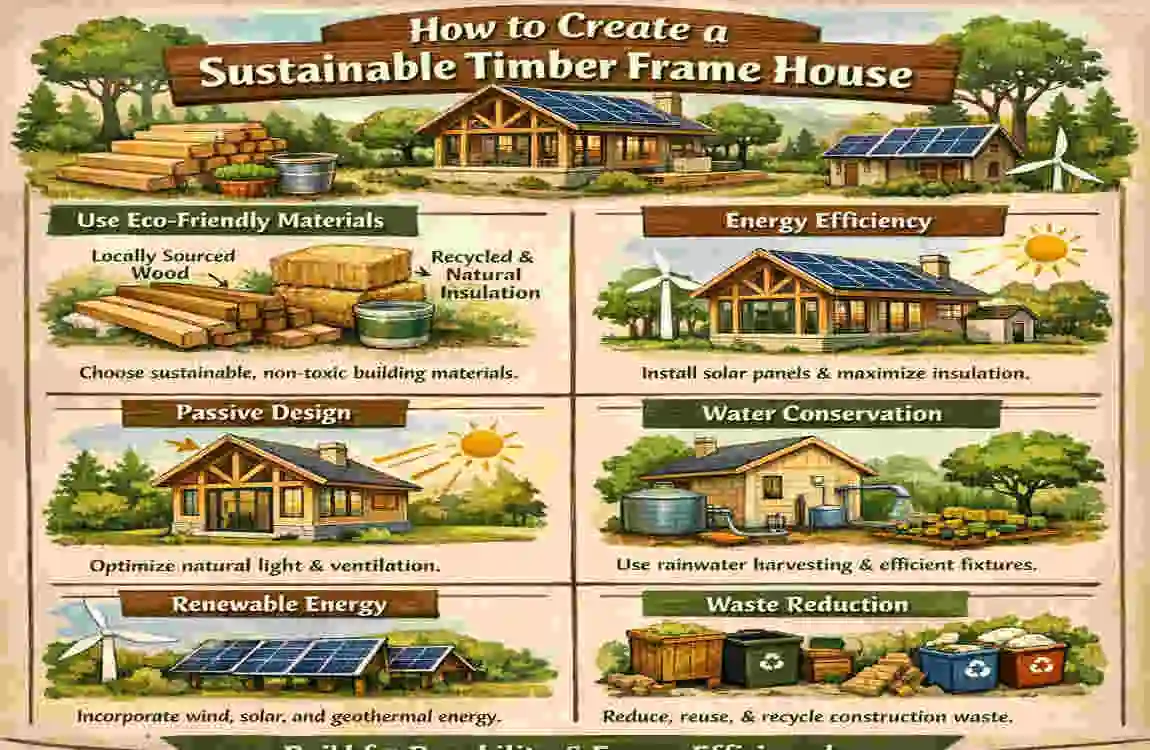
A timber frame house is a home built with a strong wooden skeleton that supports the structure. Instead of depending on heavy brick or concrete walls for strength, the frame does most of the work. This makes the building process flexible, efficient, and often faster than traditional construction.
Today, more people want homes that are kinder to the planet. They want materials that last longer, use less energy, and create less waste. That is why sustainable housing is becoming more popular every year. If you are looking for a smart, comfortable, and eco-friendly way to build, timber-frame construction is worth serious consideration.
When you learn how to build a timber frame house, you are not just building a home. You are making a long-term investment in lower energy bills, better comfort, and a smaller carbon footprint. Timber is a renewable material, and when it is sourced responsibly, it can be one of the most sustainable choices in modern building.
What Is a Timber Frame House?
Definition and Structure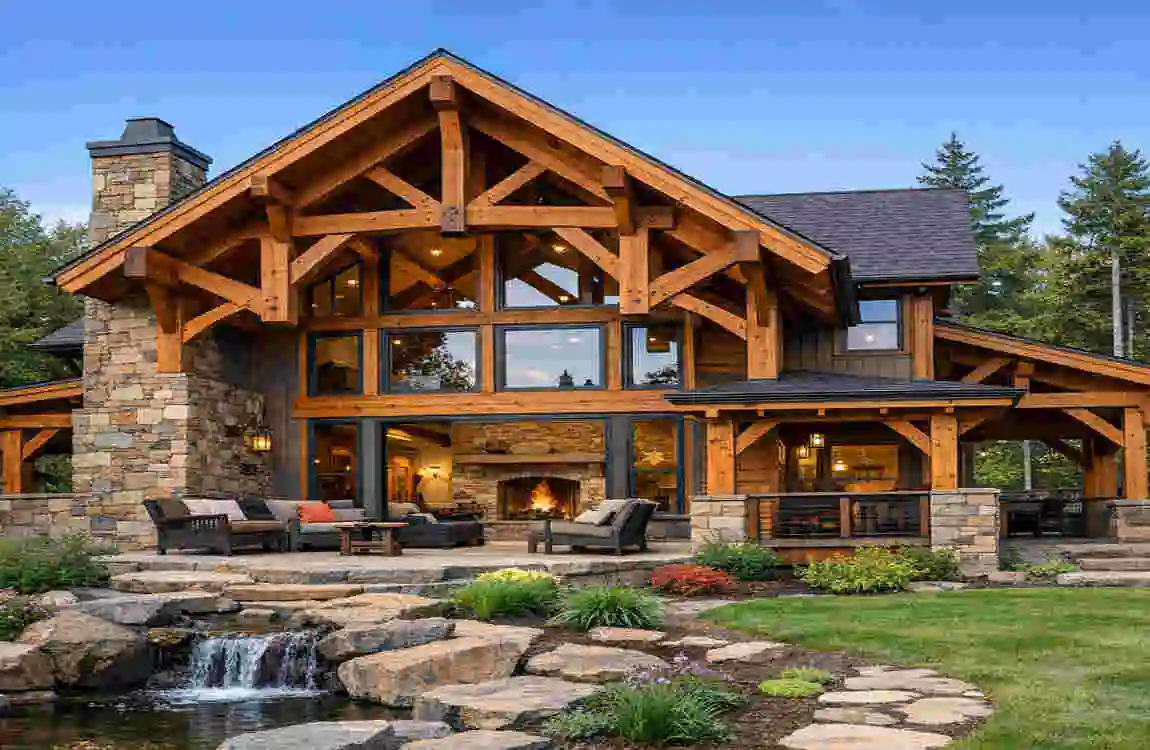
A timber frame house is a home built around a wooden structural frame. This frame includes major parts like posts, beams, rafters, and joists. These pieces work together to carry the weight of the house and keep it stable.
The frame is usually made from strong, durable timber. Once the frame is in place, the walls, roof, insulation, and interior finishes are added around it. In many designs, the timber frame is not hidden completely. Some owners like to leave parts of the wood visible because it gives the home a warm and natural look.
The key idea is simple: the frame holds the building together, while other layers provide insulation, weather protection, and comfort.
Why Timber Frame Homes Are Popular
Timber frame homes have become popular for several good reasons.
First, they often go up faster than other types of homes. Since the frame can be cut and prepared in advance, on-site construction is usually quicker. This saves time and can reduce labor costs.
Second, they are known for energy efficiency. Timber works well with modern insulation methods, so it is easier to create a home that stays warm in winter and cool in summer.
Third, many people love the natural appearance of wood. Timber gives a home a warm, clean, and welcoming feel. It can fit both modern and traditional designs, which makes it a flexible choice for different tastes.
Finally, timber frame homes appeal to people who want a more sustainable way to build. With the right materials and planning, they can be a smart answer to modern housing needs.
Benefits of Building a Sustainable Timber Frame House
Environmental Benefits
One of the biggest reasons people choose timber frame construction is its environmental value. Wood is a renewable building material, which means it can be regrown when forests are managed responsibly.
Compared with many other building materials, timber usually requires less energy to produce and process. That matters because lower production energy often means a smaller carbon footprint.
Even better, timber stores carbon while it grows. In simple terms, trees absorb carbon dioxide from the air and lock it in their wood. When that wood becomes part of a house, some of that carbon stays stored for many years. That is a big environmental advantage.
Of course, sustainability depends on where the timber comes from. Responsible sourcing is important. If the wood is illegally cut or sourced from poorly managed forests, the environmental benefits are reduced. That is why certification and local sourcing matter so much.
Energy Efficiency Advantages
A sustainable timber-frame house can be very energy-efficient. This is one of the main reasons many homeowners choose it.
Timber-frame walls can be designed to accommodate high-performance insulation. This helps reduce heat loss in winter and keeps indoor temperatures more stable in summer. As a result, your heating and cooling systems do not need to work as hard.
This can lead to lower utility bills over time. A well-insulated timber-frame home often costs less to run than a poorly designed house made of heavier materials.
Energy efficiency also improves comfort. Rooms feel less drafty. Indoor temperatures stay more even. Noise can also be reduced, especially when the wall system is built carefully.
If you add energy-efficient windows, airtight construction, and smart ventilation, the results can be even better. These features all work together to make the home more comfortable and efficient.
Long-Term Cost Savings
At first, some people worry that a sustainable home may cost more. In some cases, the upfront price may be slightly higher, especially if you choose premium materials or advanced eco-friendly systems. But the long-term savings can be very meaningful.
A timber frame house often requires less maintenance than people expect when it is well built and protected from moisture. Good design helps the wood last for decades.
Energy savings also add up year after year. If your house uses less electricity and heating fuel, your monthly costs stay lower. Over time, that can offset the initial building expense.
There is also the matter of property value. Many buyers now look for homes with energy-saving features and sustainable materials. A well-built timber frame home can be attractive in the housing market because it offers both beauty and efficiency.
Quick Comparison of Key Benefits
Benefit AreaWhy It MattersLong-Term Result
Environmental impact: Uses renewable wood and less energy in production; lower carbon footprint.
Energy efficiency works well with insulation and an airtight design, lowering heating and cooling costs.
Maintenance can last a long time with proper care. Reduced repair needs
Property value Appeals to eco-conscious buyers Strong resale potential
Planning Your Timber Frame House Project
Choosing the Right Location
Before you build anything, you need to choose the right site. This is one of the most important parts of the whole project.
Start with a site evaluation. Look at the land’s shape, drainage, soil quality, road access, and nearby services. A flat, stable site may be easier and cheaper to build on, but sloped land can also work if the design fits the terrain.
Climate matters too. If you live in a wet area, your home must handle moisture well. If you live in a hot region, you may need more shading and ventilation. In colder places, insulation and airtightness become even more important.
You should also think about sunlight. A home that gets good natural light can reduce the need for artificial lighting during the day. If you place windows wisely, you can also improve winter warmth and reduce summer overheating.
The right site supports a sustainable home from the very beginning. Do not treat this step as a small detail. It shapes the success of the entire build.
Setting a Realistic Budget
A solid budget keeps your project under control. It also helps you avoid stress later.
When planning costs, include land costs, design fees, permits, materials, labor, utilities, and finishing touches. Many people focus only on the frame itself, but the full home includes much more than timber alone.
Material prices can vary depending on timber type, insulation, roofing, windows, and interior finishes. Labor costs also depend on local market rates and the complexity of the design.
A realistic budget should also include a contingency fund. This is extra money for surprise expenses. A good rule is to set aside at least 10% to 15% of the total project cost. That way, if something changes, you are not caught off guard.
Try to balance cost with quality. Cheaper materials can seem attractive now, but they may lead to higher repair costs later. A sustainable build works best when you think long term.
Obtaining Permits and Approvals
Before construction begins, you usually need approval from local authorities. These rules exist to keep buildings safe and legal.
You may need planning permission, building permits, environmental approvals, or inspections at different stages. The exact rules depend on where you live.
Local building regulations can affect everything from foundation depth to fire safety to insulation levels. If your design includes solar panels, water systems, or special materials, there may be additional checks.
This part can feel slow, but it is important. Starting without proper approval can create delays, fines, or even forced changes to your design.
A good approach is to speak with your local building office early. You may also want help from an architect, builder, or engineer who understands timber frame construction. That support can save time and reduce mistakes.
How to Build a Timber Frame House Step by Step
Design the House
The first real step in building is the design stage. This is where your ideas turn into a practical plan.
Start with the floor plan. Think about how many bedrooms and bathrooms you need, where the kitchen should go, and how the spaces will flow. A good plan fits your daily life, not just your wish list.
Sustainable design features should be part of the plan from the start. These may include large south-facing windows for natural light, roof shapes that support solar panels, shaded outdoor areas, and layouts that improve airflow.
Try to keep the design simple and efficient. Complex shapes usually cost more and can increase waste. A compact design often uses fewer materials and retains heat better.
You should also think about future needs. Will you need a home office? Could your family grow? Planning helps your house stay useful for many years.
At this stage, work with a designer or architect if possible. Their experience can help you create a house that is beautiful, efficient, and buildable.
Select Sustainable Timber
Once your design is ready, choose the right timber. This is one of the most important sustainability decisions you will make.
Look for FSC-certified wood or timber with another trusted forest certification. This shows the wood comes from responsibly managed forests. It helps protect ecosystems and supports better forestry practices.
Whenever possible, choose locally sourced materials. Local wood often travels a shorter distance, which lowers transportation emissions. It can also be easier to inspect and replace if needed.
The type of timber matters too. You want wood that is strong, stable, and suitable for structural use. Your builder or engineer can guide you on the right grade and species for your region.
Do not only think about the price. Cheaper wood may be weaker, less durable, or less responsibly sourced. Good timber is an investment in the life of your home.
Prepare the Foundation
The foundation supports the whole house, so it must be done carefully.
There are several foundation types, including concrete slabs, crawl spaces, and full basements. The best choice depends on your soil, climate, budget, and design.
If sustainability is your goal, consider eco-friendly foundation options where possible. These may include reducing excess concrete, using recycled materials, or choosing design methods that minimize digging and land disturbance.
Good drainage is essential. Water should move away from the home, not toward it. This protects the timber frame from moisture-related issues and helps keep the structure safer over time.
The foundation must also be level and accurate. If it is uneven, the frame may not sit correctly, which can lead to long-term problems.
This is not a part of the project to rush. A strong foundation protects everything built on top of it.
Construct the Timber Frame
Now the house starts to take shape.
The timber frame is usually assembled from pre-cut pieces that fit together like a system. Depending on the project, some parts may be made off-site and brought in ready to install. This can improve speed and reduce waste.
During frame assembly, workers carefully connect beams, posts, and joints. The structure must be properly measured, aligned, and secured so it can support the weight of the roof and upper floors.
Structural accuracy matters here. If the frame is even slightly off, it can cause problems later with walls, windows, and roofing. That is why experienced builders are so valuable.
You will often see the frame rise quickly once work begins. This is one of the most exciting parts of building a timber-frame house. In a short time, the skeleton of the home becomes visible.
When the frame is complete, it should be checked for strength, alignment, and stability before moving to the next stage.
Install Roofing and Exterior Walls
Once the frame stands, the next job is to protect it from the weather.
The roof should go on as soon as possible. This keeps rain away from the timber and reduces the risk of damage during construction. A good roof is one of the strongest defenses your home has.
You can choose sustainable roofing materials such as metal roofing with recycled content, clay tiles, or responsibly sourced shingles, depending on your climate and budget. Some roofs can also support solar panels later on.
Exterior walls should be built to keep out wind, rain, and cold air. They also need to work well with insulation and vapor control layers. In simple terms, the wall system must let the house breathe properly while keeping the house dry inside.
Weather protection is a big deal in timber construction. Wood lasts a long time when it stays dry and well protected. That is why careful sealing, flashing, and drainage details matter so much.
Add Insulation and Energy-Efficient Features
This step has a huge effect on comfort and running costs.
A timber-frame house performs best with strong insulation. You can use natural insulation materials such as sheep wool, wood fiber, hemp, or cellulose, depending on what is available in your area. These can be good choices for people who want lower environmental impact.
You should also choose energy-saving windows and doors. Double- or triple-glazed windows help keep heat in during winter and block heat in summer. Well-sealed doors reduce drafts and improve comfort.
Air leakage is another issue to watch. Even a well-insulated home can lose energy if air sneaks through gaps. Careful sealing around joints, windows, and service openings helps the whole building perform better.
If you want a truly efficient home, think of the insulation system as part of the entire design. Walls, roof, floor, windows, and ventilation should all work together.
Complete Interior Finishing
The final stage is where the house becomes a home.
Choose eco-friendly flooring such as bamboo, reclaimed wood, cork, or other low-impact materials. These options can look beautiful while supporting your sustainability goals.
For walls and trim, use low-VOC paints and finishes. VOCs, or volatile organic compounds, are chemicals that can affect indoor air quality. Lower-VOC products help create a healthier space to live in.
You can also use natural or recycled materials for cabinets, counters, and furniture where possible. Every choice matters, especially if you want a healthy indoor environment.
This is also the time to think about lighting, storage, and final comfort details. Small choices can make a big difference in how the home feels every day.
A well-finished timber frame house should feel warm, efficient, and welcoming. It should reflect your values and support your lifestyle.
Sustainable Features to Include in Your Timber Frame Home
Solar Panels
Solar panels are one of the most useful upgrades for a sustainable home. They turn sunlight into electricity, which can reduce your reliance on the power grid.
If your roof is designed well, solar panels can fit neatly into the structure. In some homes, they can cover a large share of daily electricity use. That means lower bills and less environmental impact.
If you want to boost sustainability, plan for solar early in the design stage. It is easier to prepare roof space and wiring before construction is complete.
Rainwater Harvesting Systems
A rainwater harvesting system collects water from the roof and stores it for later use. This can help water gardens, wash outdoor areas, or other uses where local rules allow.
This kind of system reduces pressure on municipal water supplies. It also helps you make better use of a natural resource that would otherwise run off the property.
When paired with good landscaping, rainwater systems can make your home more self-sufficient.
Energy-Efficient HVAC Systems
Heating, ventilation, and air conditioning systems play a significant role in home energy use.
A modern energy-efficient HVAC system can keep the house comfortable while using less power. Heat pumps are a popular option in many regions because they can heat and cool efficiently.
Ventilation is especially important in airtight homes. A balanced ventilation system helps remove stale air and bring in fresh air without wasting energy.
Choose systems that match the size and climate needs of your house. A system that is too large or too small will not perform well.
Smart Home Technology
Smart home tools can help you use energy more wisely.
Thermostats, lighting controls, occupancy sensors, and monitoring systems can all reduce waste. For example, a smart thermostat can lower heating when no one is home and warm the house again before you return.
These tools are not only convenient. They can also support your sustainability goals by helping you track and manage energy use more closely.
Green Landscaping
The outside of your home matters too.
Green landscaping can improve drainage, reduce heat around the home, and support local wildlife. Native plants usually need less water and care than imported plants, making them a smart choice.
You can also use shade trees, permeable paths, and small rain gardens to make the site more eco-friendly. Good landscaping works with the house, not against it.
When done well, it makes the property look better and function better at the same time.
Common Mistakes to Avoid
Using Low-Quality Timber
Low-quality timber may save money at first, but it can create serious problems later. Weak or poorly treated wood may warp, crack, or fail to perform well.
Always choose timber that meets structural standards and comes from a trusted source. Quality matters more than a small upfront discount.
Ignoring Energy Efficiency
Some builders focus only on the frame and forget about the whole building performance. That is a mistake.
Without good insulation, airtightness, and efficient windows, a timber frame home may lose its advantages. A sustainable house should be comfortable and affordable to run, not just built from wood.
Poor Moisture Management
Moisture is one of the biggest threats to timber homes. If water gets trapped, it can lead to rot, mold, and damage.
Good roofing, flashing, drainage, ventilation, and sealing are essential. Protect the wood from the beginning, and it will last much longer.
Underestimating Project Costs
Many homeowners underestimate the full cost of building. They may budget for the frame but forget about permits, insulation, finishes, and site work.
A better approach is to build a full budget early and include a contingency fund. That keeps the project stable and reduces stress.
Common Mistakes Checklist
- Do not choose timber based on price alone.
- Do not skip insulation or airtightness.
- Do not ignore moisture control.
- Do not forget hidden costs like permits and site work.
Cost of Building a Sustainable Timber Frame House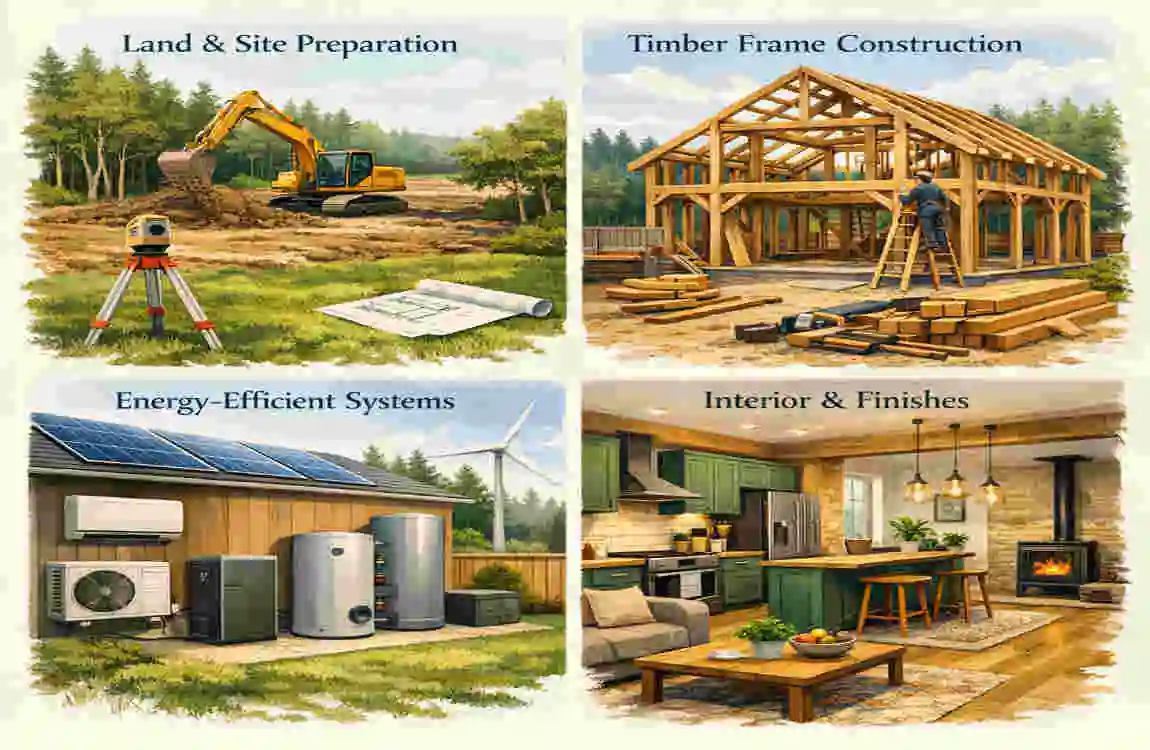
The cost of a sustainable timber-frame house depends on many factors. These include the size of the home, the quality of materials, the complexity of the design, and the local labor market.
Material prices vary based on timber type, insulation, roofing, windows, and interior finishes. Labor and installation costs can also change depending on how much work is done on-site versus off-site.
Sustainable features like solar panels, rainwater systems, and high-performance windows can raise the upfront cost, but they often provide savings over time.
Typical Cost Factors
Cost FactorWhat Affects ItWhy It Matters
Land Location, size, and site condition Set the base cost of the project
Timber Type, certification, and availability impact both sustainability and price
Labor Local rates and build complexity Can be a large part of the total cost
Insulation and windows Performance level and materials Strongly affect energy bills
Sustainable upgrades Solar, water systems, smart tech Increase upfront cost but may lower long-term expenses
The best way to control cost is to plan carefully, compare options, and focus on value rather than the lowest price alone.
Frequently Asked Questions (FAQ)
How to build a timber frame house?
Start by designing the home, selecting sustainable timber, preparing the foundation, constructing the frame, installing insulation, and completing interior finishes.
Is a timber frame house environmentally friendly?
Yes. Timber is a renewable resource and stores carbon, making it one of the most sustainable building materials available.
How long does it take to build a timber frame house?
Most timber frame homes take between 4 and 8 months to build, depending on size, design, and weather conditions.
Are timber frame houses energy efficient?
Yes. Timber frame homes can achieve excellent insulation levels, reducing heating and cooling costs.
What is the lifespan of a timber frame house?
With proper maintenance, a timber frame house can last well over 100 years.
Is building a timber frame house cheaper than a traditional house?
Costs vary by location and materials, but timber frame construction can reduce labor time and improve long-term energy savings.
| Step | Description | Sustainability Benefit |
|---|---|---|
| Choose Certified Timber | Use responsibly sourced wood from certified forests. | Reduces environmental impact and supports sustainable forestry. |
| Design for Energy Efficiency | Incorporate proper insulation, airtight construction, and passive solar design. | Lowers energy consumption and utility costs. |
| Use Eco-Friendly Materials | Select low-VOC paints, recycled materials, and natural finishes. | Improves indoor air quality and reduces waste. |
| Optimize Insulation | Install high-performance wall, roof, and floor insulation. | Minimizes heat loss and enhances comfort. |
| Install Renewable Energy Systems | Add solar panels, heat pumps, or other renewable technologies. | Reduces reliance on fossil fuels and lowers emissions. |
| Maximize Natural Light | Include large windows and strategic room placement. | Decreases the need for artificial lighting. |
| Implement Water-Saving Features | Use rainwater harvesting systems and low-flow fixtures. | Conserves water and reduces utility bills. |
| Reduce Construction Waste | Recycle materials and plan efficient material usage. | Keeps waste out of landfills. |
| Use Durable Building Methods | Choose quality materials and weather-resistant finishes. | Extends the home’s lifespan and reduces maintenance. |
| Obtain Green Building Certification | Follow recognized sustainability standards. | Verifies environmental performance and increases property value. |
