

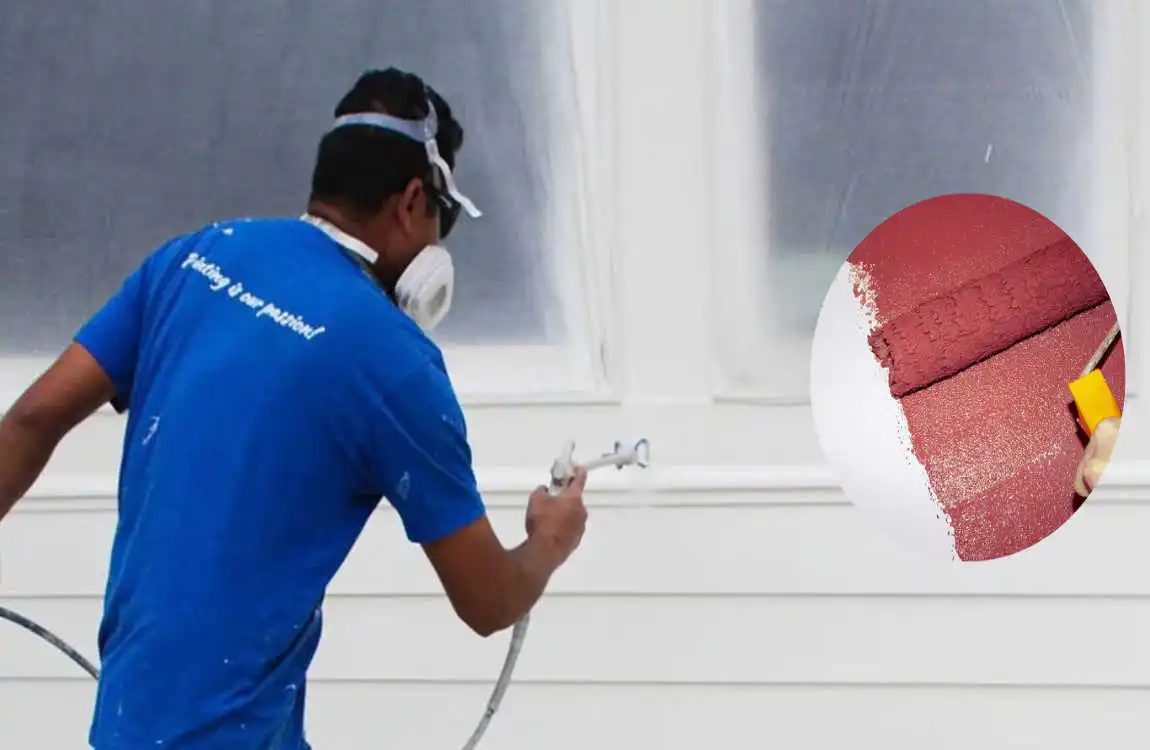
Choosing the right paint can make a big difference in how your home looks, feels, and smells. Exterior and interior paints may look similar in the can, but they are made for different environments.
If you are wondering what happens if you use exterior paint inside, the answer depends on the specific product. Exterior paint can have stronger odors, different additives, and curing requirements that make it less suitable for indoor spaces.
Using the wrong paint doesn’t always mean you must remove it immediately. However, you should check the product label, improve ventilation, and follow the manufacturer’s instructions.
What Is Exterior Paint?
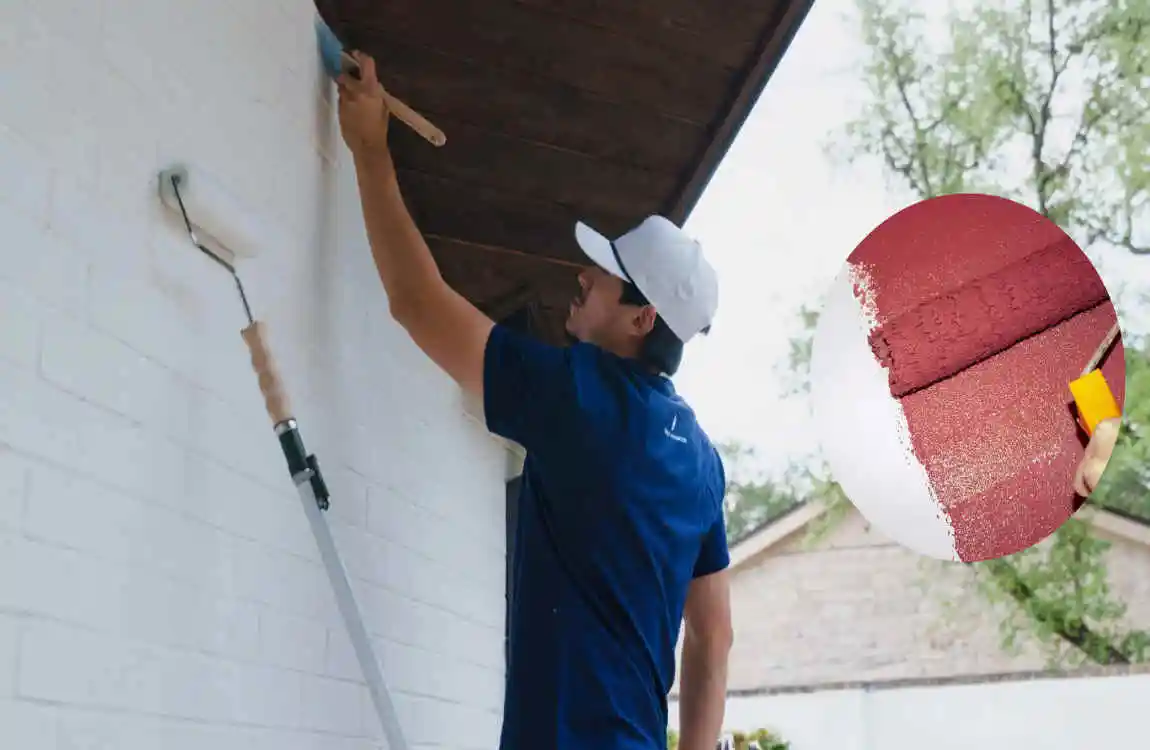
Exterior paint is made for surfaces that face sunlight, rain, humidity, temperature changes, and general outdoor exposure. People commonly use it on siding, exterior walls, doors, trim, fences, and other outdoor surfaces.
Manufacturers design exterior coatings to remain stable when exposed to changing weather. They may include ingredients that improve flexibility, moisture resistance, mildew resistance, or fade resistance.
Interior paint has a different job. It needs to perform well in a controlled indoor environment where people live, sleep, cook, and spend time every day.
Simply put, exterior paint protects outdoor surfaces, while interior paint is designed for indoor living spaces.
This difference is important when choosing paint for bedrooms, living rooms, kitchens, bathrooms, and children’s rooms.
What Happens If You Use Exterior Paint Inside?
So, what happens if you use exterior paint inside? Several things may happen, depending on the formula and the room.
Stronger Odors and Fumes
Some exterior paints can produce noticeable odors while they are being applied and during curing. The smell may be particularly unpleasant in a small room with limited airflow.
Opening windows and doors can help improve ventilation when appropriate, but always follow the product’s instructions.
Indoor Air-Quality Concerns
Paint formulations can contain volatile organic compounds, commonly called VOCs. The amount varies by product.
Exterior paint is not automatically unsafe simply because it is exterior paint. However, a product designed for outdoor use may not have been formulated or tested for occupied indoor spaces.
That is why the label matters.
Different Drying and Curing Behavior
Paint may feel dry on the surface but still need additional time to cure. Temperature, humidity, ventilation, and the coating type can all affect this process.
Using an exterior product indoors may therefore require more attention to the manufacturer’s drying and curing instructions.
Indoor Finish May Not Be Ideal
Exterior paint is designed around outdoor performance rather than the specific needs of interior walls.
You may notice differences in texture, sheen, odor, or surface feel. The finished wall might not provide the appearance or easy-cleaning performance you expected from a quality interior coating.
Bedrooms and poorly ventilated rooms deserve particular attention because people spend extended periods in these spaces.
Exterior Paint vs. Interior Paint
Exterior and interior paints can look almost identical before application, but their intended uses are different.
Differences in Ingredients
Paint generally contains pigments, binders or resins, liquids, and various additives. The exact combination depends on the product.
Exterior formulas are designed to cope with outdoor conditions. Interior formulas are developed around indoor surfaces and everyday household use.
This is one reason you shouldn’t assume one type of paint can replace the other.
Differences in Durability
Exterior paint must withstand sun, rain, humidity, and temperature changes.
Interior paint generally focuses more on regular household activities, such as cleaning, touching, washing, and normal wear.
A durable outdoor coating isn’t necessarily the best choice for an indoor wall.
Differences in Finish and Appearance
Interior paints are available in finishes such as matte, eggshell, satin, and semi-gloss. These finishes help homeowners create different appearances and levels of washability.
Exterior paints also come in different finishes, but their performance priorities can be different.
FeatureExterior PaintInterior Paint
Designed for Outdoor surfaces Indoor surfaces
Weather resistance High Lower
Indoor use Usually not recommended Recommended
Odor/VOC considerations Can vary Formulated with indoor use in mind
Cleaning Depends on product Often designed for regular cleaning
Is Exterior Paint Safe to Use Inside?
There is no single answer for every exterior paint because formulations vary by manufacturer and product.
The safest approach is to read the label and product information before using any coating indoors.
Check the Product Information
Look for approved surfaces and application locations. If the manufacturer does not approve the product for indoor use, do not assume that it is suitable simply because it works well outside.
Consider VOCs and Ventilation
Some paints release vapors during application and curing. Good ventilation can help reduce the concentration of airborne vapors.
Follow the manufacturer’s ventilation instructions rather than relying on a general rule.
Think About Children and Pets
If children or pets use the room regularly, take extra care with ventilation and curing time.
It is also sensible to avoid occupying the freshly painted space until the product instructions say it is safe.
What If You Already Applied It?
Do not panic.
First, identify the exact paint product. Check its label and instructions. Improve ventilation as recommended and allow the coating to cure.
If the product information does not clearly address indoor use, contact the manufacturer for specific guidance.
For a large room or whole-house application, professional advice may help you decide whether you need to repaint.
Where Should You Use Exterior Paint?
Exterior paint is generally intended for outdoor surfaces.
Exterior Walls and Siding
Many exterior wall and siding materials require coatings that can withstand changing weather conditions.
Doors and Outdoor Trim
Exterior doors, frames, trim, and similar surfaces may benefit from products specifically designed for outdoor exposure.
Fences and Outdoor Structures
Fences and other outdoor structures are commonly exposed to moisture and sunlight, so exterior coatings are useful when the product is approved for the material.
Wood, Masonry, and Metal
Exterior products can be available for wood, masonry, and metal surfaces. However, you should always check whether the specific paint is suitable for the material.
Using leftover exterior paint inside to avoid waste is generally not a good reason to ignore the product’s intended application.
What Should You Do If You Accidentally Used Exterior Paint Inside?
If you have already used exterior paint indoors, take a few practical steps.
Stop Painting
Stop using the product until you can confirm whether it is approved for the surface and location.
Check the Label
Find the exact product name and read its application, safety, ventilation, and curing instructions.
Improve Ventilation
Where appropriate, open windows and doors and allow fresh air to circulate. Follow the manufacturer’s ventilation instructions.
Allow Proper Curing
Don’t assume paint is fully cured just because it feels dry. Give it the time the manufacturer specifies.
Contact the Manufacturer
If the instructions are unclear, contact the paint manufacturer and ask whether the product is suitable for interior use.
Consider Repainting When Appropriate
If the product is clearly not intended for interior use, consider repainting with a suitable interior product.
However, don’t start sanding or removing the coating without understanding the existing paint and the recommended preparation method.
How to Choose the Right Paint for Indoor Projects
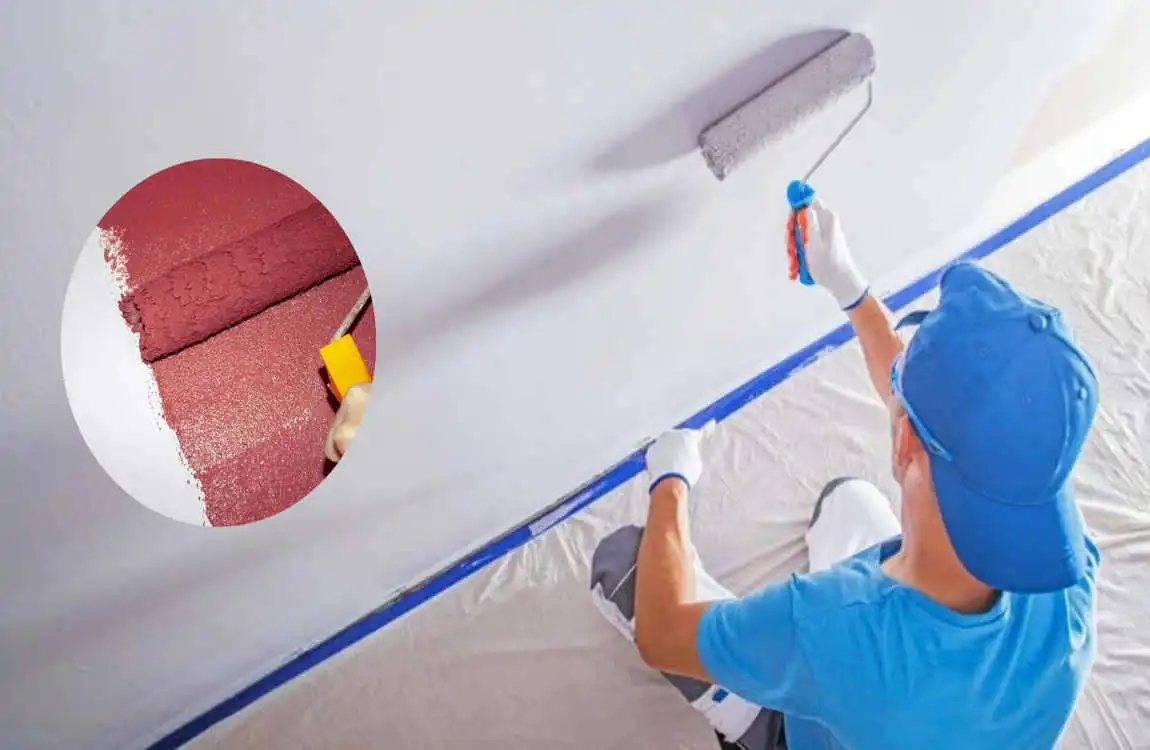
Choosing interior paint becomes easier when you consider the room, surface, finish, and product instructions.
Check the Paint Label
Always look for information confirming that the product is approved for interior applications.
The label can also tell you about preparation, ventilation, drying time, cleanup, and suitable surfaces.
Consider the Room
Different rooms have different needs.
Bedroom: Choose a product suitable for an occupied sleeping area and follow ventilation instructions carefully.
Living room: A durable, attractive interior finish is usually the main consideration.
Kitchen: Washability and resistance to everyday marks can be useful.
Bathroom: Consider humidity and moisture when selecting the coating.
Children’s room: Pay particular attention to product instructions, ventilation, and appropriate indoor-use specifications.
Choose the Right Finish
Matte: Creates a soft appearance and can help hide minor wall imperfections.
Eggshell: Offers a subtle sheen and is commonly considered for living areas.
Satin: Provides more sheen and can be easier to clean.
Semi-gloss: Often chosen for areas where a harder, more washable surface is useful.
Consider Odor and Ventilation
For indoor projects, choose products intended for indoor environments and follow the manufacturer’s recommendations for ventilation and curing.
A low-odor product can be more comfortable to use, but low odor does not automatically mean zero emissions. Always follow the product’s instructions.
Frequently Asked Questions About Exterior Paint Inside
What happens if you use exterior paint inside?
You may experience stronger odors, different curing behavior, and a less ideal indoor finish. The exact result depends on the specific product, so always check its label and manufacturer instructions.
Can exterior paint be used on indoor walls?
Generally, it is not the preferred choice unless the manufacturer specifically approves the product for interior use. Interior walls are better served by products designed for indoor environments.
Is exterior paint more toxic than interior paint?
Not necessarily. Paint formulations differ, and the terms interior and exterior alone don’t tell you the full safety profile. Check the specific product’s safety and application information.
How long should you ventilate after using exterior paint indoors?
There is no universal time. Ventilation requirements vary by product, room conditions, and the manufacturer’s instructions.
Can you paint over exterior paint with interior paint?
It may be possible, but the existing coating should be properly cured and prepared first. Check compatibility and follow the recommendations for the interior paint you plan to use.
What should I do if my whole room was painted with exterior paint?
First, identify the exact product and review its instructions. Ventilate the room as directed and contact the manufacturer if indoor use is unclear. Consider repainting if the product is not approved for interior use.
Can exterior paint be used on an interior door?
Do not assume it is suitable. Check whether the manufacturer specifically approves the product for interior doors or indoor applications.
| Aspect | Information |
|---|---|
| Main Use | Exterior paint is designed for outdoor surfaces and weather exposure. |
| Can It Be Used Inside? | Generally, it is not recommended for interior walls or rooms. |
| Durability | Exterior paint is highly resistant to moisture, sunlight, and temperature changes. |
| Finish | It may have a different texture or appearance than interior paint. |
| Odor & VOCs | Some exterior paints can release stronger fumes and are not formulated for indoor air quality. |
| Best Interior Choice | Use interior-rated paint specifically made for indoor walls and ceilings. |
