

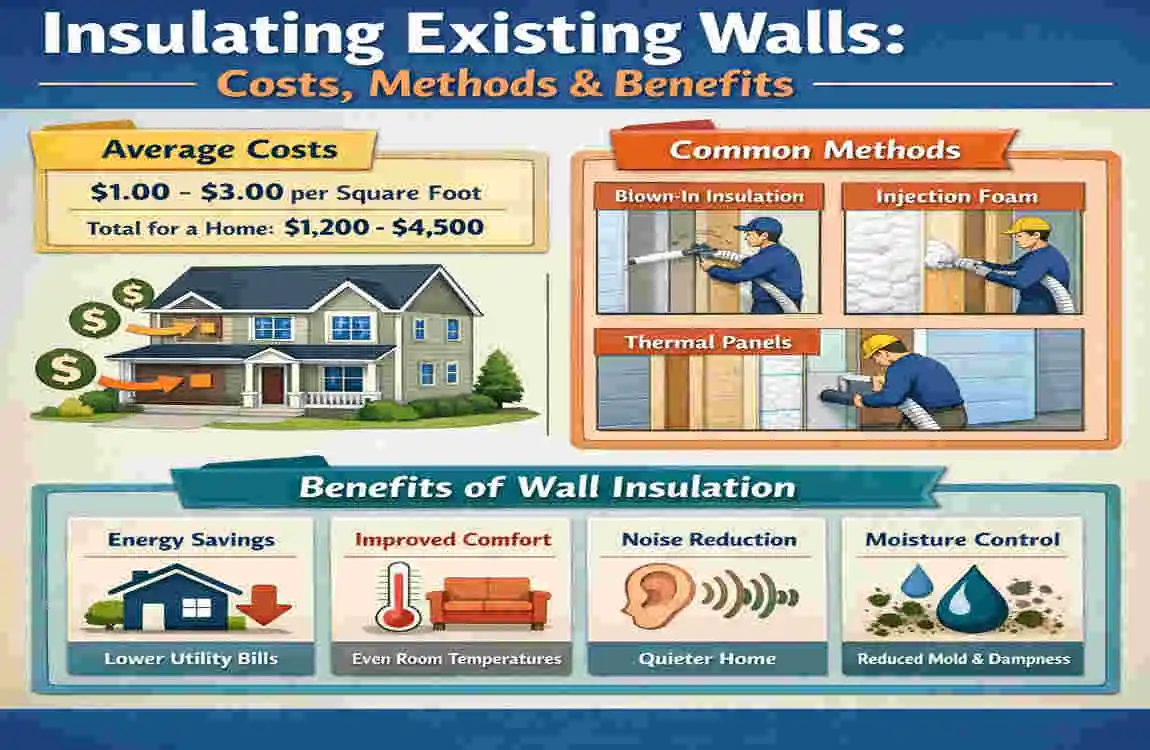
Insulating the walls in an older or already finished home can make a big difference in daily comfort. Many homeowners notice problems like high energy bills, cold rooms, outside noise, drafts, and even moisture issues. These problems often happen because the walls are not doing enough to hold in heat or block sound.
The good news is that you do not always need to rebuild your home to fix this. There are practical ways to improve wall insulation in an existing house, and many of them work well during renovations or small updates.
Why Should You Insulate Existing Interior Walls?

Improve Energy Efficiency
Good insulation helps keep warm air inside during winter and hot air outside during summer. That means your heating and cooling system does not need to work as hard. Over time, this can make your modern home run more efficiently and more comfortably.
Reduce Energy Bills
When your home keeps temperature better, you use less energy. That usually means lower monthly utility bills. Even small insulation upgrades can add up to real savings over time.
Increase Home Comfort
Uninsulated walls often feel cold or uneven. Some rooms may be too warm while others stay chilly. Insulation helps keep indoor temperatures more balanced, so your living space feels more comfortable all year.
Improve Soundproofing
Wall insulation does more than control temperature. It also helps reduce noise between rooms. This is especially useful in bedrooms, offices, kids’ rooms, and entertainment spaces where peace and privacy matter.
Can You Insulate Interior Walls in an Existing House?
Yes, you can. In many cases, it is completely possible to add insulation to existing walls. The main challenge is that finished walls are already closed, so access is more limited than in new construction.
Challenges of Insulating Existing Walls
The biggest issue is access. Since the wall is already built, installers may need to open part of it, drill small holes, or work around wiring and plumbing. This requires careful planning and the right method.
You may also need repairs after the insulation is installed. That can include patching drywall, repainting, or sealing gaps.
Best Time to Add Interior Wall Insulation
The best time is usually during a remodeling project. If you are already opening walls for new drywall, electrical work, or plumbing updates, adding insulation becomes much easier and often more affordable.
How to Insulate Interior Walls in an Existing House
Inspect Existing Walls
Start by checking the wall condition. Look for signs of moisture, damage, cracks, or weak spots. If the wall has leaks or mold, those problems should be fixed first.
It also helps to find out whether the wall already has some insulation. In older homes, the answer is often no, or the existing insulation may be thin and worn out.
Choose the Right Insulation Method
There are several common ways to insulate existing walls:
- Blown-in insulation
- Spray foam insulation
- Fiberglass batts
- Foam board insulation
Each one works best in different situations. The right choice depends on your wall type, budget, and how much repair work you want to do.
Prepare the Wall Area
Some methods need access through small holes, while others may require part of the drywall to come off. Before installing anything, make sure electrical wiring and plumbing are protected.
If the wall has moisture damage, repair that first. Insulation should go into a clean, dry space.
Install the Insulation
The installation method depends on the material.
- Blown-in insulation is often added through drilled holes.
- Spray foam expands inside the wall and fills gaps.
- Fiberglass batts are placed inside open wall cavities.
- Foam board is usually used during renovation when the wall surface is open.
The goal is to make sure the insulation fits properly and covers the space. Repair and Finish Walls.
After the insulation is in place, the wall needs to be closed again if it was opened. Then the surface should be sealed, patched, painted, or refinished.
A careful finish matters because even small gaps can reduce the insulation’s performance.
Best Types of Insulation for Existing Interior Walls
Insulation Type Benefits Average Cost
Fiberglass Batts Affordable and easy to install Low
Blown-In Cellulose Great for existing walls Medium
Spray Foam Excellent air sealing High
Rigid Foam Board High insulation value Medium
Fiberglass Insulation
Fiberglass is one of the most affordable choices. It is widely used and easy to find. It works best when the wall cavity is already open.
Pros: low cost, common, easy to use
Cons: not ideal for sealed walls, can leave gaps if installed poorly
Blown-In Cellulose Insulation
This is one of the most popular methods for older homes. It is often installed through small holes in the wall, which makes it a good choice for finished rooms.
Pros: works well in existing walls, good coverage, reasonable price
Cons: can settle over time if not installed correctly
Spray Foam Insulation
Spray foam creates a strong air seal and gives excellent performance. It is available in open-cell and closed-cell forms.
Pros: great air sealing, strong insulation, helps with moisture control
Cons: higher cost, usually best left to professionals
Foam Board Insulation
Foam board is usually used during remodeling or in walls that are already open. It offers good insulation value and works well in renovation projects.
Pros: strong thermal performance, useful in upgrades
Cons: not always practical for fully finished walls
Cost to Insulate Existing Interior Walls
Average Insulation Installation Cost
The cost of insulation depends on several things, including:
- Home size
- Wall accessibility
- Insulation type
- Labor costs
A small room will cost less than a full home. Walls that are easy to reach will also be cheaper than walls that need repairs or special work.
Cost Breakdown by Insulation Type
Insulation Method Estimated Cost Range
Fiberglass $
Blown-In Insulation $$
Spray Foam $$$
Foam Board $$
Factors That Affect Insulation Costs
The final price often changes based on:
- How many rooms need work
- Whether old materials must be removed
- If drywall repairs are needed
- The cost of hiring a professional
In general, spray foam costs more, while fiberglass and blown-in cellulose are usually more budget-friendly.
DIY vs Professional Interior Wall Insulation
DIY Insulation Advantages
Doing the job yourself can save money on labor. It may work well for small projects or walls that are easy to access.
DIY is often a good fit if you already have basic home improvement skills and the insulation method is simple.
When to Hire a Professional
A professional is usually the better choice when:
- The project is large
- You want spray foam insulation
- The walls may have moisture or structural problems
- Electrical or plumbing systems are involved
A pro can also help make sure the insulation is installed evenly and safely.
Common DIY Mistakes to Avoid
- Leaving gaps in the wall cavity
- Compressing insulation too much
- Ignoring air leaks
- Using the wrong insulation material
These mistakes can reduce performance and waste money.
Benefits of Adding Insulation to Existing Interior Walls
Lower Heating and Cooling Costs
Better insulation helps your home hold temperature longer. That means your HVAC system does not need to run as often, which can lower energy use.
Better Indoor Air Quality
Insulation can help limit drafts and reduce the movement of outdoor air and pollutants. It can also help control moisture, which is important for a healthier indoor space.
Increased Home Value
Energy-efficient homes are often more attractive to buyers. Good insulation can make your home feel newer, more comfortable, and better maintained.
More Peaceful Living Environment
If you share walls between rooms, insulation can make the modern home feel quieter. That adds privacy and improves everyday living.
Common Mistakes When Insulating Existing Walls
Ignoring Moisture Issues
Never insulate over water damage or mold. Fix leaks first, or the problem may get worse later.
Choosing the Wrong Insulation
Not every wall needs the same material. The best choice depends on your climate, wall type, and budget.
Poor Air Sealing
Insulation works better when gaps and cracks are sealed. Without air sealing, heat can still escape.
Installing Without Proper Planning
It is always smart to inspect the walls and plan. That helps avoid hidden problems and extra repairs.
How Much Insulation Does an Existing Wall Need?
Understanding R-Value
R-value tells you how well insulation resists heat flow. A higher R-value means better insulation performance.
Choosing the Right R-Value
The right level depends on your climate, the type of wall, and how much heating or cooling your home needs. Colder areas usually need higher R-values, while milder climates may need less.
Maintenance Tips After Installing Wall Insulation
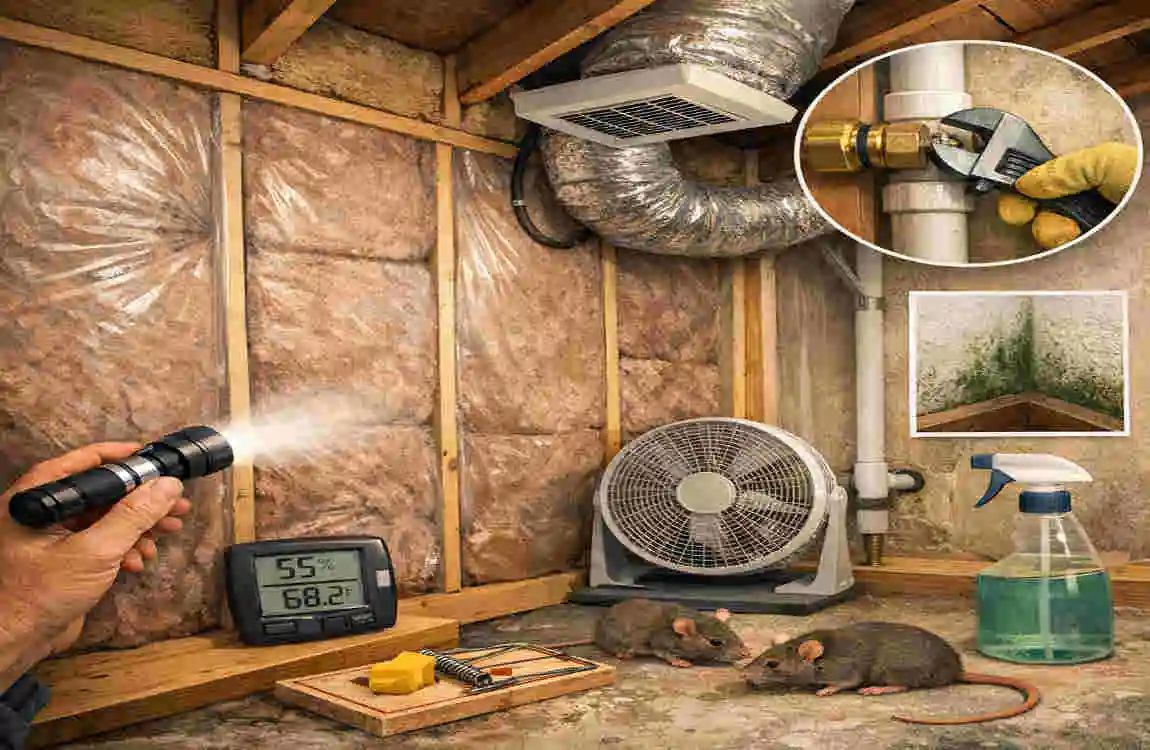
After the insulation is installed, keep an eye on your walls and luxury home performance.
- Check for moisture problems
- Seal any new cracks or gaps
- Watch your energy bills for changes
- Inspect walls during future renovations
Good maintenance helps your insulation last longer and work better.
Frequently Asked Questions
Can you insulate interior walls without removing drywall?
Yes. Methods like blown-in insulation can be added through small holes, so you do not always need to remove the whole wall.
What is the cheapest way to insulate existing walls?
Fiberglass batts and blown-in cellulose are usually the most affordable options.
How much does it cost to insulate existing interior walls?
The cost depends on wall size, insulation type, labor, and whether drywall repairs are needed.
Is spray foam insulation worth it for existing walls?
Yes, if you want strong air sealing and high performance. It costs more, but it can work very well.
Does wall insulation reduce noise?
Yes. Adding insulation to interior walls can reduce sound transfer between rooms and make your home quieter.
| Aspect | Information |
|---|---|
| Average Cost | Around $1.50–$7 per square foot, depending on insulation type, wall condition, and installation method |
| Common Methods | Blown-in insulation, spray foam insulation, injection foam, rigid foam panels, and exterior insulation systems |
| Blown-In Insulation | Cost-effective option that fills wall cavities without major demolition; ideal for older homes |
| Spray Foam Insulation | Provides excellent air sealing and high insulation value but costs more than traditional methods |
| Rigid Foam Boards | Often used during exterior renovations to improve energy efficiency and moisture control |
| Main Benefits | Lower energy bills, improved indoor comfort, reduced noise, and better temperature control |
| Best Time to Install | During remodeling, siding replacement, or when upgrading home energy efficiency |
| Potential Challenges | Limited access to wall cavities, moisture issues, and higher upfront installation costs |
| Long-Term Value | Can increase home comfort, improve efficiency, and potentially raise property appeal |
