

Air trapped in water pipes is a common plumbing problem in many homes. It can make your taps sputter, your shower spray unevenly, and your pipes sound loud and annoying. If you have ever turned on a faucet and heard a burst of air before the water came out, you have already seen the problem in action.
The good news is that this issue is often easy to fix. In many cases, you do not need special tools or advanced plumbing skills. With a few simple steps, you can push the air out of the system and restore steady water flow.
This matters because trapped air is not just noisy. It can also make water pressure feel low, create stress on the plumbing system, and indicate a bigger issue, such as a leak or a valve problem. That is why it is smart to deal with it quickly.
What Causes Air in Water Pipes?
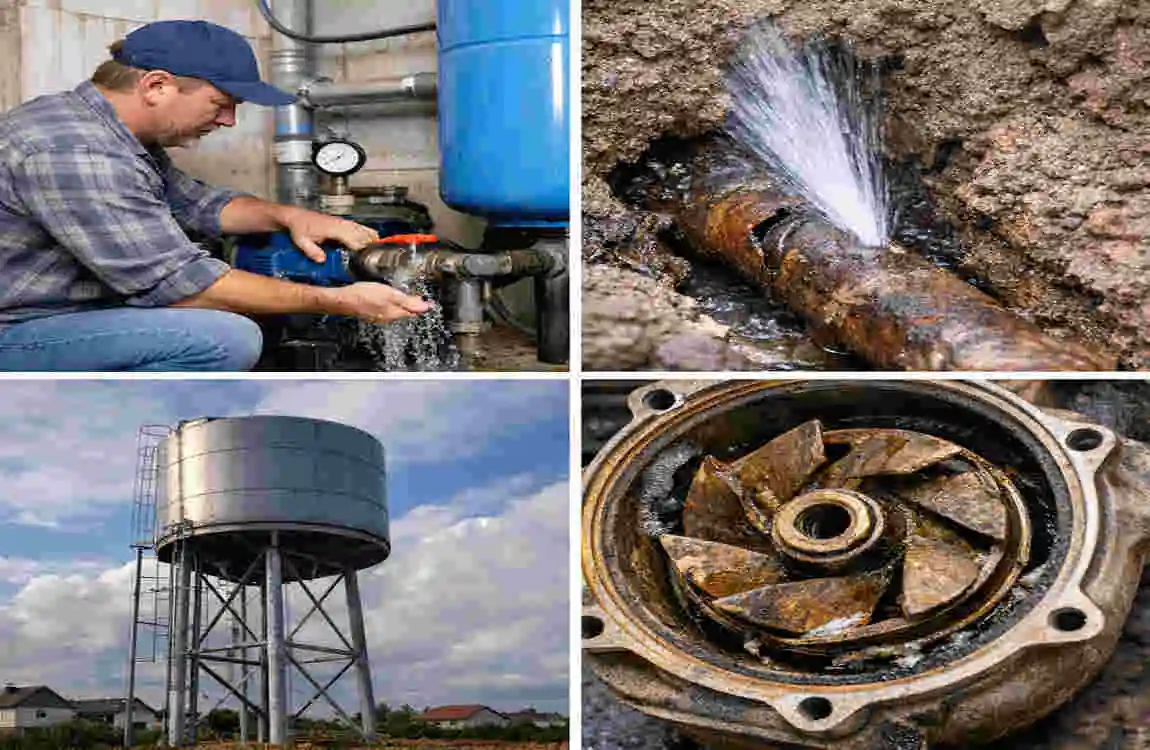
Air gets into water pipes for a few common reasons. Sometimes it is temporary and harmless. Other times, it keeps coming back because there is a plumbing issue that needs attention.
Water Supply Interruptions
If the water supply has been shut off by your utility company or turned off for repairs, air can enter the pipes while the lines are empty. When water starts flowing again, the air moves through the system, causing sputtering or banging.
This is one of the most common reasons homeowners suddenly notice the problem. If the issue started right after a water outage, this is likely the cause.
Pipe Leaks or Loose Fittings
Tiny leaks can let air into the system, especially in older homes or pipes with worn joints. Loose connections can do the same thing. Even if the leak is small enough that you do not see water on the floor, it can still affect how the pipes perform.
Plumbing Repairs or Maintenance Work
If someone recently repaired a pipe, replaced a faucet, or worked on your water lines, air may have entered during the process. This is normal for a short time and usually clears out after flushing the system.
Faulty Valves or Pressure Issues
Valves help control water movement, and pressure helps keep water flowing smoothly. If a valve is not working right or your water pressure is too high or too low, air can stay trapped in the pipes longer than it should.
Why does it keep happening in some homes?
Some homes deal with this problem repeatedly due to outdated plumbing, hidden leaks, or poor pressure control. In those cases, removing the air helps for now, but the real cause may still be there.
Signs You Have Air in Your Water Pipes
Air in the plumbing system usually gives clear warning signs. Once you know what to look for, you can tell the difference between trapped air and a more serious plumbing issue.
Symptom: What It Usually Means
Banging or knocking pipes: Air is moving through the line, or water is hitting the pipe suddenly.
Sputtering faucet: Air is escaping before water flows normally
Weak or uneven pressure. Air pockets may be blocking smooth water flow
Bursts of air in the shower. Air is trapped in the pipe and coming out with the water.
Noisy Pipes
If your pipes make knocking, banging, or rattling sounds when you turn on water, air may be the reason. These sounds often happen when water moves through sections of pipe that still contain air pockets.
Sputtering Faucets
A faucet that spits air before water comes out is one of the clearest signs. You may notice it at the kitchen sink, bathroom sink, or showerhead.
Irregular Water Pressure
If the water starts strong, then weakens, then strengthens again, trapped air could be affecting the flow. This is especially common after plumbing work or a water outage.
Air Bursts in Shower or Taps
When air escapes in short bursts, it can feel like the faucet is coughing. This is usually harmless, but it is annoying and worth fixing.
How to Remove Air from Water Pipes in a House
Here are the best ways to clear the air from your plumbing system. You can try these in order, starting with the simplest one.
Turn On All Faucets Simultaneously
This is one of the easiest and most effective methods.
Steps to follow
- Turn on all cold water faucets in your home.
- If possible, also turn on hot water taps.
- Start with the highest floor or the highest fixtures in the house.
- Let the water run for a few minutes.
- Watch for sputtering to stop and for the flow to become smooth.
Why it works
When all faucets are open, air has more paths to escape. The water pushes the air through the system rather than letting it remain trapped in one spot.
Best tip
Do not just open one faucet and wait. Using more than one tap helps move the air out faster.
Flush the Plumbing System
If the first method does not fully work, flushing the system can help.
Steps to follow
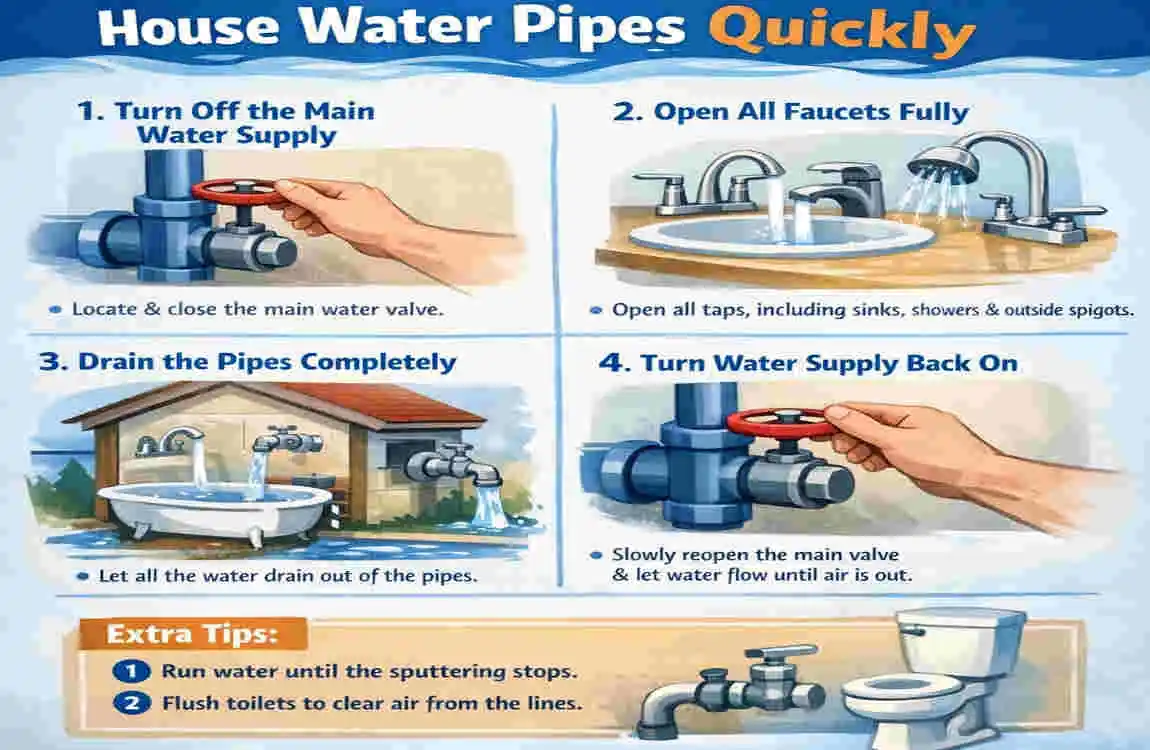
- Turn off the main water supply.
- Open all faucets in the house.
- Let the remaining water drain out completely.
- Leave the taps open for a few minutes.
- Close the faucets.
- Turn the main water supply back on slowly.
- Let the water run again until the air is gone.
This method helps clear both the air and any loose debris that may be inside the lines.
Work from the top to the bottom of the House.
If you live in a two-story or multi-story home, this step is very useful.
Why this helps
Air naturally rises. That means the highest fixtures often hold the most trapped air. If you start upstairs and then move downward, you give the air a clear way out.
Simple order to follow
- Start with the top-floor bathroom sink
- Then flush the top-floor shower or tub
- Move to lower floors
- Finish with the lowest faucets in the home
This approach often clears the system more quickly than random flushing.
Use Outdoor Spigots
If your home has outdoor spigots, they can help too.
Outdoor taps sometimes release trapped air faster because they are at a lower point in the system, which can help draw air through the line. Open them while flushing the system to improve flow.
Just make sure you do not create a backflow problem. If your plumbing setup is old or unusual, keep an eye on the water flow while doing this.
Check and Adjust Water Pressure
Sometimes the air problem is linked to pressure.
What pressure should feel like
Most homes work best with steady, moderate water pressure. If pressure is too high, it can make pipes noisy. If it is too low, air may not move out properly.
What to do
If you suspect pressure issues, check whether all faucets feel weak or noisy. If pressure seems off throughout the house, the pressure regulator may need attention. In that case, the plumbing system may need a closer look.
How to Fix Persistent Air in Water Pipes
If the air keeps coming back, the problem may be deeper than a simple air pocket. At this point, it is smart to inspect the plumbing more carefully.
Check for Hidden Leaks
Look under sinks, around exposed pipes, near the water heater, and around valves. Even a small leak can let air into the pipes over time.
Inspect Plumbing Joints and Valves
Loose joints and worn valves are common trouble spots. If a connection is not sealed properly, air can slip into the line every time the water pressure changes.
Look for Faulty Pressure Regulators
A bad pressure regulator can cause uneven flow and make air problems worse. If your home suddenly has strange pressure changes, this part may need repair or replacement.
When to Suspect Main Water Line Issues
If the problem affects the whole house, not just one sink or shower, the main water line may be involved. This is more serious and usually needs professional help.
Signs you may need a plumber
- Air returns often after you flush the pipes
- Several faucets sputter at the same time
- You hear strong banging sounds
- Water pressure keeps changing
- You notice leaks or damp spots
Preventing Air in Water Pipes in the Future
Once you clear the air out, a few simple habits can help keep the problem from coming back.
Regular Plumbing Maintenance
Check your water pipes, valves, and faucets from time to time. Small issues are easier to fix before they turn into bigger ones.
Proper Valve Handling During Repairs
Suppose you shut off the water for repairs; open and close valves slowly. Sudden changes can pull more air into the system.
Installing Air Release Valves
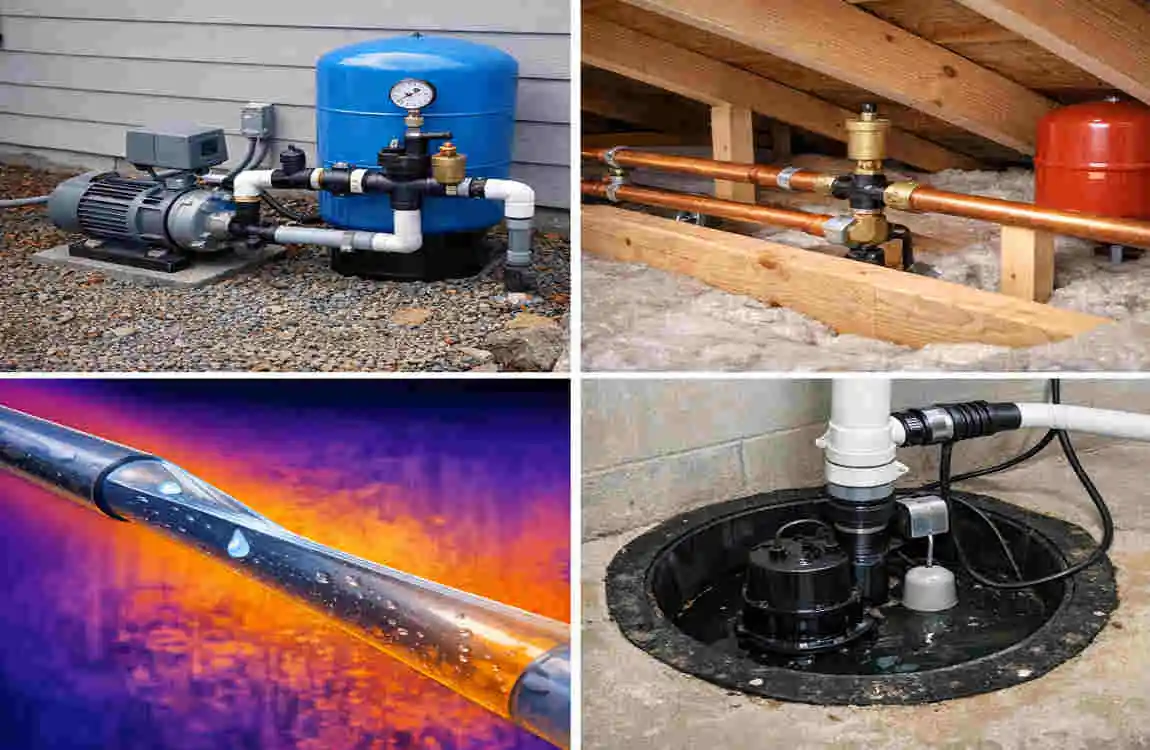
In some homes, an air release valve can automatically remove trapped air. This is especially useful in systems that often collect air.
Monitoring Water Pressure Regularly
Keep an eye on how your water feels. If pressure changes often, it may point to a problem before it becomes serious.
FAQ
Why is there air in my water pipes suddenly?
Air usually gets in after a water outage, plumbing repair, or a small leak in the system.
Is air in water pipes dangerous?
No, it is usually not dangerous. It is more of a nuisance, but it can point to a plumbing issue if it keeps happening.
How long does it take to remove air from pipes?
Most homes clear the air in 5 to 15 minutes using basic flushing methods.
Can air in pipes damage plumbing?
Over time, yes. It can add stress to joints, cause noise, and sometimes indicate a larger issue.
Why does my tap sputter when I turn it on?
Sputtering happens when trapped air escapes along with the water flow.
Do I need a plumber for air in water lines?
Not always. But if the problem keeps coming back or affects the whole house, a plumber is a good idea.
| Method | How to Do It | Result | |
|---|---|---|---|
| Turn Off Main Water Supply | Shut off the main valve of your house water system | Stops pressure and prepares pipes | |
| Open All Faucets | Open taps (kitchen, bathroom, garden) starting from highest level | Releases trapped air | |
| Let Water Drain | Keep taps open for 5–10 minutes | Air bubbles escape from pipes | |
| Turn Water Back On Slowly | Reopen main valve gradually | Prevents air lock re-entry | |
| Close Faucets One by One | Start from lowest level to highest | Restores normal pressure | |
| Check Water Flow | Run each tap for a minute | Ensures smooth water flow |
