

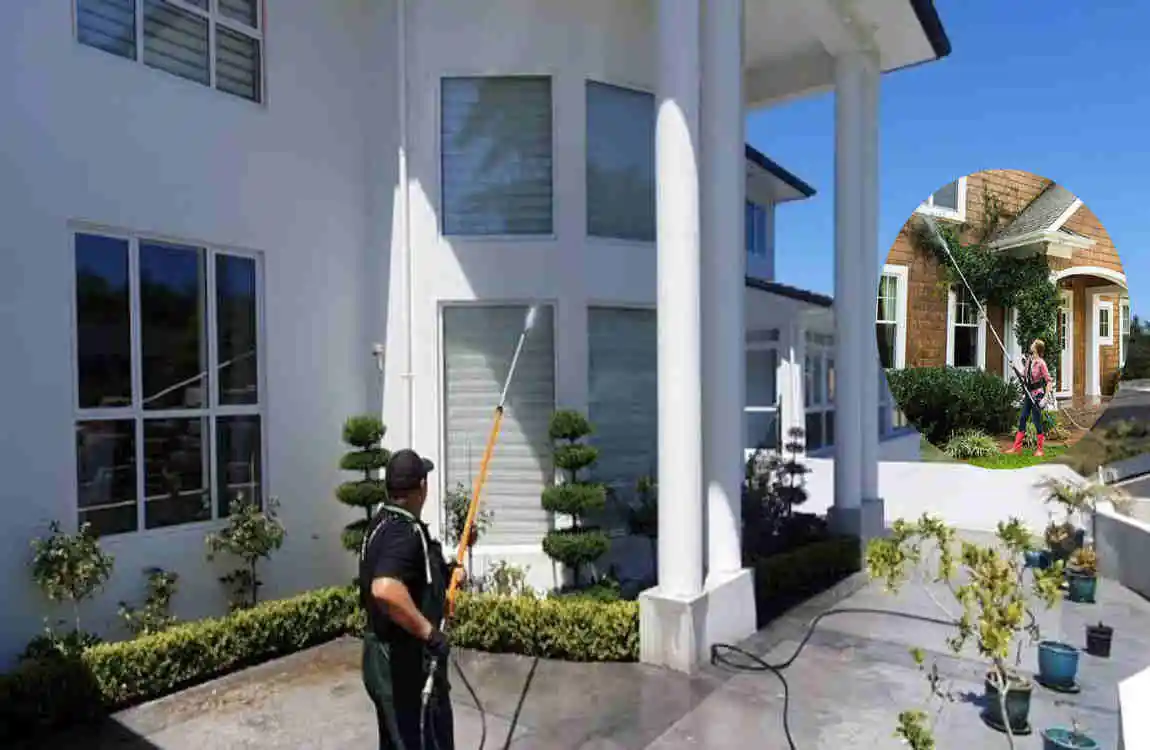
Learning how to wash exterior walls safely helps your home look fresh while protecting siding, paint, brick, and wood from damage. Dirt, dust, mould, mildew, and weather stains build up over time, but gentle cleaning with the right tools can remove them without harming your walls.
Why Cleaning Exterior Walls Matters
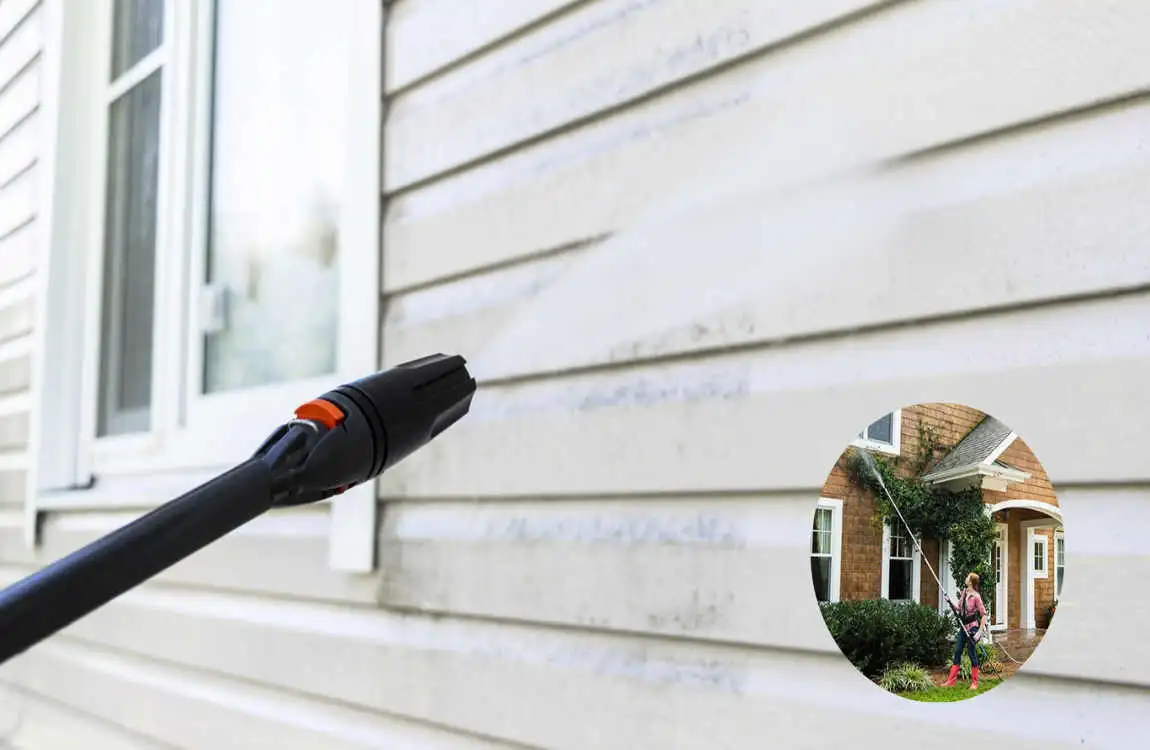
Your home’s exterior faces sun, rain, wind, dust, and moisture every day. Over time, these elements leave grime, green algae, black mildew, and water stains behind. Regular exterior wall cleaning improves curb appeal and helps you spot small problems before they become costly repairs.
Cleaning also protects your investment. Dirt and organic growth can hold moisture against siding, which may lead to staining, paint damage, or deterioration. Safe wall washing removes buildup while keeping the surface intact.
Prepare Before You Wash
Preparation makes cleaning easier and safer. Do not start spraying until you inspect the wall and protect nearby areas.
Inspect the Wall Surface
Walk around your home and look for cracks, peeling paint, loose siding, damaged mortar, or soft wood. Washing damaged areas can push water into gaps and make the problem worse. Repair obvious issues first, or avoid those spots until a professional checks them.
Gather the Right Tools
For most homes, you need:
- Garden hose with an adjustable nozzle
- Bucket and mild exterior cleaning solution
- Soft-bristle brush or long-handled scrub brush
- Sponge, clean rags, and protective gloves
- Safety glasses and sturdy footwear
- Plastic sheeting or tarps for protection
Avoid wire brushes, harsh scouring pads, and high-pressure settings on delicate surfaces. A soft brush and garden hose are often enough for routine house siding cleaning.
Protect Windows, Plants, and Outlets
Cover outdoor electrical outlets, light fixtures, and sensitive equipment. Wet nearby plants before cleaning and cover them if you plan to use a cleaning product. Move outdoor furniture away from the work area, and keep water away from window gaps, door frames, and vents.
Choose the Right Weather
Clean on a mild, cloudy day. Strong sunlight can dry soap quickly, leaving streaks and residue. Avoid cleaning during rain, strong wind, or freezing temperatures.
How to Wash House Exterior Wall Surfaces Safely
The safest method is simple: remove loose dirt, apply a mild cleaner, scrub gently, and rinse completely. Work in small sections so the solution does not dry on the wall.
Remove Loose Dirt First
Use a soft brush or a gentle garden hose spray to remove dust, cobwebs, leaves, and loose debris. This step prevents dirt from scratching the surface while you scrub.
Apply a Mild Cleaning Solution
Follow the label directions on an exterior wall cleaner. For many surfaces, a small amount of dish soap mixed with warm water can remove everyday dirt. Always test the cleaner on a small hidden area first.
Clean From Bottom to Top, Rinse Top to Bottom
Apply cleaner from the bottom up to reduce streaking. Scrub one section at a time, then rinse from top to bottom so dirty water flows over untreated areas rather than cleaned ones.
Scrub Gently and Rinse Well
Use light pressure and a soft-bristle brush. Let the cleaner sit only as long as the product label allows, then rinse thoroughly before it dries. Leftover soap can attract dirt and leave a dull film.
Let the Wall Dry
Allow the wall to dry completely. Drying often reveals missed stains, streaks, or areas that need another gentle cleaning.
Best Methods for Different Wall Materials
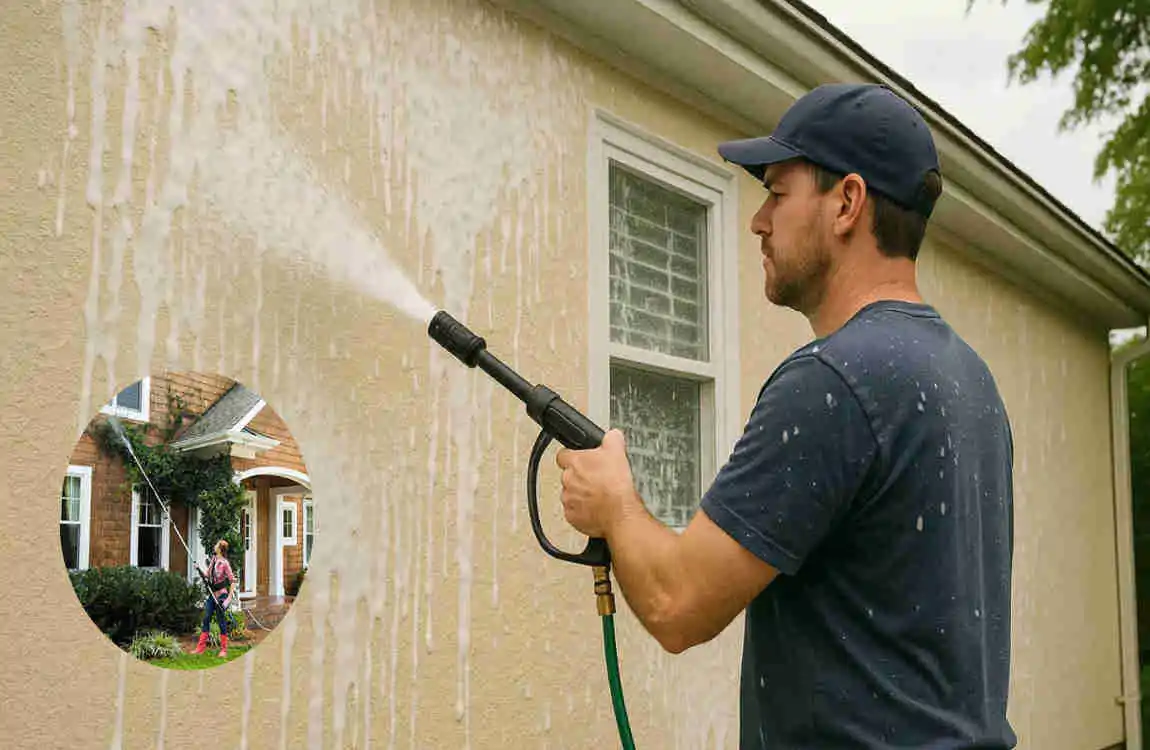
Different materials need different care. Using the wrong method can damage paint, mortar, wood, or textured finishes.
Wall Material Safe Cleaning Approach Avoid
Vinyl siding Mild soap, soft brush, gentle rinse High pressure near seams
Brick and stone Material-safe cleaner, gentle brushing Harsh acids that harm mortar
Painted walls Mild soap and low-pressure rinse Strong chemicals and abrasive scrubbing
Wood siding Minimal water, gentle cleaner, soft brush Soaking wood or high-pressure spraying
Stucco Low-pressure water and suitable cleaner Close-range pressure that damages texture
Vinyl Siding
Use mild soap, warm water, and a soft brush. Rinse gently and avoid forcing water behind the siding panels, where it can reach the wall sheathing.
Brick and Stone
Brick and stone are durable, but mortar is not. Use a masonry-safe cleaner and scrub gently. Avoid acidic cleaners unless the product specifically states it is safe for your wall type.
Painted Walls
Painted exterior walls need extra care. Harsh chemicals and strong water pressure can strip or fade paint. Use a mild solution, a soft sponge, and a gentle rinse.
Wood Siding
Wood absorbs moisture, so use as little water as possible. Clean small sections, rinse lightly, and allow the surface to dry fully. Never use high pressure on soft or older wood.
Stucco
Stucco has a textured surface that can chip or crack under strong pressure. Use low-pressure water and keep the nozzle at a safe distance, ideally at an angle rather than directly against the wall.
When to Use a Pressure Washer
A pressure washer can help with heavy dirt, algae, or mildew, but it is not always the best choice. Use it only when the wall material can handle it, and you know how to control the spray.
For painted stucco, brick, and vinyl, use a wide spray pattern and low pressure. Keep the nozzle away from gaps, windows, outlets, and siding seams. High pressure can force water behind siding, damage wood fibres, or remove paint.
Common Cleaning Mistakes to Avoid
Avoid these mistakes to protect your home:
- Using excessive water pressure or aggressive scrubbing
- Applying strong chemicals without testing them first
- Mixing bleach with ammonia or other cleaners
- Washing over cracks, loose paint, or damaged siding
- Cleaning in direct sunlight or extreme heat
- Ignoring electrical outlets and nearby power lines
- Letting cleaning solution dry before rinsing
Never mix bleach with ammonia or other cleaning products, as the combination can create poisonous gas. Use good ventilation, gloves, and eye protection when handling any cleaning chemical.
Maintenance Tips for Cleaner Walls
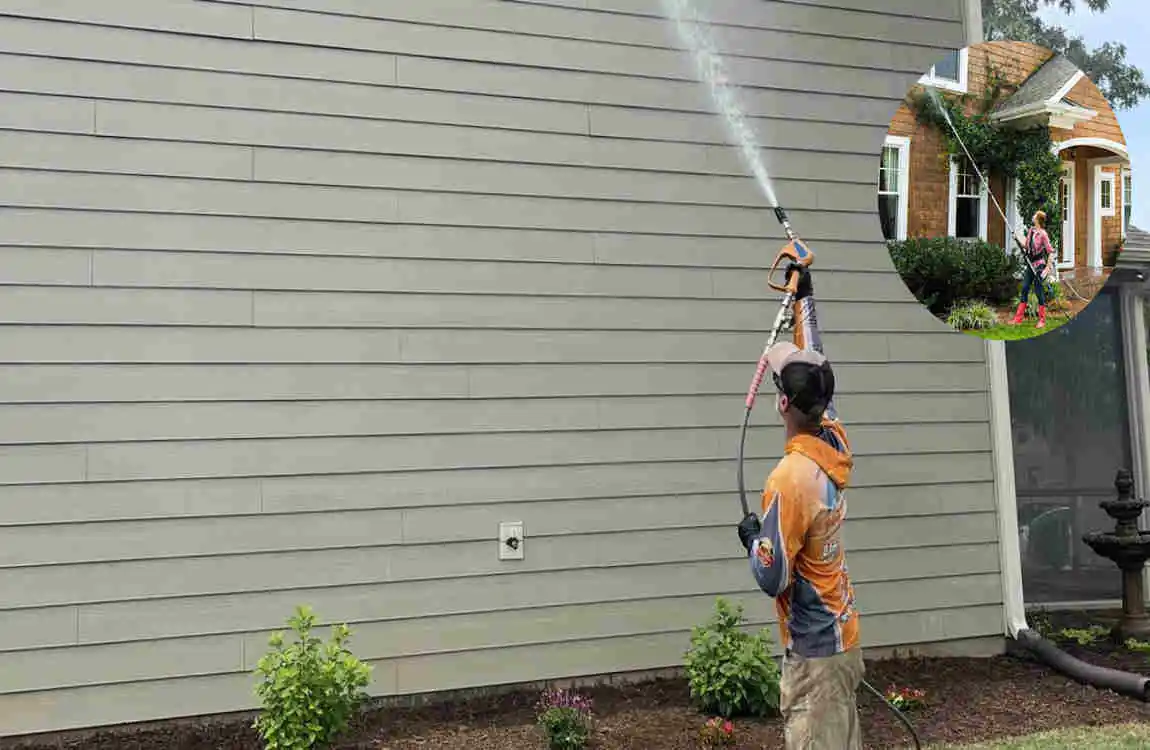
Regular maintenance keeps exterior walls cleaner for longer and reduces the need for heavy scrubbing.
- Inspect walls each season for dirt, mildew, cracks, and peeling paint
- Clean stains early before algae or mildew spreads
- Keep gutters clear to prevent dirty water from running down walls
- Trim plants and bushes away from siding
- Improve drainage so water does not collect near the foundation
Removing mildew early makes cleaning much easier. For stubborn mould or mildew, use a product specifically made for exterior surfaces and follow its safety instructions carefully.
Frequently Asked Questions
How often should you wash house exterior walls?
Most homes benefit from cleaning exterior walls once a year. Homes near trees, dusty roads, or humid areas may need more frequent cleaning.
What is the safest cleaner for exterior house walls?
A mild soap-and-water solution is usually safest for routine dirt. For mould or mildew, choose a cleaner designed for your specific wall material and follow the label.
Can you wash exterior walls with just water?
Yes. A garden hose and soft brush can remove light dust and dirt. For stains, algae, or mildew, you may need a mild cleaning solution.
Is pressure washing safe for painted walls?
It can be risky. High pressure may peel paint or force water into gaps. Use low pressure, a wide spray, and keep a safe distance.
How do you remove mould and mildew from exterior walls?
Use an exterior-safe mould and mildew cleaner, gently scrub with a soft brush, and rinse thoroughly. Do not mix cleaning chemicals.
Can you wash house walls with a garden hose?
Yes. A garden hose with a fan nozzle is a safe option for routine cleaning, especially on painted walls, wood, and delicate surfaces.
What is the best time of year to clean exterior walls?
Spring and early fall are usually ideal because temperatures are mild and walls can dry properly.
| Topic | Short Information |
|---|---|
| Best Cleaning Method | Use water, mild detergent, and a soft-bristle brush. |
| Essential Tools | Garden hose, bucket, sponge, soft brush, and protective gloves. |
| Check Wall Material | Choose a cleaning method suitable for brick, vinyl siding, stucco, or painted walls. |
| Remove Dust and Dirt | Rinse loose dirt with a garden hose before scrubbing. |
| Use Mild Cleaner | Mix mild soap with water to remove common stains safely. |
| Scrub Gently | Work from top to bottom using gentle strokes to avoid surface damage. |
| Pressure Washing | Use low pressure when suitable for the wall material; avoid fragile paint, loose mortar, and damaged siding. |
| Remove Mold and Algae | Use a suitable exterior cleaner and follow its label instructions. |
| Protect Windows and Plants | Cover electrical outlets, delicate plants, and nearby outdoor items before cleaning. |
| Dry the Walls | Allow the exterior walls to dry naturally and inspect for remaining stains. |
