

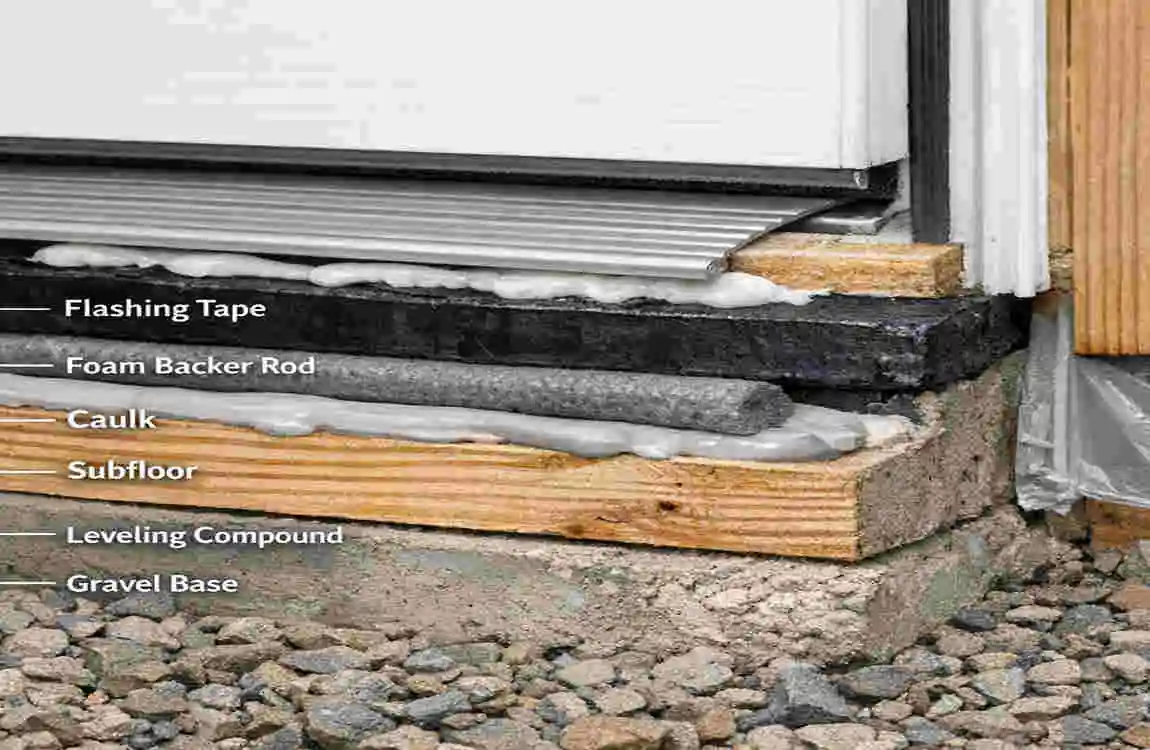
If you are wondering what to put under an exterior door threshold, the answer depends on what the threshold needs to do. In many cases, you need a mix of support, levelling, and sealing. The right material can help stop drafts, reduce water leaks, and keep the door stable for years.
What Goes Under an Exterior Door Threshold?
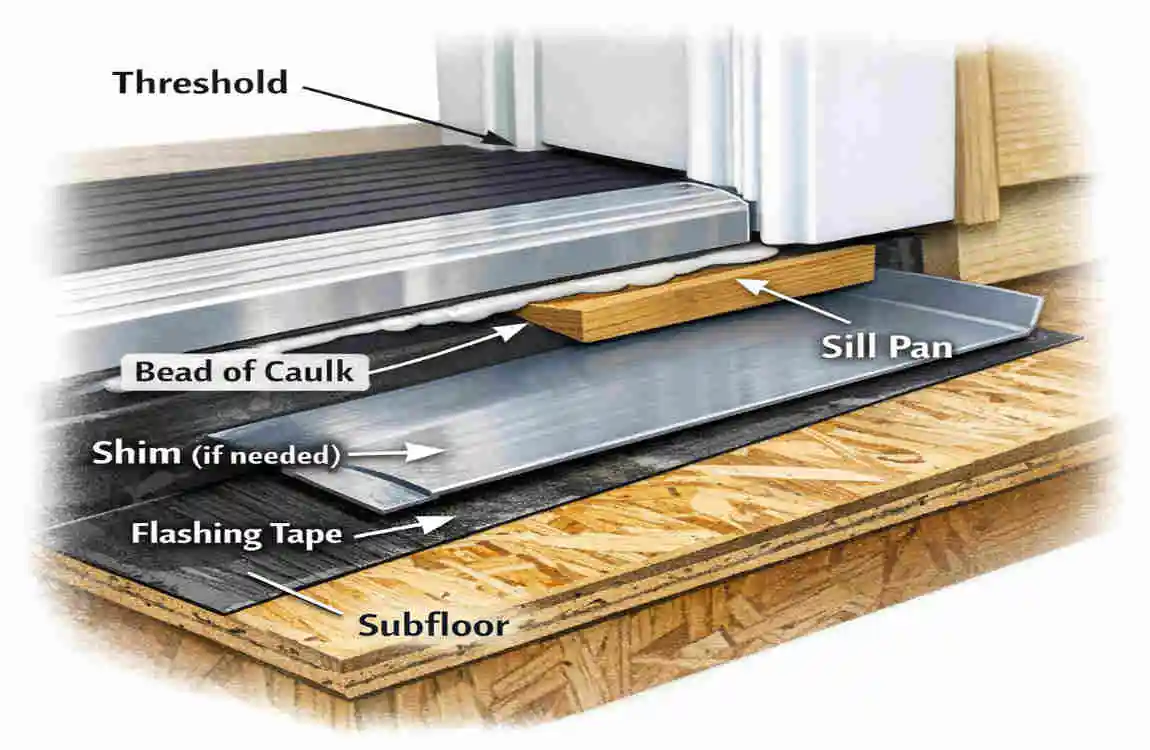
An exterior door threshold sits at the bottom of the doorway. It bridges the gap between the door and the outside floor. What goes underneath it matters because it affects strength, weather resistance, and long-term performance.
Why the Under-Threshold Material Matters
If the space under the threshold is not properly supported, the threshold can shift or bend. That can lead to:
- Drafts
- Water leaks
- Loose door movement
- Uneven closing
- Early wear and damage
A proper base also helps the threshold stay level. That means the door can close more tightly and perform better in bad weather.
Common Materials Used
The most common materials include:
- Sealant or caulk
- Mortar
- Shims
- Backer rod
- Support blocks
- Foam fillers in limited cases
Not every material does the same job. Some are used for support, while others are used for sealing. That difference is very important.
Best Materials to Put Under an Exterior Door Threshold
Choosing the right material depends on the doorway surface, the size of the gap, and the type of door you have.
Silicone or Exterior-Grade Sealant
Sealant works well for creating a weatherproof seal around the threshold. It helps block water and air from getting in.
Use it where the threshold meets the floor or sill, not as the only support underneath. A sealant is best for finishing the job after the threshold is properly set.
Mortar or Masonry Material
Mortar is a strong choice for concrete or masonry surfaces. It can create a solid, stable base under the threshold.
This option works well when the threshold needs a firm foundation. However, the surface must be clean and prepared properly before applying it.
Shims and Support Blocks
Shims are thin pieces used to level and stabilise the threshold. They are helpful when the base is uneven.
For exterior use, pick materials that resist moisture. Wood shims can sometimes absorb water, so moisture-resistant options are often better.
Backer Rod and Foam Materials
Backer rod is useful when there is a larger gap that needs to be filled before the sealant goes on top. It helps control the sealant depth and improves the seal.
Foam products can help in some cases, but they should not replace real structural support. They are mainly for filling space, not holding weight.
How to Choose the Right Material
The best choice depends on how the threshold will be used and what it sits on.
Think About the Surface Below
If the threshold rests on concrete, mortar may be a strong choice. If it sits on wood or another framed surface, shims and sealant may be more suitable.
Measure the Gap
A small gap may require only sealant and minor levelling. A larger gap may need shims, a support strip, or backer rod before sealing.
Consider Weather Exposure
If the door faces heavy rain, snow, or strong temperature changes, use materials that hold up outdoors. Exterior-grade products are always safer than indoor ones.
Support vs. Sealing
This is the key idea:
- Support keeps the threshold stable and level.
- Sealing keeps water and air out.
You usually need both. One without the other often leads to problems later.
How to Install Support Under an Exterior Door Threshold
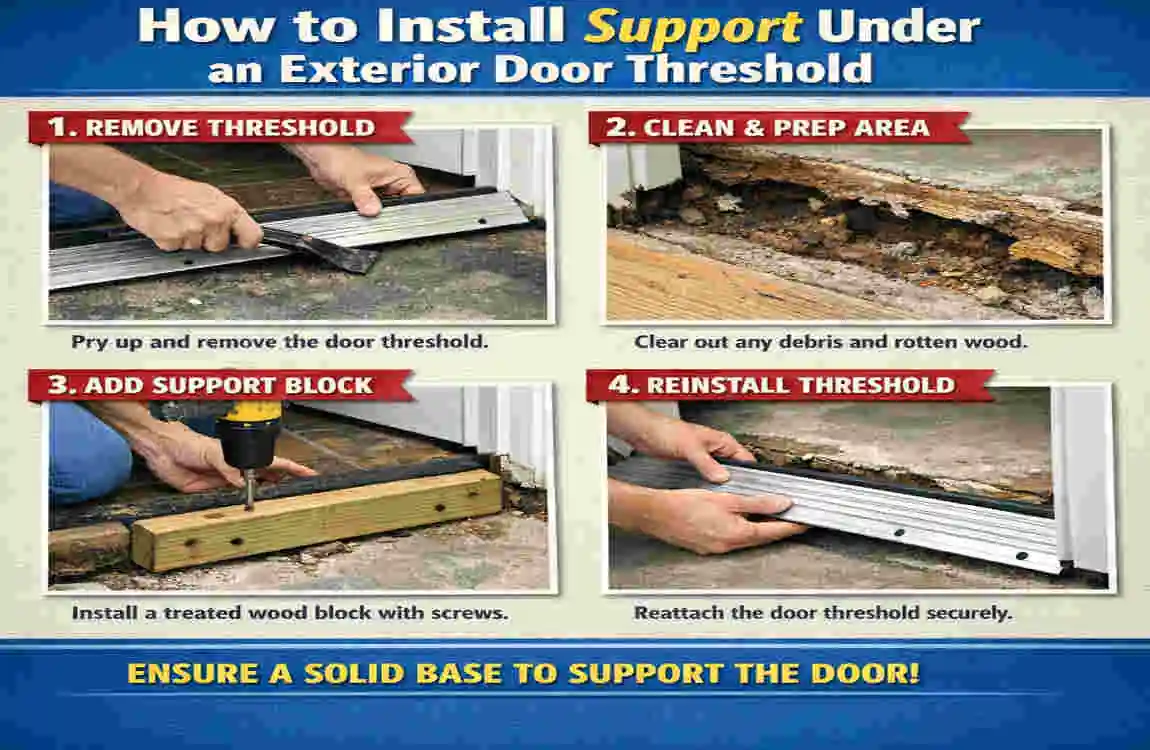
A careful installation can make a big difference. Take your time and check each step.
Remove and Inspect the Threshold
Lift the threshold and look for rot, damage, cracks, or uneven spots. If the old material is damaged, remove it completely.
Clean the Area
Remove old caulk, dirt, dust, and loose debris. A clean surface helps new materials stick better and last longer.
Level the Threshold
Use shims or support pieces where needed. Make sure the threshold sits flat and does not rock.
Apply the Correct Sealant
Use an exterior-rated sealant around the edges. Do not block drainage paths if the door system is designed to let water escape.
Secure and Test the Door
Fasten the threshold as directed by the manufacturer. Then open and close the door several times to check the fit.
Simple Installation Tips
- Do not rush the drying time.
- Keep the surface dry before sealing.
- Check for movement before finishing.
- Re-test the door after everything sets.
Common Mistakes to Avoid
Many threshold problems stem from small mistakes during installation.
Mistakes That Cause Trouble
- Using interior caulk outside
- Leaving empty spaces under the threshold
- Using water-absorbing materials
- Overfilling with expanding foam
- Installing on an uneven base
- Blocking drainage or weep paths
- Ignoring wood rot or hidden water damage
Why These Mistakes Matter
If the threshold is not supported properly, it can flex or crack. If water is trapped, damage can spread to the door frame and floor. That often leads to bigger repairs later.
How to Keep an Exterior Door Threshold Weatherproof
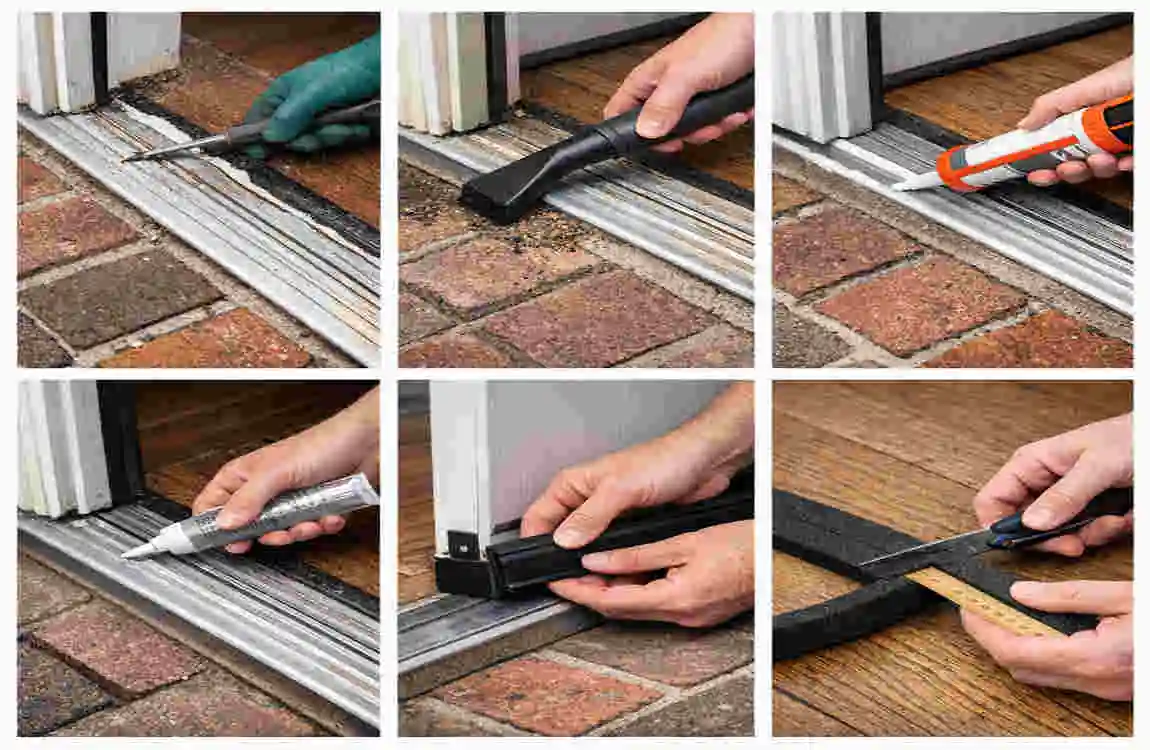
Once the threshold is installed, regular care helps it last longer.
Check It Often
Inspect the threshold and sealant periodically. Look for cracks, gaps, peeling, or loose edges.
Keep Water Paths Clear
If your door has drainage features, keep them open. Dirt and leaves can block them and push water back inside.
Replace Damaged Sealant
If the sealant cracks or separates, replace it soon. Small gaps can quickly turn into leaks.
Watch for Signs of Damage
Look for:
- Damp spots near the door
- Soft wood
- Drafts
- Rusty hardware
- Uneven closing
Climate Matters
In wet climates, sealing is very important. In areas with freezing weather, materials must also handle expansion and contraction without breaking.
FAQs About What to Put Under an Exterior Door Threshold
What is the best material to put under an exterior door threshold?
The best material depends on whether you need support, levelling, or waterproofing. Many doorways require more than one material to work together.
Should I use silicone under a door threshold?
Yes, exterior-grade silicone can work well for sealing edges. It should not be the only support under the threshold.
Can I use expanding foam under a door threshold?
You can use foam in some cases, but it should not be the main support. Foam is better for filling than for carrying weight.
Can mortar go under an exterior door threshold?
Yes, mortar can be a good option on concrete or masonry surfaces when you need a firm base.
How do I fill a gap under an exterior door threshold?
Measure the gap first, then use proper support such as shims or a base material. Finish by sealing the edges with an exterior-grade sealant.
How do I stop water from coming under my exterior door?
Check the threshold level, seal the edges, inspect weatherstripping, and make sure drainage is not blocked.
When should an exterior door threshold be replaced?
Replace it if it is cracked, warped, rotted, unstable, or still leaking after repair.
| Material | Main Benefit | Best Use |
|---|---|---|
| Caulk/Sealant | Blocks water and drafts | Small gaps and waterproofing |
| Flashing | Prevents water intrusion | Exterior-facing thresholds |
| Pressure-Treated Wood | Provides strong support | Uneven or raised subfloors |
| Composite Shims | Level the threshold | Adjusting height and alignment |
| Foam Backer Rod | Seals larger gaps | Wide gaps beneath the threshold |
| Mortar/Concrete | Creates a solid base | Masonry or concrete openings |
| Sill Pan | Directs water outside | Areas prone to moisture |
