

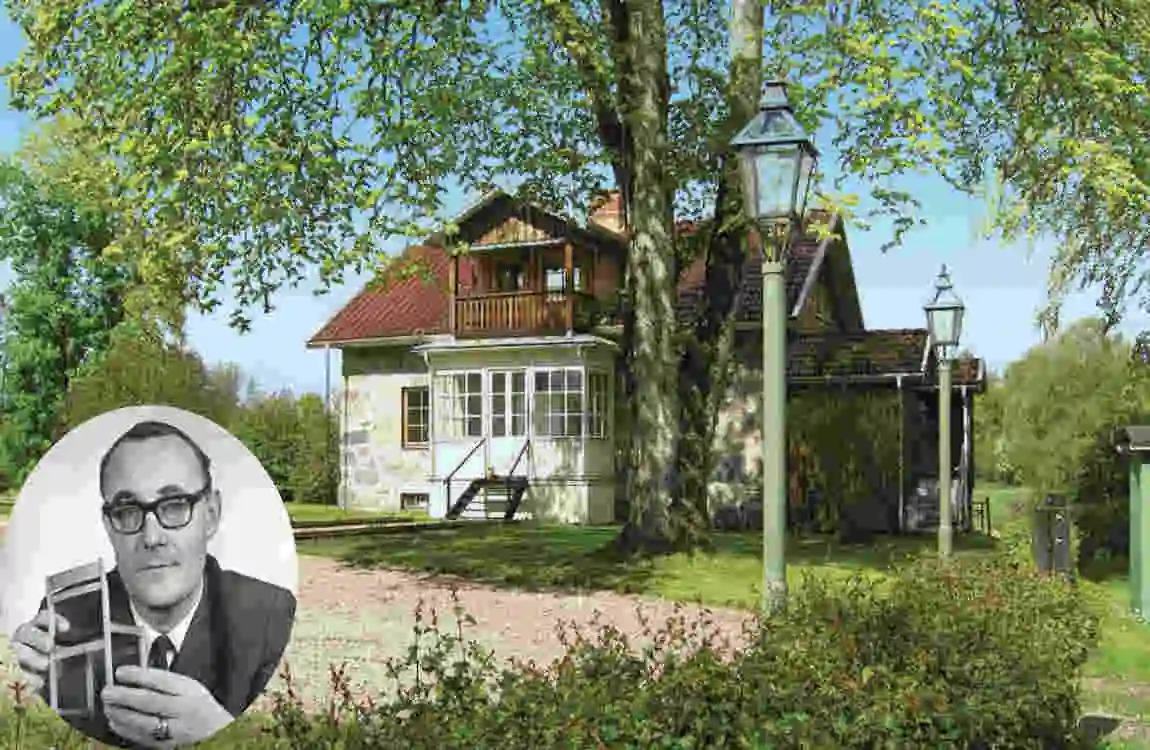
Have you ever wondered what the home of the world’s most famous furniture mogul looked like? The Ingvar Kamprad House stands as more than just a residence—it’s a living testament to a design philosophy that revolutionized how millions of people furnish their homes.
When you think about IKEA, you probably picture those massive blue and yellow warehouses filled with affordable furniture. But behind this global empire was a man whose personal living space embodied every principle he preached. Ingvar Kamprad, the founder of IKEA, didn’t just sell a lifestyle—he lived it.
What makes the Ingvar Kamprad house truly fascinating isn’t luxury or opulence. Instead, it’s the remarkable way it demonstrates that good design doesn’t need to be expensive. His luxury home serves as a masterclass in functional living, where every corner tells a story about wise design choices and practical solutions.
Overview of the Ingvar Kamprad House
The Ingvar Kamprad house sits quietly in Epalinges, near Lausanne, Switzerland, where Kamprad spent his later years. Unlike what you might expect from a billionaire’s residence, this home perfectly embodies the IKEA philosophy of modest, functional living.
From the outside, the house appears remarkably unremarkable. It’s a traditional Swiss-style home that blends seamlessly with its neighbors. No grand gates, no ostentatious displays of wealth—just a comfortable family home that could belong to any successful professional. This deliberate modesty speaks volumes about Kamprad’s character.
The architectural style follows classic Scandinavian design principles. Clean lines dominate the structure, with large windows that flood the interior with natural light. The exterior features natural materials, such as wood and stone, creating a harmonious connection with the surrounding landscape.
What makes this house special isn’t its size or grandeur—it’s how every element serves a purpose. The roof angles are designed to handle Swiss snowfall efficiently. The windows are positioned to maximize daylight and reduce energy consumption. Even the modest garden reflects Kamprad’s practical approach, featuring low-maintenance plants and functional outdoor spaces rather than elaborate landscaping.
Inside, the house spans approximately 300 square meters—a spacious yet not excessive size. The layout prioritizes flow and functionality over impressive square footage. Each room connects logically to the next, creating an intuitive living experience that makes daily life easier.
The use of sustainable materials throughout the house reflects Kamprad’s forward-thinking approach. Long before sustainability became a trend, he had been incorporating eco-friendly elements into his home. From energy-efficient heating systems to locally sourced building materials, the house demonstrates that environmental responsibility doesn’t require sacrifice of comfort or style.
Interior Design and Furnishing Details
The Living Room: Heart of the Home
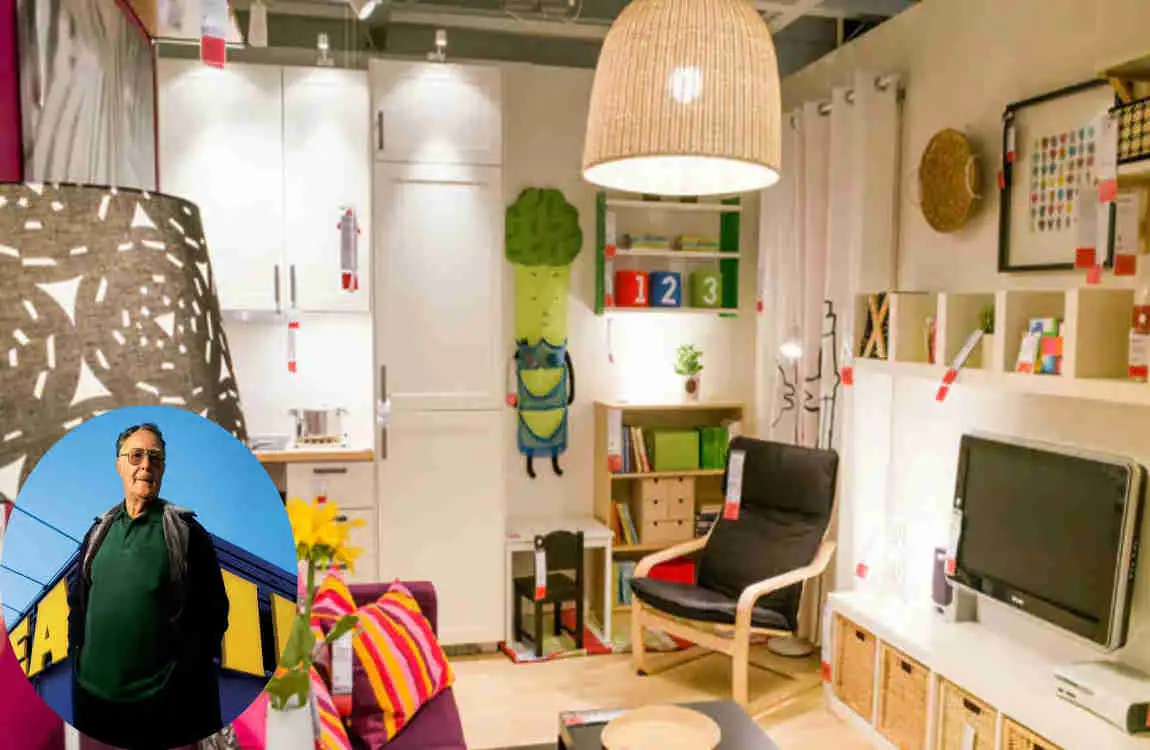
Step inside the Ingvar Kamprad house, and you’re immediately struck by the living room’s warmth and functionality. The space features IKEA’s iconic EKTORP sofa—yes, the same one millions of customers have in their homes. Kamprad didn’t believe in having special furniture just because he could afford it.
The color palette stays true to Scandinavian design traditions. Soft whites and warm grays dominate the walls, while natural wood tones add warmth throughout the space. Pops of color come from carefully chosen textiles—a mustard yellow throw here, a deep blue cushion there. These aren’t random choices; each color serves to either energize or calm the space as needed.
Lighting plays a crucial role in the living room design. Multiple light sources create layers of illumination. There’s natural light from the large windows, ambient lighting from strategically placed floor lamps, and task lighting near reading areas. Many of these fixtures are IKEA classics, proving that good design doesn’t need a luxury price tag.
The Kitchen: Efficiency Meets Style
The kitchen showcases Kamprad’s genius for maximizing space. Despite not being particularly large, it feels spacious thanks to clever design choices. Open shelving displays everyday dishes, making them both accessible and decorative. Pull-out drawers ensure every centimeter of cabinet space is usable.
The IKEA METOD kitchen system forms the backbone of this space. However, what’s remarkable is how it has been customized to fit the family’s specific needs. Extra-deep drawers accommodate large pots. A pull-out pantry makes groceries easily accessible. Even the placement of the dishwasher and sink adheres to ergonomic principles, minimizing unnecessary movement.
Natural materials dominate the kitchen aesthetic. Wooden countertops provide warmth and durability, aging beautifully over time. The backsplash features simple white tiles, which are easy to clean and have a timeless appearance. This isn’t about following trends; it’s about creating a space that works beautifully for years to come.
The Bedroom: A Sanctuary of Simplicity
Kamprad’s bedroom embodies the “less-is-more” philosophy. The centerpiece is a simple wooden bed frame—sturdy, comfortable, and without unnecessary ornamentation. The mattress? A standard IKEA model that proves you don’t need to spend thousands for a good night’s sleep.
Storage solutions in the bedroom demonstrate ingenious space utilization. Built-in wardrobes maximize vertical space while maintaining clean lines. Under-bed storage boxes (yes, from IKEA) hold seasonal items. Every storage solution serves multiple purposes—the bedside table includes hidden compartments, and the wardrobe doors feature mirrors to make the room feel larger.
The textile choices strike a balance between comfort and practicality. Natural fibers, such as cotton and linen, dominate, chosen for their breathability and durability. The color scheme remains neutral, with whites, beiges, and soft grays creating a calming atmosphere conducive to rest.
The Study: Where Ideas Take Shape
No room better captures Kamprad’s essence than his study. This is where the magic happened—where new IKEA concepts were born and business strategies developed. The space balances productivity with comfort.
The desk is surprisingly modest—a simple wooden surface with clean lines. But look closer, and you’ll notice the thoughtful details. Cable management systems keep wires hidden. Adjustable shelving accommodates books of various sizes and shapes. A comfortable task chair (from IKEA’s business line) provides ergonomic support during long working sessions.
Personal touches make this space special. Family photographs in simple frames line the shelves. Sketches of early IKEA designs hang on the walls. A collection of pencils—a nod to his early business ventures—sits in a ceramic holder made by his grandchildren.
Storage Solutions Throughout
What truly sets the Ingvar Kamprad House apart is its approach to storage. Every room features innovative solutions that make life easier:
- Modular shelving systems that can be reconfigured as needs change
- Hidden storage in unexpected places—ottoman seats that open, coffee tables with drawers
- Vertical solutions that utilize wall space without cluttering floors
- Multi-functional furniture where beds include drawers and dining benches offer storage
These aren’t just clever tricks—they represent a philosophy that homes should adapt to how people actually live.
The Legacy of Design in Kamprad’s House

The Ingvar Kamprad House serves as more than just a residence—it’s a physical manifesto of everything IKEA represents. Walking through these rooms, you understand that Kamprad didn’t just sell a design philosophy; he lived it every single day.
This house has profoundly influenced modern Scandinavian interior design worldwide. Design students and professionals make pilgrimages to study how Kamprad translated commercial furniture concepts into personal living spaces. The lessons learned here have shaped countless modern homes worldwide.
What makes the house particularly influential is its accessibility. Unlike architect-designed showpieces that inspire but intimidate, Kamprad’s home feels achievable. Visitors often remark, “I could do this in my own home.” That’s precisely the point—good design should inspire action, not just admiration.
The impact extends beyond aesthetics into sustainable living practices. Long before sustainability became a buzzword, Kamprad’s house demonstrated that eco-friendly choices could be both practical and beautiful. His use of renewable materials, energy-efficient systems, and durable goods that last decades rather than years set standards that the industry still strives to match.
Design professionals who’ve studied the house note several revolutionary aspects:
Maximizing natural light reduces energy consumption while creating pleasant living spaces. The integration of storage into every room eliminates clutter without sacrificing style. The choice of timeless designs over trendy pieces ensures the home ages gracefully.
Perhaps most importantly, the house demonstrates that good design is accessible to all. You don’t need custom-made furniture or designer pieces to create a beautiful, functional home. With thoughtful planning and wise choices, anyone can achieve similar results.
The influence of this approach ripples through contemporary design. Today’s trend toward minimalism, the tiny house movement, and the focus on multi-functional furniture all trace their roots back to principles embodied in Kamprad’s home.
What We Can Learn from the Ingvar Kamprad House
Your home doesn’t need to break the bank to be beautiful and functional. The Ingvar Kamprad House offers countless lessons for creating better living spaces, regardless of your budget or home size.
Start with function, then add form. Before buying any piece of furniture, ask yourself: What purpose will this serve? Kamprad’s home shows that when you prioritize function, good form naturally follows. That beautiful bookshelf isn’t just attractive—it holds exactly what you need where you need it.
Embrace simplicity in your color choices. The neutral palette in Kamprad’s home isn’t boring—it’s calming and timeless. By keeping walls and large furniture pieces neutral, you can add personality through smaller, changeable elements like cushions, throws, and artwork. This approach lets you refresh your space without major renovations.
Here’s how to apply Kamprad’s philosophy to your own home:
Smart Storage Solutions
- Look up: Use vertical wall space for shelving and storage
- Double duty: Choose furniture that serves multiple purposes
- Hidden gems: Incorporate storage in unexpected places
- Stay flexible: Use modular systems that can adapt as your needs change
Sustainable Choices
- Quality over quantity: Buy fewer, better pieces that will last
- Natural materials: Choose wood, cotton, and other renewable resources
- Energy efficiency: Maximize natural light and choose efficient appliances
- Timeless design: Avoid trends that quickly look dated
Light transforms everything. Notice how Kamprad’s house uses multiple light sources in each room? You can recreate this effect affordably. Combine overhead lighting with table lamps and floor lamps for a well-lit space. Use mirrors to reflect natural light deeper into rooms. These simple changes make spaces feel larger and more welcoming.
The most important lesson? Design for your actual life, not an imaginary, perfect one. Kamprad’s house works because it reflects how his family really lived. Your home should do the same for you.
Visiting the Ingvar Kamprad House and Museum
While the Ingvar Kamprad house isn’t open to the public for tours, there are several ways to connect with his design legacy and experience the IKEA philosophy firsthand.
The IKEA Museum in Älmhult, Sweden, offers the most comprehensive look at Kamprad’s vision. Located in the very building where IKEA first opened its doors in 1958, this museum brings its story to life. You can explore recreated rooms from different decades, showcasing how IKEA design has evolved while maintaining its core principles.
Museum highlights include:
- Historical room settings showing typical Swedish homes through the decades
- Original furniture pieces from IKEA’s early catalogues
- Interactive exhibits where you can try your hand at flat-pack assembly
- The story of democratic design told through Kamprad’s own words and artifacts
For those who can’t travel to Sweden, many IKEA stores worldwide feature heritage displays celebrating Kamprad’s legacy. These mini-exhibitions often include photographs of his stunning home and explanations of his design philosophy.
Virtual tours and resources have become increasingly available. The IKEA Museum offers online exhibitions that provide glimpses into Kamprad’s life and work. Design blogs and documentaries frequently feature segments about his home, offering insights into how he lived his principles.
Several books and documentaries delve deeper into Kamprad’s life and design philosophy. “The IKEA Story” and “Leading by Design” offer intimate glimpses into how his personal values have shaped both his home and his business.
For true enthusiasts, the town of Älmhult has become a pilgrimage site in its own right. Beyond the museum, you can visit the original IKEA store location and experience the Swedish countryside that shaped Kamprad’s aesthetic sensibilities.
Where Does Ingvar Kamprad Currently Live?
Ingvar Kamprad, the founder of IKEA, moved back to Sweden in 2014 after spending nearly 40 years living in Switzerland. He lived in a farmhouse near his native Almhult in southern Sweden. Kamprad died at his home in Småland, southern Sweden, in January 2018. Therefore, as of the latest information, Ingvar Kamprad no longer lives as he passed away in 2018 at his residence in Sweden.
