

Heating your home is not just about comfort—it is about Survival during cold months. But what happens when gas is expensive, unavailable, or no longer an option? Many homeowners today are facing this exact problem.
Gas prices continue to rise in many regions, and supply shortages are becoming more common. On top of that, people are now more aware of the environmental damage caused by traditional heating systems. Because of all this, more families are actively searching for better, cleaner, and cheaper alternatives.
So, if you are wondering how to heat a house without gas, you are not alone. The good news is that there are many practical, energy-efficient, and safe ways to keep your home warm—even without a gas system.
Why You May Need to Heat a House Without Gas

There are several real-life reasons why people move away from gas heating systems. Understanding these reasons helps you choose better solutions.
Rising Energy Costs
One of the biggest issues is cost. Gas bills have increased significantly in recent years, and for many families, winter becomes financially stressful.
You may have noticed:
- Higher monthly utility bills
- Unpredictable price changes
- Extra charges during the peak winter season
As a result, homeowners are seeking more stable, affordable heating options.
Gas Supply Limitations
In some areas, gas supply is unreliable or limited. This can happen due to:
- Regional shortages
- Infrastructure issues
- Off-grid or rural living conditions
If gas is not consistently available, relying on it for heating is not practical.
Environmental Concerns
Another major reason is the environment. Gas heating produces carbon emissions that contribute to climate change.
Many people now prefer:
- Cleaner energy sources
- Reduced carbon footprint
- Sustainable home solutions
Switching to alternative heating methods is not just smart—it is also responsible.
Understanding Heat Loss in a Home
Before you learn how to heat your home, you must understand one important thing: your house may already be losing heat faster than you think.
How Homes Lose Heat
Heat escapes from your home through:
- Windows and doors
- Roof and attic spaces
- Floors and walls
- Small cracks and air gaps
Even a well-built home can lose a surprising amount of warmth if it is not properly sealed.
Importance of Insulation
Insulation is like a protective blanket for your home. It keeps warm air inside and cold air outside.
Good insulation helps you:
- Reduce heating costs
- Maintain a stable indoor temperature
- Improve overall energy efficiency
Without insulation, even the best heating system will struggle.
Before Heating—Seal the Gaps
Before investing in heaters, check your home for leaks.
You can:
- Feel for cold air near windows
- Check door gaps
- Inspect attic openings
Even small fixes, like weatherstripping or foam sealants, can make a big difference.
Smart Ways to Heat a House Without Gas
Now let’s move to the most important part—practical solutions you can actually use.
Use Electric Space Heaters Efficiently
Electric space heaters are one of the easiest ways to heat a room quickly.
They work best when:
- You heat only one or two rooms
- You need temporary heating
- You want fast warmth
However, use them carefully. Always:
- Keep them away from curtains
- Avoid leaving them unattended
- Choose energy-efficient models
install Infrared Heating Panels
Infrared heating is a modern and efficient solution. Instead of heating the air, it warms objects and people directly.
Benefits include:
- Silent operation
- Lower energy waste
- Even heat distribution
This is a great option for long-term energy savings.
Use Heat Pumps (Air Source or Mini Split Systems)
Heat pumps are one of the most efficient heating systems available today.
They:
- Extract heat from outside air
- Use very little electricity
- Work even in cold weather
Although installation is costly, they save money over time.
Improve Home Insulation
If your home is poorly insulated, you will always struggle with heating.
Focus on:
- Roof insulation
- Wall insulation
- Floor protection
Good insulation reduces heat loss dramatically.
Seal Windows and Doors
Small gaps can waste a lot of heat.
Try:
- Weather stripping
- Door draft stoppers
- Plastic window insulation film
These are cheap but very effective solutions.
Use Heavy Curtains or Thermal Drapes
Thick curtains help trap heat inside your rooms, especially at night.
They:
- Prevent cold air from entering
- Reduce heat loss through glass
- Improve comfort instantly
Maximize Sunlight (Passive Solar Heating)
Sunlight is a natural heater.
You should:
- Open curtains during the day
- Let sunlight warm your rooms
- Close curtains at night to trap heat
This simple habit makes a big difference.
Use Heated Blankets and Electric Bedding
Instead of heating the whole house, warm your bed directly.
Benefits:
- Low electricity use
- Immediate comfort
- Ideal for sleeping hours
Cook and Bake More Often
Cooking naturally warms your kitchen.
Using your oven or stove:
- Adds extra heat to the room
- Reduces the need for heaters temporarily
Just make sure ventilation is proper.
Use Indoor Rugs and Carpets
Cold floors make your home feel colder than it is.
Rugs help by:
- Blocking cold air from the floors
- Improving comfort
- Adding insulation
Use Oil-Filled Radiators
Oil heaters are safe and efficient.
They:
- Stay warm longer
- Use less electricity over time
- Provide steady heat
They are great for bedrooms and living rooms.
Layer Clothing and Use Thermal Wear
Sometimes, personal heating is the smartest solution.
You can:
- Wear thermal clothes
- Use socks and blankets
- Reduce dependency on room heating
Use Smart Thermostats (For Electric Systems)
Smart thermostats help you control temperature efficiently.
They:
- Adjust heating automatically
- Save electricity
- Prevent overheating
Block Unused Rooms
Do not waste heat on empty rooms.
Instead:
- Close doors
- Focus heating in living spaces
- Use blankets or door blockers
This is called “zone heating.”
Use Renewable Energy Heating Options
If you want long-term solutions, consider renewable energy.
Options include:
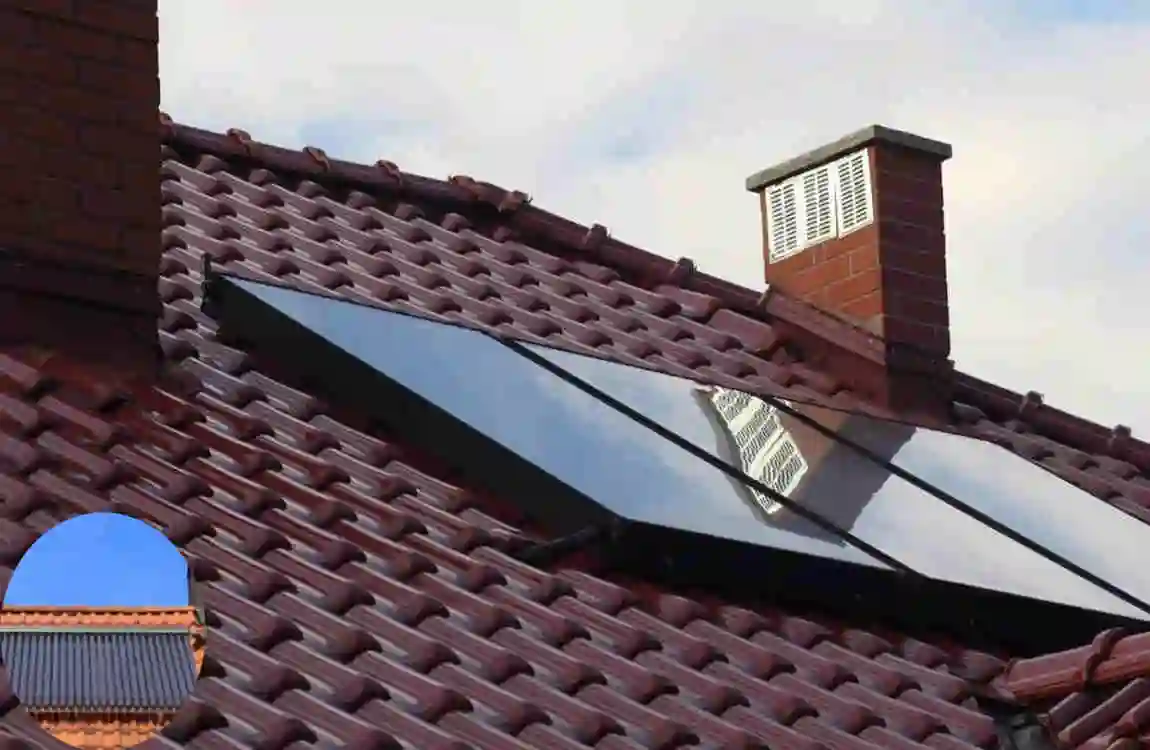
- Solar air heaters
- Biomass heaters (where allowed)
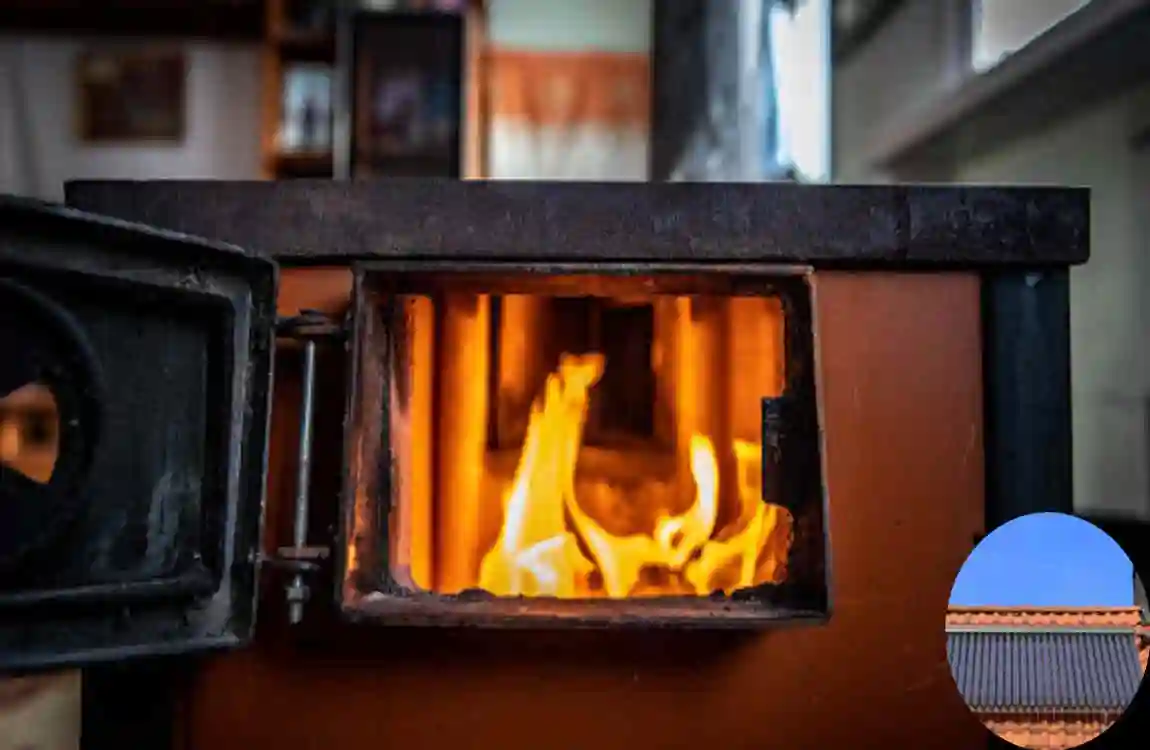
- Wood stoves in rural areas
These are eco-friendly and cost-saving over time.
Energy-Saving Tips to Reduce Heating Costs
Heating is not just about devices—it is also about habits.
Smart Heating Habits
Try to:
- Lower the thermostat slightly
- Heat only occupied rooms
- Turn off heaters when not needed
Maintenance Tips
Regular care improves efficiency:
- Clean filters
- Check insulation yearly
- Inspect heating devices
Efficient Appliance Use
Avoid overusing multiple heaters at once. It increases bills without much improvement in comfort.
Common Mistakes to Avoid When Heating Without Gas
Overusing Space Heaters
Too many heaters can:
- Increase in electricity bills
- Create fire hazards
Ignoring Insulation
Even the best heater fails if heat keeps escaping.
Blocking Ventilation
Fresh air is important. Poor ventilation leads to:
- Moisture buildup
- Health problems
Best Combination Strategy for Maximum Warmth
The smartest approach is not one solution—it is a combination.
Try this strategy:
- Insulate your home first
- Seal all gaps
- Use sunlight during the day
- Use heaters only in key rooms
This “layered heating method” gives the best results with the lowest cost.
Frequently Asked Questions (FAQ)
What is the cheapest way to heat a house without gas?
The cheapest method is to improve insulation and use sunlight, along with small electric heaters, only when needed.
Can a house be heated fully without gas?
Yes, with proper insulation and electric systems like heat pumps, a house can stay fully warm.
Are electric heaters expensive to run?
They can be, but using them in small spaces significantly reduces costs.
What is the safest alternative to gas heating?
Heat pumps and oil-filled radiators are among the safest options.
How can I heat a house without increasing electricity bills?
Use insulation, zone heating, and energy-efficient appliances together.
