

You work hard to keep your home spotless, so seeing tiny creepy crawlers moving across your bathroom floor or near your kitchen cabinets can feel frustrating—especially when your house is perfectly clean. If you have noticed small gray bugs in your home, you are likely dealing with woodlice. Many Florida homeowners search for how to get rid of woodlice in their clean houses because these pests often appear even in well-maintained, hygienic homes.
The truth is, woodlice are not attracted to dirt or mess. Instead, they are drawn to one thing above all else: moisture. Florida’s warm, humid climate creates the perfect environment for woodlice to survive and reproduce, and they often sneak into homes in search of damp places to hide. Even the cleanest home can become a target if it has excess humidity, hidden leaks, or small entry points.
Thankfully, getting rid of woodlice does not require filling your home with strong chemicals or expensive pest treatments. Several safe, natural, and highly effective methods can remove them while keeping your living environment fresh and healthy. Better yet, most of these solutions use everyday household products or affordable supplies you can find easily.
Understanding Woodlice in Florida Homes
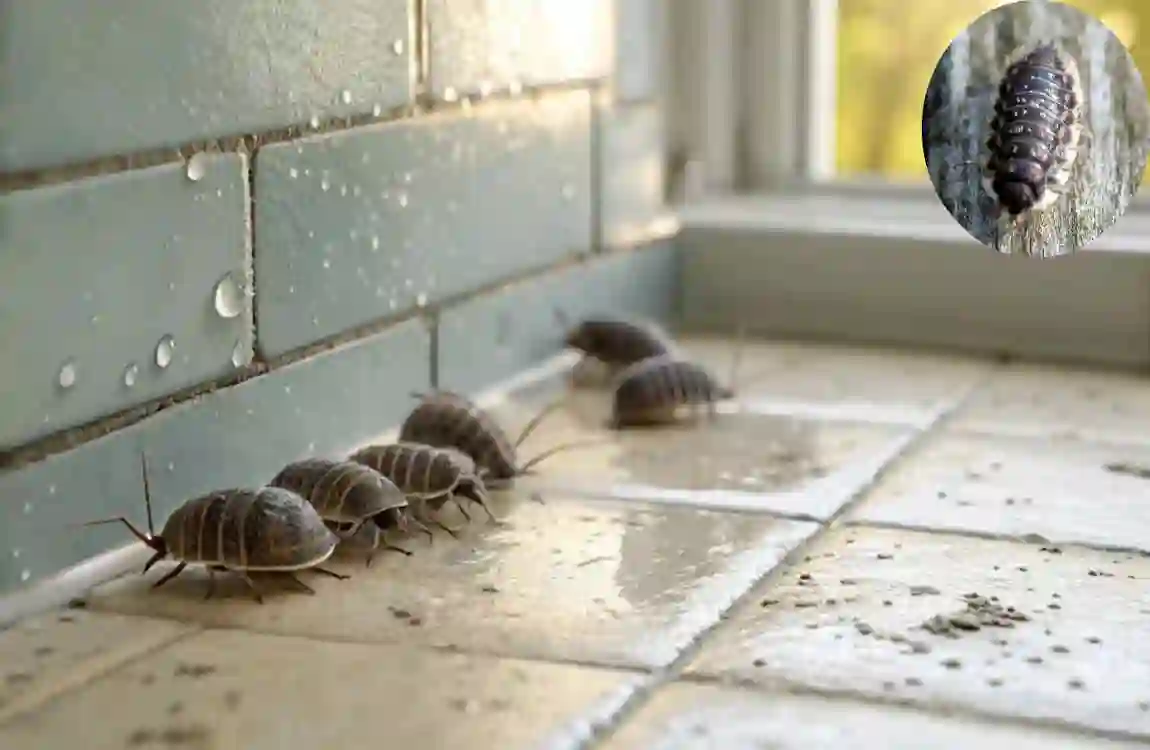
What Are Woodlice?
Woodlice are small, oval-shaped creatures often mistaken for bugs or insects, but they are actually tiny land-dwelling crustaceans. That means they are more closely related to shrimp and crabs than to ants or cockroaches.
They are commonly called:
- Pill bugs
- Roly-polies
- Sow bugs
- Potato bugs
Woodlice usually have gray or brown segmented bodies and tend to curl into a ball when disturbed. They survive by feeding on decaying organic matter, such as rotting wood, dead leaves, and decomposing plants.
Why Woodlice Invade Florida Homes
Florida’s weather is one of the main reasons woodlice thrive so easily. The state’s average humidity often ranges from 70% to 90%, creating damp outdoor and indoor environments year-round.
Woodlice love:
- Wet soil
- Damp mulch
- Moist basements
- Leaky bathrooms
- Humid kitchens
- Dark corners
Even if your house is extremely clean, woodlice may enter because they are searching for moisture, not food crumbs.
How They Enter Your Home
Woodlice can squeeze through surprisingly tiny openings, including:
- Cracks in walls
- Gaps under doors
- Window frame openings
- Utility pipe gaps
- Foundation cracks
Once inside, they often hide in damp areas and come out mostly at night.
Signs You Have a Woodlice Infestation
Spotting one or two woodlice may not seem serious, but repeated sightings could mean a larger issue.
Common signs include:
SignWhat It Means
Woodlice in bathrooms : excess moisture or poor ventilation
Sightings near the kitchen sink : Possible plumbing leak
Bugs near windows/doors , exterior entry points nearby
Increased nighttime activity. Established indoor hiding spots
Are Woodlice Dangerous?
Woodlice are mostly harmless to humans. They do not:
- Bite
- Sting
- Spread disease
However, they can still create problems by:
- Indicating excess moisture in your home
- Damaging young indoor plants
- Suggesting hidden leaks or mold issues
- Becoming a recurring nuisance if ignored
Understanding their behavior helps you address the real cause rather than just the symptoms.
Prevention Tips for Spotless Florida Houses
Before treating woodlice, prevention is key.
Seal Cracks and Entry Points
Walk around your home and inspect for openings. Seal areas such as:
- Door frames
- Window edges
- Foundation cracks
- Pipe openings
Use waterproof caulk to close all gaps.
Lower Indoor Humidity
Keep indoor humidity below 50% whenever possible.
Helpful tools include:
- Dehumidifiers
- Air conditioners
- Moisture absorbers
Fix Leaks Immediately
Even minor leaks can create perfect breeding grounds.
Check:
- Under sinks
- Around toilets
- Shower plumbing
- Refrigerator lines
Keep Organic Materials Away From Home
Avoid stacking damp organic matter near your foundation.
Move away:
- Firewood
- Mulch piles
- Compost bins
- Leaf piles
Natural Diatomaceous Earth Barrier
What Is Diatomaceous Earth?
Diatomaceous earth (DE) is a natural powder made from fossilized algae. It feels soft to humans but contains microscopic sharp particles that damage pests’ outer shells.
When woodlice crawl through it, the powder dries them out and kills them.
Why It Works So Well
DE is:
- Non-toxic
- Chemical-free
- Pet-friendly when food-grade
- Long-lasting
How to Apply It
Buy Food-Grade DE
Always choose food-grade, not pool-grade.
Dust Entry Areas
Sprinkle lightly around:
- Baseboards
- Doorways
- Windows
- Under cabinets
Reapply Regularly
Replace after:
- Vacuuming
- Rain exposure
- Heavy cleaning
Florida Advantage
Unlike sprays that fade quickly in humid climates, DE remains effective longer indoors when kept dry.
Vinegar Solution Spray
Why Vinegar Works
White vinegar’s acidity helps repel and kill woodlice while also fighting mold and bacteria.
Vinegar Spray Recipe
Mix:
IngredientAmount
White Vinegar 1 Cup
Water 1 Cup
Application Instructions
- Pour the mixture into the spray bottle
- Spray damp areas thoroughly
- Repeat daily for one week
Focus on:
- Bathrooms
- Kitchen corners
- Under sinks
- Window sills
Benefits for Florida Homes
Vinegar is especially useful because it:
- Fights mold growth
- Reduces moisture buildup
- Leaves no harmful residue
Method 3: Essential Oil Repellents
Best Oils for Woodlice
Woodlice dislike strong natural scents such as:
- Peppermint oil
- Tea tree oil
- Eucalyptus oil
How to Make Spray
Combine:
- 10–15 drops of essential oil
- 1 cup water
Shake well before use.
Where to Apply
Spray around:
- Door frames
- Baseboards
- Bathroom corners
- Window ledges
You can also soak cotton balls and place them in trouble spots.
Why Florida Homeowners Love This Method
Essential oils:
- Smell fresh
- Improve air quality
- Help with insect prevention
Make sure rooms stay ventilated after spraying.
Improve Drainage Around Home
Why Outdoor Moisture Matters
Woodlice often start outside before moving indoors.
Drainage Improvements to Make
Clean Gutters
Remove debris so water flows freely.
Extend Downspouts
Ensure water drains at least 5 feet away from your home.
Grade Landscaping Properly
Slope soil away from the foundation.
Florida Hurricane Season Tip
Heavy seasonal rain often drives woodlice indoors. Preparing drainage before storms helps prevent invasion.
Baking Soda Traps
Why Baking Soda Works
When ingested, baking soda dehydrates woodlice internally.
DIY Trap Recipe
Mix equal parts:
- Baking soda
- Sugar
Setup Instructions
- Place the mixture in shallow dishes
- Position near damp areas
- Replace every 2–3 days
Best Trap Locations
Use near:
- Sinks
- Laundry rooms
- Bathrooms
- Garage corners
Professional-Grade Vacuuming
Why Vacuuming Helps
Vacuuming removes:
- Adult woodlice
- Eggs
- Hidden debris
Proper Vacuum Technique
Vacuum thoroughly around:
- Baseboards
- Furniture edges
- Corners
- Cabinets
Important Tip
Dispose of the vacuum bag outdoors immediately after cleaning.
Bonus: Use Steam Cleaning
Steam cleaning cracks and corners helps destroy hidden eggs.
Silica Gel Packets
Why Silica Helps
Silica absorbs moisture from the air, making spaces less attractive to woodlice.
Placement Ideas
Put silica packets in:
- Drawers
- Cabinets
- Bathroom shelves
- Closets
Refreshing Schedule
Replace or dry packets every 2–4 weeks.
Additional Tips and Long-Term Maintenance
Long-term prevention matters just as much as removal.
Maintain Regular Cleaning
Adapt your routine for Florida’s humidity by:
- Drying wet surfaces quickly
- Running exhaust fans
- Cleaning under appliances weekly
Know When to Call Professionals
Call pest experts if:
- Infestation continues after treatment
- You suspect hidden moisture damage
- Large numbers appear daily
Eco-Friendly Product Recommendations
Look for:
- Natural moisture absorbers
- Plant-based sprays
- Non-toxic pest powders
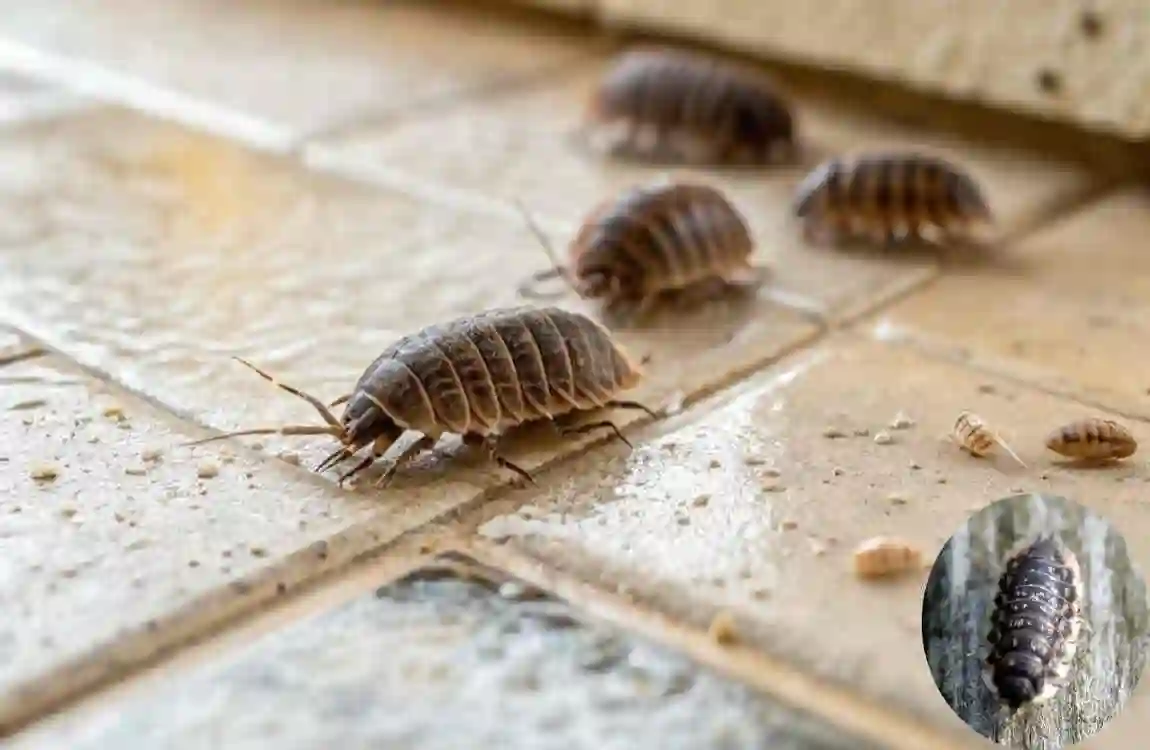
Florida homeowners often spot woodlice in spotless houses due to high humidity.
Common Questions FAQ
What causes woodlice in a clean Florida house?
Woodlice enter via tiny cracks, drawn by Florida’s 70-90% humidity and moisture from AC drips or leaks, even in tidy homes.avalancheextermination+1
Are woodlice harmful indoors?
No, they’re harmless crustaceans that don’t bite or spread disease but signal excess dampness that can damage woodwork.
How to get rid of woodlice naturally?
Vacuum them up, apply diatomaceous earth or peppermint oil sprays, and use dehumidifiers to dry areas below 50% humidity.tbcandme+1
What’s the fastest way to eliminate them?
Seal entry points, fix leaks, and sprinkle food-grade DE along baseboards—reapply after cleaning for quick results in humid climates.
Can vinegar kill woodlice in Florida homes?
Yes, a 1:1 white vinegar-water spray repels and dehydrates them safely, ideal for bathrooms without residue.
How to prevent woodlice returning?
Improve ventilation, clear gutters, store debris away from foundations, and maintain low indoor humidity year-round.pestdefence.co+1
When to call a pro in Florida?
If DIY fails after 1-2 weeks or you see hundreds, pros handle severe infestations tied to hidden moisture.
