


Are you a homeowner planning a roof project? If so, understanding the weight of a pallet of roofing shingles is crucial.
What Is a Pallet of Roofing Shingles?
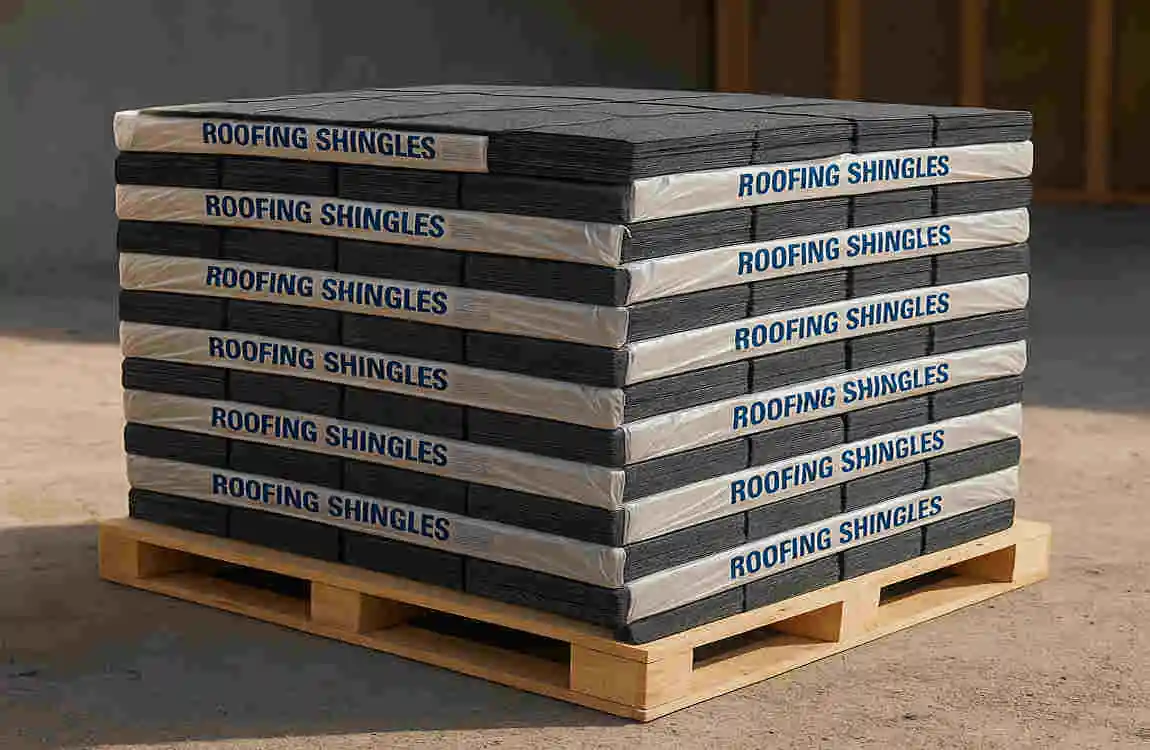
Before we get into the nitty-gritty of weight, let’s first define what a pallet of roofing shingles actually is. A pallet is a flat structure used for transporting and storing goods, and in the case of roofing shingles, it’s a convenient way to purchase them in bulk.
Components of a Roofing Shingle Pallet
A typical pallet of roofing shingles consists of multiple bundles stacked and secured together. The number of bundles per pallet can vary depending on the manufacturer and the type of shingles, but it typically ranges from 40 to 50 bundles per pallet.
Types of Roofing Shingles on Pallets
Roofing shingles come in various types and are commonly sold on pallets. The most popular types include:
- Asphalt shingles
- Architectural shingles
- Specialty shingles (such as cedar or slate)
Each type of shingle has its own unique characteristics, and we’ll explore how these differences impact the overall weight of a pallet later in this article.
Importance of Pallets in Bulk Purchasing
When you’re tackling a roofing project, buying shingles in bulk can save you time and money. Pallets make it easy to transport and store large quantities of shingles, streamlining the entire process. Additionally, many suppliers offer discounts when you purchase by the pallet, making it a win-win situation.
How Much Does a Pallet of Roofing Shingles Weigh?
Now, let’s address the core question: how much does a pallet of roofing shingles weigh? The answer depends on several factors, but we can provide some general weight ranges to give you a good idea of what to expect.
Average Weight Ranges
On average, a pallet of roofing shingles weighs between 2,500 and 4,000 pounds (1,134 and 1,814 kg). However, this weight can vary significantly based on the type of shingles, the number of bundles, and other factors.
Weight by Shingle Type
Different types of shingles have different weights, which directly impacts the overall weight of a pallet. Here’s a breakdown of the average weights for common shingle types:
- 3-tab shingles: These lightweight shingles typically weigh around 60 to 70 pounds (27 to 32 kg) per bundle. A pallet of 3-tab shingles typically weighs between 2,500 and 3,000 pounds (1,134 to 1,361 kg).
- Architectural shingles: These heavier, more durable shingles can weigh between 80 and 100 pounds (36 to 45 kg) per bundle. A pallet of architectural shingles typically weighs between 3,500 and 4,000 pounds (1,588 to 1,814 kg).
- Specialty shingles: The weight of specialty shingles can vary widely depending on the material. For example, cedar shingles might weigh around 50 to 60 pounds (23 to 27 kg) per bundle, while slate shingles can weigh up to 300 pounds (136 kg) per bundle.
Factors Influencing Pallet Weight
Several factors can influence the weight of a pallet of roofing shingles:
- Materials: As we discussed earlier, different shingle materials have different weights. Heavier materials, such as slate, will naturally result in a heavier pallet.
- Bundle count: The number of bundles on a pallet directly impacts its weight. More bundles mean a heavier pallet.
- Moisture content: Shingles can absorb moisture, which can add to their weight. If shingles are stored in a humid environment, they might weigh more than expected.
Real-World Examples
To give you a better idea of what to expect, let’s look at some real-world examples of pallet weights from popular manufacturers:
Manufacturer Shingle Type Bundles per Pallet Pallet Weight
GAF Timberline HDZ 48 3,600 lbs (1,633 kg)
Owens Corning Duration 40 3,200 lbs (1,452 kg)
CertainTeed Landmark 45 3,500 lbs (1,588 kg)
Keep in mind that these are just examples, and the actual weight of a pallet can vary based on the factors we discussed earlier.
Why Does Pallet Weight Matter for Homeowners?
Now that we know how much a pallet of roofing shingles can weigh, let’s explore why this information is crucial for homeowners planning a roof project.
Impact on Transportation and Delivery Logistics
The weight of a pallet directly impacts how it’s transported and delivered to your home. Heavier pallets may require specialized equipment or vehicles, which can add to the overall cost of your project. Understanding the weight upfront can help you plan and budget accordingly.
Importance of Handling at the Job Site
When your shingles arrive at the job site, you’ll need to move them from the delivery truck to the roof. The weight of the pallet will determine the type of equipment and workforce required for this task. If you’re not prepared for the weight, you might face delays or even injuries.
Relevance for Storage Space Considerations
If you need to store your shingles on-site before the project begins, the weight of the pallet will impact where and how you can store them. Heavier pallets may require a more robust storage solution to prevent damage or collapse.
Effect on Roofing Project Budgeting and Planning
Ultimately, the weight of a pallet can significantly impact your overall roofing project budget and timeline. Heavier pallets may require more time and resources to handle, which can add to the cost. By understanding the weight upfront, you can plan and budget more effectively.
How to Estimate the Number of Pallets Needed for Your Roof
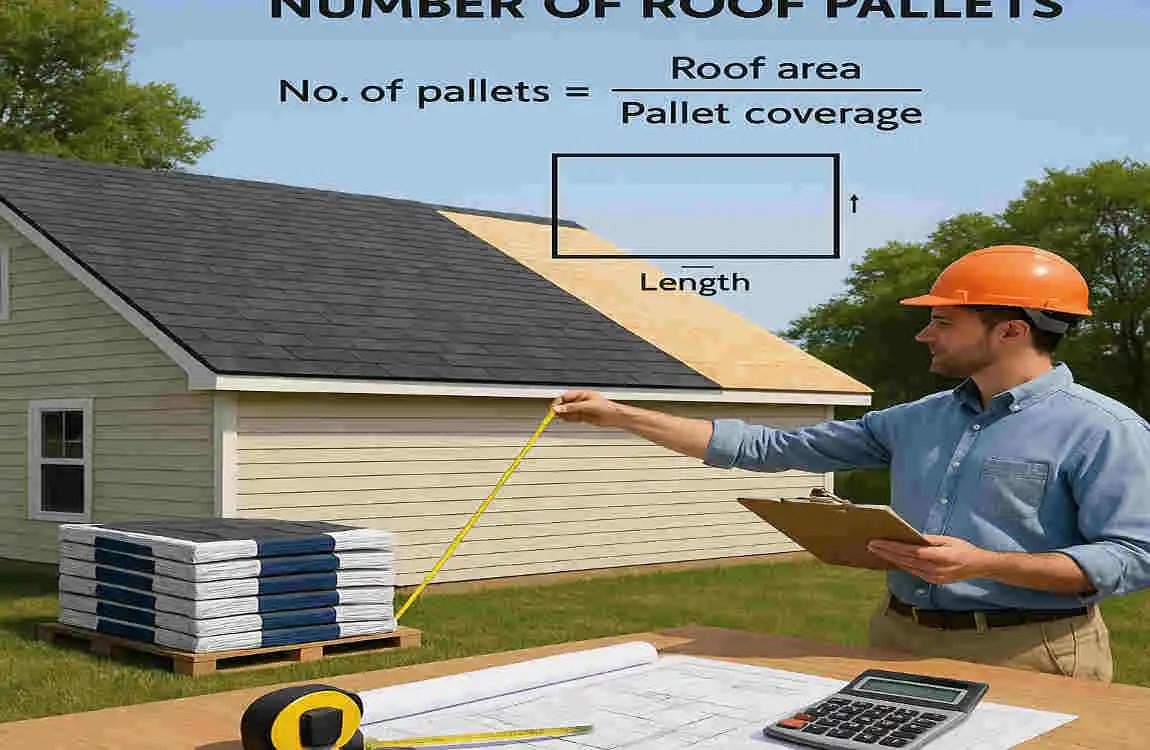
Now that you know the importance of pallet weight, let’s discuss how to estimate the number of pallets you’ll need for your roof project.
Measuring Your Roof
The first step is to measure your roof to determine its square footage. You can do this by measuring the length and width of each section of your roof and multiplying them together. Don’t forget to account for any hips, valleys, or other irregularities.
Calculating the Number of Bundles/Pallets
Once you know your roof’s square footage, you can calculate the number of bundles and pallets you’ll need. Most shingle manufacturers provide coverage information per bundle, so you can use this to determine how many bundles you’ll need for your roof.
For example, if your roof is 2,000 square feet and each bundle covers 33.3 square feet, you’ll need approximately 60 bundles (2,000 ÷ 33.3). If each pallet contains 40 bundles, you’ll need 1.5 pallets (60 ÷ 40).
Tips for Ordering Extra Shingles
It’s always a good idea to order extra shingles to account for waste, mistakes, and future repairs. A general rule of thumb is to request an additional 10-15% of shingles beyond what you calculated. In our example above, that would mean ordering an extra 6-9 bundles (10-15% of 60).
Typical Pallet Quantities for Average Residential Roofs
To give you a better idea of what to expect, here are some typical pallet quantities for average residential roofs:
- 1,000 square feet: 1 pallet (40 bundles)
- 2,000 square feet: 2 pallets (80 bundles)
- 3,000 square feet: 3 pallets (120 bundles)
Please note that these are rough estimates, and your specific roof may require more or fewer pallets, depending on its size, shape, and the type of shingles you choose.
Safety Tips When Handling Palletized Roofing Shingles
Handling heavy pallets of roofing shingles can be dangerous if you’re not prepared. Here are some safety tips to keep in mind:
Proper Lifting Techniques
When lifting shingles, always use proper lifting techniques to avoid injury. Bend at the knees, keep your back straight, and lift with your legs. If a bundle is too heavy, don’t be afraid to ask for help or use equipment to assist you.
Equipment Recommendations
To move heavy pallets safely, you may need specialized equipment, such as a pallet jack or forklift. Ensure you have the right tools for the job and know how to use them safely.
Precautions for Storing Pallets On-Site
If you need to store your shingles on-site, make sure you do so safely. Keep them on a flat, level surface and secure them to prevent them from tipping over. If you’re storing them for an extended period, cover them to protect them from the elements.
Cost Considerations Related to Pallet Weight and Quantity
The weight and quantity of pallets can also impact the overall cost of your roofing project. Here are some cost considerations to keep in mind:
Shipping and Delivery Fees
Heavier pallets may incur higher shipping and delivery fees, especially if you live in a remote area or have difficult access to your home. Be sure to factor these costs into your overall budget.
Cost Comparison: Bundles vs. Pallets
In some cases, it may be more cost-effective to purchase shingles by the bundle rather than by the pallet. Compare the prices and perform the calculations to determine which option is the most cost-effective for your project.
Value Differences in Shingle Types
Different types of shingles have different values, which can impact the overall cost of your project. For example, architectural shingles may be more expensive than 3-tab shingles, but they can also add more value to your home. Consider your budget and priorities when choosing the right shingles for your project.
Environmental and Disposal Considerations
Finally, let’s discuss some environmental and disposal considerations related to roofing shingle pallets.
Disposal or Recycling of Old Shingles
When you replace your roof, you’ll need to dispose of or recycle your old shingles. The weight of these shingles can impact the cost and logistics of disposal. Some areas have specific regulations for disposing of roofing materials, so be sure to check with your local waste management authority.
Transporting Used Shingles or Leftover Pallets
If you have leftover shingles or pallets after your project, you’ll need to transport them away from your site. The weight of these materials can influence the type of vehicle and equipment required for this task.
Sustainable Options in Shingle Materials and Handling
If you’re concerned about the environmental impact of your roofing project, consider using sustainable shingle materials, such as those made from recycled or renewable sources. You can also work with your roofing contractor to minimize waste and recycle as much as possible.
