

When it comes to building strong, energy-efficient homes, Structural Insulated Panels (SIPs) have become a game-changer. These innovative roofing panels combine insulation and structure into a single unit, offering durability and efficiency that traditional roofing materials often struggle to match.
But one question many homeowners and builders ask is: how far can a SIP roof panel span? Understanding this is crucial because the span directly impacts the roof’s strength, insulation performance, and overall cost-effectiveness.
What Are SIP Roof Panels?
Definition and Composition of SIP Roof Panels
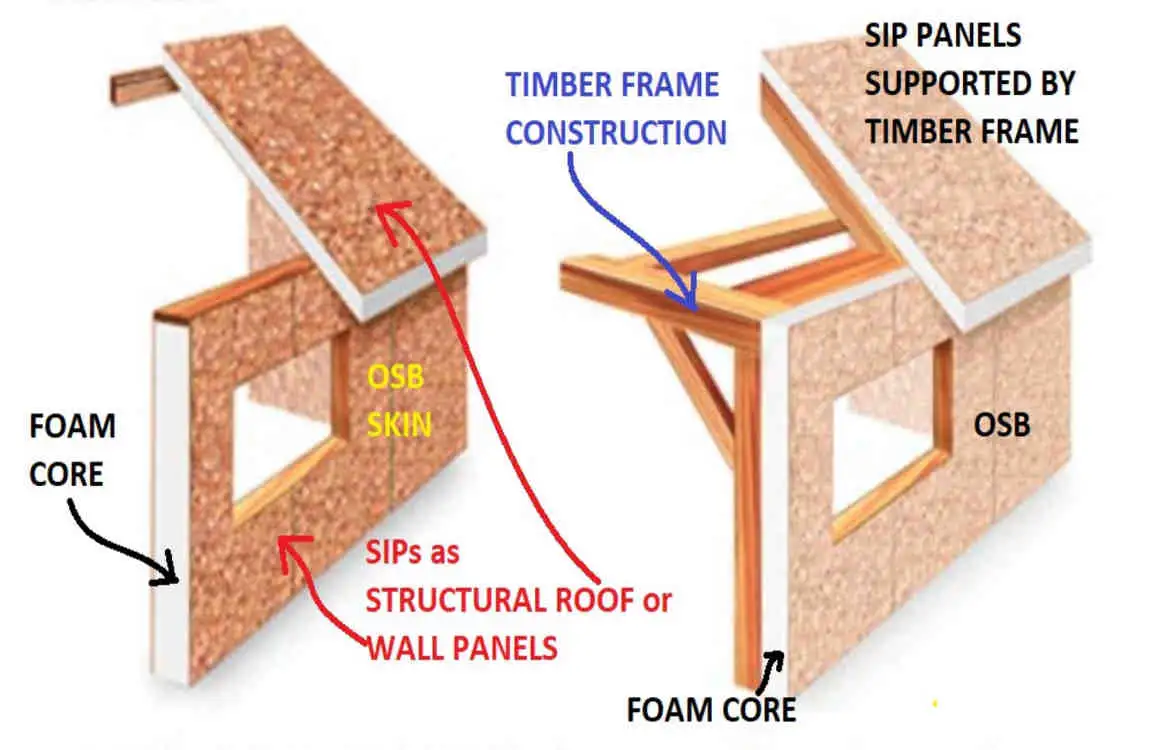
Simply put, SIP roof panels are prefabricated building components made up of three layers:
- A thick core of rigid insulation, usually expanded polystyrene (EPS), extruded polystyrene (XPS), or polyurethane foam.
- Two structural facings—typically oriented strand board (OSB)—are bonded tightly to either side of the insulation core.
This sandwich construction gives SIPs incredible strength and insulation in one unit, making them highly efficient for modern roofing.
Key Components: Core Insulation and Structural Facings
- Core Insulation: Provides thermal resistance, helping homes stay warm in winter and cool in summer.
- Structural Facings: Bear the load and provide stability to the panel, replacing traditional framing elements like rafters or trusses.
Popularity and Usage in Modern House Construction (2025 Trends)
By 2025, SIPs will have become increasingly popular due to their quick installation, energy efficiency, and sustainability. Builders prefer SIP roofs in residential projects because they reduce construction time and improve airtightness, leading to lower energy bills.
Benefits of SIP Roofing Over Traditional Roofing Methods
- Superior insulation reduces heating/cooling costs.
- Faster construction with fewer on-site cuts and framing.
- Stronger, lighter panels with high load-bearing capacity.
- Environmentally friendly due to less waste and better energy efficiency.
Factors Influencing SIP Roof Panel Span
Understanding what affects how far a SIP panel can safely stretch is key to house designing a durable roof.
Material Quality and Panel Thickness
- Thicker panels usually span farther because they offer greater insulation and structural strength.
- Higher-quality facings (like high-grade OSB) improve load capacity.
Type of Insulation Core and Facings
- EPS and polyurethane cores have different densities and stiffnesses.
- Facings vary; OSB is standard, but plywood or even metal facings are also used, which can affect span.
Load Considerations: Dead Load, Live Load, Environmental Factors
- Dead load: Weight of the panel itself plus roofing materials.
- Live load: Temporary weights like people, equipment, or snow.
- Environmental loads, such as wind pressure and snow accumulation, can significantly affect span limits.
Roof Pitch and Design Impact on Panel Span
- Steeper roofs may require shorter spans for stability.
- Complex roof shapes limit panel size or require additional supports.
Building Codes and Local Regulations Affecting Span Limits
- Local codes set minimum safety requirements.
- Some regions have stricter rules depending on seismic activity, snow load, or wind zones.
How Far Can a SIP Roof Panel Span?
Typical Span Ranges for Different SIP Thicknesses and Materials
SIP Thickness, Typical Span Range (Feet), Common Core Material
4 inches 8 – 10 EPS or Polyiso
6 inches 12 – 16 EPS or Polyiso
8 inches 16 – 20 Polyurethane
10 inches 20 – 24 Polyurethane
These ranges can vary based on panel quality and load conditions.
Manufacturer Specifications and Standards
Leading SIP manufacturers, such as InsulSpan and Premier SIPs, provide span charts with clear guidelines. For example, a 6-inch SIP panel with OSB facings might safely span up to 16 feet under typical residential loads.
Comparison with Traditional Roofing Materials
- Wood trusses typically span 20-30 feet but require more framing.
- Steel beams can handle longer spans, but at a higher cost and with less insulation.
- SIPs offer a balanced solution combining strength and insulation.
Real-world Examples of SIP Roof Panel Spans in Residential Projects
- A modern home in Colorado used 8-inch SIP panels spanning 18 feet, supporting heavy snow loads and ensuring airtightness.
- In California, 6-inch panels spanning 14 feet were chosen for energy efficiency and speed of installation.
Engineering and Structural Considerations
Role of Architectural and Structural Engineers in Span Determination
Engineers analyze loads, materials, and design to specify the exact panel span for safety and performance.
Importance of Proper Panel Installation for Achieving Maximum Span
Even the best panels won’t perform if installed incorrectly. Proper alignment, fastening, and sealing are critical.
Effects of Panel Joints, Fasteners, and Framing on Span Capability
- Panel joints need reinforcement to maintain strength.
- Fasteners must meet manufacturer specs to avoid weakening.
- Additional framing might be required for very long spans.
Use of Load-bearing Walls and Beams in Supporting Longer Spans
Strategically placed supports help extend panel spans while maintaining stability.
Advantages of Maximizing SIP Roof Panel Span
Faster Construction Time and Labor Savings
Fewer panels and supports mean less assembly time and reduced labor costs.
Enhanced Energy Efficiency and Insulation Performance
Larger uninterrupted panels reduce thermal bridging and air leaks.
Reduced Need for Intermediate Supports for Aesthetic and Functional Benefits
Open spaces without posts create flexible interiors and modern aesthetics.
Cost-effectiveness and Material Savings in Roof Framing
Less framing means lower house material costs and simpler roof designs.
Potential Challenges and Limitations
Structural Risks with Exceeding Recommended Spans
Over-spanning can cause sagging, cracking, or even collapse under heavy loads.
Impact of Extreme Weather and Natural Disasters on Longer Spans
Areas prone to hurricanes or earthquakes require conservative span choices.
Quality Control and Consistency in SIP Production and Installation
Inconsistent panel quality or poor installation can reduce span reliability.
Solutions to Common Span-related Issues
- Use engineered supports.
- Choose thicker or higher-grade panels.
- Regular inspections and maintenance.
Innovations and Developments in SIP Roof Panel Technology (2025 Updates)
New Materials Improving Strength and Span Capacity
- Advanced foam cores with higher density.
- Composite facings combining wood and fiberglass.
Advances in SIP Manufacturing Techniques
- Automated lamination improves panel uniformity.
- Precision cutting for tighter joints.
Integration with Smart Home and Energy Efficiency Technologies
- Embedded sensors monitor structural health.
- Panels designed for solar panel integration.
Environmental Sustainability and Green Building Certifications
- Use of recycled materials.
- Panels meeting LEED and Passive House standards.
How to Choose the Right SIP Roof Panel for Your Project
Assessing Building Requirements and Span Needs
Evaluate roof size, load conditions, and local climate.
Consulting with SIP Manufacturers and Engineers
Get professional advice tailored to your project.
Comparing Costs vs. Performance for Different Panel Types and Spans
Balance initial cost with long-term energy savings.
Tips for Ensuring Compliance with 2025 Building Codes and Standards
Stay up to date on local codes and use certified panels.
Installation Best Practices for Optimal SIP Roof Panel Span
Site Preparation and Structural Framing Considerations
Ensure foundation and house framing can support panel loads.
Handling and Placement Techniques to Prevent Damage
Move panels carefully to avoid cracks or dents.
Fastening Methods and Detailing for Maximum Span Integrity
Use recommended screws, adhesives, and sealing tapes.
Post-Installation Inspection and Maintenance Tips to Ensure Longevity
Check for gaps, moisture intrusion, and fastening integrity regularly.
Case Studies: Successful Use of Long-span SIP Roof Panels
Mountain Home with 20-foot SIP Spans
- Location: Colorado Rockies
- Challenges: Heavy snow load
- Solution: 8-inch polyurethane SIPs, engineered supports
- Outcome: Durable, warm, and fast construction
Coastal Residence with 16-foot SIP Spans
- Location: California coast
- Challenges: Wind resistance and energy efficiency
- Solution: 6-inch EPS SIPs with reinforced fasteners
- Outcome: Strong, efficient roof with modern aesthetics
