

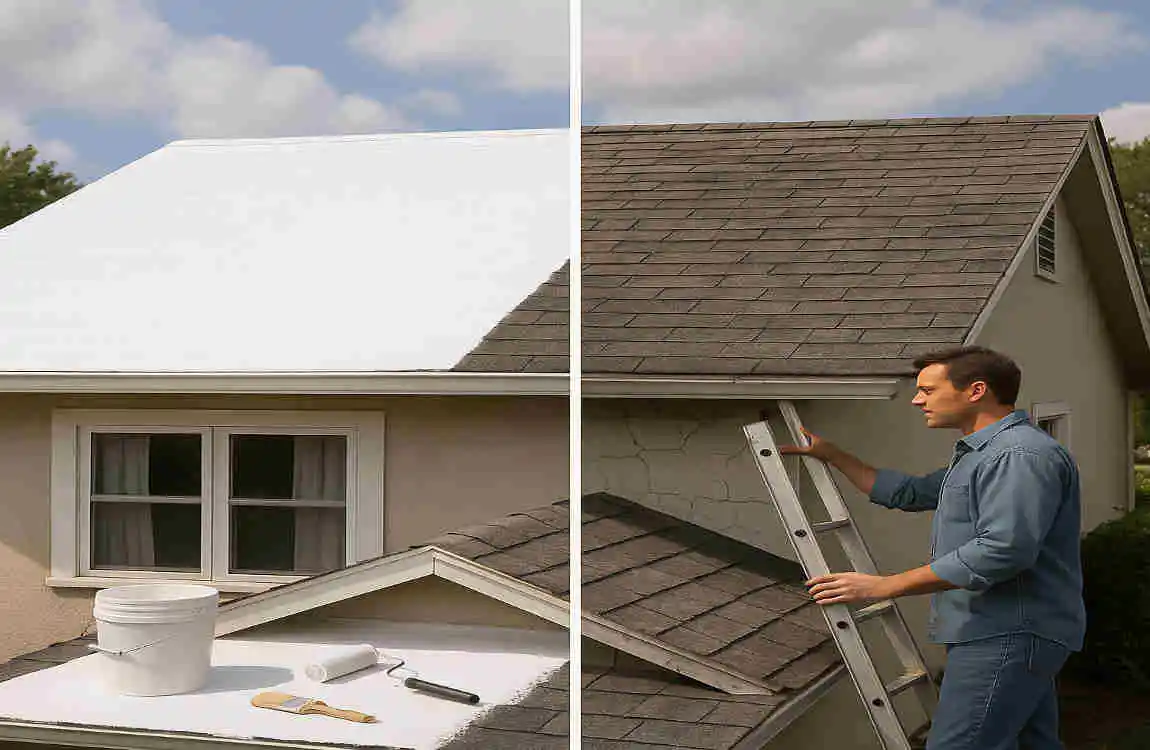
Maintaining your roof is one of the most critical responsibilities of homeownership. Your roof protects you from the elements, ensures your home stays structurally sound, and even contributes to overall energy efficiency. But as roofs age, they inevitably experience wear and tear, leading to costly repairs or even premature replacements—a nightmare for most homeowners.
What Are Roof Coatings?
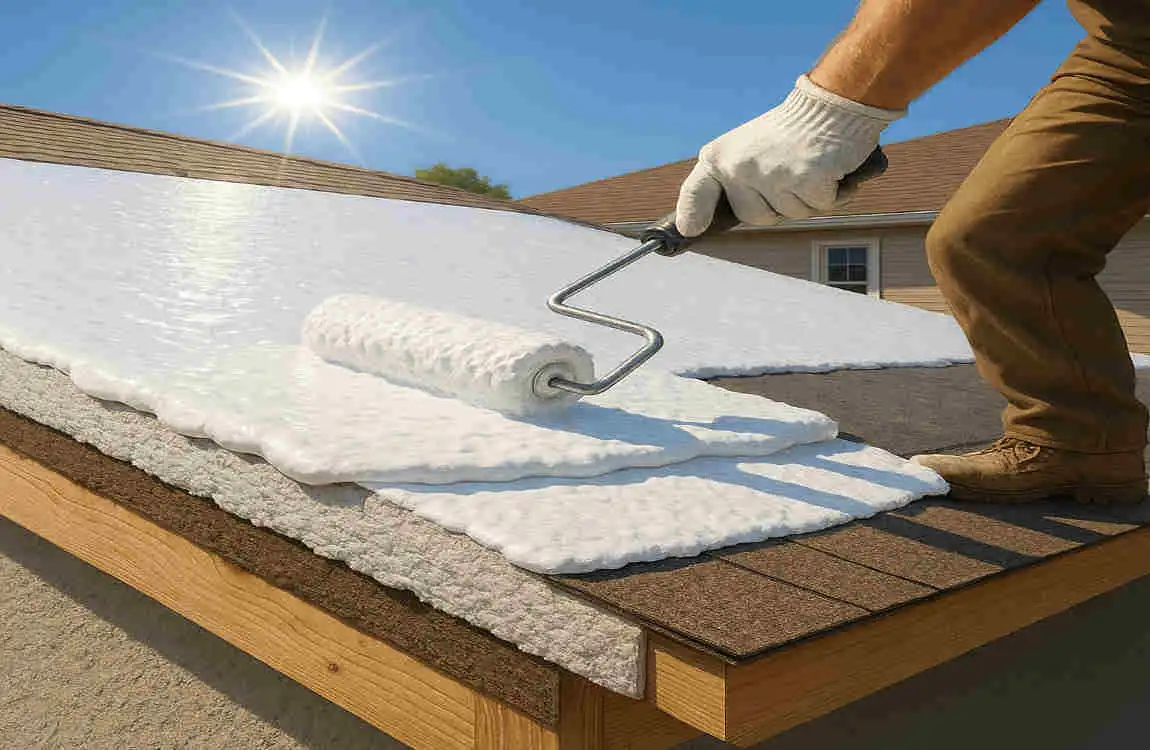
Roof coatings are specially formulated materials applied to roofs to enhance durability and functionality. Think of them as a protective layer—much like a shield—designed to safeguard your roof from harsh weather conditions, temperature changes, and even UV radiation.
Types of Roof Coatings
There are several types of roof coatings available, each with unique properties and applications:
- Acrylic Coatings
- Water-based and environmentally friendly.
- Ideal for reflecting UV rays and maintaining cooler roof temperatures.
- Best suited for sloped roofs.
- Silicone Coatings
- Extremely durable and waterproof.
- Excellent for flat roofs or areas prone to heavy rain.
- Resistant to mold, mildew, and ponding water.
- Polyurethane Coatings
- Known for their strength and impact resistance.
- Perfect for areas with heavy foot traffic or hail.
- Available in aromatic and aliphatic options.
- Bituminous Coatings
- Made from asphalt and suitable for industrial or commercial roofs.
- Highly water-resistant but less flexible.
- Elastomeric Coatings
- Stretchable and adaptable to temperature fluctuations.
- Provides excellent waterproofing and energy-efficiency benefits.
Common Uses of Roof Coatings
Roof coatings are widely used in residential settings for both repairing minor damages and preventing further deterioration. They’re often applied to roofs made of metal, concrete, asphalt, or other common materials. Unlike traditional roofing repairs or replacements, coatings are a cost-effective way to prolong the life of your existing roof.
How Roof Coatings Differ from Traditional Roofing Materials
Unlike traditional roofing materials like shingles or tiles, roof coatings aren’t structural replacements. Instead, they work by adding a protective layer over your existing roof. This makes them a great choice when you want to extend your roof’s lifespan without undergoing a full replacement.
How Do Roof Coatings Work?
The effectiveness of roof coatings lies in their application process and the unique properties they offer. Here’s a closer look at how they work.
The Application Process
Roof coatings are applied as liquids that cure to form a seamless, durable membrane. This membrane adheres directly to the existing roof surface, creating a waterproof and weather-resistant barrier.
Protective Mechanism
The protective properties of roof coatings are multifaceted:
- Waterproofing: Roof coatings seal small cracks, preventing water infiltration and leaks.
- UV Ray Protection: They reflect harmful UV rays, reducing heat absorption and limiting sun damage.
- Temperature Regulation: Many coatings have thermal-reflective properties, helping keep your home cooler in hot weather.
Energy Efficiency Benefits
In addition to protecting your roof, many coatings contribute to energy savings. By reducing heat transfer into your home, they lower the strain on cooling systems, leading to reduced energy bills—a win-win for homeowners and the environment!
Seal Minor Damage
Roof coatings are especially effective for sealing minor cracks, gaps, and leaks. However, they are not a substitute for repairing major structural issues.
Benefits of Roof Coatings for Homeowners
Roof coatings offer a range of advantages, making them an excellent investment for many homeowners.
Increased Roof Lifespan
By providing an extra layer of protection, roof coatings can extend your roof’s lifespan by 10-20 years, depending on the type of coating used. This is especially beneficial for aging roofs that still have structural integrity but require extra care.
Cost Savings on Repairs
Roof coatings are significantly more affordable than full roof replacements. By addressing minor damages early and preventing further deterioration, they reduce the need for frequent repairs.
Improved Energy Efficiency
Many roof coatings are designed to reflect sunlight, reducing heat absorption and keeping your home cooler. This not only makes your living space more comfortable but also lowers energy bills during the summer months.
Environmental Benefits
Opting for roof coatings reduces the amount of roofing waste sent to landfills since you’re extending the life of your existing roof rather than replacing it. Additionally, some coatings are made with eco-friendly materials, making them a sustainable choice.
Enhanced Appearance
Roof coatings can rejuvenate the look of an old or worn-out roof, improving your home’s curb appeal. They come in various colors and finishes, allowing homeowners to customize their roof’s appearance.
Ease of Application
Unlike roof replacements, applying a roof coating is a minimally invasive process. It requires no major construction work and can often be completed in a day or two, depending on the roof’s size.
Real-Life Example
Take the case of a homeowner in Arizona whose aging metal roof was prone to overheating and leaks. By applying a silicone roof coating, they reduced interior temperatures by 10°F, eliminated leaks, and saved thousands on repairs.
Limitations and Considerations
While roof coatings offer numerous benefits, they are not without limitations. Here are some factors to keep in mind:
Not Suitable for Severely Damaged Roofs
Roof coatings are not a magic fix for roofs with major structural issues. If your roof has significant damage, such as sagging or missing sections, a replacement may be necessary.
Inspection Is Crucial
Before applying a coating, a professional inspection is required to ensure the roof is suitable for coating. Ignoring this step can lead to poor results.
Lifespan and Maintenance
Roof coatings typically last 5-20 years, depending on the type and quality. Reapplication may be necessary over time to maintain effectiveness.
Application Risks
Improper application can lead to peeling or uneven coverage. Hiring a professional is often the best way to ensure a successful application.
Expert Opinions and Industry Insights
Experts in the roofing industry widely acknowledge the effectiveness of roof coatings when used appropriately. Studies show that reflective roof coatings can reduce cooling costs by up to 30% in hot climates. However, professionals stress the importance of choosing the right type of coating for your specific roof and climate.
Common Myths About Roof Coatings
- Myth: Roof coatings are a one-size-fits-all solution.
- Truth: Different roofs require different types of coatings.
- Myth: Coatings eliminate the need for roof maintenance.
- Truth: Regular maintenance is still necessary to maximize your roof’s lifespan.
How to Choose the Right Roof Coating
When selecting a roof coating, consider the following factors:
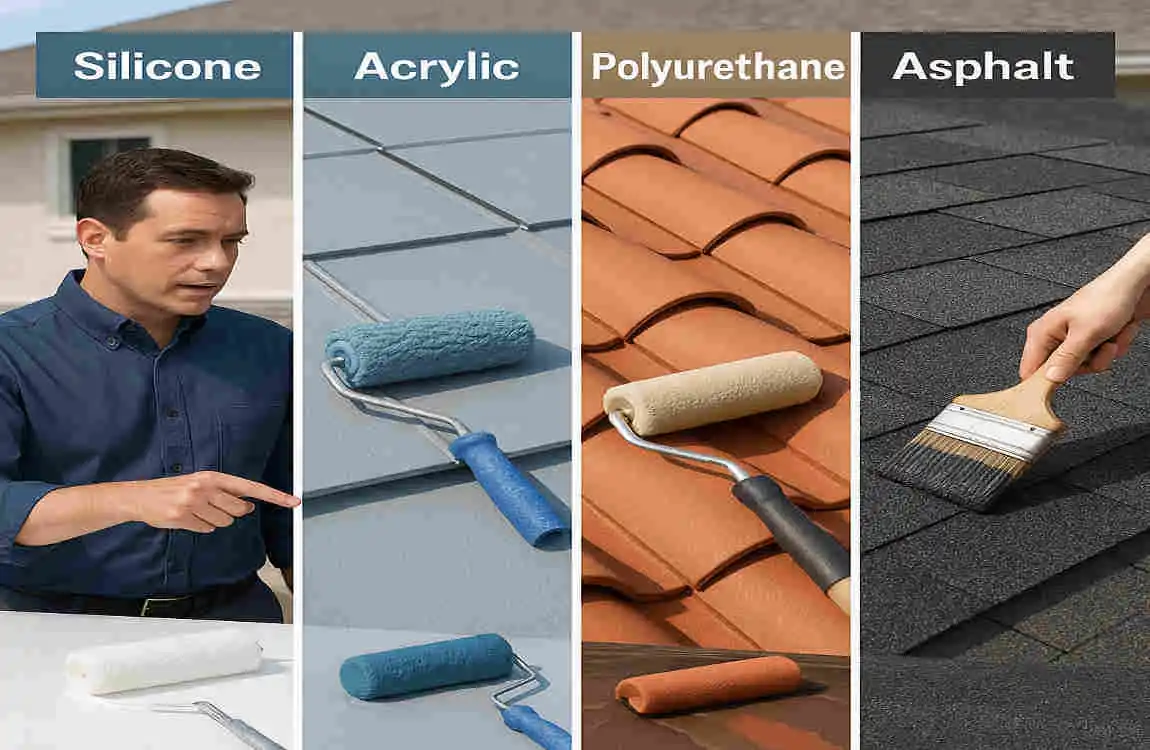
- Roof Material: Different coatings are suited for different roof types (e.g., silicone for flat roofs, acrylic for sloped roofs).
- Climate: Opt for coatings with UV-reflective properties in hot climates or waterproofing in rainy regions.
- Budget: Balance upfront costs with long-term benefits.
- Manufacturer Reputation: Choose trusted brands with proven track records.
Step-by-Step Guide to Applying Roof Coatings
- Preparation: Clean the roof surface and repair any damage.
- Weather Check: Ensure clear skies and appropriate temperatures for application.
- Application: Use a brush, roller, or spray equipment for even coverage.
- Post-Application Care: Allow sufficient curing time before exposing the roof to rain or foot traffic.
