

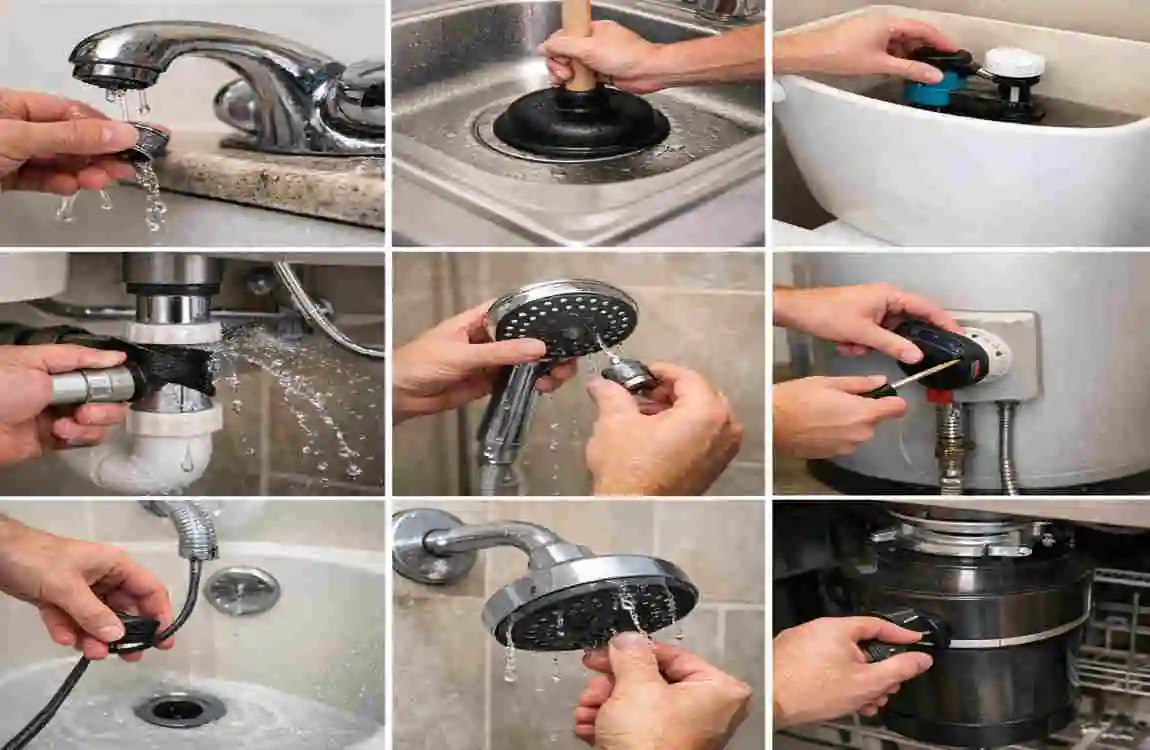
Did you know that nearly 80% of homeowners will face at least one major plumbing issue this year? Imagine waking up, stepping out of bed, and feeling your socks soak up a puddle of cold water spreading across the hallway floor. It is a stressful nightmare that nobody wants to experience. Don’t let a tiny, ignored drip turn into a catastrophic and expensive flood!
Identifying the most common plumbing problems and solutions can save you an incredible amount of time, money, and headaches. As we move through 2026, the cost of hiring professional contractors continues to skyrocket. Recent trends show that a simple service call can cost you hundreds of dollars just for a plumber to walk through your front door.
Why Common House Plumbing Problems Happen
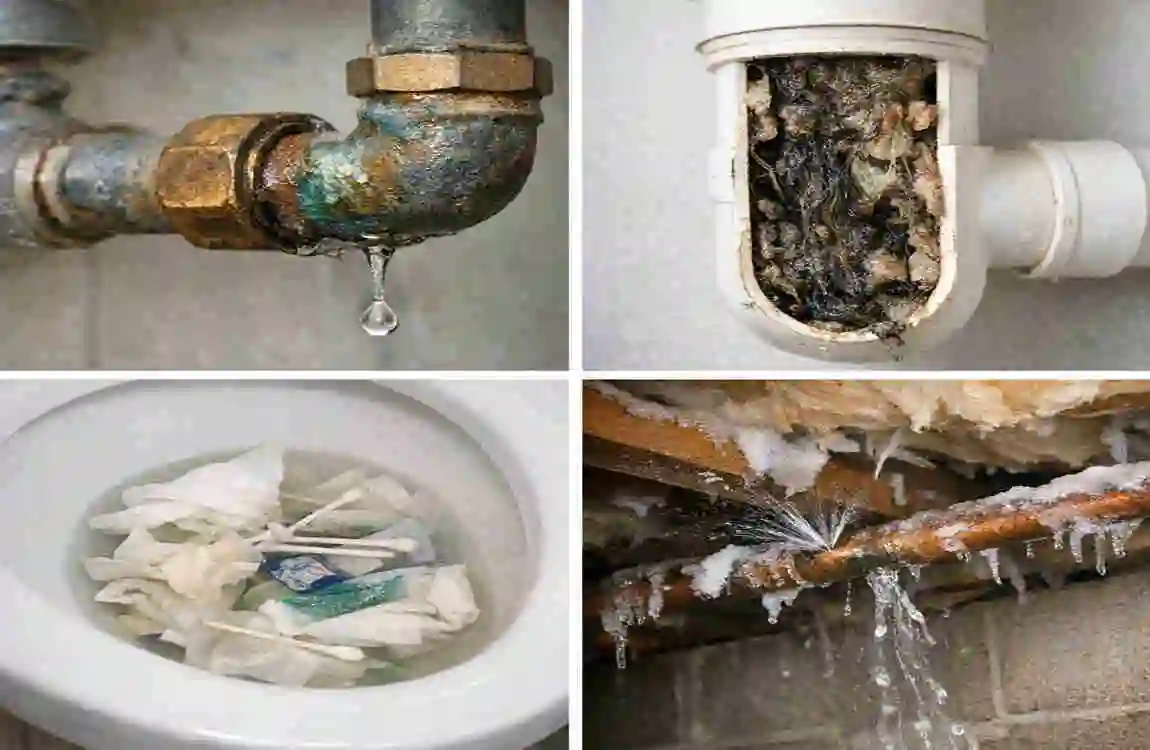
Before you grab a wrench, it helps to understand exactly why your pipes are acting up. Plumbing systems are incredibly complex networks hiding behind your drywall and under your floorboards. Over time, these systems experience significant wear and tear.
The root causes of most water-related issues generally fall into three categories: ageing pipes, hard water buildup, and poor initial installation. If you live in an older home, your galvanised steel or copper pipes might naturally be corroding from the inside out. Furthermore, hard water—which is rich in minerals like calcium and magnesium—slowly clogs your showerheads and corrodes your pipe joints over time.
As we look at 2026 housing trends, we also see new factors causing trouble. The rise of smart home appliances sometimes leads to complex integration issues, and climate-related weather extremes are causing massive fluctuations in city water pressure, stressing residential pipes.
So, why should you embrace the DIY route? The benefits are huge. Handling these issues yourself empowers you as a homeowner and keeps your hard-earned cash in your wallet. A minor repair that costs you $30 in basic parts at the hardware store could run you $200 to $500 if you call a licensed pro.
Let’s dive right into the top 10 common house plumbing problems and solutions so you can start protecting your home today.
Leaky Faucets: The Dripping Nightmare
Causes and Signs
A dripping faucet is one of the most universal household annoyances. Beyond the irritating “plink-plink” sound, a single leaky faucet can waste hundreds of gallons of water over the course of a year, driving up your utility bills. The primary culprit is usually a worn-out rubber washer, a degraded O-ring, or a faulty internal cartridge. Every time you turn the tap on and off, these internal parts experience friction, eventually wearing down and letting water seep through.
Quick DIY Solutions
You can easily fix this common house plumbing problem in about 20 minutes.
- Turn off the water: Look under the sink and twist the shut-off valves tightly to the right.
- Cover the drain: Place a towel over the drain hole to prevent losing any tiny screws.
- Disassemble the handle: Use a flathead screwdriver to pop off the decorative cap, then use a screwdriver to remove the handle.
- Remove the cartridge/washer: Use pliers or a crescent wrench to loosen the packing nut. Pull out the old cartridge or rubber washer.
- Replace and reassemble: Take the old part to the hardware store to buy an exact match. Drop the new part in, tighten everything back up, and turn the water on.
Clogged Drains: Slow and Smelly Blockages
Causes and Signs
If you are standing ankle-deep in soapy water during your morning shower, you have a clogged drain. Drains usually clog from a nasty buildup of hair, sticky soap scum, cooking grease, and stray food particles. Over time, this mixture creates a solid, smelly sludge that completely chokes the pipe.
Quick DIY Solutions
Put down those harsh, toxic chemical drain cleaners! They can actually melt older plastic pipes, severely damaging your plumbing. Instead, try this natural approach:
- The boiling water trick: Pour a kettle of boiling water directly down the drain to melt away loose soap scum.
- The volcano method: Pour half a cup of baking soda down the drain, then immediately pour half a cup of white vinegar down the drain. Cover the drain with a wet cloth. Let it fizz and bubble for 15 minutes to break up the grime.
- Plunge it: Fill the sink with an inch of water, grab a standard cup plunger, and vigorously plunge the drain to dislodge the remaining blockage.
Running Toilets: Silent Water Wasters
Causes and Signs
Does your toilet sound like it is constantly refilling, even hours after you flushed it? A running toilet is a massive silent water waster, capable of dumping thousands of extra gallons down the drain each month. The most common cause is a faulty, warped, or dirty flapper valve at the bottom of the toilet tank. Sometimes, the chain connecting the flush lever to the flapper is too long or too short.
Quick DIY Solutions
Fixing a running toilet is surprisingly simple.
- Open the tank: Carefully remove the heavy porcelain lid from the back of the toilet.
- Check the chain: Ensure the chain connected to the flapper has just a little bit of slack. If it is too tight, it prevents the flapper from closing. If it is too loose, it gets caught under the flapper.
- Inspect the flapper: Reach into the water (it is clean water!) and feel the rubber flapper. If it feels rigid, cracked, or slimy, it is time for a replacement.
- Replace it: Turn off the water valve behind the toilet, flush to empty the tank, unhook the old flapper, and snap a new $5 flapper into place.
Low Water Pressure: Weak Showers and Sinks
Causes and Signs
There is nothing more disappointing than stepping into a shower only to be met with a weak, trickling stream of water. Low water pressure is common in older homes and is often caused by a buildup of hard water minerals (such as calcium and limescale) inside the fixtures. It can also be caused by debris caught in your home’s main water filter or a partially closed main shut-off valve.
Quick DIY Solutions
If the low pressure is isolated to a single sink or showerhead, the fix is straightforward.
- Unscrew the aerator: Look at the tip of your sink faucet. Use a pair of pliers (wrapped in a rag to prevent scratching the metal) to unscrew the aerator.
- Clean the screen: You will likely see tiny rocks and white crust blocking the mesh screen. Rinse it out thoroughly.
- Soak in vinegar: If the showerhead is the issue, fill a plastic bag with white vinegar and place it over the showerhead. Tie the bag around the showerhead using a rubber band, ensuring the nozzles are fully submerged. Leave it overnight.
- Scrub and flush: The next morning, remove the bag, scrub the nozzles with an old toothbrush, and run the hot water to flush out the dissolved minerals.
Burst Pipes: Emergency Flood Risks
Causes and Signs
A burst pipe is the most terrifying of all common house plumbing problems and solutions. Pipes burst primarily due to winter freezing temperatures. When water freezes inside a pipe, it expands with incredible force, tearing the metal or plastic apart. When the ice thaws, water comes rushing out, causing catastrophic flooding. High city water pressure can also cause weak pipe joints to blow apart.
Quick DIY Solutions
You must act instantly to prevent massive property damage.
- Shut off the main water immediately: Do not hesitate. Run to your basement, garage, or street meter and turn off the main water supply to the entire house.
- Open your faucets: Turn on the cold and hot water taps to drain the remaining water out of the system.
- Apply a temporary patch: If you have a small split in an exposed pipe, you can buy a pipe repair clamp from the hardware store. Wrap a piece of rubber around the leak and screw the metal clamp tightly over it.
- Call a professional: While the clamp will hold temporarily, you must replace the broken section of the pipe as soon as possible.
Water Heater Issues: No Hot Water Blues
Causes and Signs
Stepping into a cold shower on a Monday morning is a terrible way to start the week. If your water heater is failing, you might experience totally cold water, water that only stays hot for a few minutes, or strange popping and banging noises coming from the tank. The main culprit is usually a massive layer of sediment and mineral scale building up at the bottom of the tank, blocking the heating elements.
Quick DIY Solutions
Routine maintenance will extend your water heater’s life by years.
- Turn off the power: If it is an electric heater, flip the breaker off. If it is gas, turn the dial to the “pilot” setting.
- Connect a hose: Attach a standard garden hose to the drain valve located at the very bottom of the tank.
- Drain and flush: Run the hose’s other end outside or into a floor drain. Open the drain valve and let the water flow out. You will likely see brown, muddy water filled with calcium flakes. Let it run until the water runs completely clear.
- Check the thermostat: Make sure the temperature dial on the front of the tank is set to exactly 120°F. Anything higher risks scalding; anything lower invites bacterial growth.
Gurgling Pipes: Air Trap Nightmares
Causes and Signs
Does your kitchen sink make a strange “glug-glug-glug” noise after you drain the water? Or does your toilet bubble when the washing machine runs? Gurgling pipes indicate that air is trapped in your plumbing system and struggling to escape. This is usually caused by a blockage in your plumbing vent pipes (the pipes that run up through your roof to let sewer gases out) or a clogged P-trap under your sink.
Quick DIY Solutions
You can clear most air blockages without having to climb onto your roof.
- Clean the P-trap: Place a bucket under the curved pipe (the P-trap) beneath your sink. Use adjustable pliers to loosen the two slip nuts. Pull the trap down, dump out the disgusting sludge inside, rinse it clean, and reattach it.
- Plug the vent: Sometimes, a localised clog causes the gurgling. Fill the sink with water, block the overflow hole with a wet rag, and plunge the drain vigorously to push the air block down the line.
Leaky Pipes: Hidden Damp Disasters
Causes and Signs
Unlike a dramatic burst pipe, a leaky pipe is a slow, hidden disaster. You might notice mysterious water stains spreading across your ceiling, peeling wallpaper, a persistent musty smell, or an inexplicably high water bill. Pinhole leaks occur when copper pipes corrode due to water chemistry or when PVC pipe joints slowly degrade and loosen over time.
Quick DIY Solutions
If you can physically access the leaking pipe (like under a sink or in an unfinished basement), you can stop the leak quickly.
- Turn off the water and dry the pipe: Shut off the water supply and use a rag to dry the exterior of the leaking pipe completely. No patch will stick to wet metal.
- Apply epoxy putty: Buy a tube of plumber’s epoxy putty. Knead the putty with your fingers until the colour is evenly distributed. Press it firmly over the pinhole leak, wrapping it entirely around the pipe. Let it cure for an hour until it is rock hard.
- Use silicone tape: Alternatively, you can tightly wrap self-fusing silicone plumbing tape around the joint. Stretch the tape as you wrap it; it fuses to itself to create a watertight seal.
Toilet Clogs: The Unflushable Block
Causes and Signs
We have all been there. You push the handle, but instead of the water going down, it terrifyingly rises toward the rim. Toilet clogs are incredibly common and are almost always caused by human error: flushing too much toilet paper, flushing “flushable” wipes (which actually do not break down), feminine hygiene products, or children’s toys.
Quick DIY Solutions
Do not reach for harsh chemical drain cleaners, as they generate heat that can actually crack the porcelain bowl.
- Use the right plunger: Do not use a standard flat cup plunger. You need a flange plunger (the one with an extra rubber sleeve sticking out the bottom). It creates a much tighter seal inside the toilet bowl hole.
- Plunge properly: Submerge the plunger, ensuring it fills with water, not air. Push down gently to get the seal, then pull up forcefully. The upward suction is what breaks the clog apart.
- Use an enzyme cleaner: For partial, slow-draining clogs, pour a natural enzyme-based cleaner into the bowl overnight. The good bacteria will literally eat away the organic waste blockages.
Sump Pump Failures: Basement Flood Fighters
Causes and Signs
If you have a basement, your sump pump is the only thing standing between your stored belongings and a massive flood during a heavy rainstorm. Sump pumps usually fail for three reasons: a sudden power outage during a storm, a jammed float switch that prevents the pump from turning on, or a frozen discharge pipe outside the house.
Quick DIY Solutions
You need to test your sump pump before the rainy season begins.
- Test the float switch: Pour a five-gallon bucket of water directly into the sump pit. As the water rises, the plastic float switch should float upwards and automatically trigger the pump. If it doesn’t, ensure the float isn’t tangled against the side of the pit.
- Clean the pit: Unplug the pump and use a pair of gloves to scoop out any gravel, mud, or debris from the bottom of the pit that could get sucked into the motor.
- Check the discharge pipe: Go outside and ensure the pipe pushing water away from your house is totally clear of leaves and debris, and is angled away from the foundation.
Prevention Tips: Avoid Common House Plumbing Problems Long-Term
The secret to mastering common household plumbing problems and solutions is to stop them before they ever start. Proactive maintenance is significantly cheaper and less stressful than reactive emergency repairs. By dedicating just a few hours a year to your plumbing, you can ensure a smooth, leak-free home.
Here are a few smart, proactive solutions:
- Install a water softener: If you live in an area with notoriously hard water, a whole-house water softener will prevent calcium from damaging your pipes and appliances.
- Embrace eco-upgrades: Modernise your home for 2026 by swapping out old fixtures for low-flow showerheads and dual-flush toilets. They lower your water pressure strain and reduce your bills.
- Stop grease at the source: Never pour cooking oil or bacon grease down the kitchen sink. Pour it into an old glass jar, let it solidify, and throw it in the trash.
To keep you on track, follow this simple homeowner maintenance schedule:
Task to Complete: Frequency Why It Matters
Inspect under all sinks Monthly Catches tiny drips before they rot your cabinetry.
Clean showerheads & aerators Quarterly. Prevents mineral clogs and maintains water pressure.
Flush the water heater annually. to remove sediment, saving energy and preventing tank explosions.
Test the sump pump biannually t. o ensure your basement won’t flood during spring rains.
When to Call a Professional Plumber
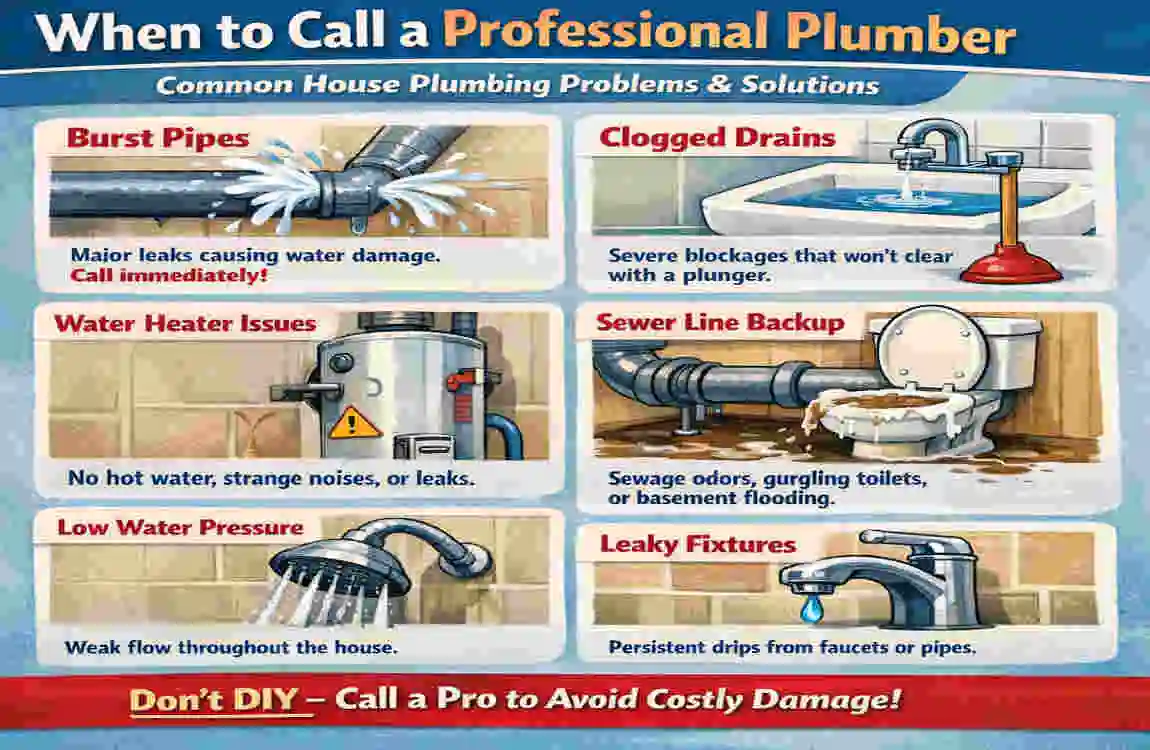
While tackling DIY repairs is incredibly rewarding, knowing your limits is vital for your safety. Some plumbing tasks require specialised licenses, heavy machinery, and years of training.
Red Flags That Require a Pro: Never attempt to fix anything involving natural gas lines connected to your water heater. If you smell rotten eggs, evacuate your home and call the utility company. Similarly, if raw sewage is backing up into your bathtub, or if you have a massive main water line leak buried deep in your yard, pick up the phone.
For our readers globally and in specific regions like , adapting to local water sources is key. The heavy reliance on ground aquifers in Punjab means extremely high levels of dissolved solids (hard water). If you constantly battle severe pipe scaling, it is time to hire a local professional to install a specialised reverse osmosis or heavy-duty filtration system.
Cost Comparison: DIY vs Hiring a Pro
Plumbing Issue DIY Cost (Parts Only)Average Professional Plumber Cost
Leaky Faucet Repair $10 – $25 $150 – $300
Toilet Flapper Replacement $5 – $15 $100 – $200
Clearing a Basic Drain Clog $5 (Baking Soda/Vinegar) $150 – $250
Fixing a Burst Pipe $20 (Clamp/Tape) $300 – $600+
FAQ Section
What are the most common house plumbing problems and solutions for apartments?
In apartments, the most frequent issues are clogged kitchen sinks, slow-draining showers, and running toilets. Because apartment plumbing is interconnected, avoid using harsh chemical drain cleaners, as they can damage pipes in neighbouring units. Stick to the baking soda and vinegar solution, or use a simple plunge to clear blockages safely.
How much do DIY fixes save vs hiring a plumber?
Choosing to DIY basic repairs can save you an enormous amount of money. Plumbers typically charge a call-out fee of $75 to $150 to show up, plus an hourly rate. By spending $15 on parts for a leaky faucet or a running toilet, you can easily save between $150 and $300 per incident.
Can smart home devices prevent plumbing issues?
Yes, absolutely! As of 2026, smart water monitors are a game-changer. Devices that attach to your main water line can actively monitor your home’s water flow and pressure. If the system detects an unusual continuous flow (like a burst pipe while you are at work), it can automatically shut off your main water valve and send an emergency alert directly to your smartphone.
Is it safe to use chemical drain cleaners?
Professional plumbers highly discourage the use of chemical drain cleaners. The caustic chemicals generate intense heat that can warp PVC pipes and eat through older metal pipes. Furthermore, if the chemical fails to clear the clog, you are left with a sink full of highly toxic, burning acid, making manual removal much more dangerous.
Why does my water suddenly smell like rotten eggs?
If your hot water smells like sulfur or rotten eggs, the anode rod inside your water heater has likely failed, and bacteria are growing in the tank.
